
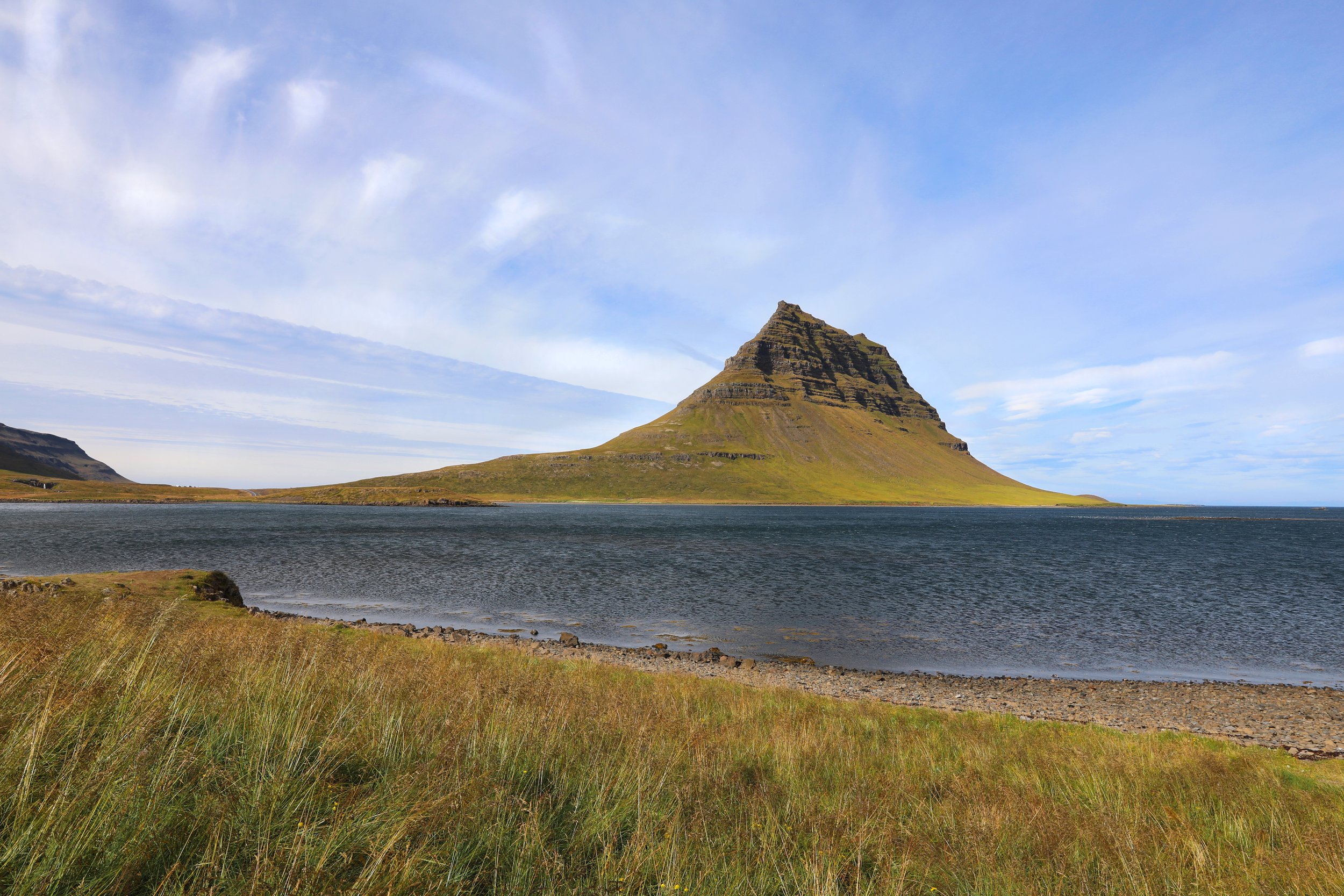
Fire and Ice
Iceland
Iceland is one of the world’s most extraordinary travel destinations, renowned for its dramatic volcanic landscapes, glacial beauty, and striking contrasts shaped by fire and ice. From exploring the Golden Circle and soaking in geothermal lagoons to driving the scenic Ring Road, the country offers unforgettable experiences in every season. Visitors can hike across glaciers, walk along black sand beaches, and discover powerful waterfalls set within vast, untouched wilderness. In winter, the Northern Lights illuminate the sky, while summer brings the surreal glow of the midnight sun. Whether you're planning an Iceland road trip or a nature focused escape, Iceland travel is defined by raw landscapes, elemental beauty, and a deep connection to the natural world.
Icelandic Krona
Reykjavík
Europe
Subpolar Oceanic
LANGUAGE
CURRENCY
CONTINENT
CAPITAL

Travelling to Iceland




Icelandic
CLIMATE

Guide to Driving Iceland’s Ring Road, Ultimate 9 Day Itinerary and Map
Discover the ultimate 9-day Iceland Ring Road adventure! Explore geothermal hotspots like Reykjavik, Krýsuvík, and the Blue Lagoon, marvel at iconic waterfalls Seljalandsfoss, Skógafoss, and Goðafoss, and discover natural wonders like Jökulsárlón Glacial Lagoon, Diamond Beach, and Stuðlagil Canyon. Complete your journey with whale watching in Húsavík and the stunning Snæfellsnes Peninsula.
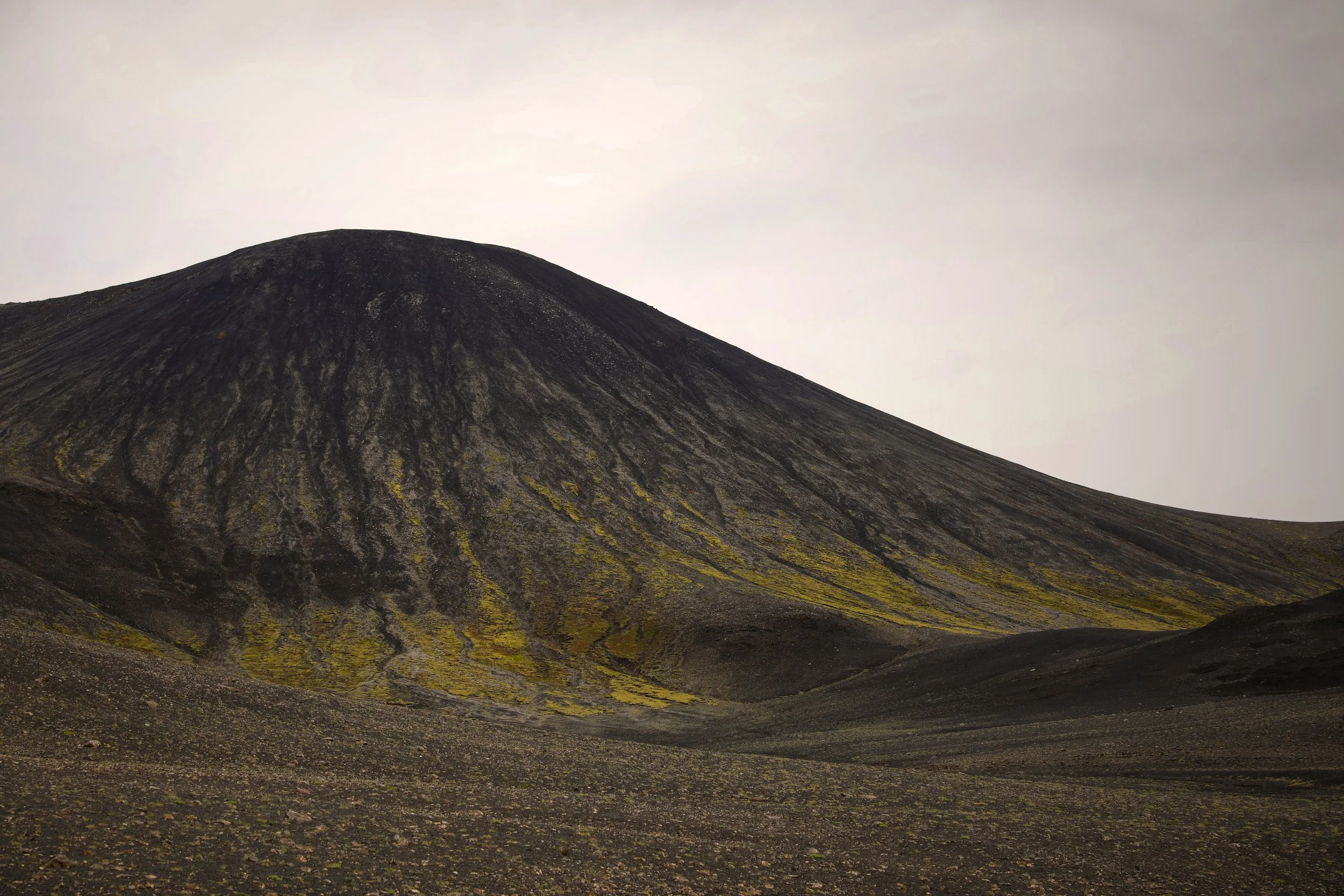
Discover Your Next Adventure
Frequently Asked Questions
Everything You Want to Know
-
The best time to visit Iceland depends on what you want to experience. Summer (June to August) offers mild weather, accessible roads, and nearly 24 hours of daylight, making it ideal for road trips and hiking. Winter (November to March) brings snow-covered landscapes and the chance to see the Northern Lights, though daylight hours are shorter and weather conditions can be more challenging. I personally feel that the country has so much variation between winter and summer that it’s worth going there in both seasons.
-
The ideal length of a trip to Iceland depends on your itinerary. A 3–5 day trip is enough to explore Reykjavik, the Golden Circle, and parts of the South Coast. For a more comprehensive experience, 7–10 days allows you to drive the Ring Road and take in regions such as the South Coast, Eastfjords, North Iceland, and the Westfjords. A 10–14 day journey gives you time to explore these more remote areas in depth, including the rugged beauty of the Westfjords and lesser-visited corners of the country at a more relaxed pace.
-
Yes, Iceland is one of the best places in the world to see the Northern Lights. They are typically visible from September to April, when nights are dark enough. Clear skies and minimal light pollution are essential, so heading outside of Reykjavik increases your chances. While sightings can’t be guaranteed, guided tours and forecast apps can help improve your odds.
-
Iceland is widely regarded as one of the safest countries in the world, with very low crime rates and a strong sense of community. However, visitors should still take care when exploring nature, as weather conditions can change quickly and certain sites, such as cliffs, beaches, and glaciers can be hazardous if safety guidelines are ignored.
-
Yes, driving Iceland’s Ring Road is widely considered one of the best ways to experience the country. The route circles the entire island, showcasing an incredible variety of landscapes, from waterfalls and glaciers to volcanic plains and coastal cliffs. It allows you to go beyond the main tourist sites and discover quieter, less-visited regions such as the Eastfjords and North Iceland. While it requires time and planning, the journey offers a more complete and immersive view of Iceland’s natural beauty, making it well worth it for most travellers.
-
The most popular way to travel around Iceland is by renting a car, which allows you to explore at your own pace. This was especially useful in summer when there is the possibility to still be out exploring very early morning or late into the evening at times which are not offerred by organised tours. The Ring Road (Route 1) circles the entire island and connects many of Iceland’s top attractions. For those who prefer not to drive, guided tours and bus routes are available, especially for popular areas like the Golden Circle and South Coast.
-
Iceland is known for being one of the more expensive travel destinations in Europe, with higher costs for accommodation, food, and transportation. However, travellers can manage their budget by booking early, staying in guesthouses or hostels, renting a campervan, and preparing their own meals. Many of Iceland’s natural attractions are free to visit, which helps offset costs.
-
Iceland is filled with iconic natural attractions. Highlights include the Golden Circle (Thingvellir National Park, Geysir, and Gullfoss), the Blue Lagoon, Jokulsarlon Glacier Lagoon, Skogafoss and Seljalandsfoss waterfalls, and Reynisfjara black sand beach. The Ring Road also offers access to countless scenic stops around the island, but beyond these well-known sights, the wider landscape is equally breathtaking, with many unmarked and lesser-known locations proving just as spectacular.
-
Yes, Iceland’s tap water is exceptionally clean and safe to drink. It comes directly from natural springs and glaciers, making it some of the purest water in the world. Travellers are encouraged to bring a reusable bottle and refill it throughout their trip.
-
The Golden Circle is one of Iceland’s most renowned travel routes, located within easy reach of Reykjavik and perfectly suited to a day trip. It encompasses three of the country’s most iconic natural landmarks: Thingvellir National Park, a UNESCO World Heritage Site rich in geological and historical significance; the Geysir geothermal area, where powerful hot springs erupt from the earth; and Gullfoss, a dramatic and thunderous waterfall that cascades into a rugged canyon.