
Land Downunder
Australia
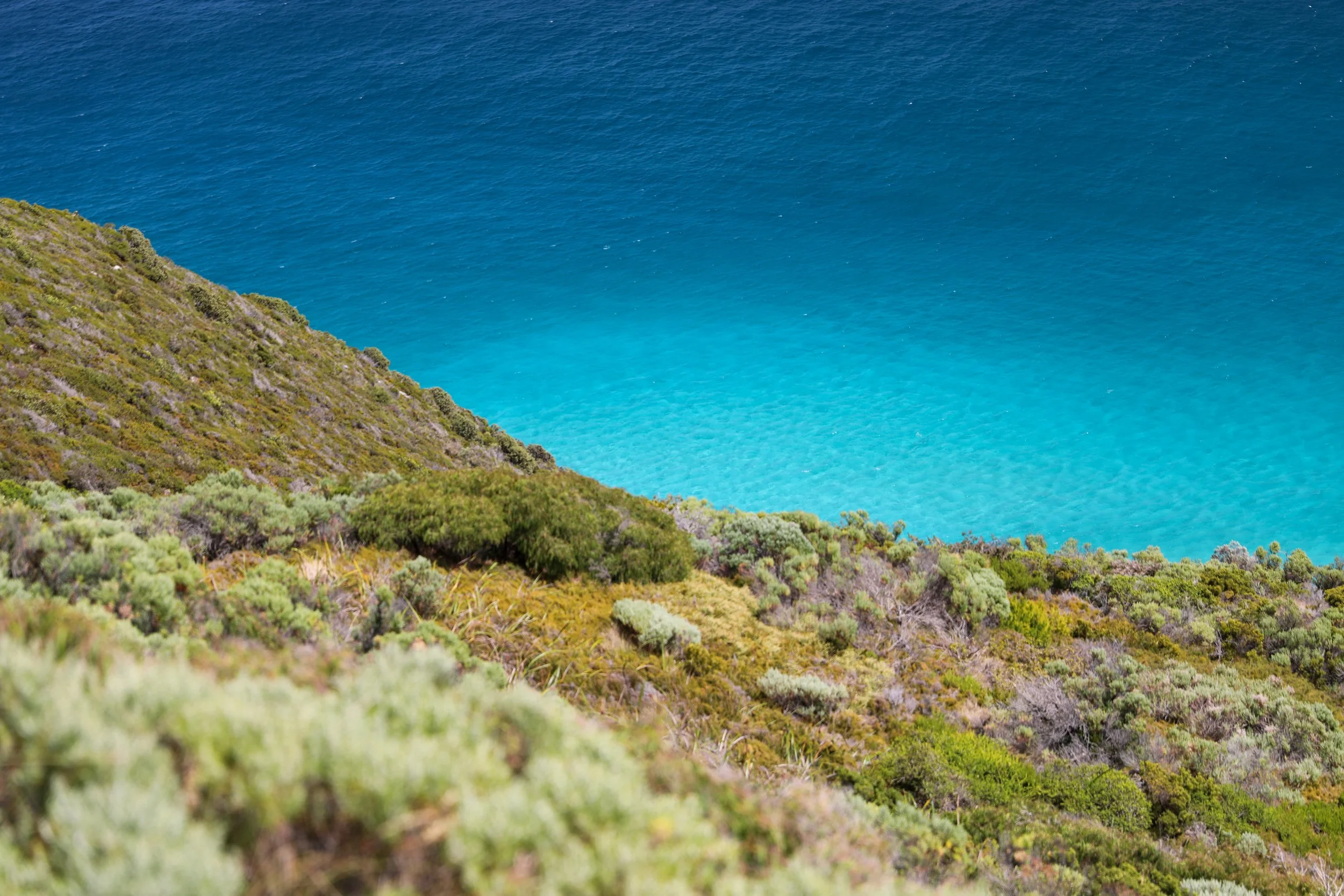
Australia is a vast, untamed playground where ancient rainforests, sunburnt deserts, vibrant coral reefs, and dramatic coastlines collide to create some of the most diverse landscapes on Earth. What makes it unique is the sheer scale and contrast, you can snorkel the Great Barrier Reef, hike through the Blue Mountains, explore the red heart of the Outback, and watch the sun set over world-class beaches all within one country. From remote wilderness to buzzing coastal cities, Australia delivers a sense of freedom and adventure that feels boundless, wild, and unmistakably its own.
Australian Dollar
Canberra
Oceania
Diverse
LANGUAGE
CURRENCY
CONTINENT
CAPITAL
Travelling to Australia




English
CLIMATE
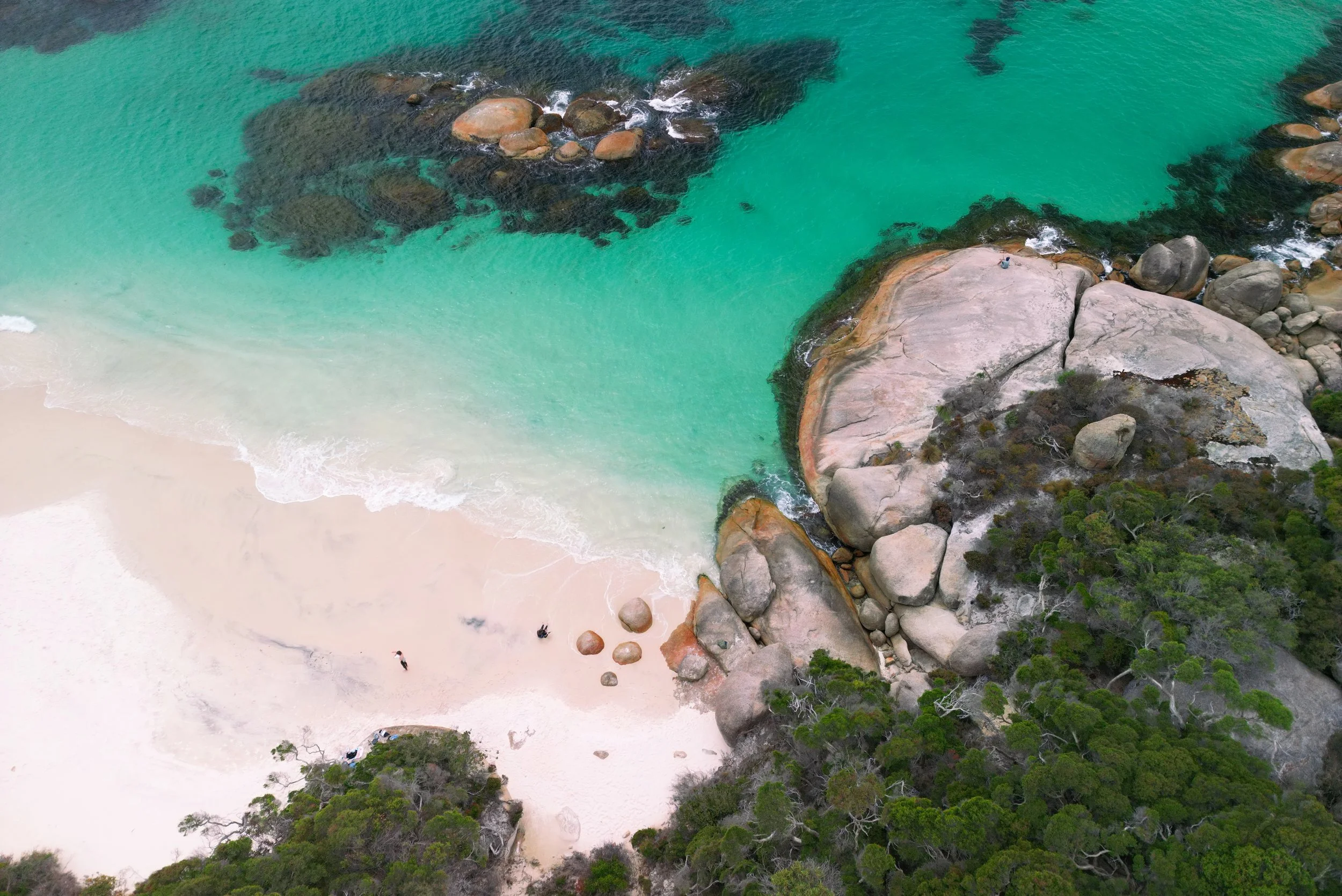
Guide to Visiting Waterfall Beach, Two Peoples Bay, Western Australia
Waterfall Beach in Two Peoples Bay Nature Reserve is a secluded coastal gem located about 45 minutes from Albany on Western Australia’s South Coast. Tucked beside Little Beach, it features turquoise waters, striking granite headlands, and a seasonal waterfall cascading onto the sand, making it a stunning and more tranquil alternative for those exploring the region.
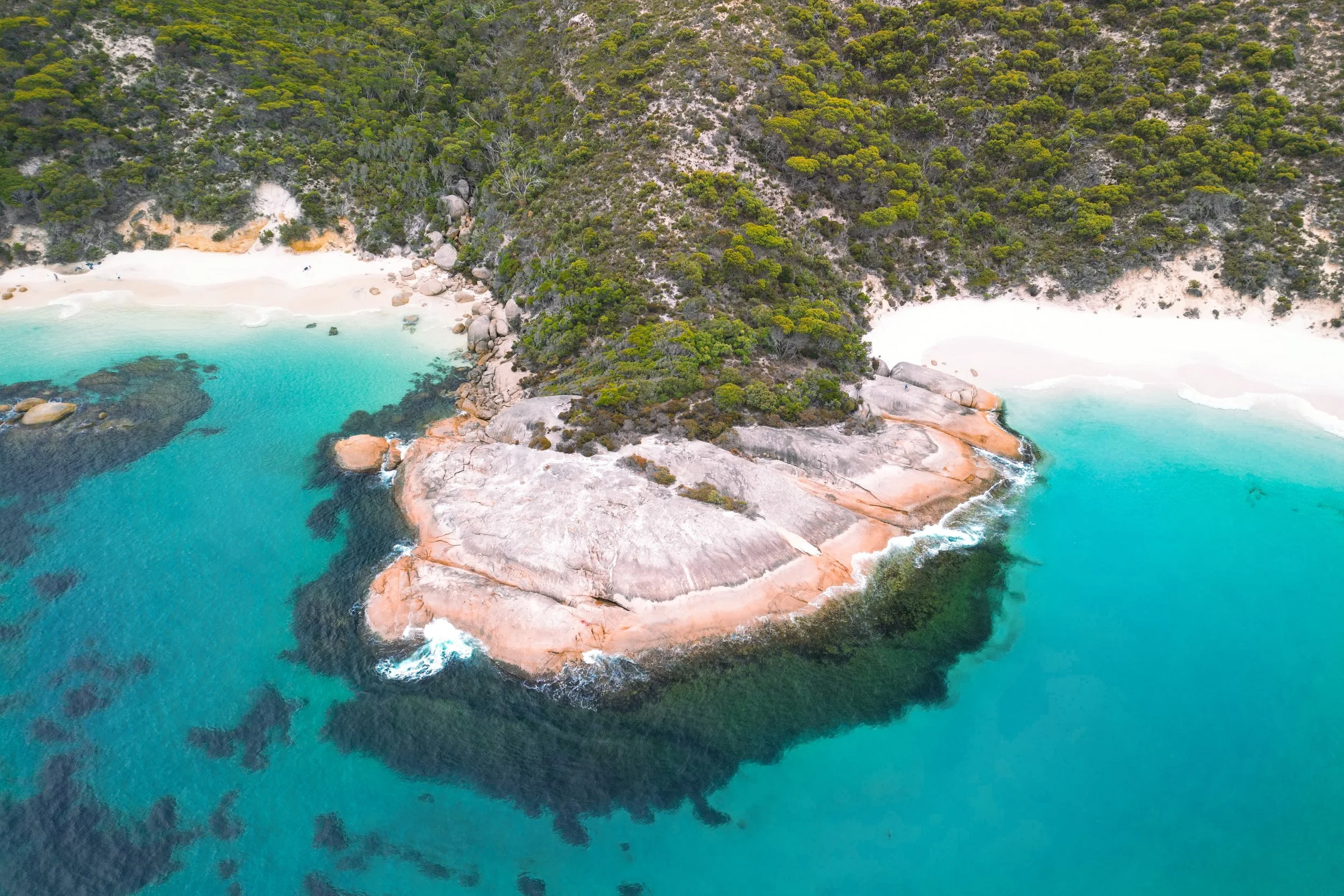
Guide to Visiting Little Beach, Two Peoples Bay, Western Australia
Little Beach in Two Peoples Bay Nature Reserve is one of Western Australia’s most spectacular coastal escapes, located just 45 minutes from Albany on the South Coast. With its powdery white sand, crystal-clear turquoise water and dramatic granite headlands, it’s a must-visit for anyone exploring the region.
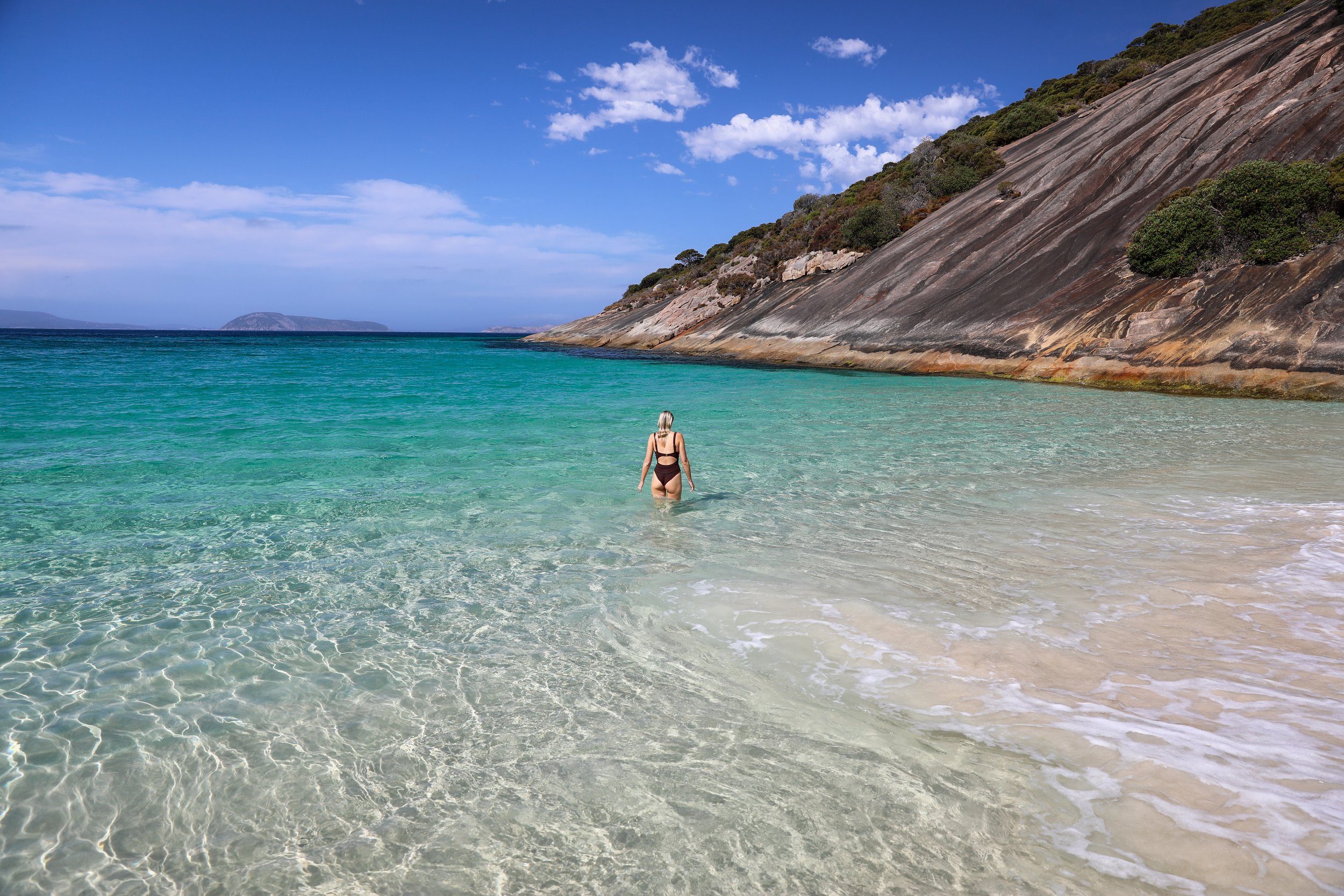
Guide to Visiting Misery Beach, Albany, Western Australia
Misery Beach in Torndirrup National Park is one of Western Australia’s most striking coastal hideaways, known for its sheltered turquoise waters and smooth granite boulders. Framed by dramatic headlands and backed by native bushland, this secluded cove offers calm swimming conditions and a postcard-perfect setting along Albany’s rugged South Coast.
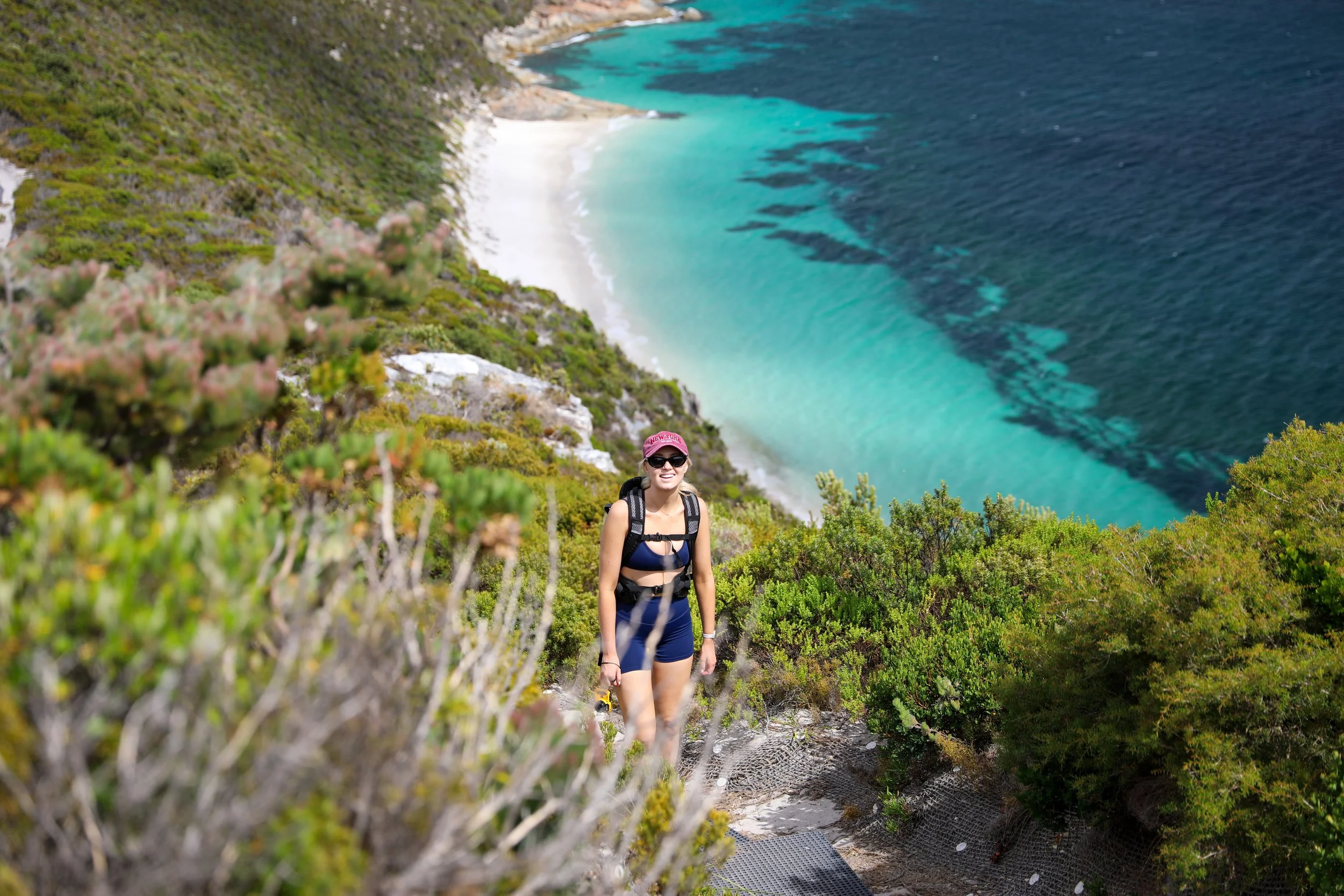
Guide to Hiking the Bald Head Walk Trail, Albany, Western Australia
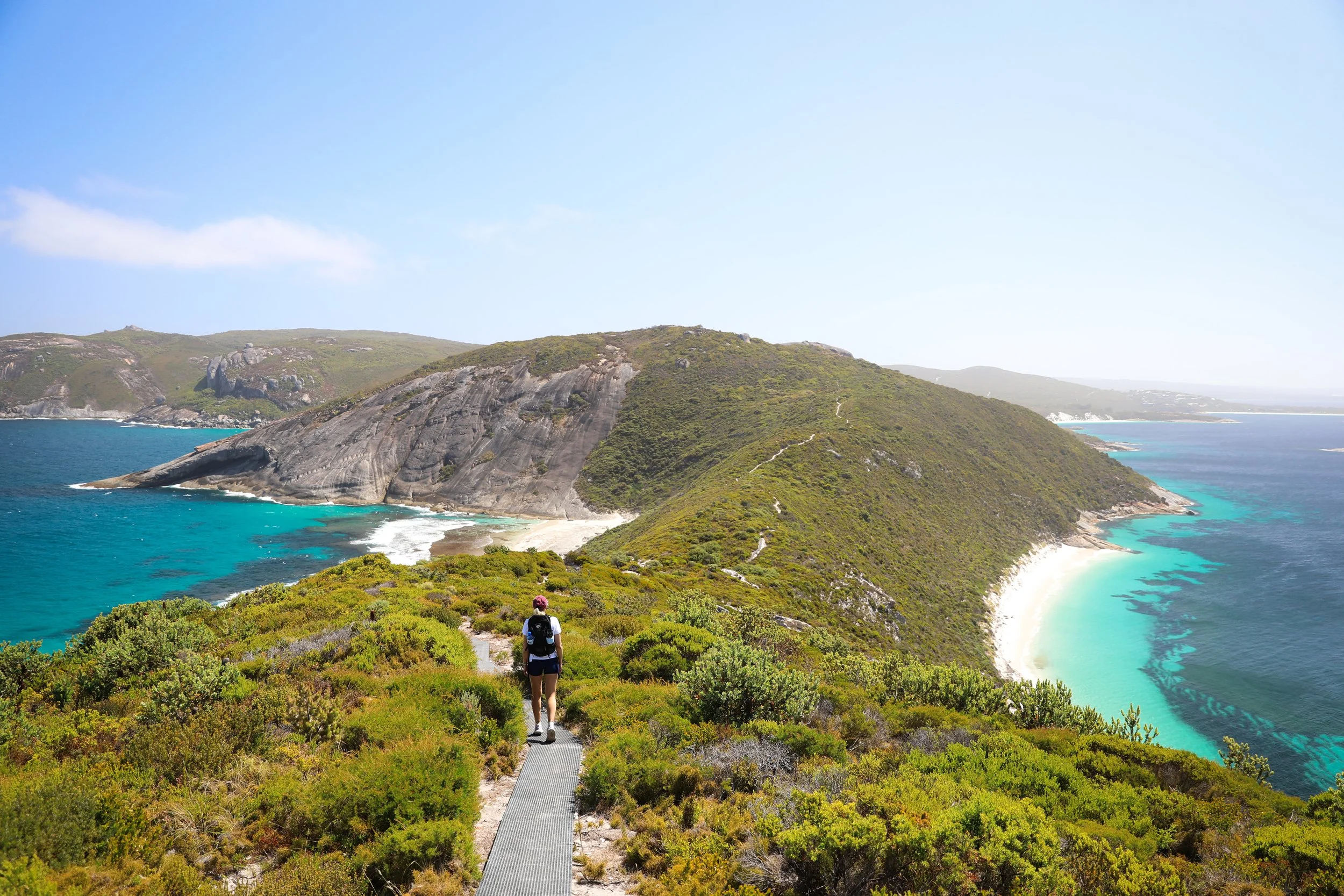
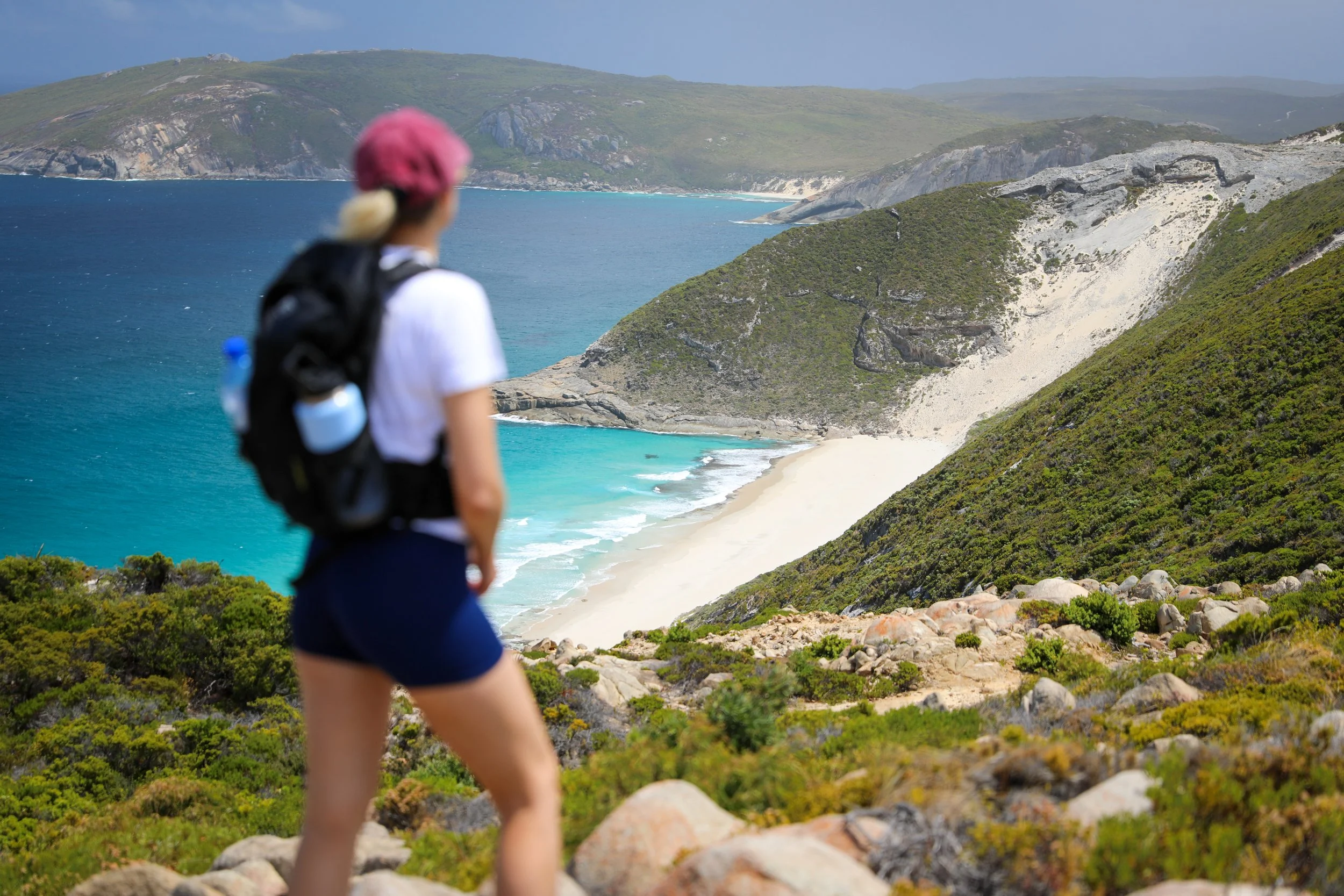
Experience the Bald Head Hike in Albany, a breathtaking coastal walk along one of Western Australia’s most iconic headlands in Torndirrup National Park. This rugged trail winds across rolling granite domes and windswept heathland, revealing sweeping views of the Southern Ocean, dramatic limestone cliffs, and the turquoise waters of King George Sound stretching to the horizon. Along the way, native wildflowers, seabirds, and the raw power of the coastline create an unforgettable South Coast adventure.
Frequently Asked Questions
Everything You Want to Know
-
Yes, Western Australia is absolutely worth visiting. It offers incredible variety, from the turquoise waters of Lucky Bay in Esperance to the rugged surf breaks of Margaret River and the vibrant coral of Ningaloo Reef. You’ll also find dramatic gorges in Karijini, unique wildlife like quokkas and whale sharks, and vast, uncrowded coastlines. With fewer tourists than Australia’s east coast, WA delivers a more relaxed, authentic experience, and if you’re willing to travel further, you’re rewarded with some of the best beaches in Australia and truly wild, off-the-beaten-path beauty.
-
How many days you need in Western Australia depends on where you plan to go, as distances between destinations are significant. For Perth and the South Coast, including Margaret River, Albany, Denmark, and Esperance, around two weeks is ideal to explore properly without rushing. If you want to extend your trip to include northern highlights like Exmouth, Karijini National Park, or the Kimberley, allow closer to a month in total. Western Australia is vast, and giving yourself extra time makes the road trips and remote landscapes far more enjoyable.
-
Yes, Western Australia can be expensive for travellers. Car hire costs, accommodation, and even campsites are often pricier than many expect, especially during peak season. Fuel is another major expense, as distances between destinations are vast and road trips are a big part of the experience. Tours to remote areas can also add to your budget. The easiest way to reduce costs is by travelling in a group and sharing expenses like vehicle hire, fuel, and accommodation, which can significantly lower the overall cost per person.
-
Yes, Western Australia is generally very safe for tourists. It has low crime rates, reliable infrastructure, and high standards of healthcare and public services. In cities like Perth and popular regions such as Margaret River and Broome, visitors can expect a relaxed, welcoming atmosphere. Most safety considerations relate to the natural environment, including strong sun, remote distances, and ocean conditions. Travellers should stay hydrated, follow local advice, swim at patrolled beaches, and plan carefully when visiting remote areas. With basic precautions and preparation, Western Australia is a safe and enjoyable destination.
-
The weather in Western Australia varies greatly due to its vast size. The Perth region and South West have a Mediterranean climate, with hot, dry summers (December to February) and mild, wetter winters. Summer temperatures often reach 30°C+, while ocean temperatures range from around 18°C in winter to 22°C in summer. North of Carnarvon, the climate becomes tropical, with a distinct dry season (May to September) of warm, sunny days and a wet season (November to April) bringing high humidity, heavy rainfall, and occasional cyclones.
-
The best time to visit Western Australia depends on the region you’re exploring. For the South Coast, including Esperance, Albany, Denmark, and Margaret River, summer (December to February) offers the best beach weather, clear skies, and warm temperatures. In contrast, northern destinations like Exmouth, Karijini National Park, and the Kimberley are best visited during the dry season (May to September), when days are sunny, humidity is low, and roads are more accessible. Because WA is so vast, planning around regional seasons ensures you experience the best weather wherever you go.
-
Yes, you generally need a car to travel around Western Australia. A car is by far the most convenient option and is almost essential unless you’re joining an organised tour. One of the best parts of Western Australia is its remoteness and wide-open spaces, but that comes with limited public transport and low connectivity outside Perth. Nearly every major attraction, from Esperance and Margaret River to Exmouth and Karijini, requires your own vehicle. Having a car gives you the freedom to explore secluded beaches, national parks, and remote landscapes at your own pace.
-
The best road trips in Western Australia showcase the state’s incredible diversity and vast landscapes. The Coral Coast Highway from Perth to Exmouth is a favourite, featuring the Pinnacles Desert, Shark Bay, and Ningaloo Reef. The South West loop takes in Margaret River, Albany, Denmark, and Esperance, home to some of Australia’s best beaches. For adventure seekers, the Gibb River Road in the Kimberley offers remote gorges and outback scenery, while Karijini National Park delivers dramatic red canyons and epic hiking. Each route highlights WA’s raw beauty and unforgettable open-road freedom.
-
Yes, you can swim in the ocean in Western Australia, and many of its beaches are considered among the best in the world. From the crystal-clear waters of Esperance to the coral-fringed shores of Ningaloo Reef, swimming is a highlight for many visitors. However, most beaches outside Perth are unpatrolled, with strong rip currents common, so confidence in the water is essential. Marine hazards vary by the region you are in but can include jellyfish, saltwater crocodiles, sharks, stonefish, and blue-ringed octopus. Always check local conditions and follow safety advice before swimming.
-
Western Australia is unique for its sheer scale, remoteness, and untouched natural beauty. Covering one-third of the country, it offers landscapes you won’t find anywhere else, from the turquoise waters of Ningaloo Reef, where you can swim with whale sharks, to the ancient red gorges of Karijini and the white-sand beaches of Esperance. Its isolation means fewer crowds, vast open spaces, and a true sense of wilderness. Combined with unique wildlife like quokkas and some of the best beaches in Australia, WA delivers a raw, off-the-beaten-path experience unlike anywhere else.