
Himalayan Haven
Nepal
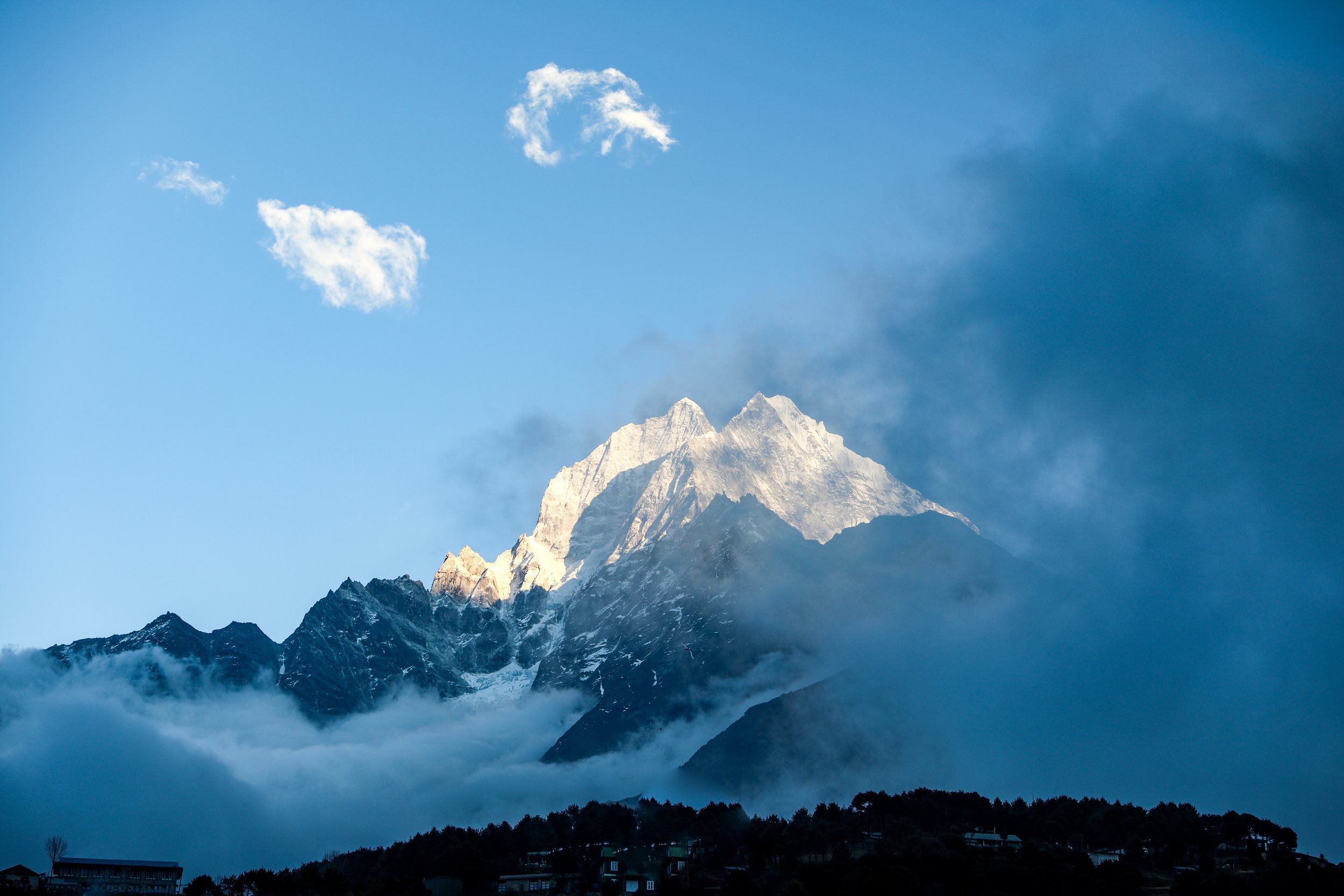
Nepal is one of the world’s most iconic trekking destinations, home to the Himalayas and eight of the ten highest mountains on Earth, including Mount Everest. From the Everest Base Camp trek and the Annapurna Circuit to remote high-altitude passes and sunrise views over snow-covered Himalayan ridgelines, Nepal travel is defined by dramatic mountain landscapes and multi-day adventures through traditional tea house villages. Beyond trekking, travellers can spot wildlife in Chitwan National Park, raft glacial rivers, and experience some of the most raw and unfiltered scenery in Asia. Nepal offers a rare combination of extreme altitude, cultural authenticity, and immersive outdoor exploration.
Nepalese Rupee
Kathmandu
Asia
Subtropical/Alpine
LANGUAGE
CURRENCY
CONTINENT
CAPITAL

Travelling to Nepal




Nepali
CLIMATE
Guide to Hiking to Everest Base Camp, Ultimate 12 Day Tour Itinerary and Map
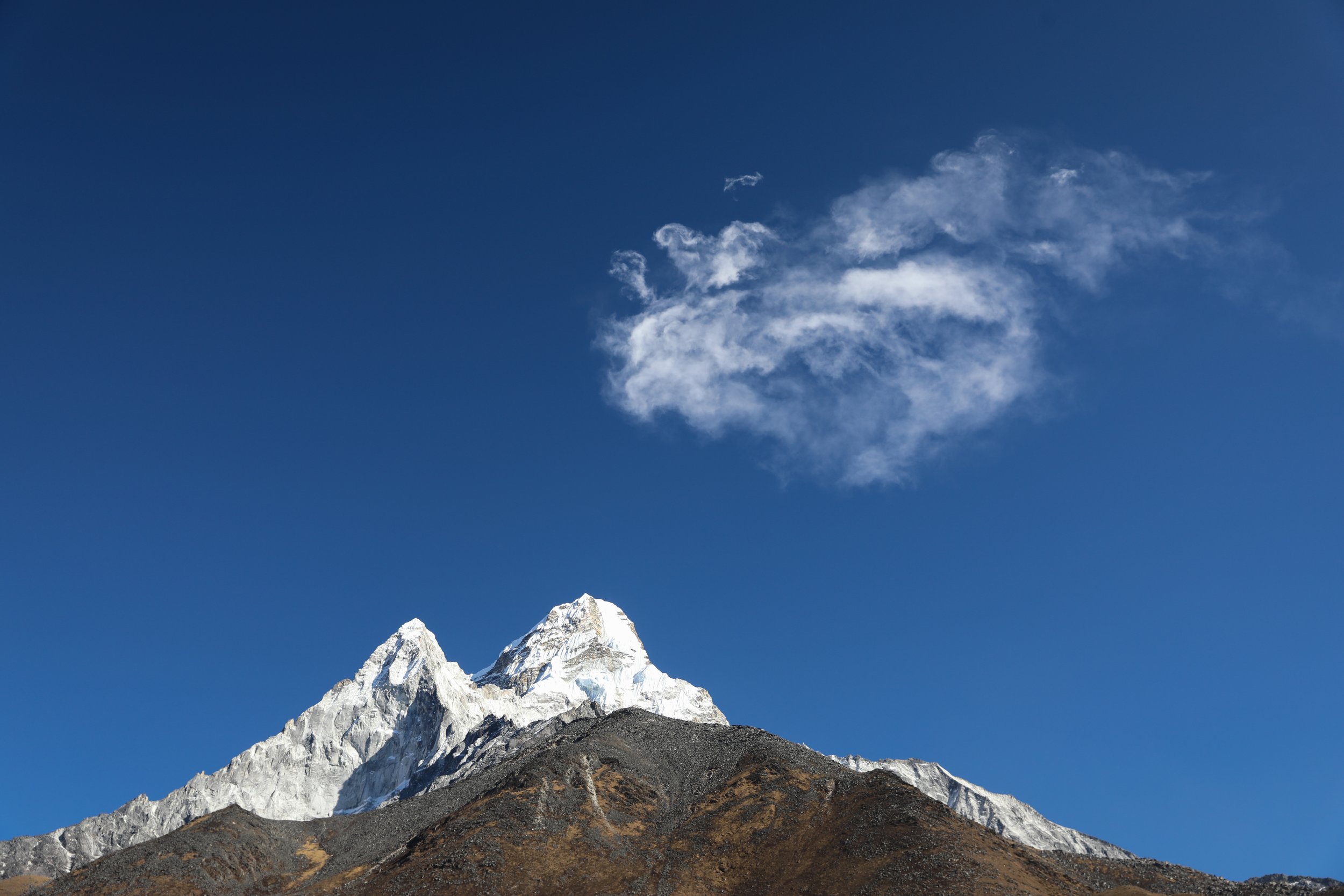
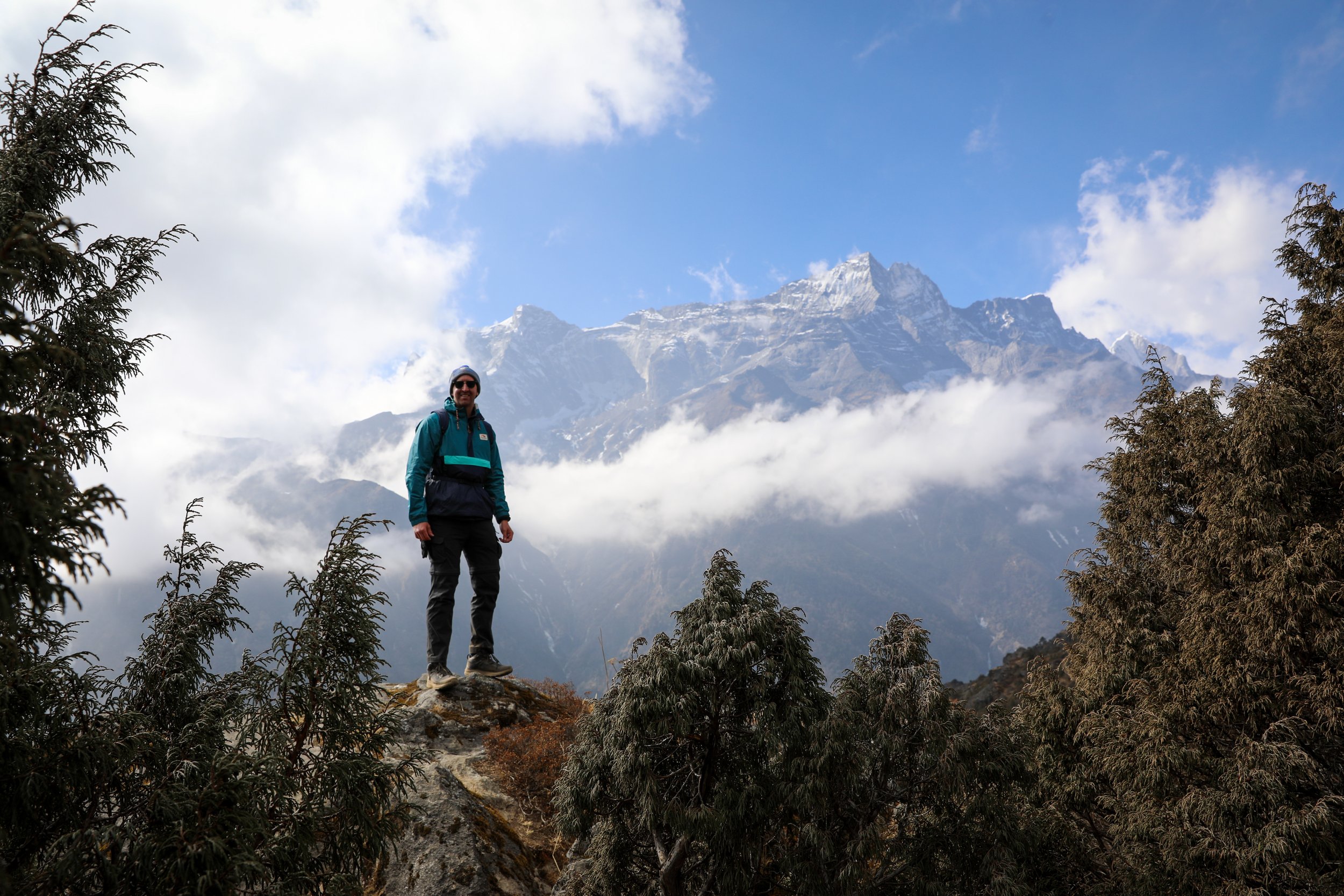
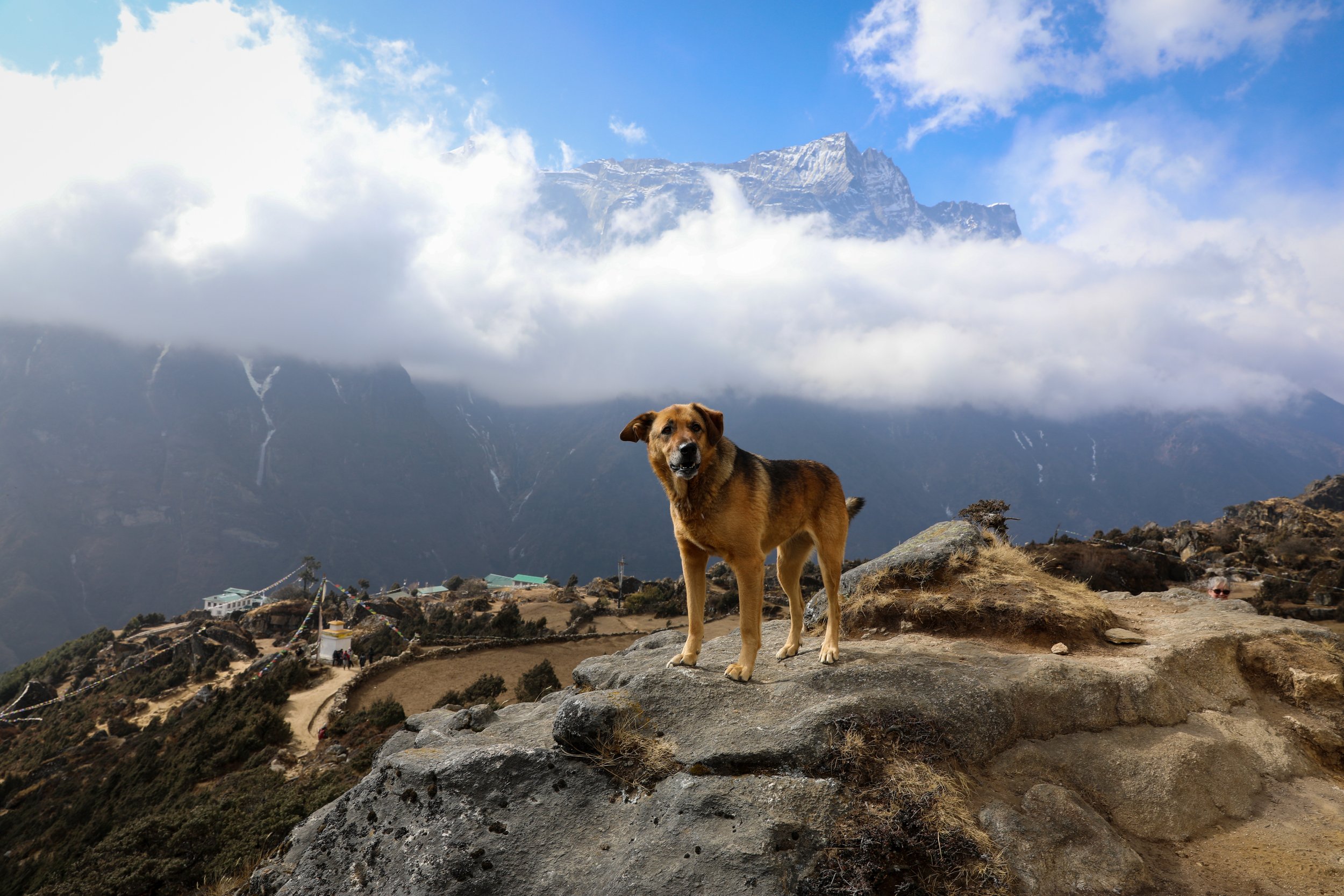
Embark on an extraordinary 12-day trek to Everest Base Camp, starting with a thrilling flight to Lukla the most dangerous airport in the world. Trek through the enchanting Sherpa villages of Phakding and Namche Bazaar, immersing yourself in the culture and scenery. As you climb higher, pass through Tengboche, the spiritual heart of Sagarmatha National Park, where breathtaking views of Mount Everest, Ama Dablam, and the majestic peaks of the Himalayas surround you at every turn.
Frequently Asked Questions
Everything You Want to Know
-
Yes, Nepal is absolutely worth visiting for its Himalayan landscapes and world-class trekking routes.
Home to Mount Everest and the Annapurna range, Nepal offers some of the most dramatic mountain scenery on Earth. Beyond trekking, travellers can experience remote villages, Buddhist monasteries, and wildlife safaris in Chitwan National Park. Nepal travel combines high-altitude adventure with deep cultural traditions, making it one of Asia’s most unique and rewarding destinations.
-
Most travellers need 10–14 days to experience Nepal properly. This allows time for at least one major trek, such as Everest Base Camp or Annapurna. Shorter trips can focus on lower-altitude hikes or cultural exploration. Nepal travel rewards slower itineraries due to the physical demands of trekking and the need for acclimatisation in the Himalayas.
-
Yes, most travellers need a visa to enter Nepal. Tourist visas are available on arrival at Kathmandu International Airport and major land borders. Visitors can choose from 15, 30, or 90-day visa options. Nepal travel visa policies are straightforward, but passport validity and entry requirements should be checked before departure to avoid issues upon arrival.
-
The Everest Base Camp trek is moderately challenging but achievable for fit travellers. The trek covers approximately 130 km over 12–14 days, reaching altitudes above 5,000 metres. The primary difficulty is altitude rather than technical terrain. Proper acclimatisation is essential when trekking in Nepal’s high-altitude regions. With preparation and pacing, many hikers successfully complete the Everest Base Camp route.
-
Yes, Nepal is generally safe for tourists with proper preparation. Most travellers visit Nepal without incident, particularly in trekking regions such as Everest and Annapurna. The main risks involve altitude sickness, unpredictable weather, and mountain terrain rather than crime. Following trekking guidelines, hiring experienced guides where required, and preparing properly for high-altitude conditions ensures a safe Nepal travel experience.
-
Most trekking routes in Nepal require permits issued by local authorities. Common permits include the TIMS card and region-specific entry permits such as Sagarmatha National Park for Everest Base Camp. Fees vary depending on the route and trekking region. Checking official Nepal travel regulations before departure ensures you carry the correct documentation.
-
The best time to visit Nepal is during spring (March–May) and autumn (October–November).
These months offer clear skies, stable weather, and ideal trekking conditions in the Himalayas. Autumn is particularly popular for Everest Base Camp and Annapurna Circuit treks due to excellent mountain visibility. While winter trekking is possible at lower altitudes, monsoon season (June–September) brings heavy rainfall and limited visibility in many regions of Nepal.
-
Nepal is generally considered an affordable destination for travellers. Accommodation, food, and local transport are budget-friendly compared to many Western countries, particularly in major towns and trekking hubs. However, costs tend to increase the further you travel into remote mountain regions, where supplies must be transported by porters, yaks, or small aircraft. Trekking routes such as Everest Base Camp require permits, guides, and higher daily expenses at altitude. Overall, Nepal travel remains accessible, but remote Himalayan adventures come at a slightly higher cost due to logistics.
-
The best trek in Nepal depends on your experience level and what kind of Himalayan adventure you’re seeking. The Everest Base Camp trek is Nepal’s most iconic route, offering close-up views of Everest and classic high-altitude tea house trekking. The Annapurna Circuit is known for its diverse landscapes, cultural villages, and dramatic mountain passes. For a more remote and less crowded experience, the Manaslu Circuit provides wild scenery and a deeper sense of isolation. Nepal travel is defined by these legendary trekking routes, each showcasing a different side of the Himalayas.
-
Yes, most major trekking routes in Nepal now require a licensed guide under current regulations. In 2023, Nepal introduced rules mandating registered guides for trekkers in national parks and conservation areas, including routes in the Everest and Annapurna regions. These measures were implemented to improve safety and emergency response in remote mountain terrain. While independent trekking was once common, Nepal travel authorities now require permits and licensed guides on most popular Himalayan routes.
-
Yes, altitude sickness is common when trekking at high elevations in Nepal. Routes such as Everest Base Camp exceed 5,000 metres, increasing the risk of Acute Mountain Sickness (AMS). Gradual ascent, rest days, hydration, and awareness of symptoms are crucial. Nepal travel at high altitude requires proper acclimatisation to reduce health risks.