

Peaks of Perfection
Switzerland
Switzerland is one of Europe’s most iconic travel destinations, renowned for the towering Swiss Alps, crystal-clear glacial lakes, and postcard-perfect mountain towns like Zermatt and Interlaken. From hiking beneath the Matterhorn and exploring the Jungfrau region to riding panoramic trains such as the Glacier Express through dramatic alpine passes, Switzerland travel offers breathtaking scenery in every direction. Summer brings wildflower meadows and high-altitude hiking trails, while winter transforms the Alps into a snow-covered playground for skiing and scenic mountain escapes. Whether you’re planning a Switzerland road trip, alpine adventure, or luxury rail journey, the country combines natural beauty, seamless infrastructure, and unforgettable landscapes in a way few destinations can match.
Swiss Franc
Bern
Europe
Temperate
LANGUAGE
CURRENCY
CONTINENT
CAPITAL

Travelling to Switzerland




French/German
CLIMATE

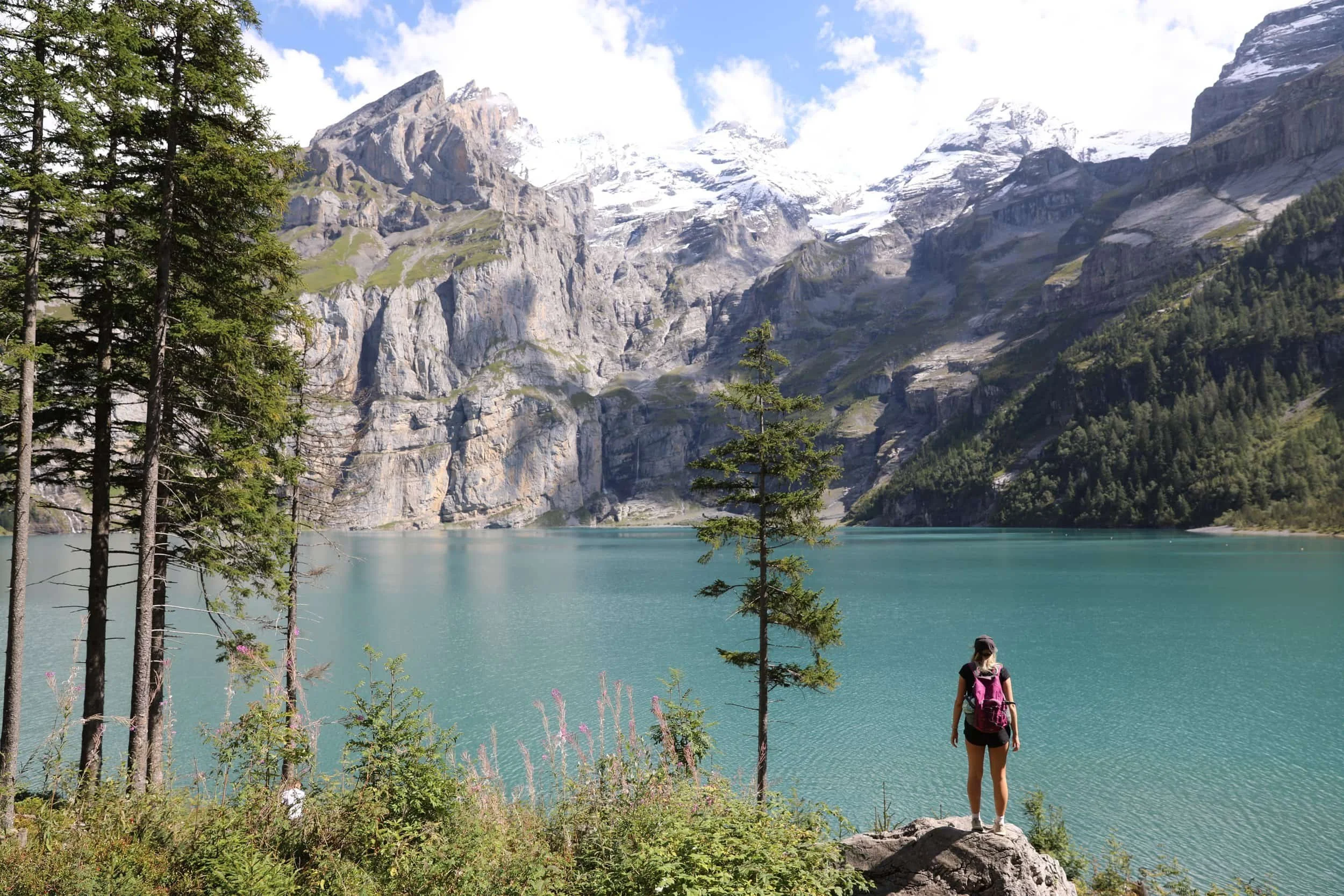
Oeschinensee Hike: Complete Swiss Alps Panorama Trail Guide
The Panorama Trail at Lake Oeschinensee, located near Kandersteg in the Bernese Oberland, is a must-do for hikers seeking scenic views and accessible alpine terrain. Reached via a quick gondola ride from Kandersteg, the trail offers a well-maintained loop above the lake, known for its vivid turquoise waters and dramatic mountain backdrop.

Discover Your Next Adventure
Frequently Asked Questions
Everything You Want to Know
-
Yes, Switzerland is absolutely worth visiting despite its high travel costs. From hiking beneath the Matterhorn and standing above turquoise glacial lakes to riding panoramic trains through the heart of the Swiss Alps, Switzerland delivers scenery that feels almost unreal in its scale and precision. The country’s seamless infrastructure, immaculate mountain towns, and easy access to high-altitude landscapes mean you can experience dramatic alpine views without sacrificing comfort or safety. While Switzerland comes at a premium, the combination of breathtaking nature, efficiency, and once-in-a-lifetime Alpine experiences makes it a destination many travellers find worth every franc.
-
Some of the best places to visit in Switzerland are its mountain towns, where dramatic peaks, glacial lakes, and hiking trails surround small alpine villages. Zermatt is famous for Matterhorn views and direct access to high-altitude trails, while Lauterbrunnen sits in a valley of waterfalls beneath the Jungfrau region. Interlaken acts as a gateway to outdoor adventure, and Lake Oeschinensee near Kandersteg offers some of Switzerland’s most stunning turquoise alpine scenery. Switzerland travel is defined by these nature-filled regions, where charming villages serve as the perfect base for hiking, mountain excursions, and exploring the Swiss Alps.
-
Yes, the Swiss Travel Pass can be worth it for travellers using multiple train routes.
Switzerland’s rail network is efficient but expensive, so the pass offers savings for longer stays or scenic train journeys. It covers many trains, buses, and boats, and includes free entry to select museums. If you plan to explore several cities or take panoramic routes through the Swiss Alps, the pass can provide both convenience and value.
-
Some of the best hikes in Switzerland are found in the Jungfrau region, around Zermatt, and near Kandersteg in the Bernese Oberland. The Five Lakes Walk offers iconic reflections of the Matterhorn, while nearby glacier hikes provide unforgettable high-alpine experiences. Lake Oeschinensee above Kandersteg combines turquoise water with dramatic mountain scenery, and trails around Grindelwald and the Jungfrau region deliver panoramic views of the Eiger, Mönch, and Jungfrau peaks. Hiking in Switzerland ranges from scenic alpine walks to demanding mountain routes, making it one of Europe’s premier outdoor destinations.
-
No, Switzerland is not part of the European Union.
Although Switzerland is located in central Europe and closely connected to EU countries, it operates independently and uses the Swiss Franc (CHF) rather than the euro. Switzerland is part of the Schengen Area, allowing visa-free travel for many visitors. This distinction is important when planning currency and travel logistics.
-
The best time to visit Switzerland depends on the experience you want. Summer (June–September) is ideal for hiking in the Swiss Alps and exploring mountain towns like Zermatt and Interlaken. Winter (December–March) is best for skiing and snow-covered scenery. Spring and autumn offer fewer crowds and beautiful seasonal landscapes. Switzerland travel is appealing year-round thanks to its diverse alpine climate.
-
Yes, Switzerland is one of Europe’s more expensive travel destinations. Accommodation, dining, and transportation, including scenic trains, mountain railways, cable cars, and gondolas, can cost more than in neighbouring countries. However, Switzerland’s natural attractions, such as hiking trails, alpine lakes, and panoramic viewpoints, are often free once you reach them. Travellers can reduce expenses by using supermarket meals, staying outside major cities, and planning train passes or transport routes carefully. With thoughtful budgeting, Switzerland travel can be more manageable than many expect.
-
Most travellers need 7–10 days to explore Switzerland properly. This allows time to experience key regions such as the Jungfrau area, Lucerne, Zermatt, and the Swiss Alps without rushing. A shorter 4–5 day trip can focus on one region, while a two-week itinerary allows for scenic train journeys and more remote mountain hikes. Switzerland rewards slower travel due to its compact yet varied geography.
-
No, you do not need a car to travel around Switzerland, and in many cases it can be unnecessary. Switzerland has one of the world’s most efficient public transport systems, with trains, buses, mountain railways, and gondolas connecting cities, alpine villages, and hiking regions seamlessly. Many popular destinations, including Zermatt and parts of the Jungfrau region, are car-free or difficult to access by road. For most travellers, using Switzerland’s rail network is easier, more scenic, and often better value than renting a car.
-
Yes, you can visit Switzerland on a budget with careful planning. While Switzerland is known for high accommodation and dining costs, many of its top attractions including hiking trails, lakes, and mountain viewpoints are free. Travellers can reduce expenses by staying in smaller towns, cooking meals, and using transport passes strategically. Budget travel in Switzerland is possible, especially for those focused on outdoor activities.