
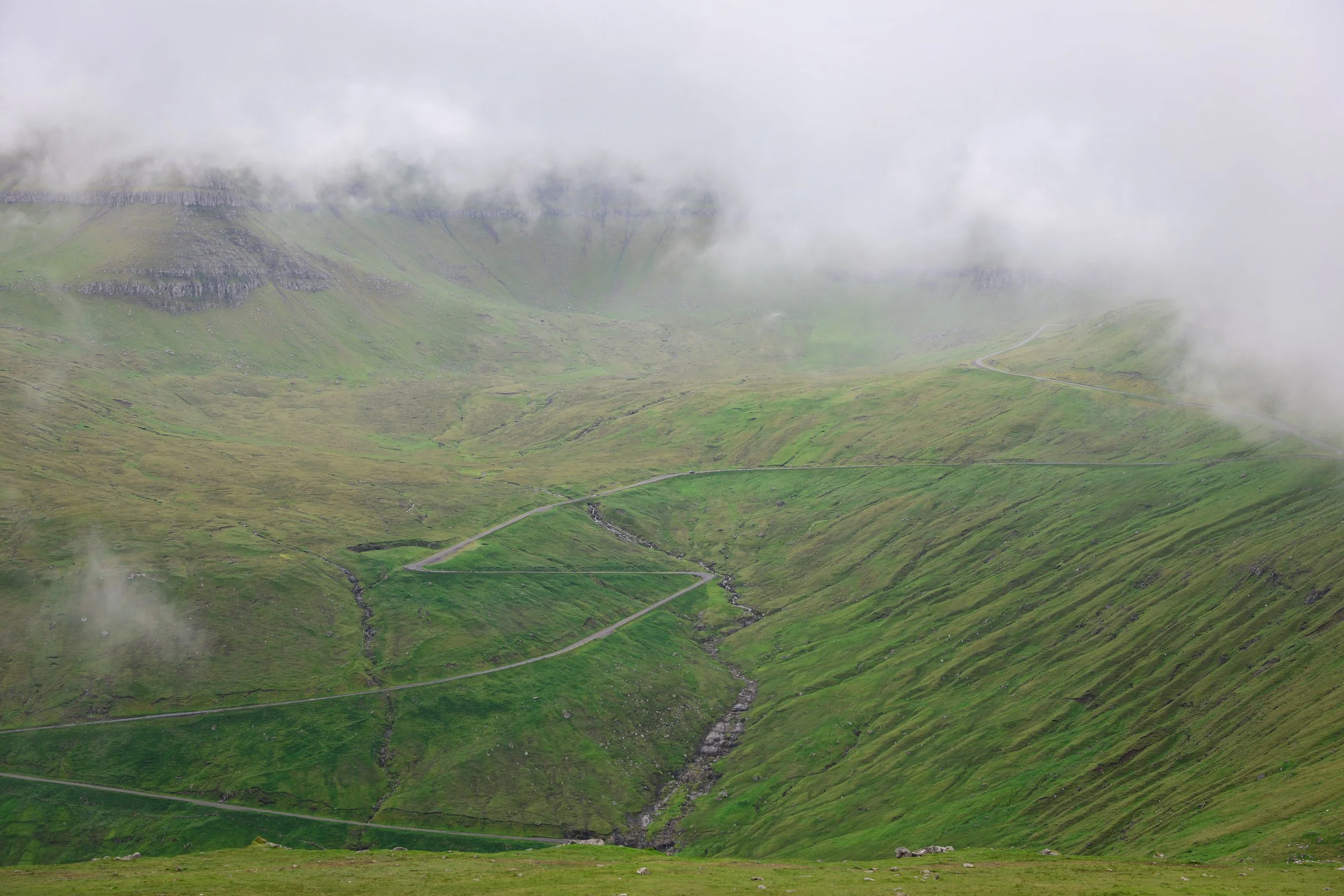
Wild North Atlantic
Faroe Islands
The Faroe Islands are a raw, windswept adventure playground in the North Atlantic where dramatic sea cliffs, narrow mountain ridgelines, and waterfalls plunging into the ocean create some of Europe’s most surreal landscapes. What makes them unique is the sense of true remoteness paired with accessibility, you can hike to iconic cliff-top lighthouses, kayak beneath towering rock formations, and explore turf-roofed villages all in a single day. With ever-changing weather, minimal crowds, and untamed scenery at every turn, the Faroes offer a pure, off-the-grid experience for travelers who crave wild beauty and real adventure.
Danish Krone
Tórshavn
Europe
Subpolar Oceanic
LANGUAGE
CURRENCY
CONTINENT
CAPITAL

Travelling to the Faroe Islands





Faroese
CLIMATE
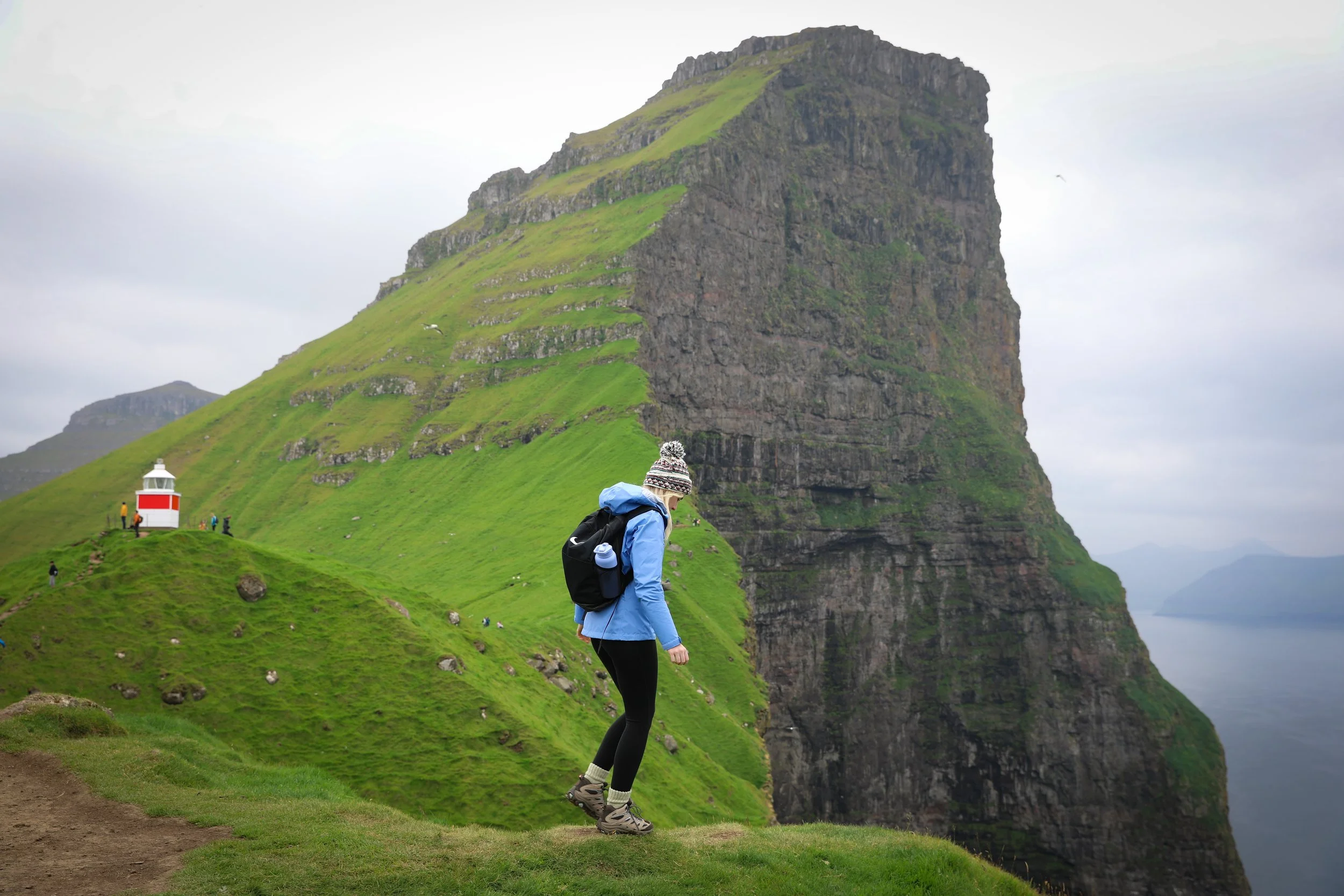
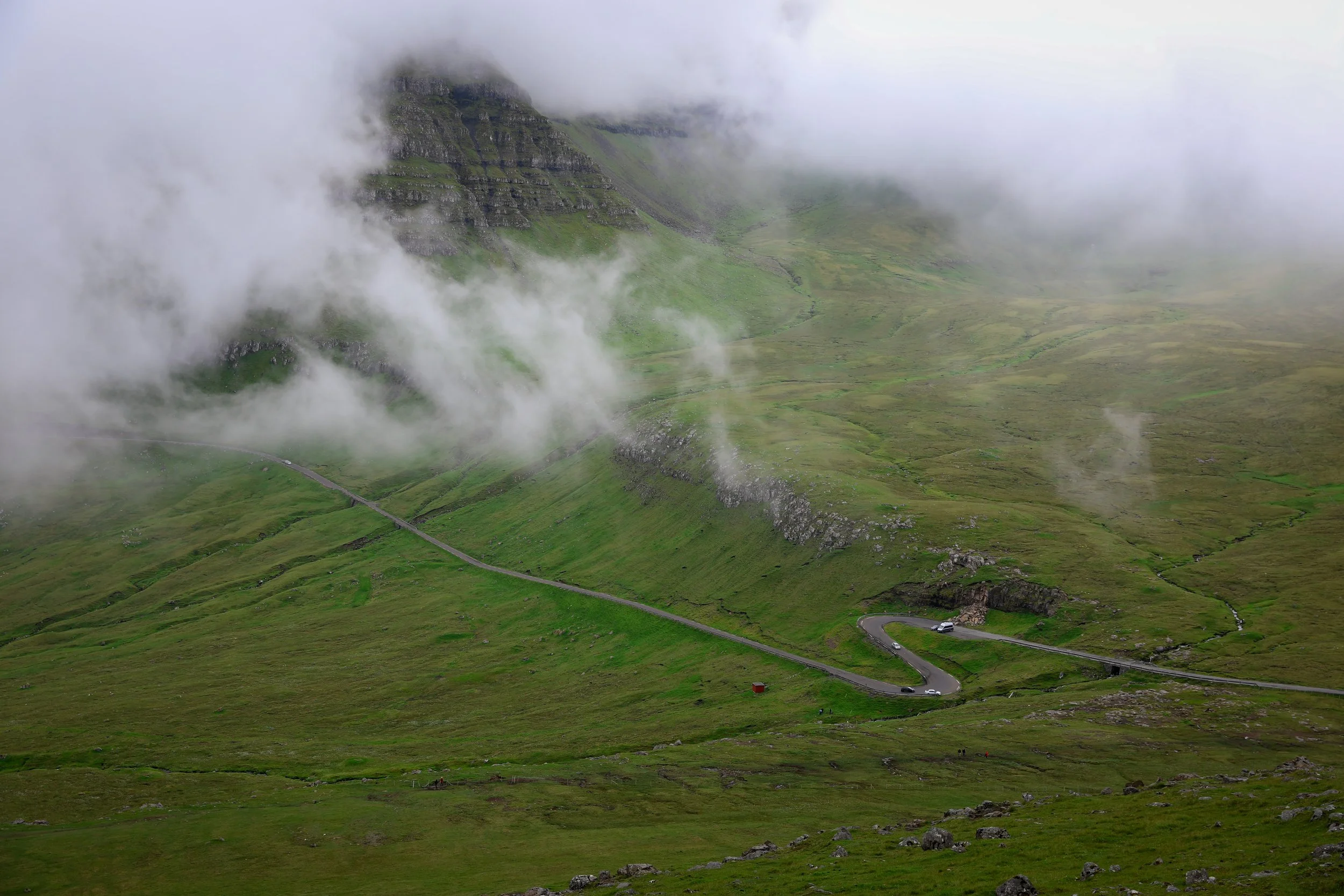
Hiking Hvíthamar in the Faroe Islands: What to Know
Hvíthamar is a short hike on Eysturoy with a big payoff: from the ridge, you can look across Funningsfjørður to the surrounding mountains and villages. The walk is steep in places, but it’s an easy stop to add to a day exploring the island. In this guide, I’ll cover where to park, how long the hike takes and what to expect on the trail. I’ll also share tips to help you plan your visit and make the most of the views.
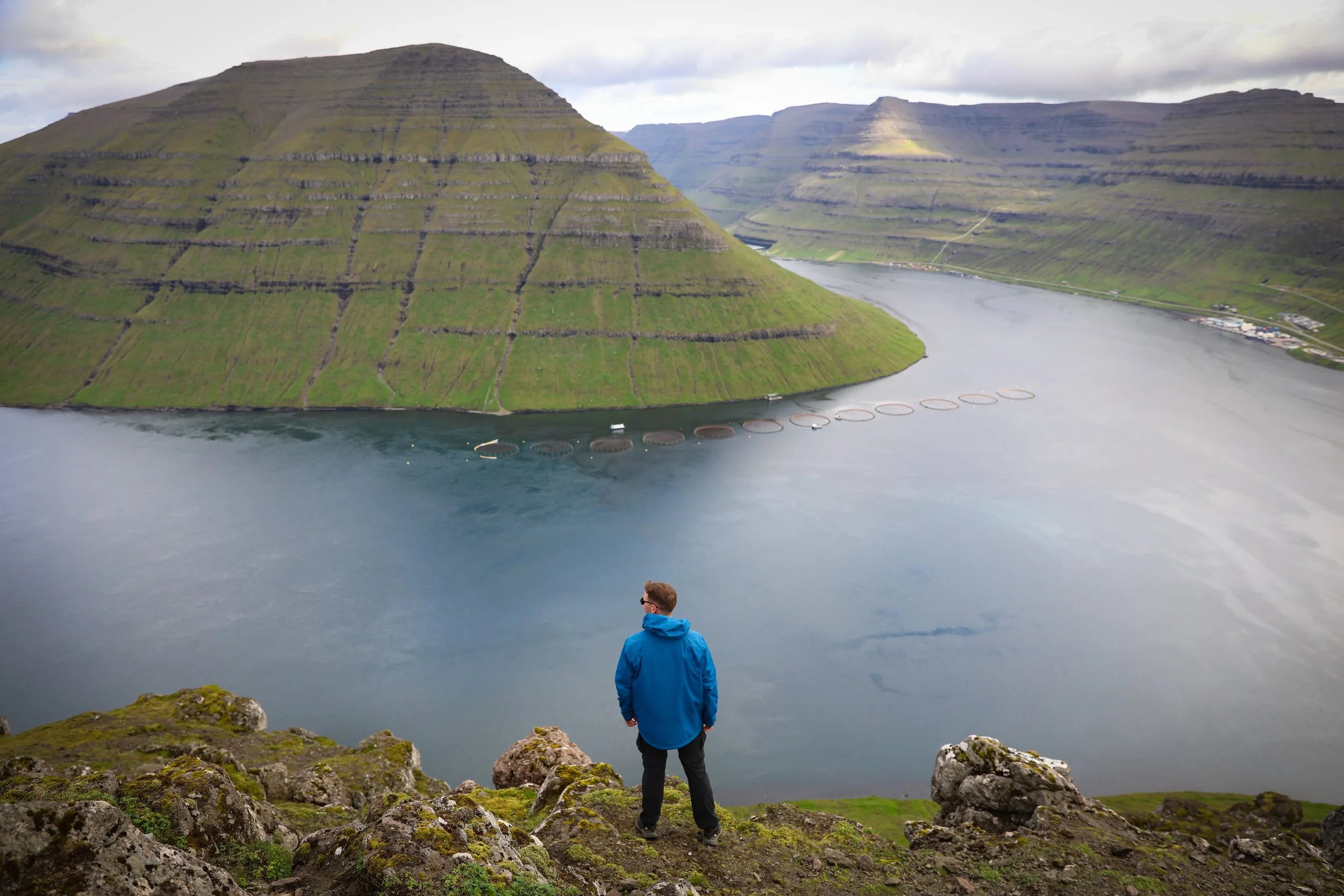
Klakkur Faroe Islands: Best Hike Above Klaksvík Guide
Klakkur offers one of the best viewpoints above Klaksvík, with a short uphill hike leading to wide views over Borðoy, Kunoy and the surrounding fjords. In this guide, I’ll share what the walk is like, how difficult it is, when to go and what to know before you set off.
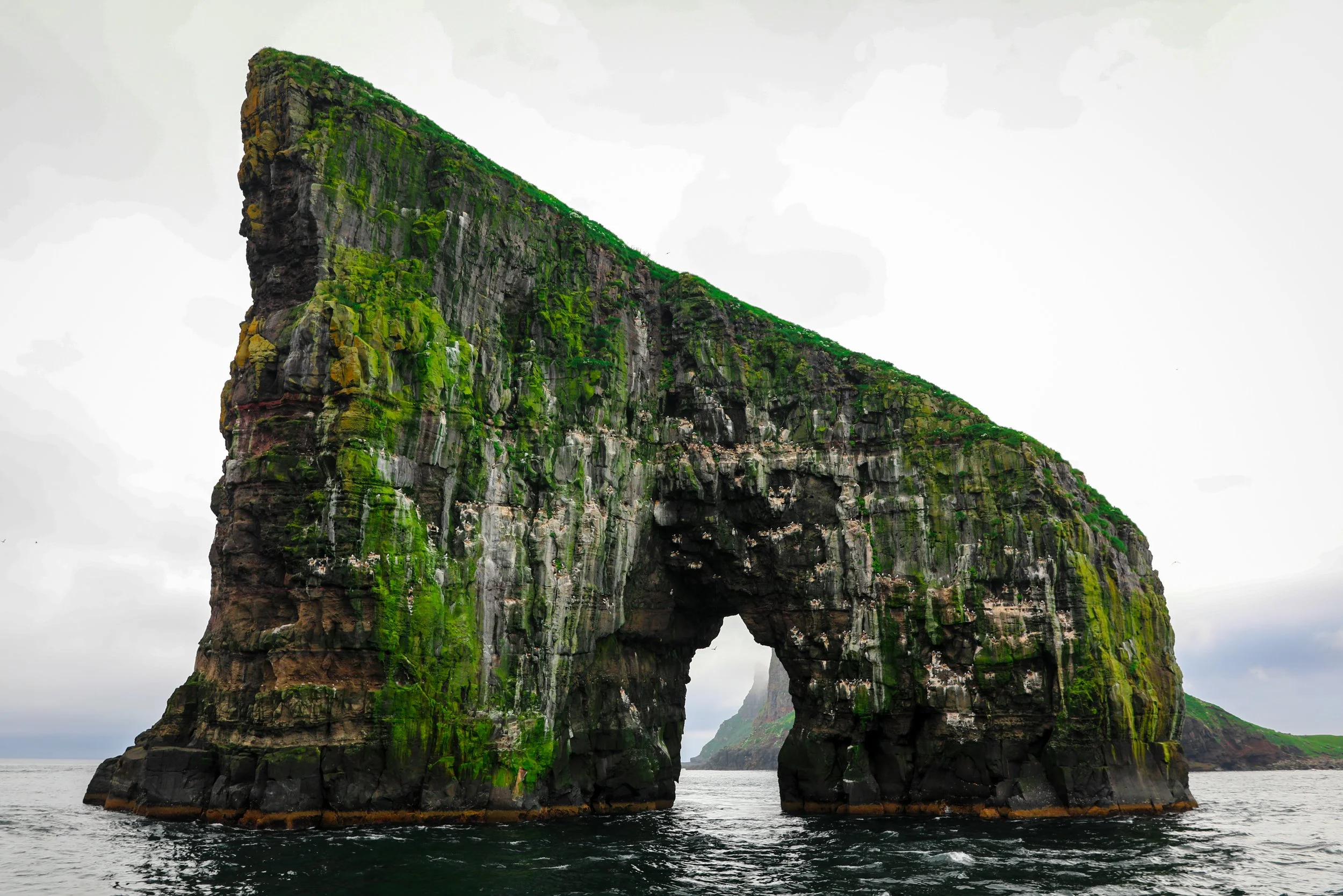
Drangarnir Sea Stacks: Guided Hike in the Faroe Islands
The Drangarnir sea stacks are among the most spectacular natural landmarks in the Faroe Islands, rising dramatically from the North Atlantic off the coast of Vágar. Reaching the famous viewpoint requires a guided hike through some of the island's most breathtaking coastal scenery, with rolling green hills, towering sea cliffs and sweeping ocean views. This guide covers everything you need to know about hiking to Drangarnir, including guided tours, trail details and alternative ways to experience these iconic sea stacks.
Frequently Asked Questions
Everything You Want to Know
-
Yes, the Faroe Islands are absolutely worth visiting, especially for hiking and photography. This remote North Atlantic archipelago is known for dramatic sea cliffs, cascading waterfalls, and rugged mountain trails with breathtaking coastal views. Unlike more tourist-heavy Nordic destinations, the Faroe Islands offer a peaceful, untouched atmosphere and a strong sense of nature and tradition. The ever-changing light and moody weather create incredible photography opportunities, while the wild, uncrowded landscapes make every hike feel raw, remote, and unforgettable.
-
You can get to the Faroe Islands by plane or ferry. The easiest option is to fly into Vágar Airport (FAE), with direct flights from Copenhagen, Reykjavik, Edinburgh, Oslo, and several seasonal European cities. From the airport, it’s a short drive to most major towns. Alternatively, you can take the Smyril Line ferry from Hirtshals in northern Denmark, which sails to Tórshavn and also connects with Iceland. The ferry is popular with travellers who want to bring their own car or campervan, making it ideal for a longer, self-paced road trip around the islands.
-
You will need around 5–7 days in the Faroe Islands to see the main highlights at a relaxed pace. This allows time to explore Vágar’s waterfalls, hike on Kalsoy, discover Streymoy’s dramatic cliffs, visit Tórshavn, and take a day trip to Mykines to see the famous puffins. If you also plan to visit Suðuroy, known for its wild and rugged landscapes, allow closer to 10 days. Extra time is wise, as changing weather and ferry schedules can occasionally impact travel between the islands.
-
The Faroe Islands have a cool, oceanic climate influenced by the North Atlantic, bringing mild temperatures but frequent rain, wind, and cloud cover year-round. The weather is famously unpredictable, often changing several times a day. The islands experience over 200 cloudy or overcast days annually, so sunshine isn’t guaranteed. Summer temperatures usually sit between 10–15°C, while winters are relatively mild but damp. Rather than bright blue skies, expect moody light and dramatic conditions, a big part of what gives the Faroe Islands their unique, atmospheric appeal.
-
The best time to visit the Faroe Islands is from late May to early September. During this period, you’ll experience the mildest temperatures, longer daylight hours, and the best conditions for hiking and exploring. Puffins can be seen on Mykines from around May to August, making summer especially popular. While the weather remains unpredictable year-round, these months offer the greatest chance of clearer skies and accessible ferry routes. Outside of summer, conditions are windier, wetter, and darker, with limited services to some islands.
-
The best hikes in the Faroe Islands include Mýlingur Sea Cliffs on Streymoy, the iconic Kallur Lighthouse hike on Kalsoy, and the dramatic Drangarnir Sea Stacks trail on Vágar. These routes offer some of the islands’ most breathtaking coastal views, steep cliff drops, and unforgettable North Atlantic scenery. Each hike varies in difficulty, so preparation and checking local access rules is essential.
-
Yes, the Faroe Islands are expensive to visit. As a remote Nordic destination, prices for accommodation, food, and car hire are high, similar to Iceland or Norway. Eating out can be costly, and some popular hikes require a paid local guide, which adds to expenses. There are also subsea tunnel tolls between certain islands that visitors need to factor into their budget. However, many incredible experiences, from dramatic cliff walks to waterfalls and scenic drives are free, helping balance the overall cost.
-
Yes, you generally need a car in the Faroe Islands. While there is public transport, the islands are remote and spread out, making a car the most convenient and time-efficient way to explore. Many of the best hiking trails, cliff viewpoints, and small villages are difficult to reach without your own vehicle. Having a car also gives you flexibility to adjust plans quickly when the weather changes, which it often does. For maximising your time and accessing more isolated spots, a car is strongly recommended.
-
No, driving in the Faroe Islands is not difficult. The road infrastructure is excellent, with well-maintained highways and an impressive network of subsea tunnels that make connectivity between islands very efficient. Distances are short, and there are frequent pull-over bays to allow cars to pass on narrower roads. However, you should always drive to the conditions, roads are often wet, and fog or low cloud can reduce visibility quickly. The Faroe Islands drive on the right-hand side of the road, which is helpful for most European visitors.
-
No, not all tunnels in the Faroe Islands are free. While many mountain tunnels cost nothing, several of the newer subsea tunnels, including those to Vágar, Eysturoy, and Sandoy, charge a toll. Fees are typically registered automatically with rental cars and added to your final bill. Because tolls can add up, it’s smart to plan your accommodation carefully. Rather than basing yourself in one place, it can be more cost-efficient to stay in different areas so you only pass through the more expensive tunnels once.
-
Yes, the Faroe Islands are part of the Kingdom of Denmark, but they are a self-governing territory with extensive autonomy. While Denmark manages foreign affairs and defence, the islands control most domestic matters, including taxation, education, and infrastructure. The Faroe Islands are not part of the European Union, despite Denmark being an EU member.
-
You don’t need a guide for most hikes in the Faroe Islands, as many trails are freely accessible. However, some of the most popular routes, including Drangarnir, Mykines, and Dunnesdrangar, require an official guide or paid hiking fee. This is usually because the trails cross private land or are protected to safeguard wildlife, particularly seabird colonies. Guided hikes can be quite expensive, so it’s important to factor these costs into your budget when planning your itinerary. Always check local rules in advance, as regulations can change seasonally.