
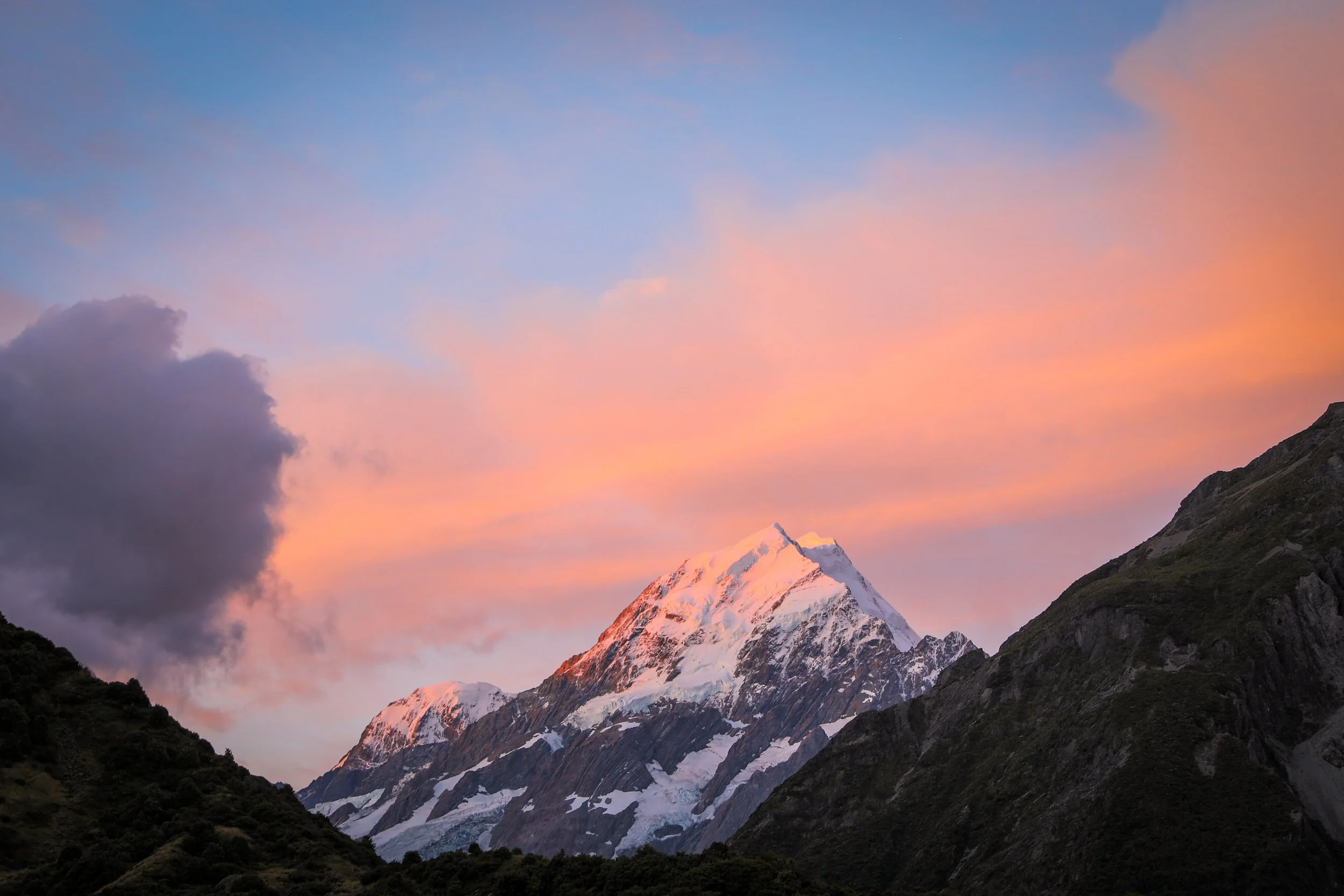
Untamed Aotearoa
New Zealand
New Zealand is one of the world’s most diverse travel destinations, known for its dramatic landscapes packed into two compact islands. From the snow-capped Southern Alps and glacier-fed lakes to active volcanoes, geothermal areas, and lush native forests, the scenery changes rapidly within a short drive. Visitors can explore Fiordland’s fjords, see glowworm caves, unwind on pristine beaches, and experience Māori culture woven into everyday life. With world-class hiking, road trips, and outdoor adventure at its core, New Zealand offers a raw, ever-changing natural experience found nowhere else on Earth. Its remote location and relatively untouched environments give it a sense of purity and isolation that makes every journey feel truly unique.
New Zealand Dollar
Wellington
Oceania
Temperate Maritime
LANGUAGE
CURRENCY
CONTINENT
CAPITAL

Travelling to New Zealand





English
CLIMATE
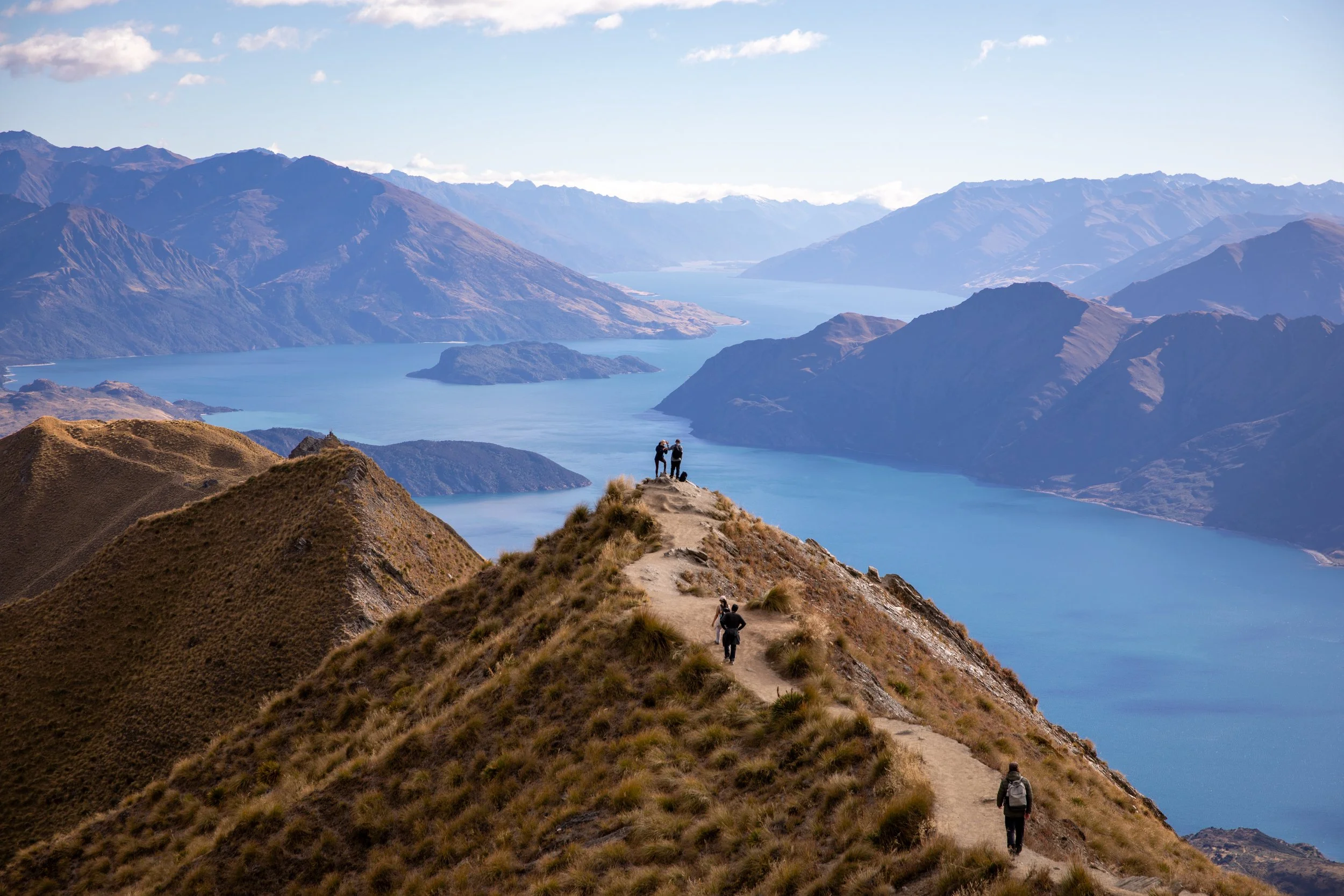
Guide to Hiking the Roy's Peak Track, Wānaka, New Zealand
The Roys Peak Track is one of New Zealand’s most iconic hikes, rising high above Lake Wānaka with uninterrupted views the entire way. This steady but relentless climb follows a winding farm track up open ridgelines, gradually revealing sweeping panoramas of the lake, surrounding valleys, and the jagged peaks of Mount Aspiring National Park. As you ascend, the ever-expanding views and golden tussock landscapes create a classic South Island hiking experience, culminating at the summit with one of the most photographed viewpoints in New Zealand.
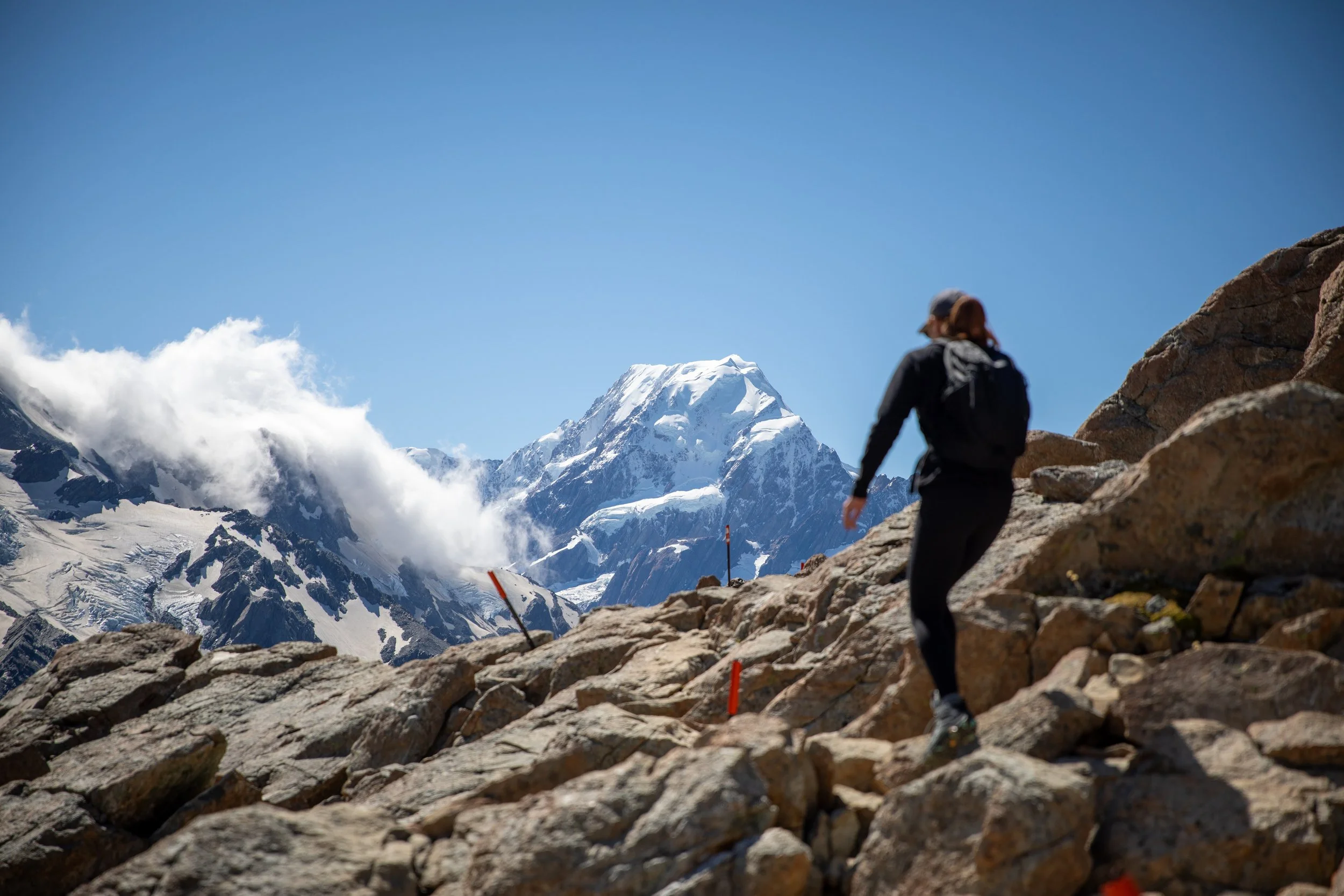
Guide to Day Hiking the Mueller Hut Route, Mount Cook, New Zealand
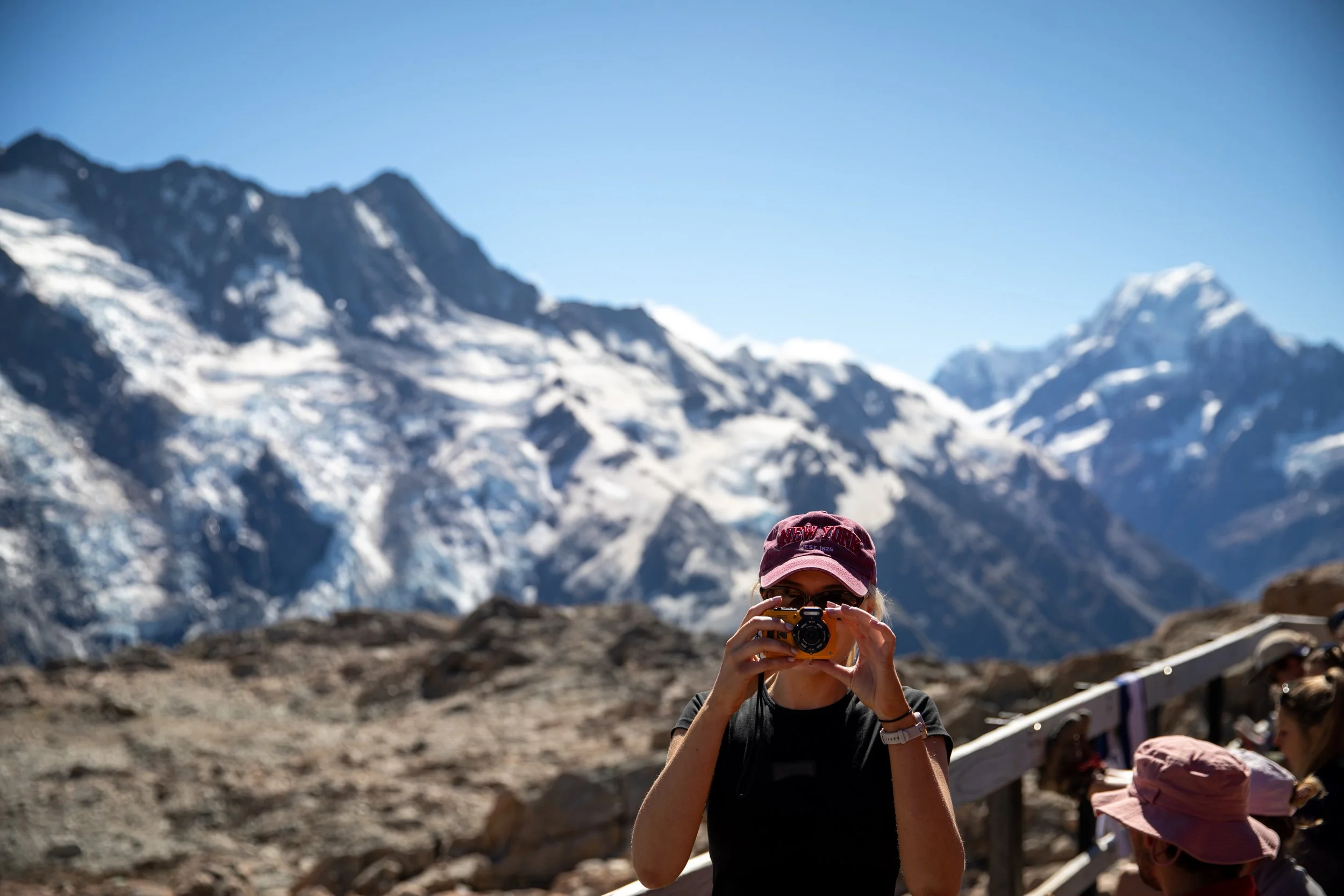
The Mueller Hut Route in Aoraki / Mount Cook National Park is a challenging alpine hike set beneath New Zealand’s highest peaks. Beginning with the steep “Stairway to Heaven” climb to Sealy Tarns, the route continues onto rugged scree slopes and exposed ridgelines. As you ascend, sweeping views open over the Hooker Valley, glacial lakes, and the icy flanks of Mount Cook. Along the way, shifting mountain light, alpine flora, and vast open skies create a raw high-country experience, culminating in breathtaking panoramas from Mueller Hut high above the valley floor.
Discover Your Next Adventure
Frequently Asked Questions
Everything You Want to Know
-
The best time to visit New Zealand depends on your travel style and what you want to experience. Summer (December to February) offers warm weather, long daylight hours, and ideal conditions for road trips, hiking, and beaches. Autumn (March to May) brings fewer crowds and beautiful landscapes, while winter (June to August) is perfect for skiing in Queenstown and Wanaka. Spring (September to November) offers blooming scenery and fewer tourists, making it a great shoulder season.
-
Yes, New Zealand is widely considered one of the most beautiful countries in the world. Known for its diverse landscapes, from mountains and glaciers to beaches and fjords, it offers a unique mix of adventure, nature, and culture. Whether you're into hiking, road trips, or outdoor activities, New Zealand delivers unforgettable travel experiences.
-
While not essential in major cities, having a car or campervan is highly recommended for exploring New Zealand. Public transport is limited outside urban areas, and many of the country’s top natural attractions are best reached by road. Having your own vehicle offers a level of convenience and flexibility that is difficult to match, you can travel at your own pace, stop at scenic viewpoints, and easily access more remote locations that aren’t served by tours or buses. Campervans are particularly popular as they combine transport and accommodation, allowing you to save on costs while enjoying the freedom to stay overnight in some of New Zealand’s most scenic settings.
-
Both islands offer unique experiences. The North Island is known for geothermal activity, Māori culture, and cities like Auckland and Wellington. The South Island is more famous for dramatic landscapes, including mountains, glaciers, and fjords. If time allows, visiting both is ideal, but if choosing one, the South Island is often preferred for its scenery.
-
New Zealand is home to some of the world’s most spectacular hiking, ranging from accessible day walks to legendary multi-day treks.
Best day hikes in New Zealand include the Hooker Valley Track in Aoraki / Mount Cook National Park, one of the most scenic and accessible walks with glacier views. The Mueller Hut Route is a more challenging alpine hike offering panoramic views over Mount Cook and the surrounding peaks. Roys Peak in Wanaka is famous for its iconic viewpoint over Lake Wanaka, while the Tongariro Alpine Crossing in Tongariro National Park is often considered one of the best day hikes in the world, crossing volcanic terrain and emerald lakes. The Earnslaw Burn Track near Glenorchy is a quieter but equally breathtaking hike, leading to a hidden valley of waterfalls, glaciers, and towering rock faces, often regarded as one of the South Island’s most underrated walks. Other notable options include Sealy Tarns (a shorter but steep climb with incredible views) and Key Summit on the Routeburn Track for a taste of alpine scenery without committing to a full multi-day hike.
Multi-day hikes and Great Walks are a defining part of New Zealand travel. The country’s “Great Walks” are world-renowned and include the Milford Track, Routeburn Track, and Kepler Track in Fiordland, all offering dramatic mountain and fjord scenery. The Abel Tasman Coast Track combines beaches and coastal forest, while the Tongariro Northern Circuit explores volcanic landscapes. The Heaphy Track on the West Coast offers a diverse journey from mountains to subtropical coastline. These multi-day hikes are well-maintained with huts and facilities, making them accessible while still delivering a true wilderness experience.
Whether you’re looking for a single-day adventure or a multi-day trekking experience, New Zealand offers some of the most diverse and rewarding hiking in the world.
-
To fully experience New Zealand, 10–14 days is recommended. This allows time to explore both the North and South Islands, including highlights like Auckland, Rotorua, Queenstown, and Fiordland National Park. A shorter 7–10 day trip can still cover one island well, while 2–3 weeks gives you the flexibility to explore more remote regions at a relaxed pace.
-
The best way to travel around New Zealand is by car or campervan, giving you the freedom to explore at your own pace. Road trips are extremely popular, especially on the South Island, where scenic drives connect major destinations. While domestic flights are available, driving allows you to access hidden gems and less-visited locations.
-
New Zealand is considered a moderately expensive destination, particularly for accommodation, activities, and transport. Adventure experiences such as bungee jumping, skydiving, and guided tours can be especially costly, and fuel prices are relatively high, which can add up on longer road trips. However, costs can be managed by booking early, travelling in shoulder seasons, cooking your own meals, and choosing budget options like hostels or campervans. Many natural attractions, including hikes and scenic viewpoints, are free, helping to balance overall expenses.
-
Top destinations in New Zealand span both the North and South Islands, each offering distinct landscapes and experiences.
North Island highlights include Auckland, the Bay of Islands, and the Coromandel Peninsula, known for its beaches and Cathedral Cove. Rotorua and Taupō are famous for geothermal activity and Māori culture, while Tongariro National Park features volcanic landscapes and the iconic Tongariro Alpine Crossing. Wellington, the capital, offers a vibrant food and arts scene.
South Island highlights are often more dramatic, with Queenstown as the adventure capital and nearby Fiordland National Park home to Milford Sound and Doubtful Sound. Aoraki / Mount Cook National Park showcases New Zealand’s highest peaks, while Lake Tekapo and the Mackenzie Region are known for alpine scenery and dark sky stargazing. The West Coast features glaciers such as Franz Josef and Fox Glacier, while Abel Tasman National Park offers golden beaches and coastal hiking.
-
New Zealand’s weather can be unpredictable and varies by region. Summers are generally warm, while winters are cooler, especially in the South Island. Rain can occur at any time of year, so it’s important to pack layers and be prepared for changing conditions.