
Fjord Haven
Norway
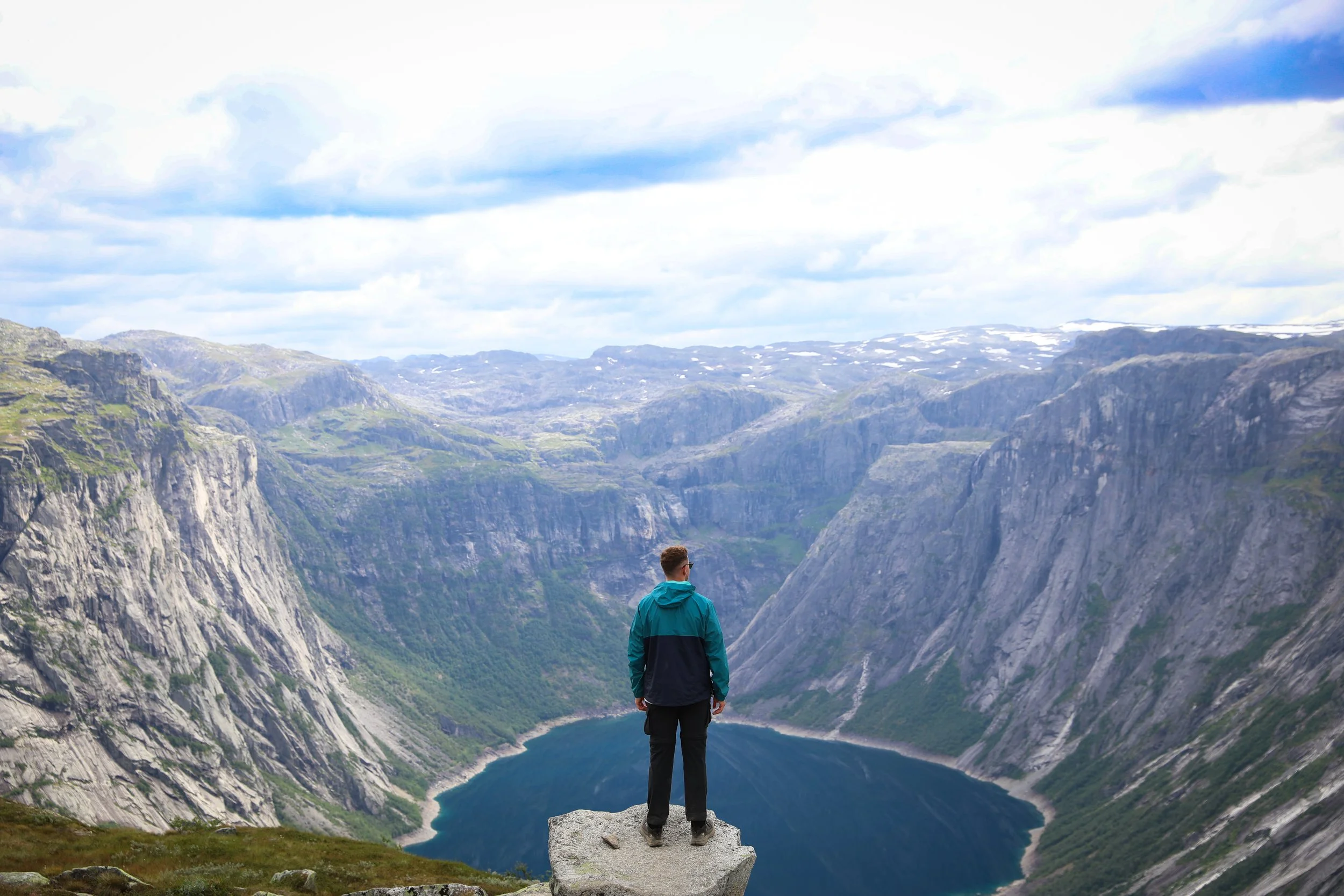
Norway is one of Europe’s most breathtaking travel destinations, famous for its dramatic fjords, glacier-carved mountains, and world-renowned scenic drives that wind along rugged coastlines and through vast wilderness. From hiking above Geirangerfjord and exploring the remote beauty of the Lofoten Islands to chasing the Northern Lights in Arctic Norway, the country offers unforgettable adventures in every season. Visitors can experience the midnight sun during long summer days, witness snow-covered villages and frozen fjords in winter, and immerse themselves in a culture deeply connected to nature. Whether you're planning a Norway road trip, fjord cruise, or multi-day hiking journey, Norway travel is defined by epic landscapes, outdoor adventure, and scenery that feels almost otherworldly.
Norwegian Krone
Oslo
Europe
Temperate
LANGUAGE
CURRENCY
CONTINENT
CAPITAL

Travelling to Norway




Norwegian
CLIMATE
Guide to Hiking to Trolltunga Ledge, Vestland, Norway
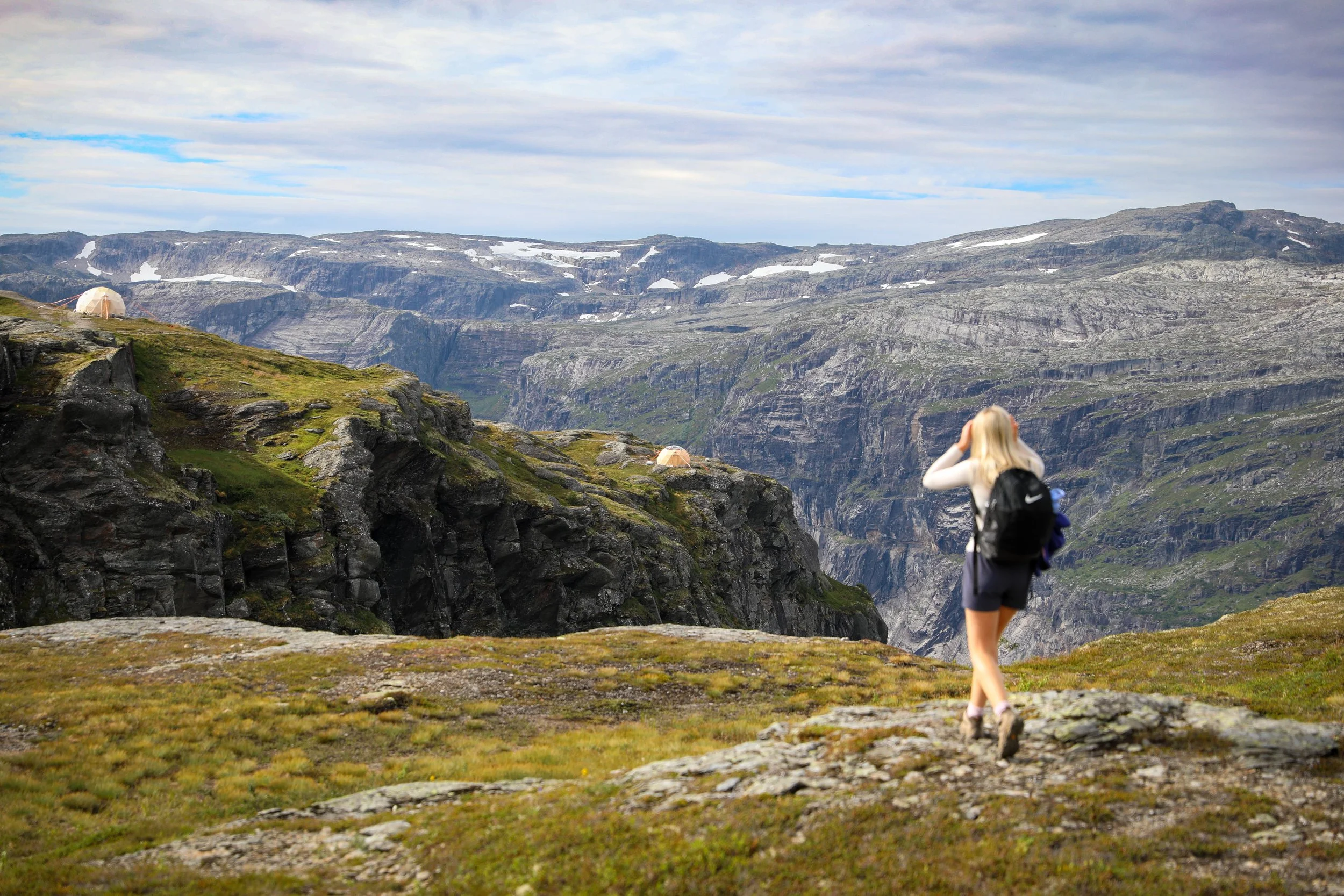
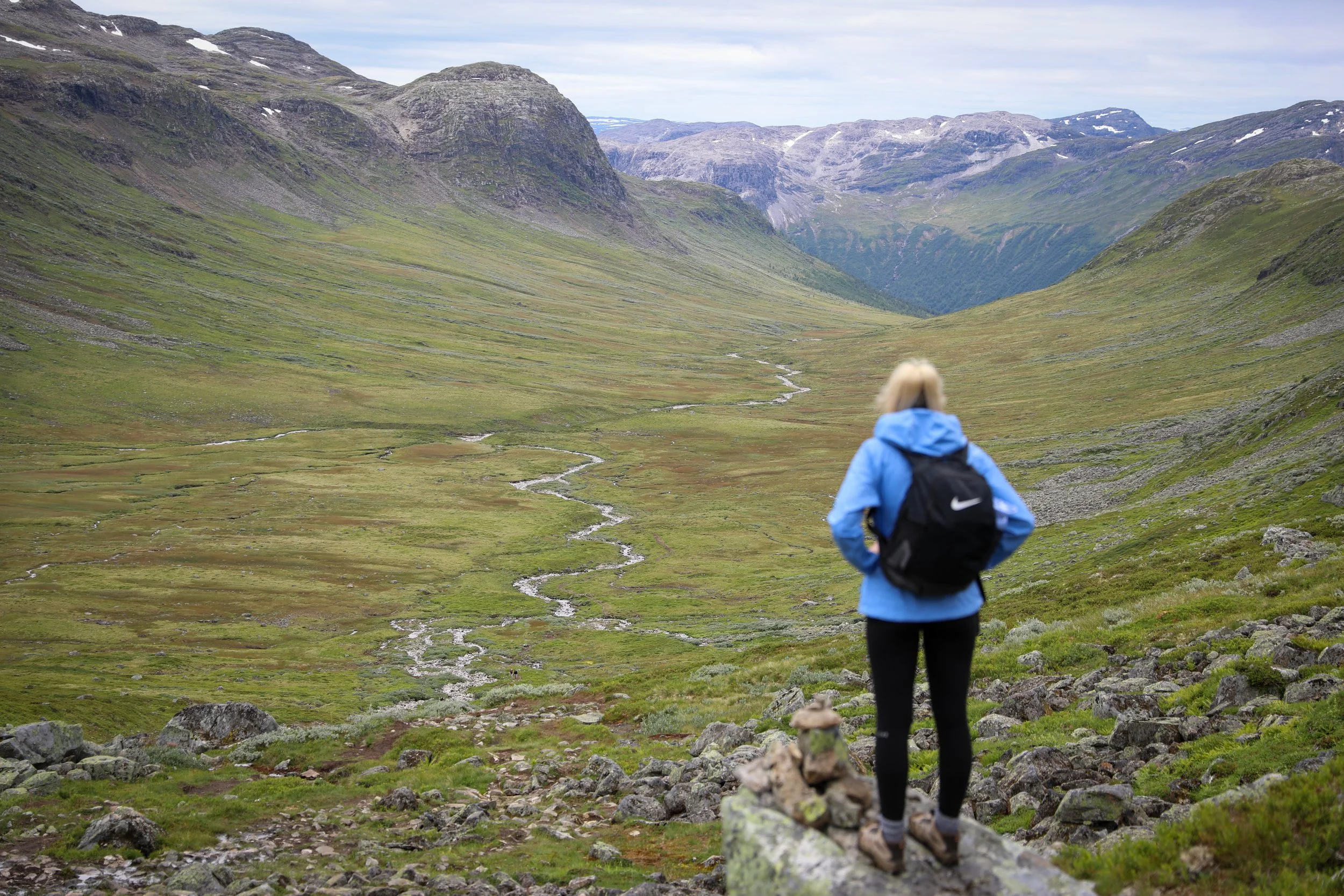
The Trolltunga hike, located in Vestland above the town of Odda and overlooking the Sørfjorden branch of the Hardangerfjord, is one of Norway’s most iconic and demanding adventures. The long alpine trail climbs steadily onto the Hardangervidda plateau, crossing rocky terrain and glacial valleys before reaching the famous rock ledge suspended 700 metres above Ringedalsvatnet, where vast mountain landscapes stretch endlessly in every direction.
Guide to Hiking the Bakkanosi Ridge, Vestland, Norway
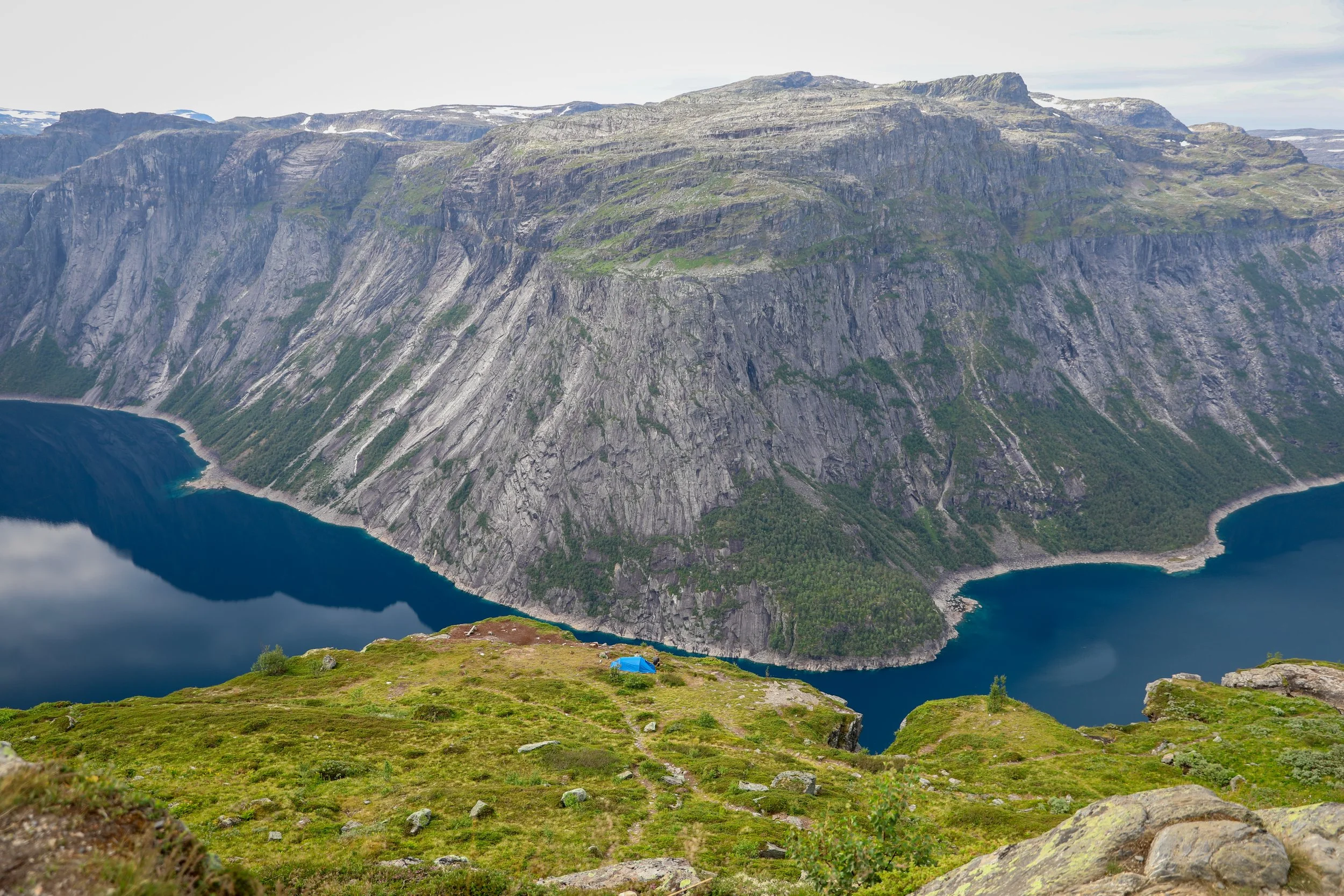
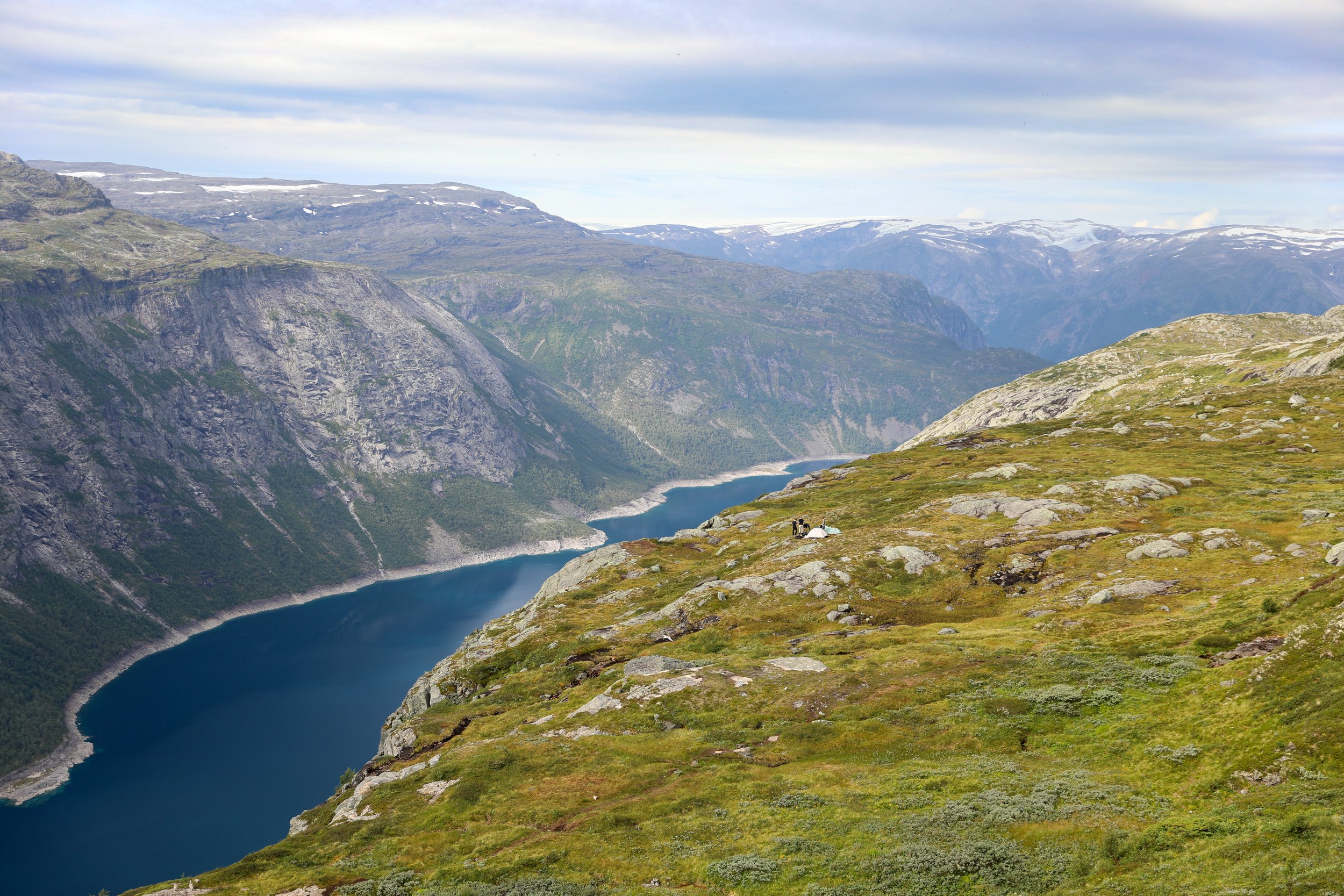
The Bakkinosi hike, set in Norway’s Fjordland region above the village of Bakka along the Nærøyfjord, is a short but steep climb to one of the area’s most dramatic viewpoints. The trail quickly lifts above the fjord, revealing sheer rock walls plunging into deep blue water, with mountains and waterfalls stretching away in every direction.
Frequently Asked Questions
Everything You Want to Know
-
Yes, Norway is absolutely worth visiting despite its high travel costs. From sailing through UNESCO-listed fjords and hiking iconic trails like Trolltunga and Preikestolen to exploring the dramatic peaks and fishing villages of the Lofoten Islands, Norway offers some of Europe’s most breathtaking scenery in one unforgettable journey. In winter, the Northern Lights dance across Arctic skies, while summer brings endless daylight under the midnight sun and spectacular road trips through rugged mountain landscapes. Although Norway comes at a premium, the magnitude of its scenery and outdoor adventures sets it apart from almost anywhere else in Europe.
-
Yes, Norway is one of the best places in the world to see the Northern Lights.
The aurora is most visible between September and March, particularly in Arctic Norway above the Arctic Circle. Popular locations include Tromsø, Alta, and the Lofoten Islands. Clear skies and minimal light pollution improve your chances. While sightings are never guaranteed, Norway’s northern regions provide some of the most reliable aurora viewing conditions in Europe.
-
The best fjords in Norway include Geirangerfjord, Nærøyfjord, and Sognefjord.
Geirangerfjord is famous for its towering waterfalls and dramatic cliffs, while Nærøyfjord offers a narrow, intimate fjord experience. Sognefjord, Norway’s longest fjord, provides access to glacier hikes and scenic villages. Exploring these fjords by cruise, kayak, or road trip showcases Norway’s most iconic landscapes and is often a highlight of any Norway travel itinerary.
-
Some of the best hikes in Norway include Preikestolen in western Norway, Romsdalseggen Ridge near Åndalsnes, and the dramatic cliff viewpoints of the Lofoten Islands and Senja in Arctic Norway. Preikestolen overlooks Lysefjord with one of the country’s most iconic panoramas, while Romsdalseggen offers alpine ridgelines and sweeping fjord views. In the north, hikes like Reinebringen in Lofoten and Segla on Senja combine jagged peaks with turquoise coastal scenery. Hiking in Norway ranges from accessible viewpoints to demanding mountain routes, making it one of Europe’s top outdoor adventure destinations.
-
Yes, Norway is considered one of the safest countries in the world for travellers. Crime rates are low, and public infrastructure is well maintained. Outdoor activities such as hiking and winter travel require preparation, but risks are manageable with proper planning. Weather conditions in Norway can change quickly, so checking forecasts before major hikes is essential. Overall, Norway offers a very safe and welcoming environment for visitors.
-
Norway’s weather varies significantly by region and season, making it important to plan accordingly. Western Norway, especially around the fjords, is known for mild temperatures but frequent rainfall throughout the year. Northern Norway has long, cold winters with snow and prime Northern Lights conditions, while summer brings extended daylight and milder temperatures. Southern Norway tends to be warmer and drier during summer months. Weather in Norway can change quickly, particularly in mountainous areas, so packing waterproof layers and adaptable clothing is essential for any Norway travel itinerary.
-
The best time to visit Norway depends on the type of experience you’re seeking. Summer (June–August) is ideal for hiking, road trips, and exploring the fjords, with long daylight hours and even the midnight sun in parts of the country allowing for extended outdoor adventures. Winter (November–March) transforms Norway into a snow-covered landscape and offers the best chance to see the Northern Lights in Arctic regions. Spring and autumn provide fewer crowds, shifting colours, and a more peaceful way to experience Norway’s dramatic scenery.
-
Yes, Norway is generally considered one of Europe’s more expensive travel destinations.
Accommodation, dining, and alcohol prices can be higher than the European average, particularly in cities like Oslo and Bergen. However, Norway’s natural attractions, including fjords, hikes, and scenic drives, are largely free. Renting a car and self-catering can significantly reduce costs. Budget-conscious travellers can still explore Norway affordably with careful planning.
-
Most travellers need 7–10 days to explore Norway properly. This allows enough time to experience a mix of fjords, scenic road trips, and iconic hiking routes without feeling rushed. A shorter 4–5 day trip can focus on one region, such as western Norway, but if you’re planning to include the Lofoten Islands, with their dramatic peaks, coastal villages, and Arctic scenery, extending your itinerary to two weeks is highly recommended. The extra time allows for slower travel, weather flexibility, and a deeper appreciation of Norway’s vast and varied landscapes.
-
Yes, renting a car is often the best way to explore Norway. Public transport connects major cities, but many of Norway’s most spectacular fjords, hikes, and viewpoints are best accessed by car. Scenic road trips through western Norway and Arctic Norway offer unmatched flexibility and allow you to travel at your own pace. While organised day trips are available, they can be crowded and limit your time at key stops. Campervans are also extremely popular in Norway, as the country’s “right to roam” laws allow free camping in many areas, making road travel both flexible and cost-effective.
-
Yes, Norway is one of Europe’s best road trip destinations. From driving the Atlantic Ocean Road and navigating the dramatic fjord-side highways of western Norway to exploring the rugged coastline of the Lofoten Islands, Norway’s scenic routes are world-renowned. A road trip through Arctic Norway or along the Geirangerfjord region reveals remote villages, mountain viewpoints, and hiking trailheads that public transport often cannot reach. With winding coastal roads, towering peaks, and constantly changing landscapes, a Norway road trip offers unmatched freedom and some of the most breathtaking drives in the world.