
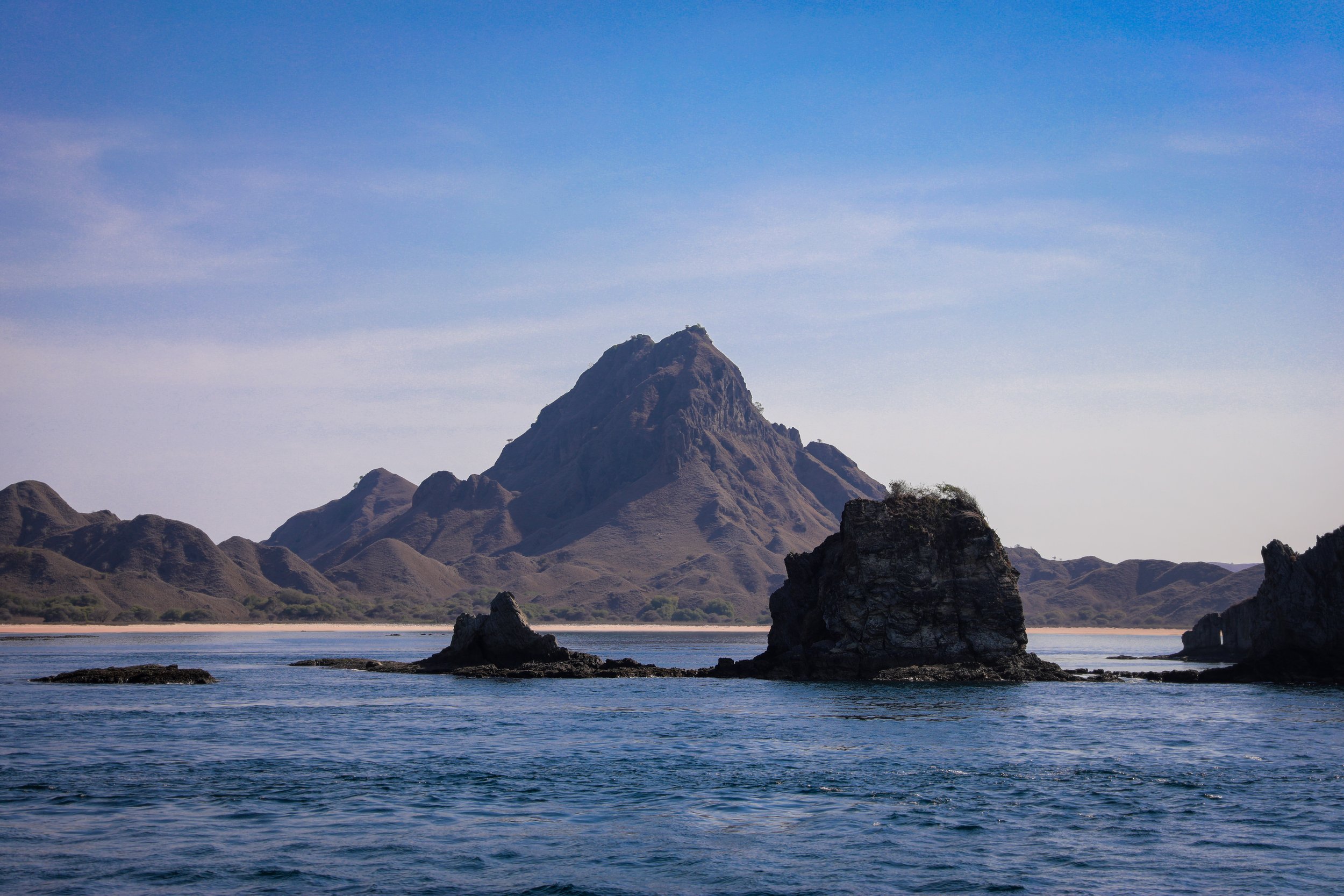
Island Paradise
Indonesia
Indonesia is one of Southeast Asia’s most diverse and captivating travel destinations, known for its lush jungles, volcanic landscapes, turquoise waters, and thousands of tropical islands stretching across the equator. From hiking active volcanoes like Mount Bromo and exploring the rice terraces of Bali to diving in Raja Ampat and sailing through Komodo National Park, Indonesia offers unforgettable adventures in every region. Visitors can relax on white-sand beaches, experience vibrant local cultures, and discover ancient temples such as Borobudur and Prambanan. Whether you’re planning an island-hopping journey, a volcano trek, or a surf escape, Indonesia travel is defined by dramatic natural beauty, rich traditions, and an incredible sense of scale and diversity.
Indonesian Rupiah
Jakarta
Asia
Tropical
LANGUAGE
CURRENCY
CONTINENT
CAPITAL

Travelling to Indonesia





Indonesian
CLIMATE
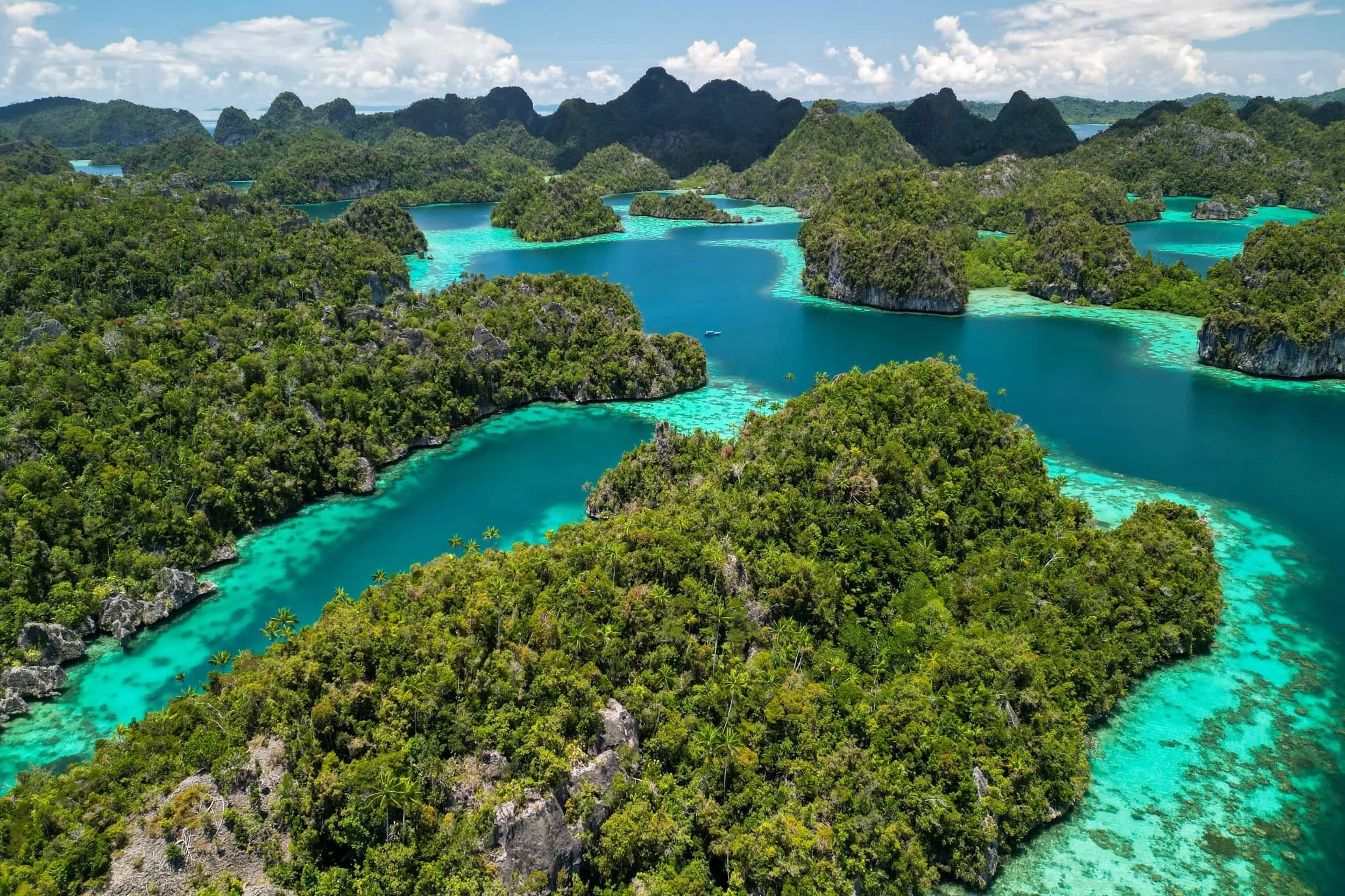
Raja Ampat Itinerary: Best 10-Day Island-Hopping Route
Plan the perfect 10-day Raja Ampat itinerary with this detailed first-time route through northern Raja Ampat and Misool. This day-by-day guide covers how to split your time between Kri, Piaynemo, Arborek, the Dampier Strait and Misool, with practical advice for scuba divers, snorkellers and island-hoppers wanting to experience Raja Ampat’s best viewpoints, reefs, lagoons, beaches and transfer routes.
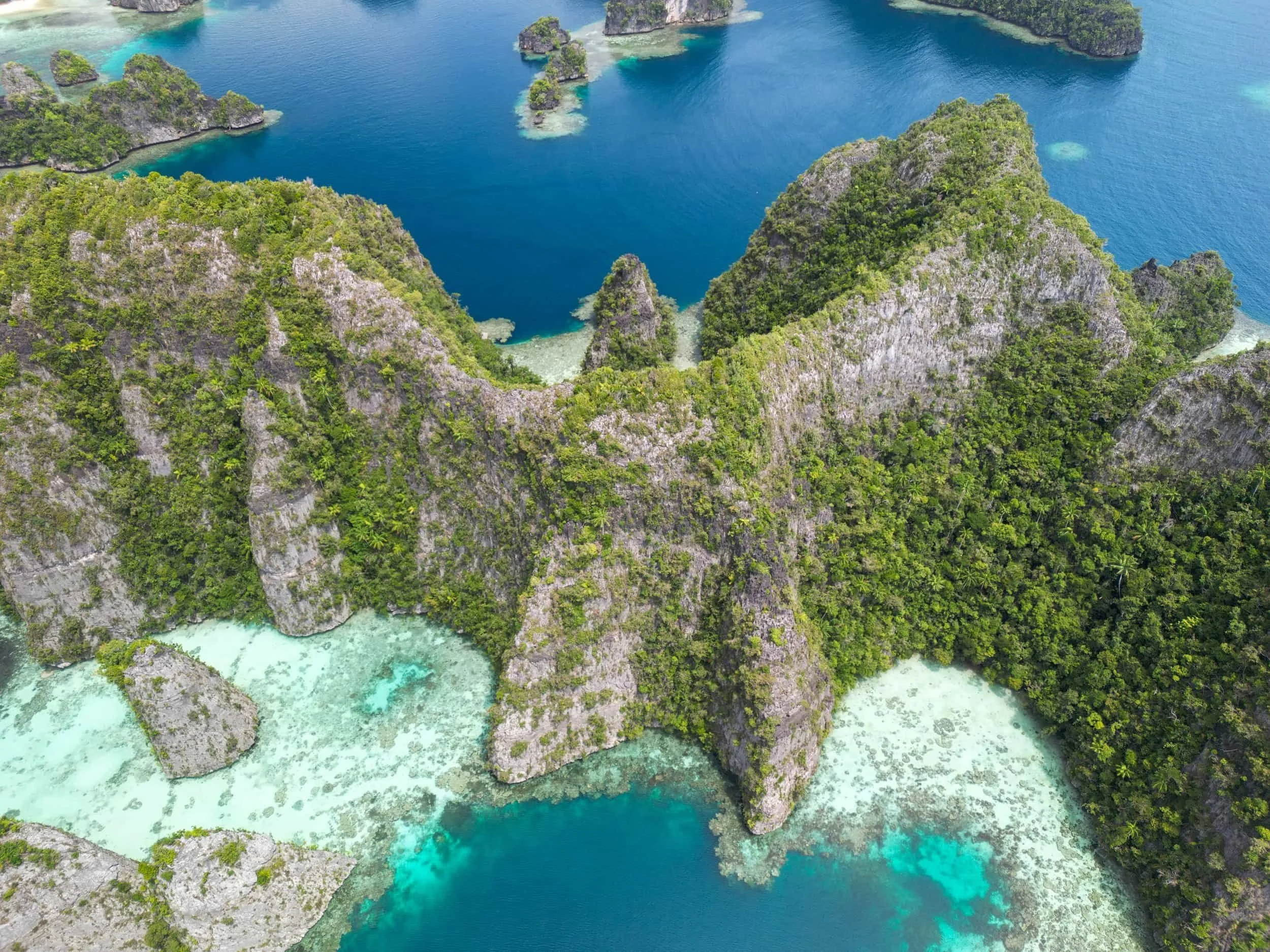
Is Misool Worth Visiting? Raja Ampat's Most Remote Paradise
Before visiting Raja Ampat, I found plenty of information about the well-trodden route through Kri, Gam, Mansuar, and the Dampier Strait. Misool, however, felt like a different story entirely. Reliable information was surprisingly difficult to find, accommodation options were rarely available on major booking platforms, and working out the ferry schedules and transport logistics often felt more complicated than planning the rest of the trip combined.
After spending five days exploring Misool, I wanted to answer the question I kept asking myself throughout the planning process: is Misool actually worth the extra time, money, and effort?
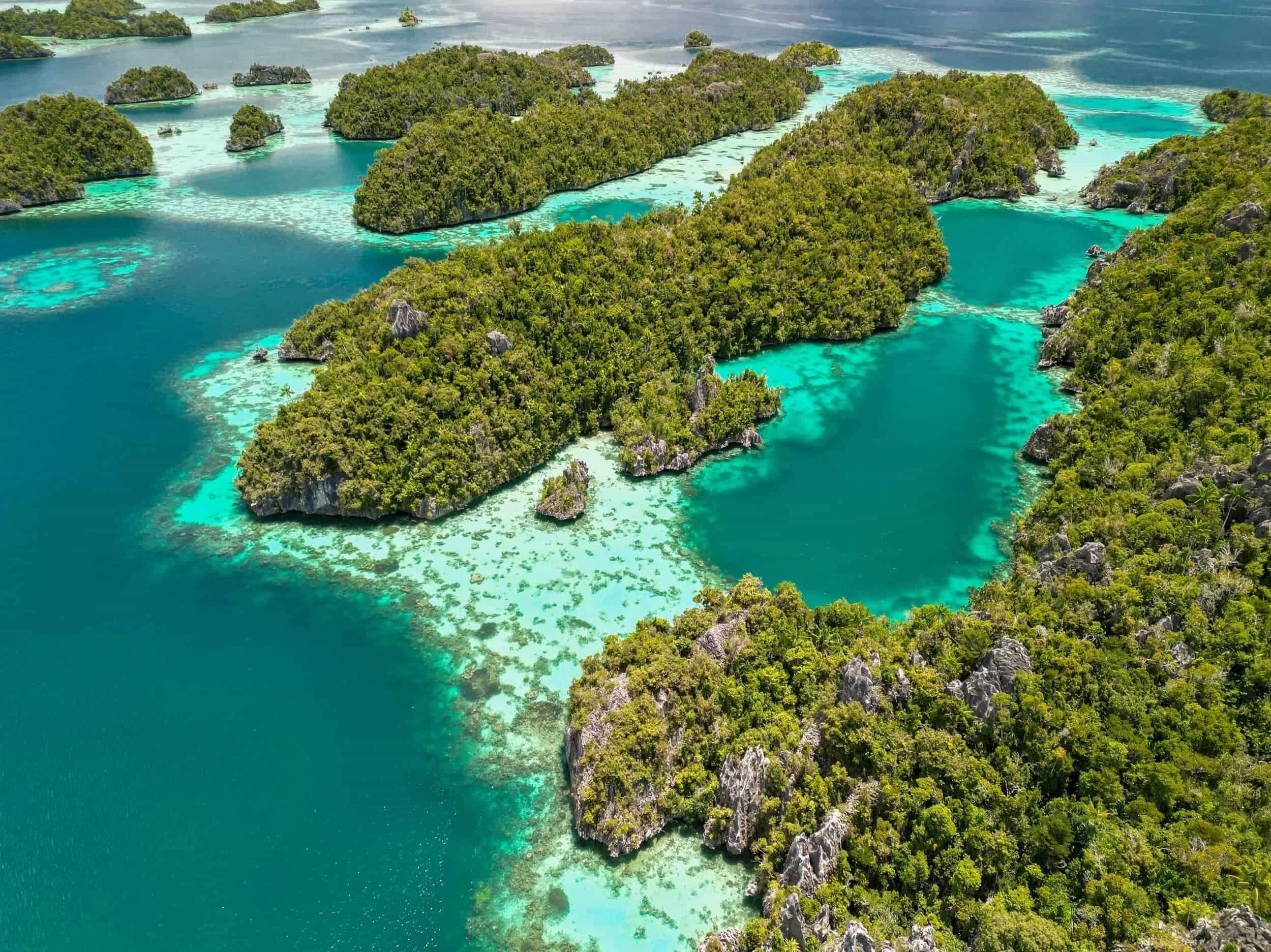
Islands of Raja Ampat, Indonesia: Complete Travel Guide
Raja Ampat is an archipelago of more than 1,500 islands in Southwest Papua, Indonesia, renowned for its spectacular limestone karsts, turquoise lagoons, pristine beaches, and some of the most biodiverse marine ecosystems on Earth. This travel guide covers everything you need to plan your visit, including how to get there, where to stay, the best islands to explore, top things to do, suggested itineraries, maps, and essential travel tips.
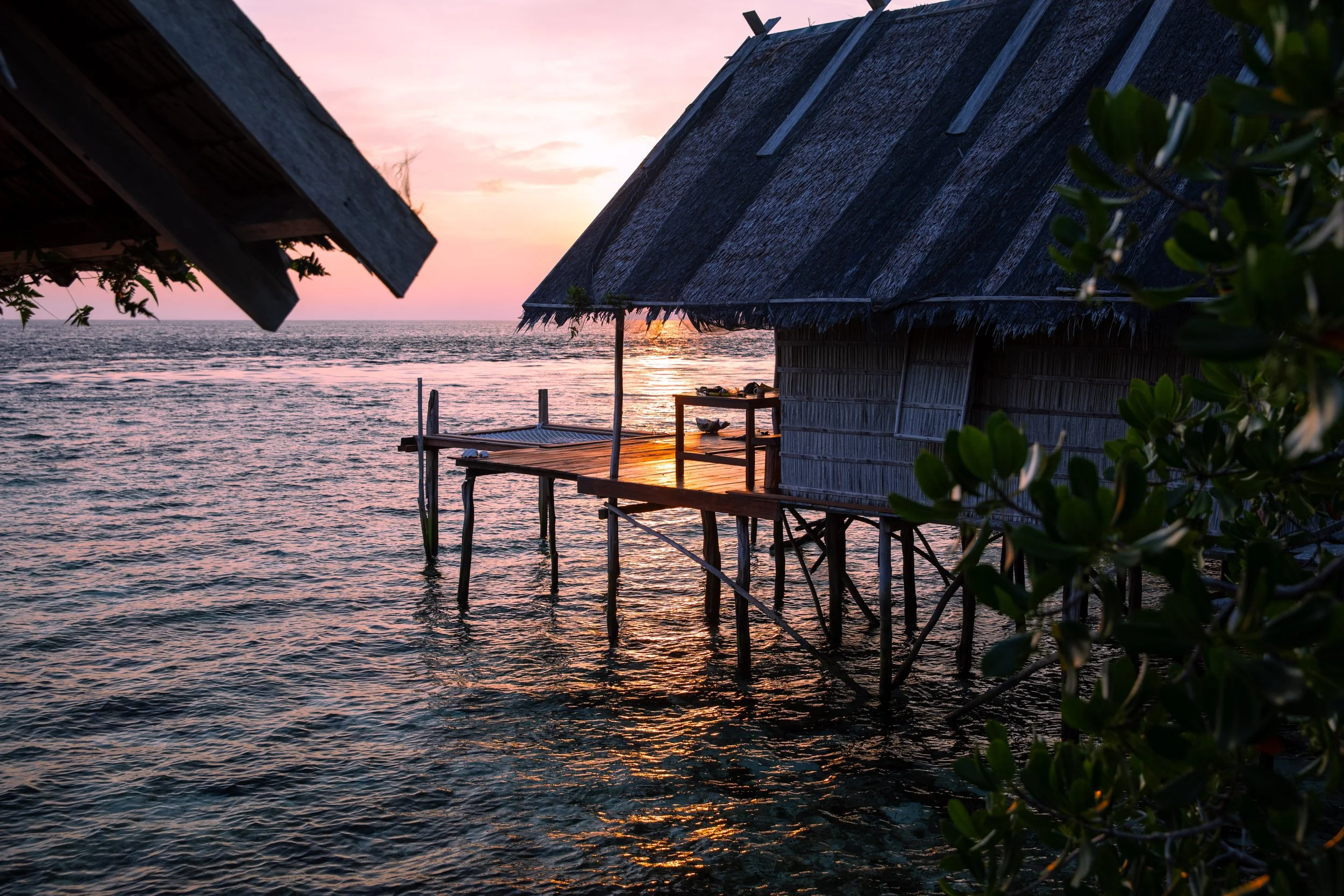
Guide to Staying at Methos Homestay Raja Ampat, Gam Island
Methos Homestay is a beachfront accommodation on Gam Island in Raja Ampat, offering easy access to nearby reefs, dive sites, and some of the region’s most biodiverse marine environments. This guide covers what it’s like staying at the homestay, including the accommodation, meals, facilities, snorkeling, diving, location, and how to get there.
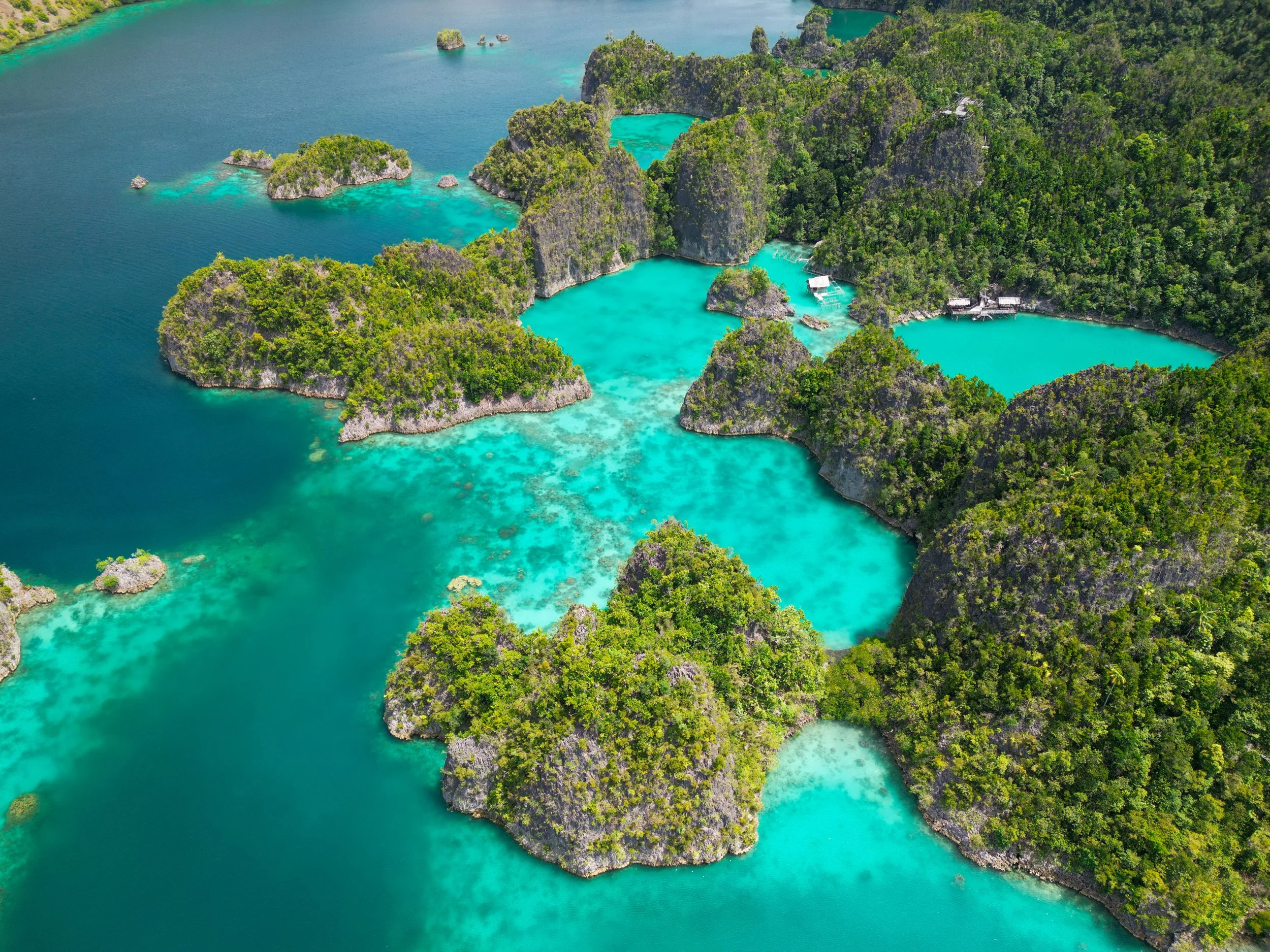
Piaynemo Raja Ampat: Indonesia’s Iconic Viewpoint
The Piaynemo Lookout is one of Raja Ampat’s most iconic viewpoints, located within the stunning Fam Islands chain in eastern Indonesia. Famous for its breathtaking panorama of limestone islands scattered across brilliant turquoise water, the viewpoint rewards visitors with sweeping views of untouched lagoons, hidden coves, and the raw natural beauty that makes Raja Ampat one of the country’s most unforgettable destinations. Surrounded by pristine reefs and remote tropical scenery, Piaynemo offers a truly unforgettable glimpse into the heart of Indonesia’s Raja Ampat archipelago.
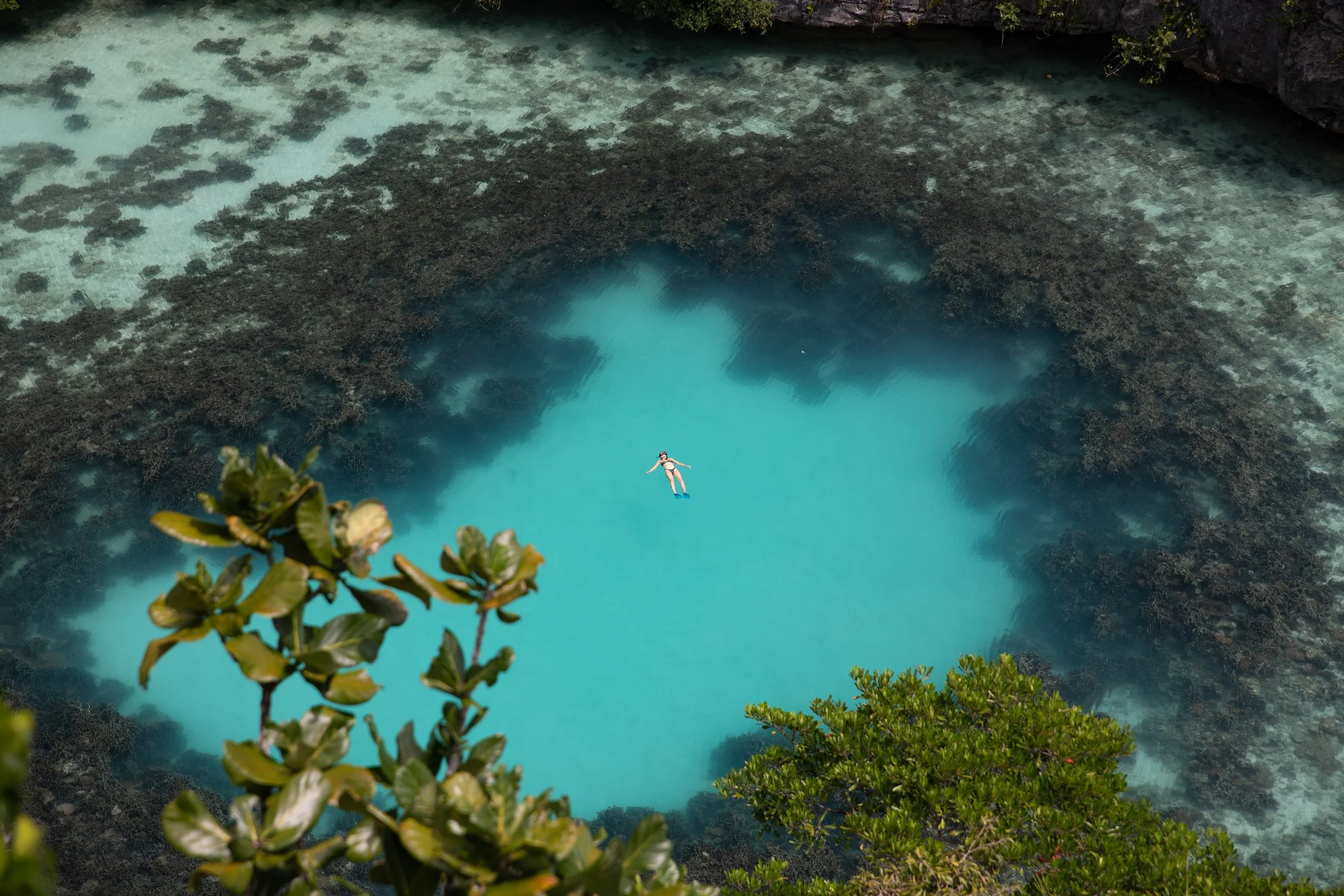
How to Get to Misool Raja Ampat, Indonesia: Complete Guide
Planning a trip to Misool Raja Ampat? This complete guide covers everything you need to know about getting to Misool, including flights to Sorong, ferries, private speedboats, liveaboards, travel costs, and useful tips for visiting one of Indonesia’s most remote island destinations.
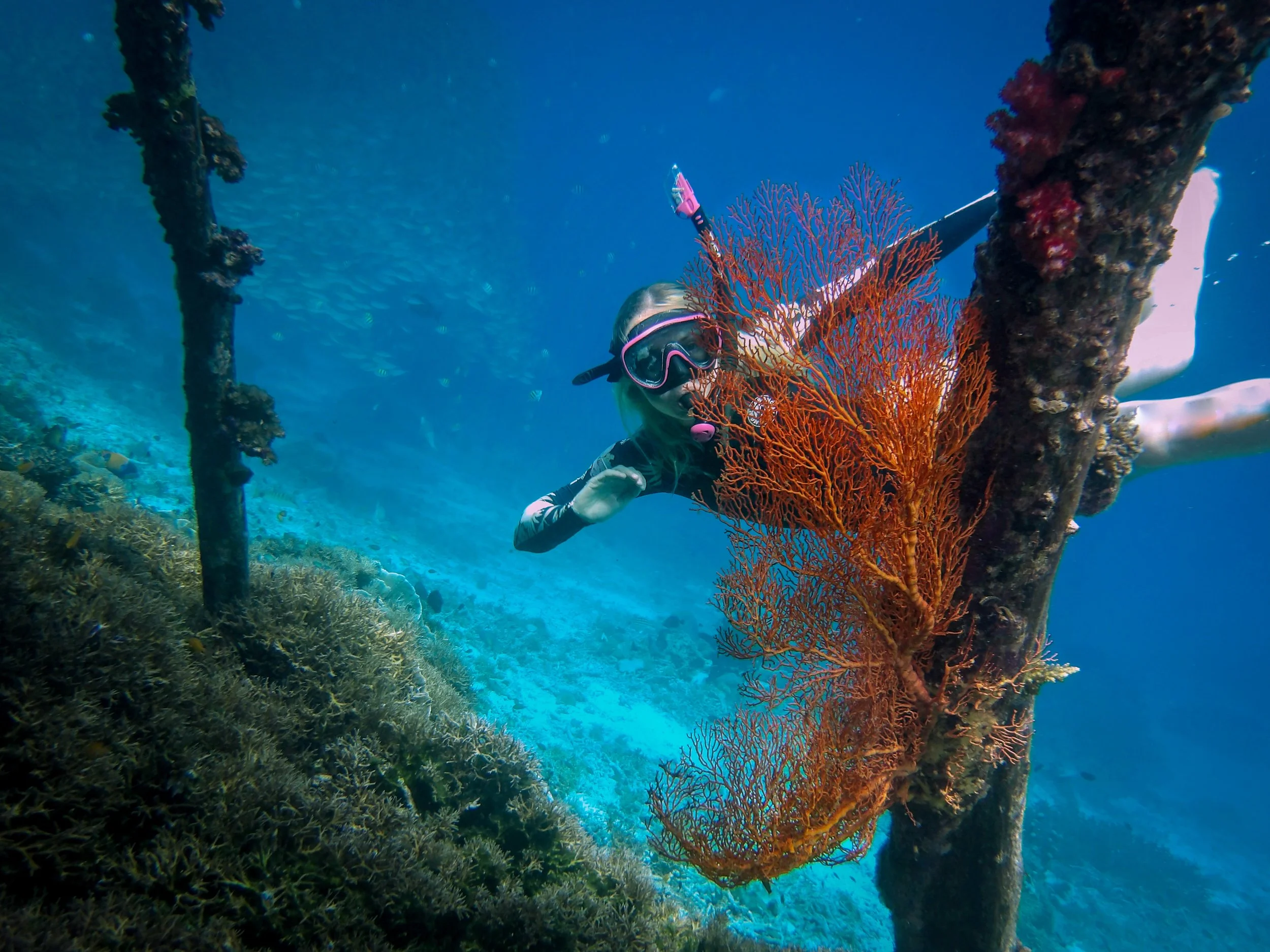
8 Best Things to Do in Misool Raja Ampat (2026 Guide)
From hidden lagoons and stunning viewpoints to wild dolphins, coral reefs, and white sand beaches, these are the absolute best things to do in Misool, Raja Ampat, one of Indonesia’s most remote and beautiful island destinations.
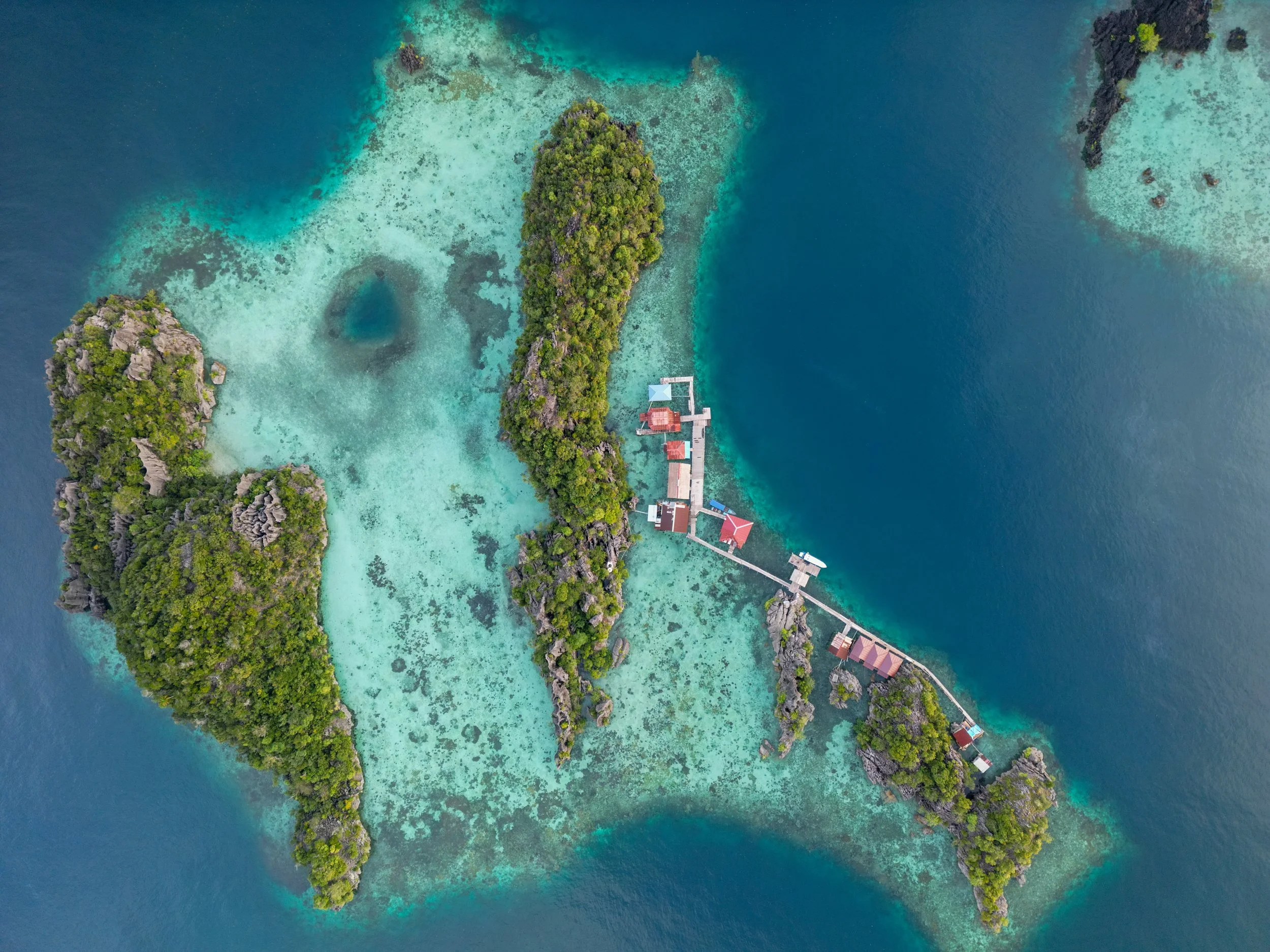
Guide to Staying at Yamnini Homestay in Misool, Raja Ampat
Yamnini Homestay offers a classic remote island experience in Misool, Raja Ampat, with simple overwater bungalows, crystal-clear water, coral reefs directly offshore, and easy access to some of the region’s best scenery and snorkeling. This guide covers what it’s like staying at the homestay, including the accommodation, food, location, marine life, and how to get there.
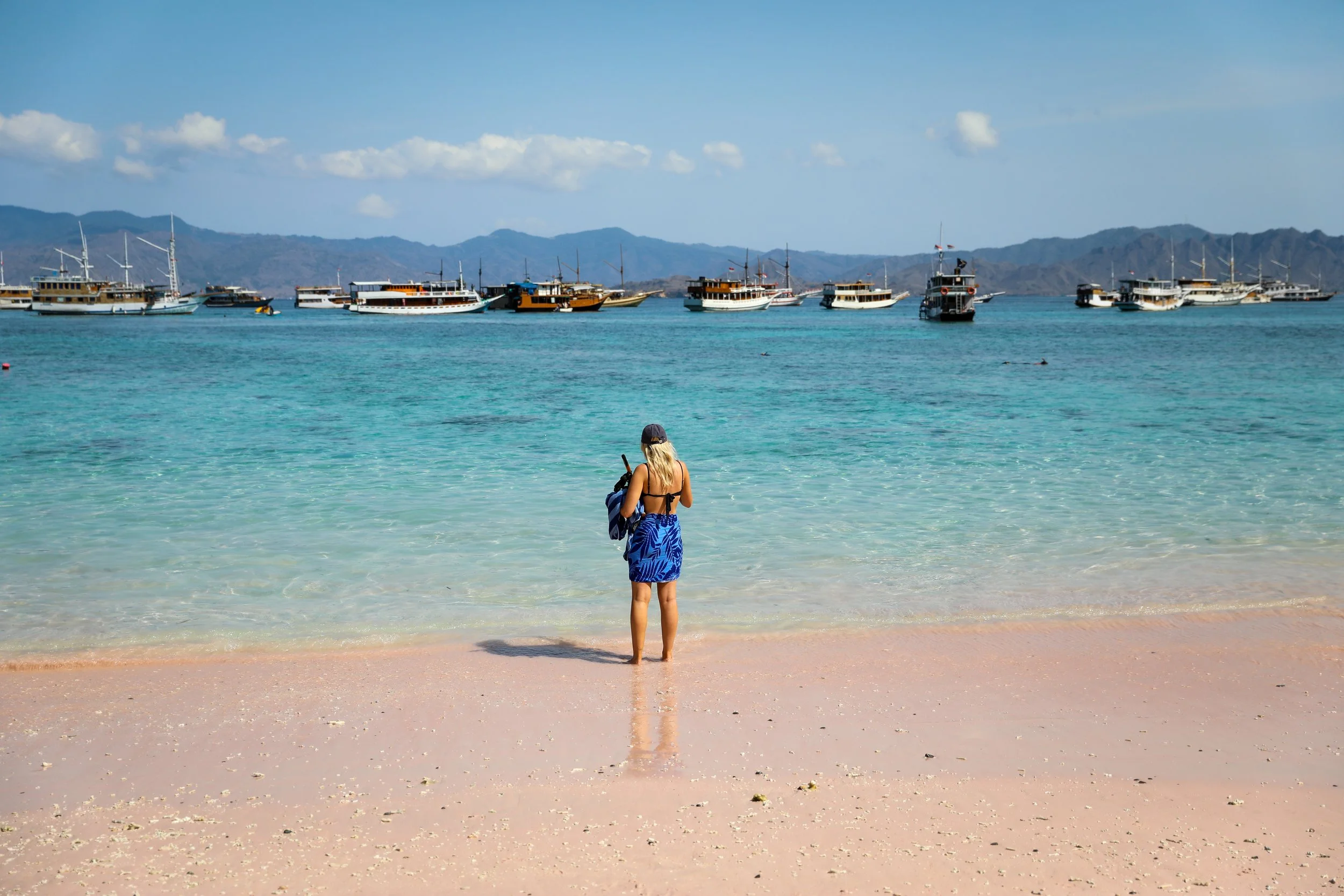
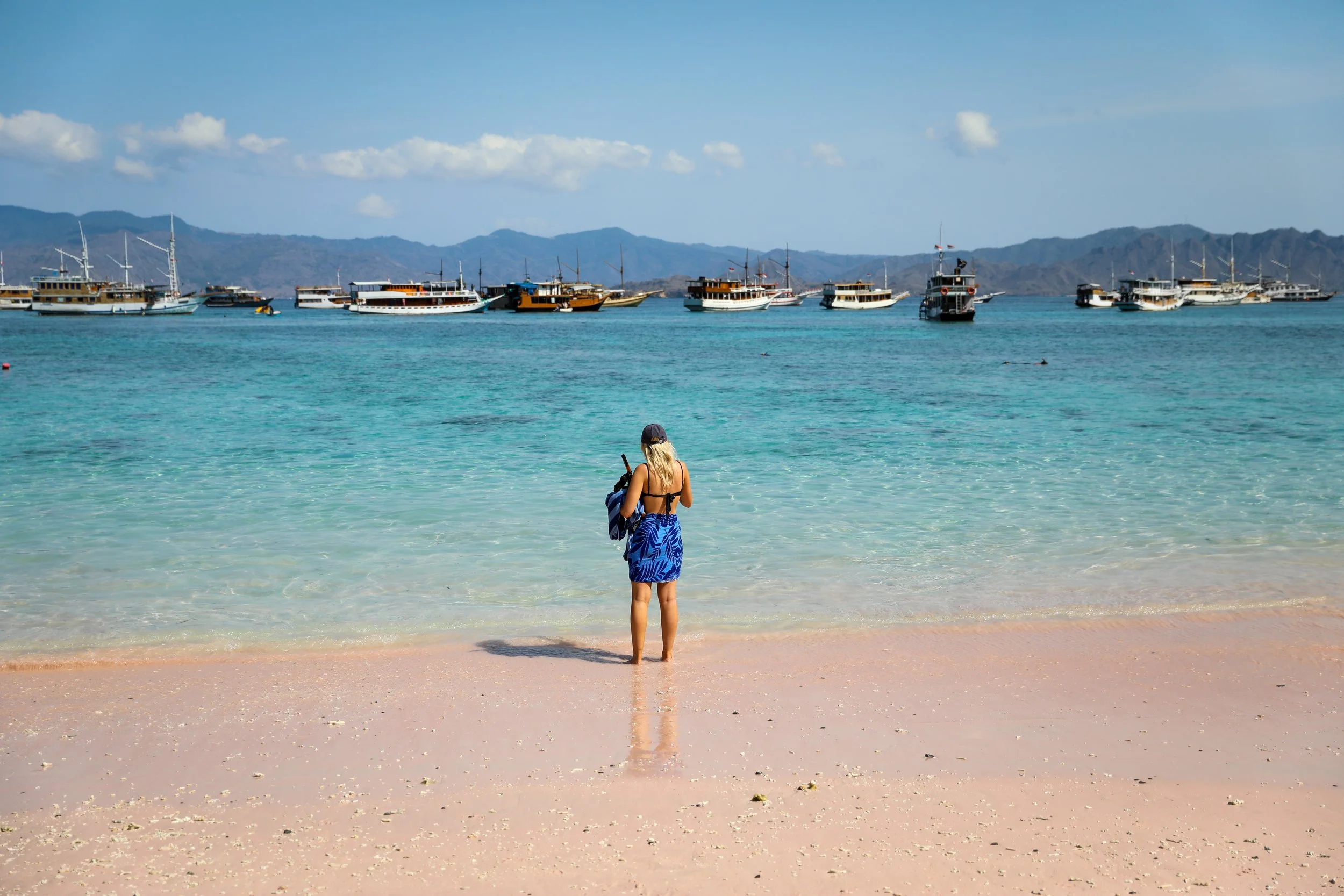
Guide to Visiting Pink Beach, Komodo Islands, Indonesia
Pink Beach on Padar Island in Komodo National Park, Indonesia, is a must-visit destination for beach lovers and adventure seekers alike. The unique pink-hued sand, created by a blend of white sand and crushed red coral, offers a striking contrast to the turquoise waters. Visitors can enjoy swimming, snorkeling among vibrant coral reefs, or simply relaxing on the shore
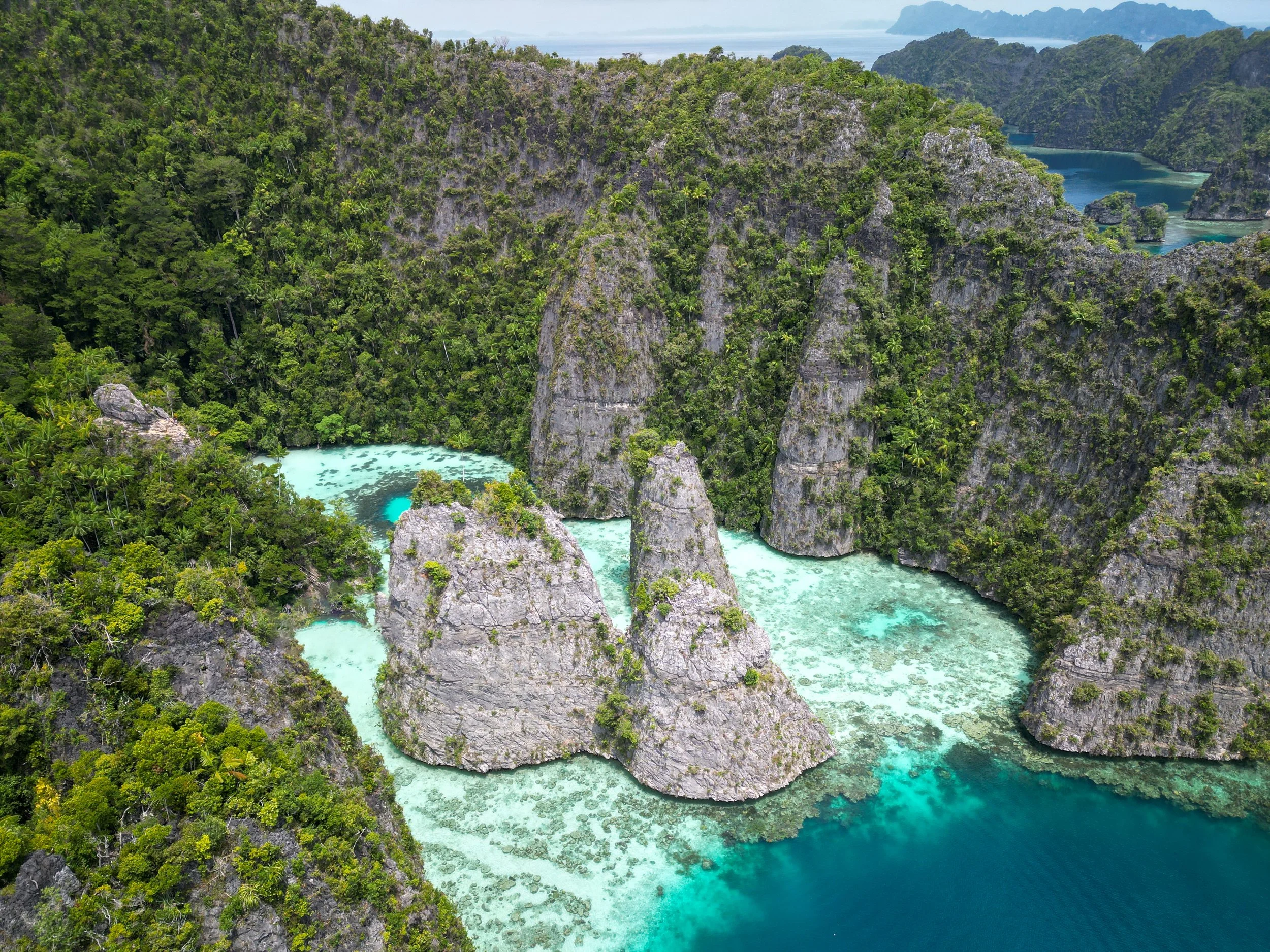
Misool Travel Guide, Raja Ampat, Indonesia
Misool is one of the most remote and visually striking regions of Raja Ampat, Indonesia, known for its limestone karst islands, turquoise lagoons, and world-class reefs. This travel guide covers everything you need to plan your visit, including how to get there, where to stay, the best things to do, suggested itineraries, maps, and essential tips for exploring the area.
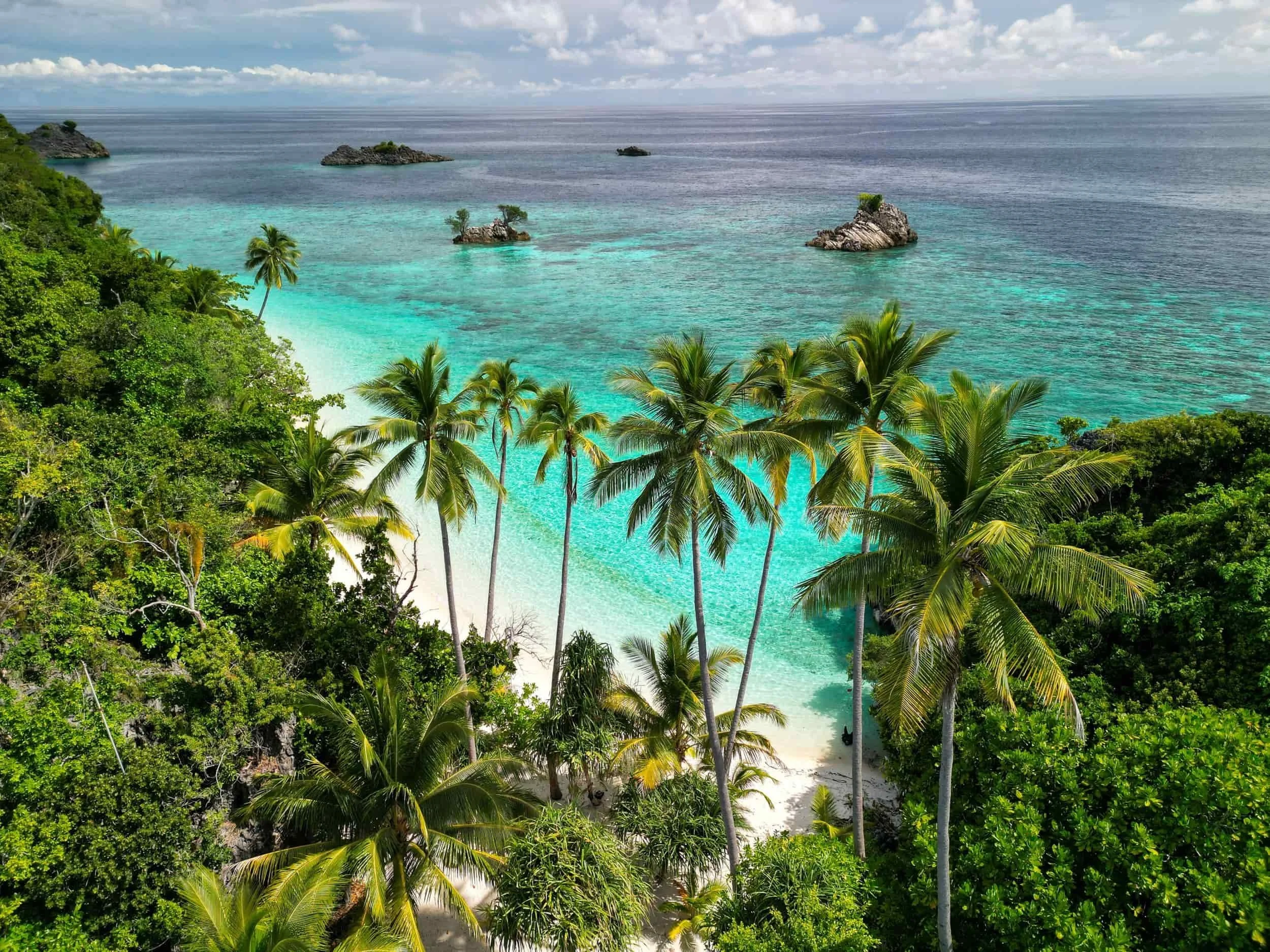
Guide to Visiting Kalig Beach, Misool, Raja Ampat, Indonesia
Kalig Beach is one of Misool’s most striking coastal spots, located in the remote reaches of Raja Ampat, Indonesia. Known for its soft white sand and vivid turquoise water, the beach is framed by towering limestone karst formations that rise sharply from the shoreline. Accessible only by boat, Kalig Beach offers a peaceful, untouched setting where crystal-clear water laps gently against the sand, and nearby reefs provide excellent snorkeling.
Dafalen Peak Heart-Shaped Lagoon Hike, Misool, Raja Ampat
Dafalen Peak is one of Misool’s most iconic viewpoints, located in the remote southern reaches of Raja Ampat, Indonesia. Overlooking a naturally formed heart-shaped lagoon, the viewpoint sits atop a limestone karst hill with wide views across turquoise waters and scattered island formations. Reached via a short but steep climb, the summit offers a clear, elevated perspective of Misool’s intricate lagoon system, and remains a quieter alternative to some of the region’s more visited viewpoints.
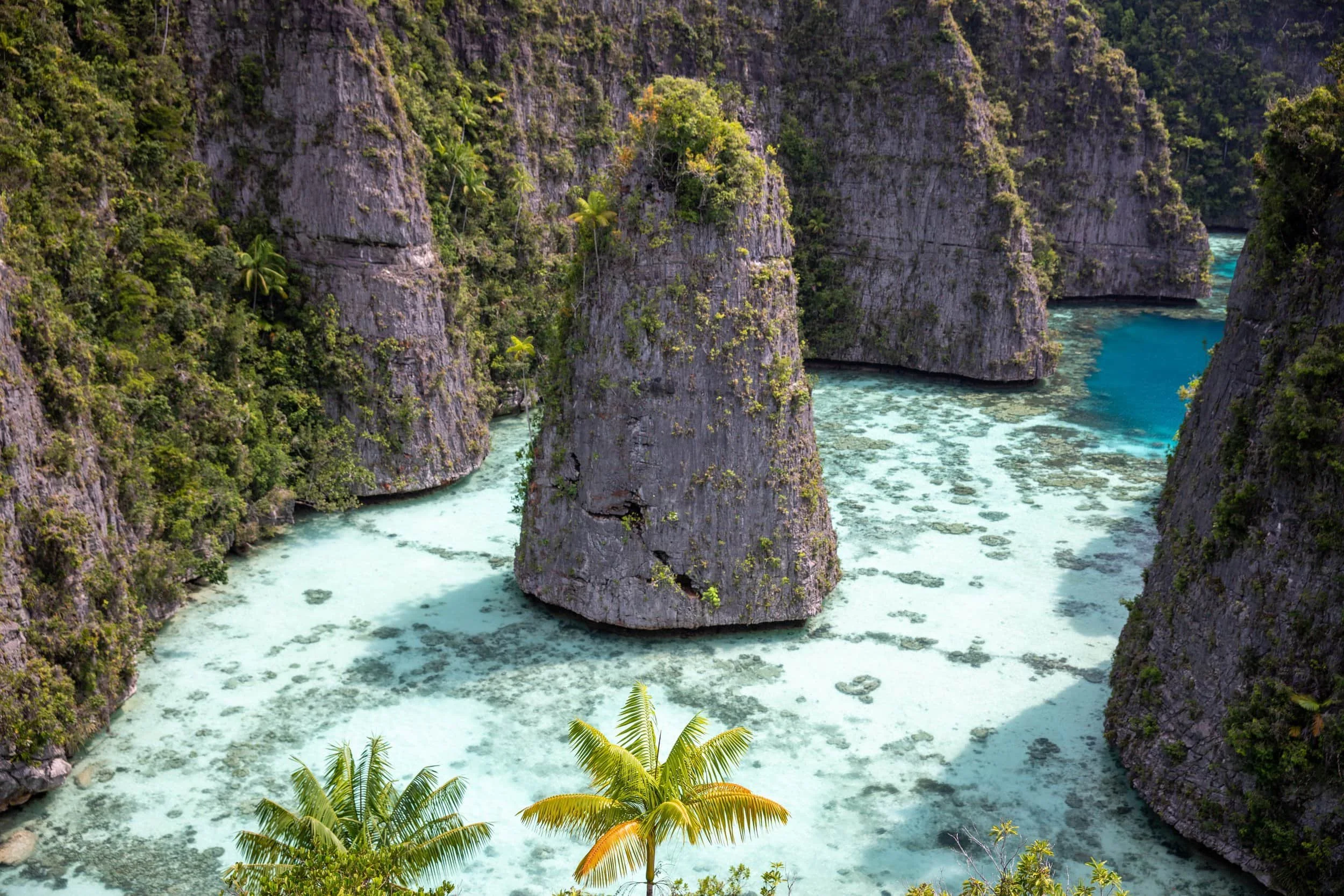
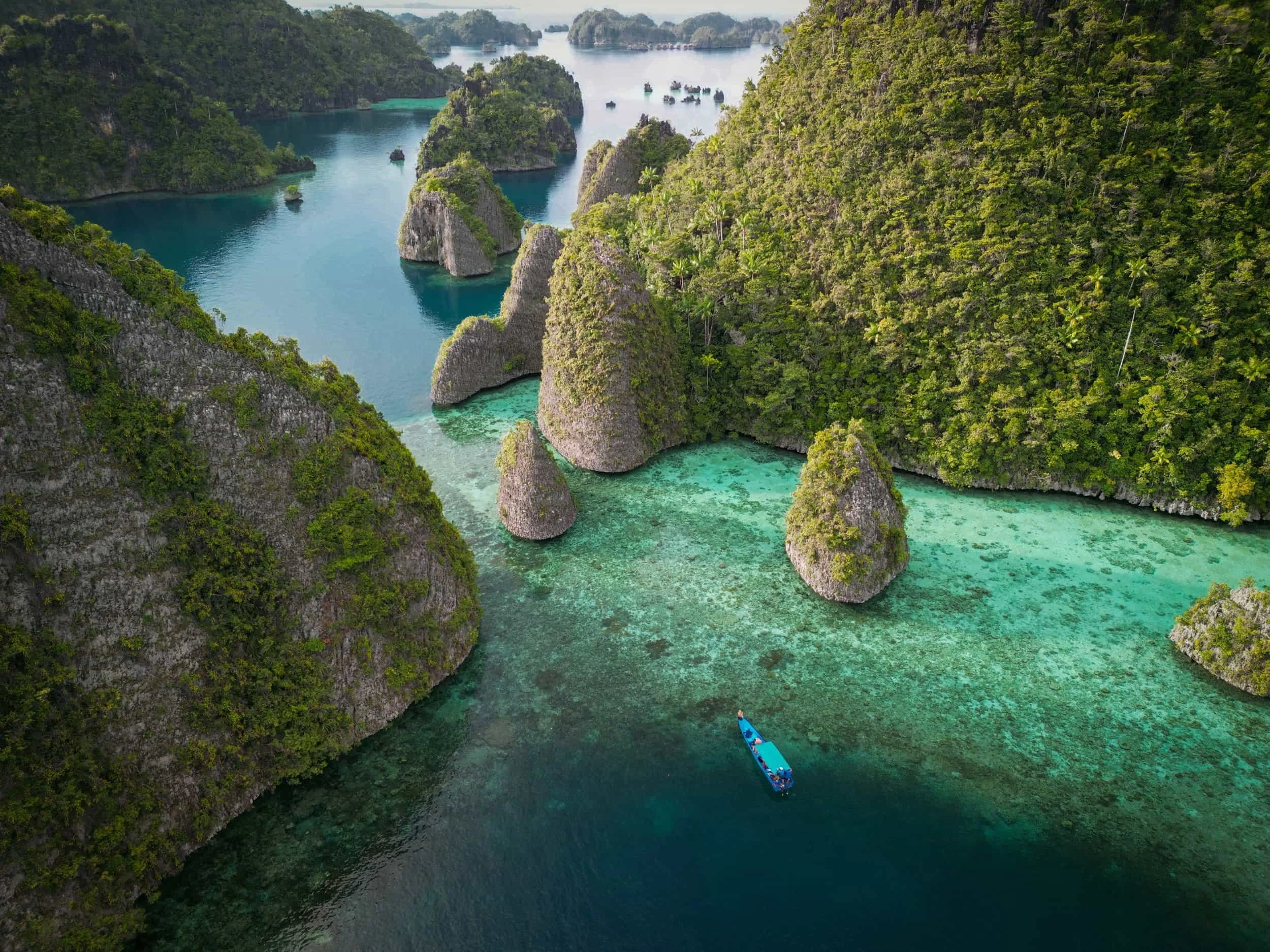
Balbulol Lagoon Viewpoint, Misool, Raja Ampat
Balbulol Lagoon is one of Indonesia’s most breathtaking hidden gems, tucked within the remote Misool region of Raja Ampat. Surrounded by towering limestone karst islands and filled with impossibly clear turquoise water, the lagoon feels almost completely untouched. With vibrant coral reefs just beyond its edges and a profound sense of seclusion, Balbulol Lagoon perfectly captures the raw, pristine beauty of Indonesia’s Raja Ampat archipelago.
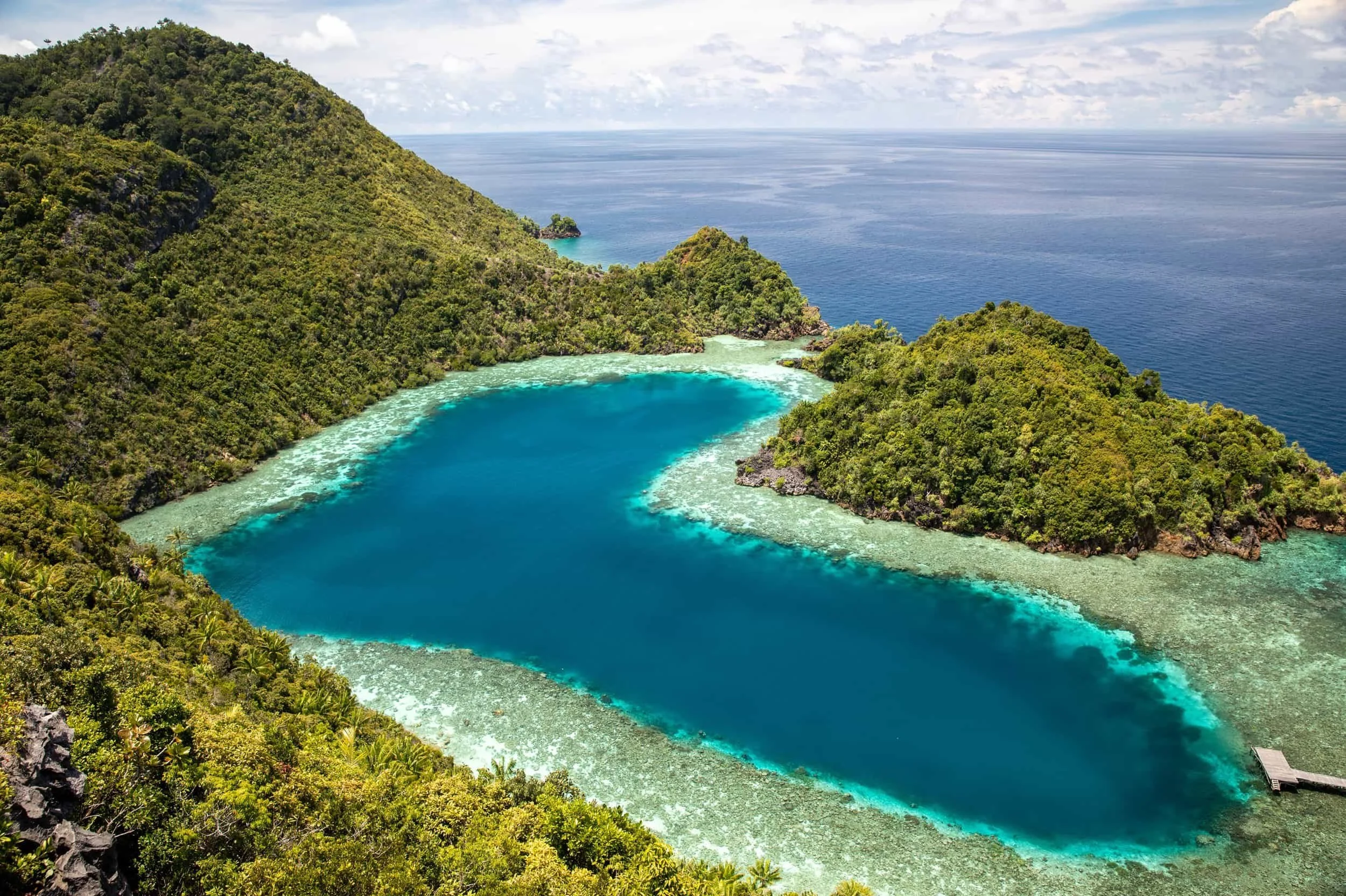
Karawapop Love Lagoon Hike, Misool, Raja Ampat
Karawapop Love Lagoon is a well-known viewpoint in Misool, Raja Ampat, where a naturally formed, heart-shaped lagoon sits enclosed by steep limestone ridges. The lake’s dark blue water contrasts with the pale rock and surrounding vegetation, creating a distinctive landscape that’s best appreciated from above. Reaching the viewpoint involves a boat ride through Misool’s island network followed by a short, steep climb. Despite its popularity, the area remains relatively quiet due to its remote location, offering a clear view of one of Indonesia’s more unusual geological formations.
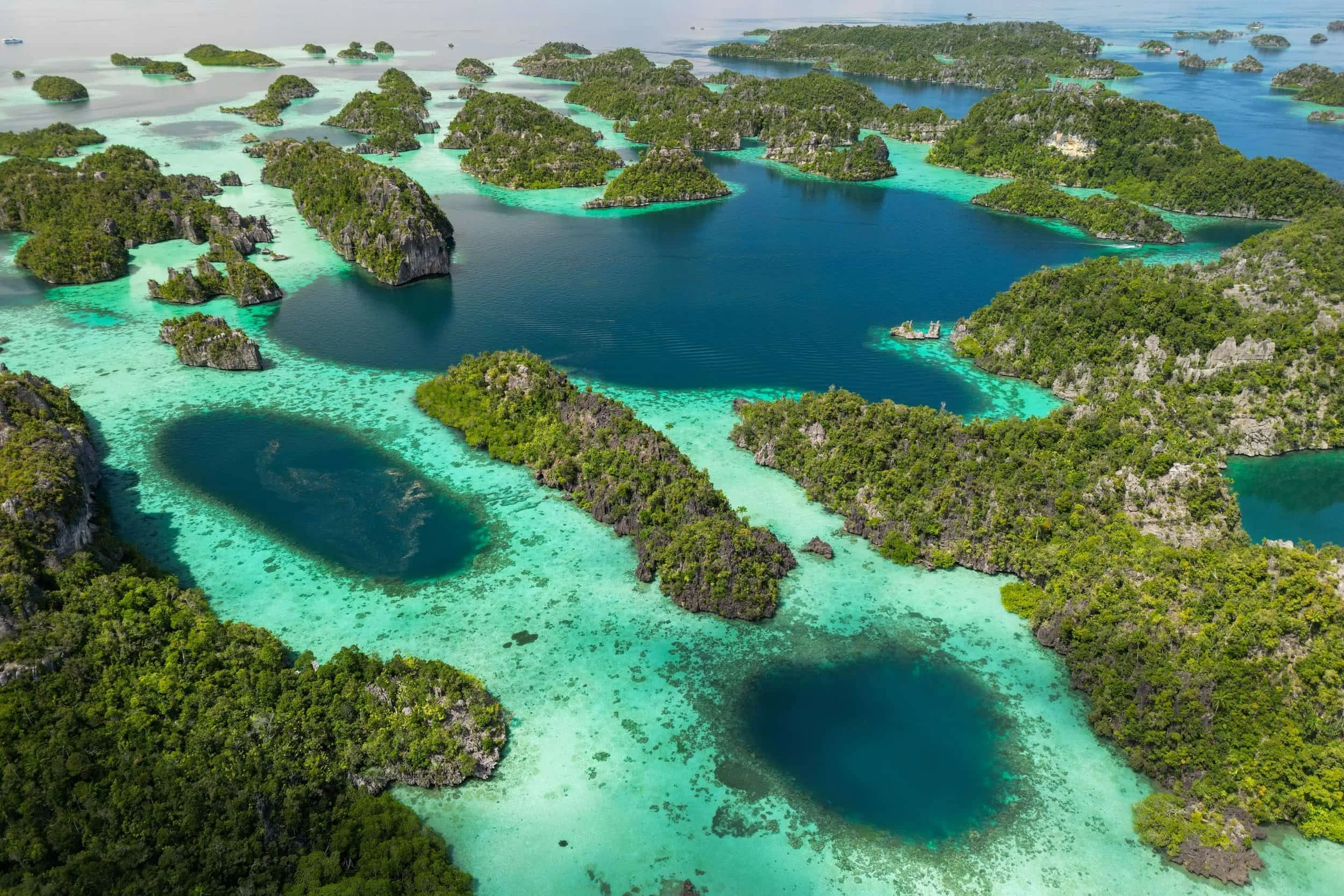
Harfat Jaya Peak Hike, Dapunlol Island, Misool, Raja Ampat
Harfat Jaya Peak, located on Dapunol Island in Misool, is one of Raja Ampat’s most impressive viewpoints, overlooking a maze of limestone karst islands set within shallow turquoise lagoons and deeper blue channels. From the top, reef patterns and shifting water tones create a layered, highly detailed seascape. Access involves a boat journey followed by a short, steep hike. Its remote setting keeps it relatively quiet, offering a clear, uninterrupted view across one of the region’s most visually complex coastal landscapes.
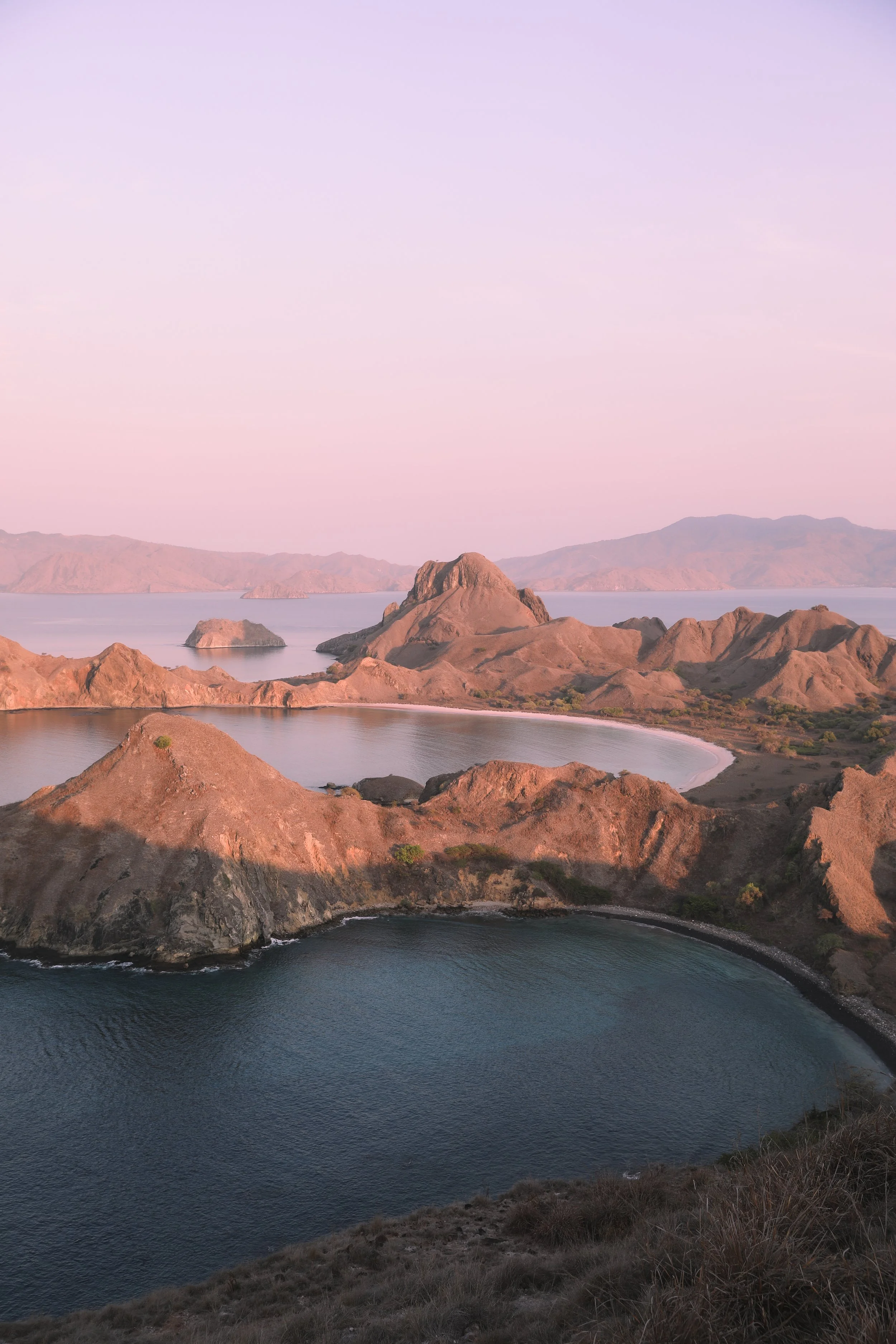
Guide to Hiking the Padar Island Viewpoint, Komodo, Indonesia
The hike up to Padar Island Viewpoint offers an awe-inspiring vista of three distinct beaches, white, black, and pink, curving along the coastline. The contrasting sands against the turquoise waters, along with the rugged green hills rising from the ocean, create a dramatic landscape.

Komodo Islands 3 Days 2 Nights Cruise Itinerary and Map, Indonesia
Embark on a 3-day, 2-night Komodo Islands cruise and explore stunning destinations. Start by visiting Kelor Island for a swim and snorkel, then sail to Manjarite Beach for underwater adventures. At sunset, witness the breathtaking Kalong Island flying fox exodus. The next day, hike Padar Island at dawn for panoramic views, then relax at Pink Beach. Visit Komodo Island to spot the iconic Komodo dragons, and snorkel at Manta Point. Finish the journey at Kanawa Island, soaking in crystal-clear waters and vibrant marine life. Ideal for adventure seekers!

Komodo Islands Sunset Cruise from Labuan Bajo, Manjarite Beach and Kalong Island
A beautiful sunset cruise in the Komodo Islands with a quick stopover at Manjarite Beach for some underwater adventures. At sunset, witness the breathtaking Kalong Island flying fox exodus where thousands of fruit bats depart the island in search for food. A truly unique experience!
Frequently Asked Questions
Everything You Want to Know
-
Yes, Indonesia is absolutely worth visiting for its incredible diversity of landscapes and cultures.
With over 17,000 islands, Indonesia offers everything from tropical beaches and volcanic mountains to ancient temples and world-class diving sites. Travellers can hike active volcanoes like Mount Bromo, explore the rice terraces of Bali, or sail through Komodo National Park. Indonesia travel combines adventure, culture, and natural beauty in a way few countries can match.
-
Most travellers need at least 10–14 days to explore Indonesia properly. Given the country’s vast geography and the distances between islands, focusing on one or two regions is often best. A shorter trip can concentrate on Bali or Komodo, but if you’re planning to visit Raja Ampat, allowing at least 10 days for that region alone is recommended due to its remote location and limited transport connections. Indonesia travel rewards slower itineraries, particularly when exploring its more isolated and adventure-focused destinations.
-
Many travellers can enter Indonesia visa-free or obtain a visa on arrival. Citizens from numerous countries can receive a 30-day visa on arrival, which may be extendable. Visa rules can change, so it’s important to check official Indonesian immigration sources before travelling. Indonesia travel policies are generally straightforward for tourism purposes.
-
Indonesia has a tropical climate with warm temperatures year-round. Most regions experience a dry season and a rainy season, with average temperatures between 25–32°C (77–90°F). Coastal areas are humid, while higher-altitude regions such as Mount Bromo and parts of Bali are cooler. Weather in Indonesia can vary by island, so checking local forecasts is recommended.
-
Yes, Indonesia is generally safe for tourists when normal travel precautions are followed. Popular destinations such as Bali, Lombok, and Komodo are well-developed for visitors, but travellers should remain aware of petty crime, drink spiking in nightlife areas, and traffic accidents, which are among the most common risks. Road safety standards can vary, particularly when renting scooters. Natural hazards such as strong ocean currents and active volcanoes also require caution. Overall, Indonesia travel is considered safe for solo travellers, couples, and families who stay informed and exercise common sense.
-
No, tap water in Indonesia is not considered safe to drink. Travellers should use bottled or filtered water for drinking and brushing teeth. Most hotels and guesthouses provide bottled water for guests. While Indonesia travel infrastructure is well-developed in tourist areas, safe drinking water practices are essential throughout the country.
-
The best time to visit Indonesia is during the dry season from May to September.
This period offers sunnier skies, lower humidity, and better conditions for island hopping, volcano hiking, and beach travel. Regions like Bali, Lombok, and Komodo are especially popular during these months. While Indonesia can be visited year-round, the rainy season (October to April) brings heavier tropical showers, particularly in coastal areas.
-
No, Indonesia is generally considered affordable compared to many Western destinations.
Accommodation, food, and transportation can be very budget-friendly, especially outside luxury resorts. While destinations like Bali have upscale options, Indonesia travel can suit backpackers and mid-range travellers comfortably. Activities such as volcano hikes and island tours may increase costs, but overall Indonesia remains accessible for most budgets.
-
Some of the best islands to visit in Indonesia for adventure travellers are Nusa Penida, Komodo, and Raja Ampat. Nusa Penida offers dramatic cliff views and rugged coastal landscapes just off Bali, while Komodo National Park is famous for its pink beaches, remote islands, and the iconic Komodo dragons. Raja Ampat is widely considered one of the world’s best diving destinations, with pristine reefs and untouched marine biodiversity. While Bali remains popular for relaxation and culture, Indonesia travel is truly defined by its wilder, less-commercialised islands and off-the-grid experiences.
-
Bali is one of the most popular places to visit in Indonesia, but it is not necessarily the best destination for travellers seeking raw nature and adventure. While Bali offers beautiful beaches, temples, and well-developed tourism infrastructure, regions like Komodo and Raja Ampat provide far more remote and authentic experiences. Komodo National Park is known for its dramatic island landscapes, wildlife encounters, and world-class snorkeling, while Raja Ampat is considered one of the best diving destinations on Earth. I would personally use Bali as a convenient gateway to reach these wilder parts of Indonesia rather than treating it as the final destination.
-
Yes, Komodo Island is absolutely worth visiting for its extraordinary wildlife and world-class marine experiences. Part of Komodo National Park, the region is famous not only for the Komodo dragons but also for some of the best snorkeling and diving in Indonesia, with vibrant coral reefs, manta rays, and thriving marine life. Beyond the water, visitors can hike to dramatic viewpoints like Padar Island, relax on rare pink-sand beaches, and explore remote, untouched islands. For wildlife spotting, island-hopping, and raw natural beauty, Komodo is one of the most unforgettable destinations in Indonesia travel.