
7 Best Things to Do in Namibia for First-Time Visitors
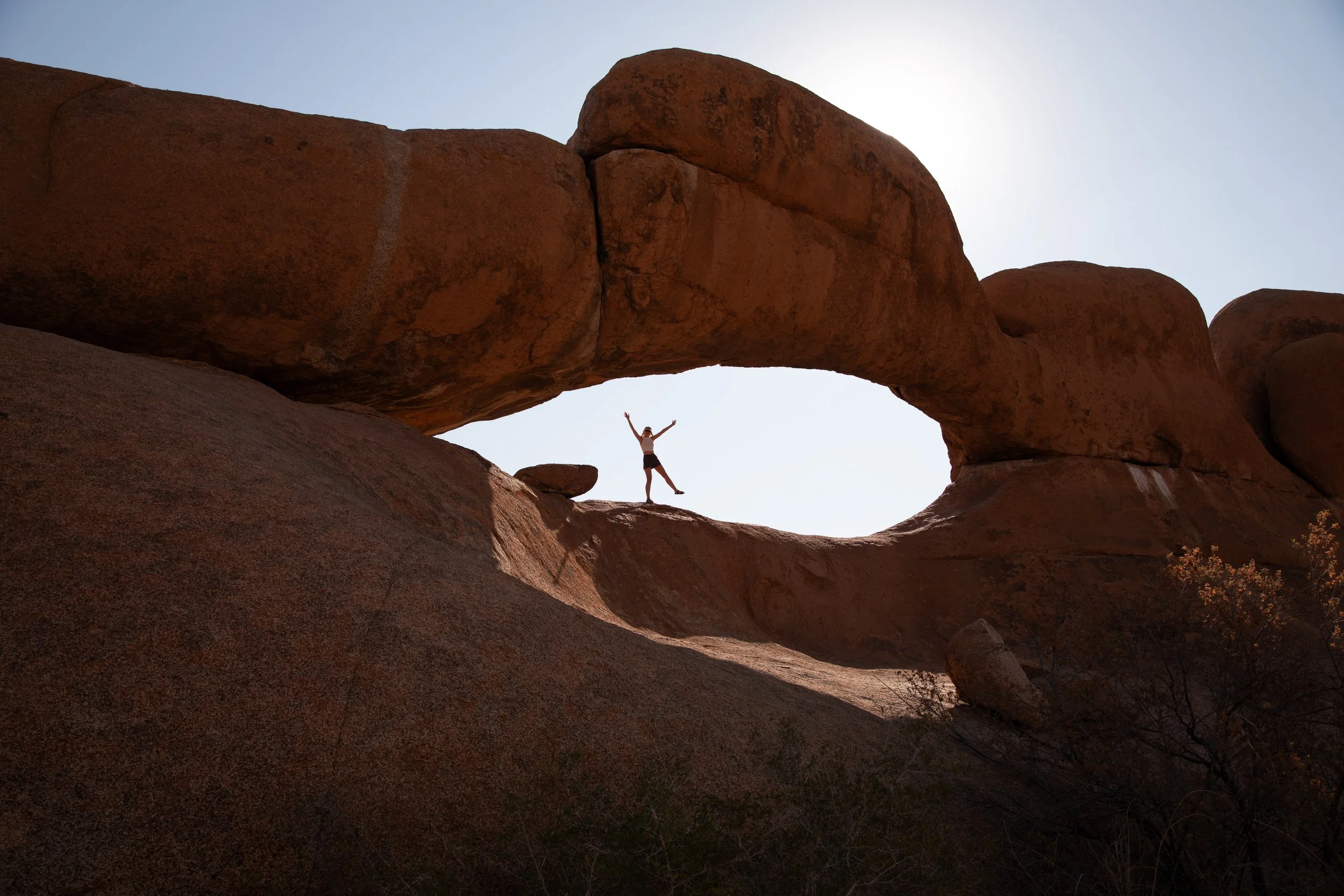
Planning a Namibia road trip? These are my seven best things to do in Namibia for first-time visitors. To be honest, many are the iconic places you will have seen in Instagram vireels and travel guides, but they are popular for a reason.
From walking among the ancient trees of Deadvlei and hiking Big Daddy at sunrise to self-driving through Etosha National Park, camping beneath Spitzkoppe’s granite peaks and exploring Sandwich Harbour, these experiences showcase what makes Namibia so special.
Based on my own 4×4 adventure, I have included the places I enjoyed most, along with what each experience is actually like and why I think it deserves a place on your itinerary. If you are visiting Namibia for the first time, this guide should help you decide what to prioritise.
Best Things to Do in Namibia Overview
1. Walk Among the Ancient Trees of Deadvlei
2. Camp Beneath the Granite Giants of Spitzkoppe
3. Discover the Rugged Wilderness of Damaraland
4. Take a 4x4 Adventure to Sandwhich Harbour
5. Experience the Freedom of a Namibia Road Trip
6. Visit Etosha on a Self-Drive Safari
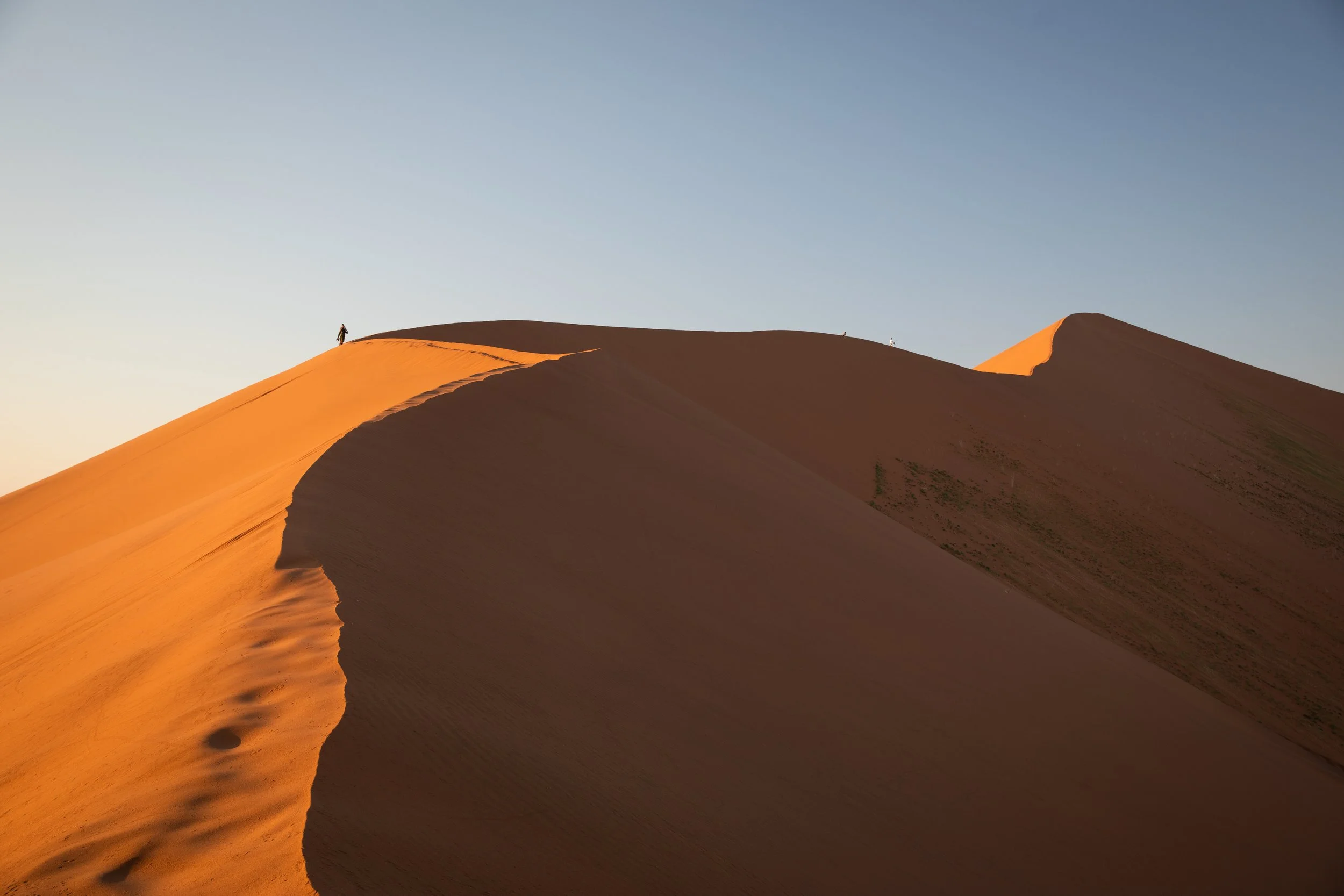
7. Hike Big Daddy Dune at Sunrise
Why You Should Visit Namibia
Namibia offers a very different type of African travel experience. Rather than being centred around one particular activity, a visit combines remote road trips, outdoor adventure, wildlife, camping and some of the most unusual landscapes on the continent.
The country feels spacious and uncrowded, with long stretches of open road and a real sense of escape from busy cities and highly structured tours. That remoteness does mean you need to plan carefully, but it also gives Namibia much of its character. Travelling independently, managing your own route and camping beneath the stars can make the journey feel just as memorable as the destinations themselves.
Namibia is particularly rewarding for travellers who enjoy photography, nature and exploring at their own pace. It may not offer the highest concentration of wildlife in Africa, but it provides an incredible variety of experiences within one trip, from desert and mountains to national parks and rugged coastline.
If you are still deciding whether Namibia is the right African destination for you, I have shared a more detailed and personal look at the positives, drawbacks and realities of travelling there in my Guide to Whether Namibia is Worth Visiting
Map of the Best Things to Do in Namibia
Use this map to find the best things to do in Namibia, including the country’s main desert landscapes, wildlife destinations, mountain scenery and coastal attractions. It also shows where each experience is located, which can help you understand the distances involved when planning your itinerary.
Because Namibia is so large, mapping out your route is essential. The locations are spread across the country, and some journeys between attractions involve long hours on gravel roads. Use the map alongside your itinerary to decide which experiences can be combined and how much time you need between each destination.
Walk Among the Ancient Trees of Deadvlei
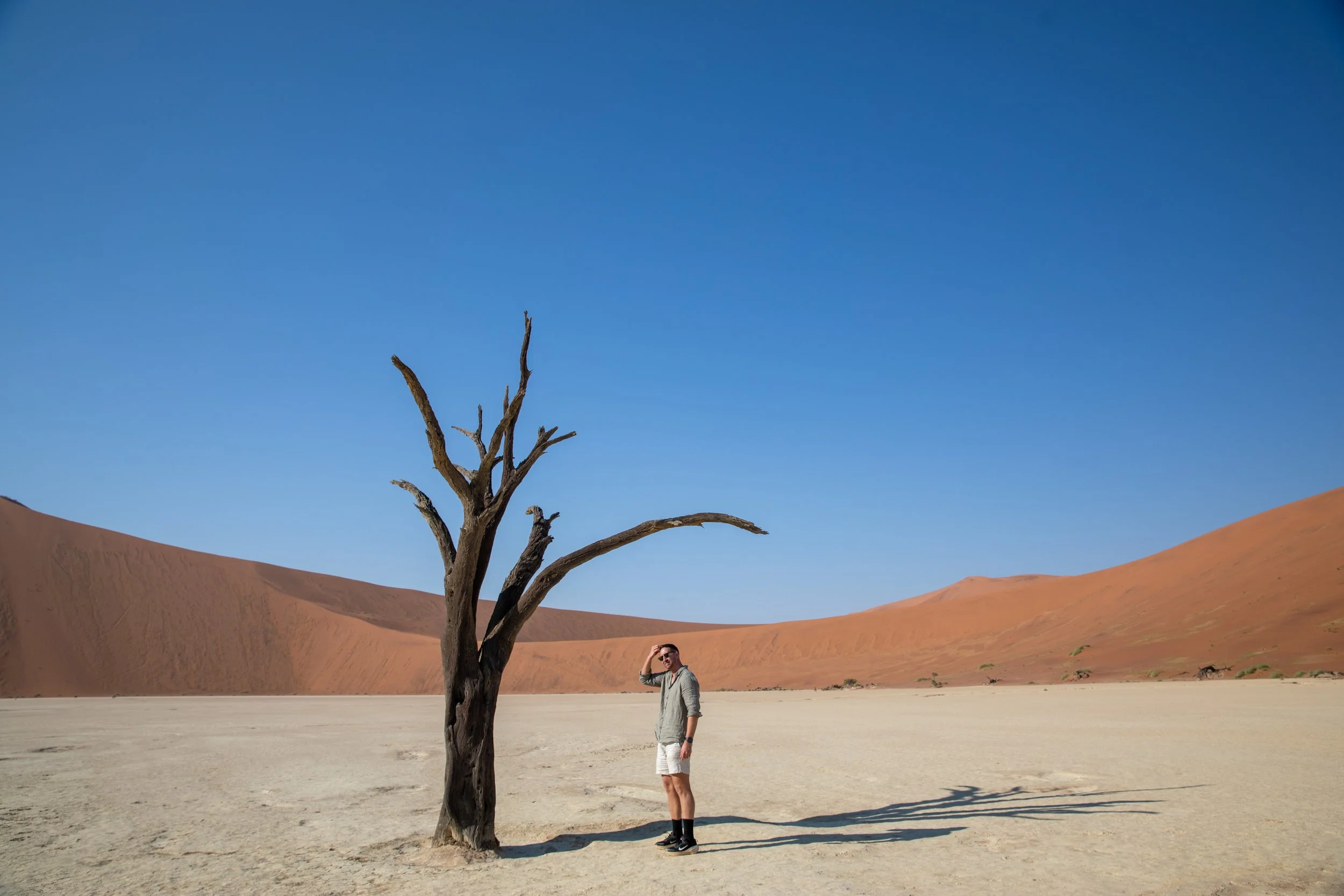
Surrounded by towering red dunes, Deadvlei is probably the most recognisable site in Namibia. The stark white clay pan and ancient black camel thorn trees create a landscape that looks almost unreal, which is why it features so heavily in photographs and travel videos.
From a photography perspective, I loved the way the trees’ shadows stretched across the cracked pan and changed as the sun moved higher. Walking among the trees feels surreal, particularly when you look back at the dunes rising around the site.
The trees have been dead for around 600–700 years, but the dry desert climate has preserved them remarkably well. Deadvlei is located within the Sossusvlei area of Namib Naukluft National Park. You can drive most of the way towards the site, but the final section requires a 4×4 or shuttle transfer through the soft sand. From the parking area, it is a short walk across the dunes to reach the pan.
Quick Tips
Visit in the morning for the best light and cooler temperatures
Wear enclosed shoes, as the sand can be hot and difficult to walk through
Pair Deadvlei with a sunrise hike up Big Daddy Dune
Bring plenty of water, particularly if you plan to climb the surrounding dunes
2. Camp Beneath the Granite Giants of Spitzkoppe
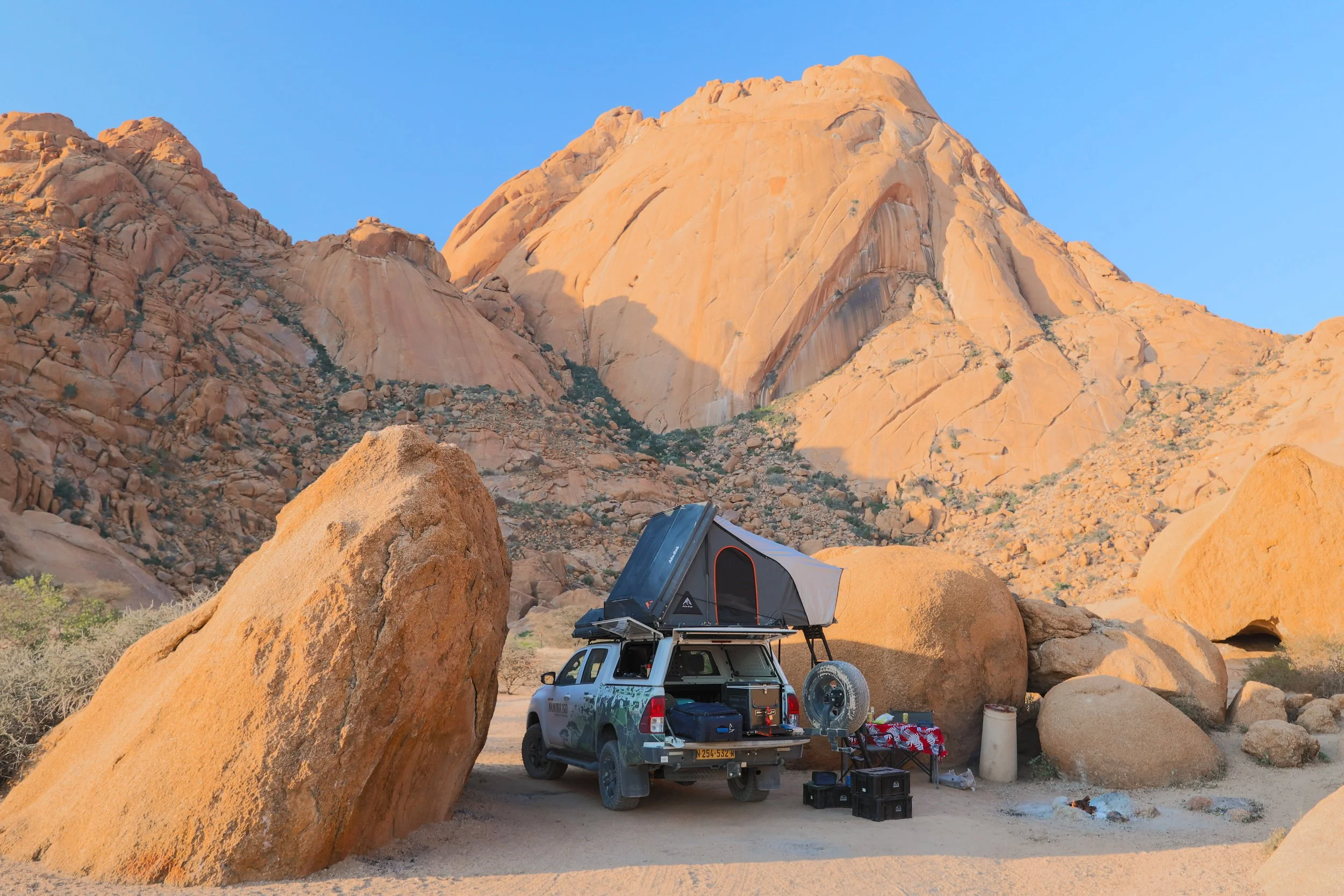
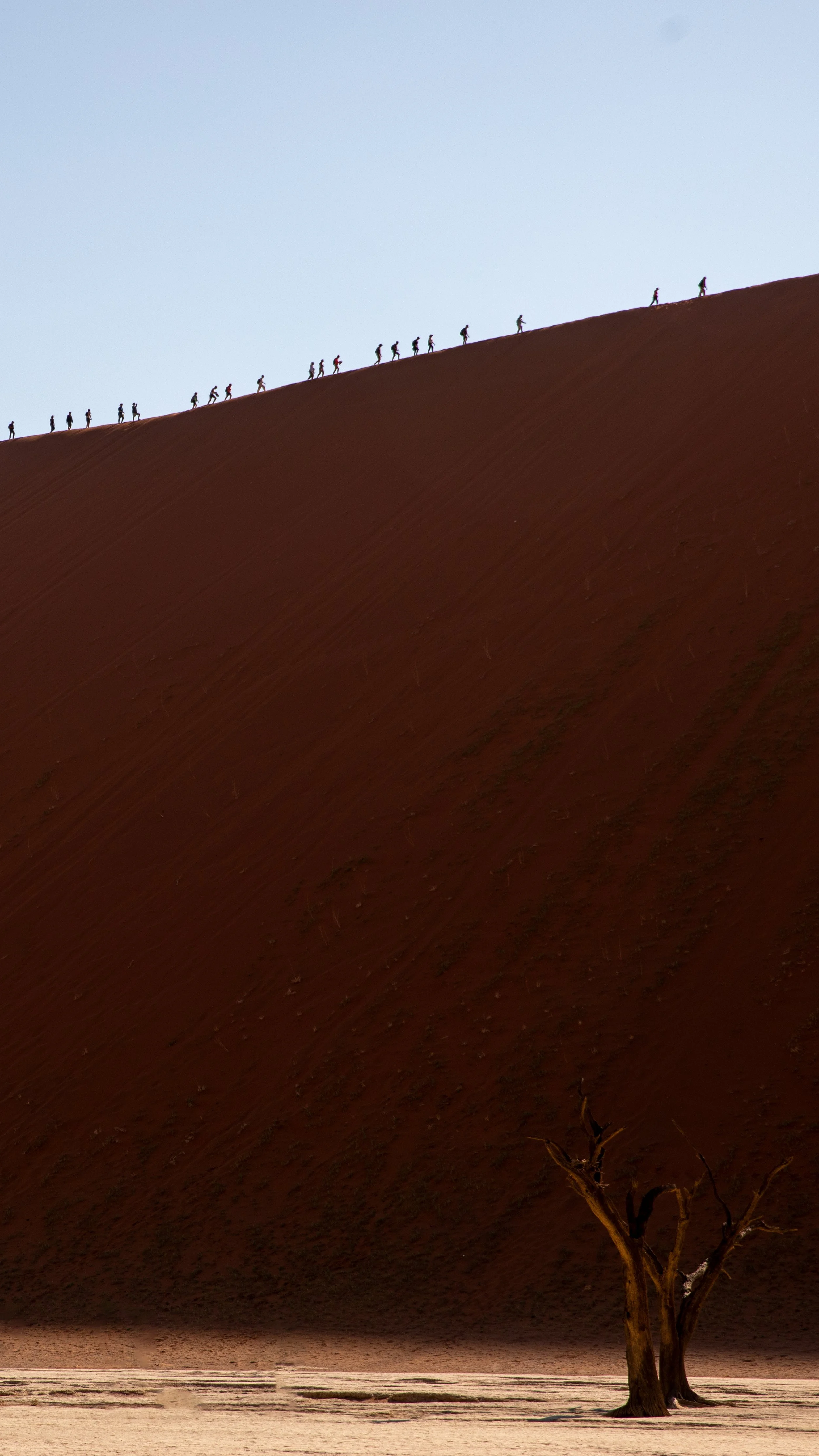
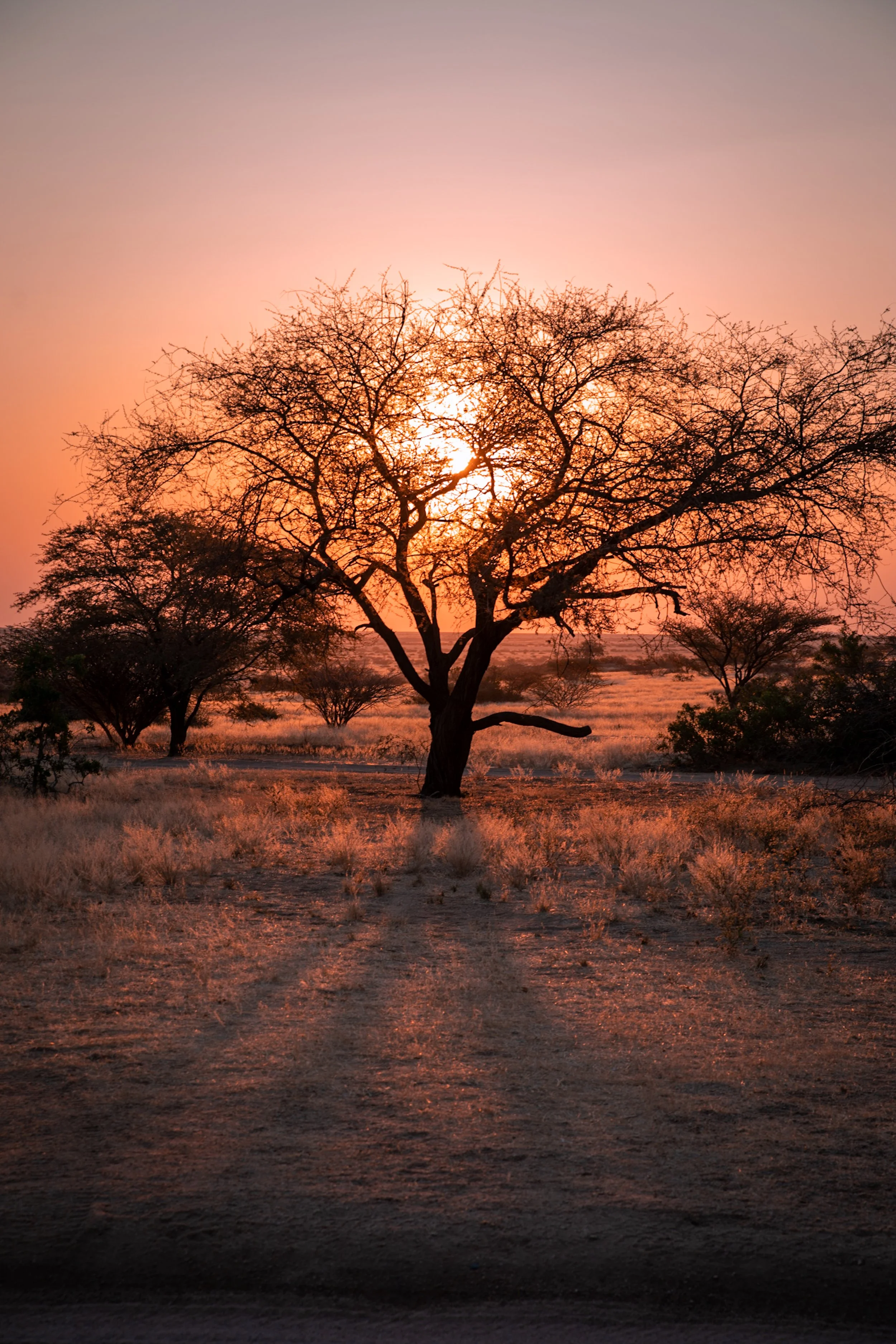
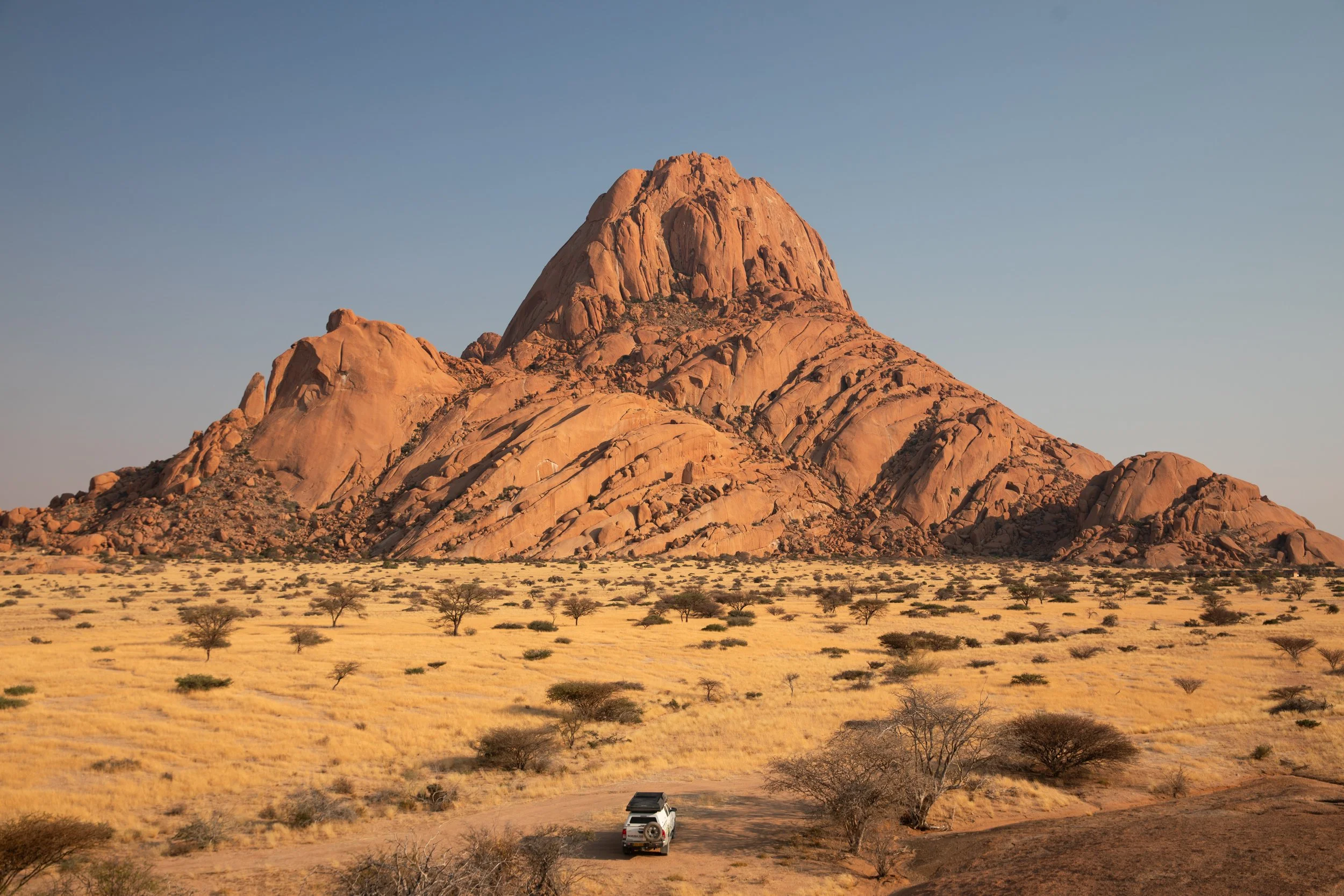
Surrounded by enormous granite rock formations, Spitzkoppe is one of the most dramatic places to visit in Namibia. The rugged peaks rise out of the surrounding desert, creating an incredible landscape that feels both remote and completely otherworldly.
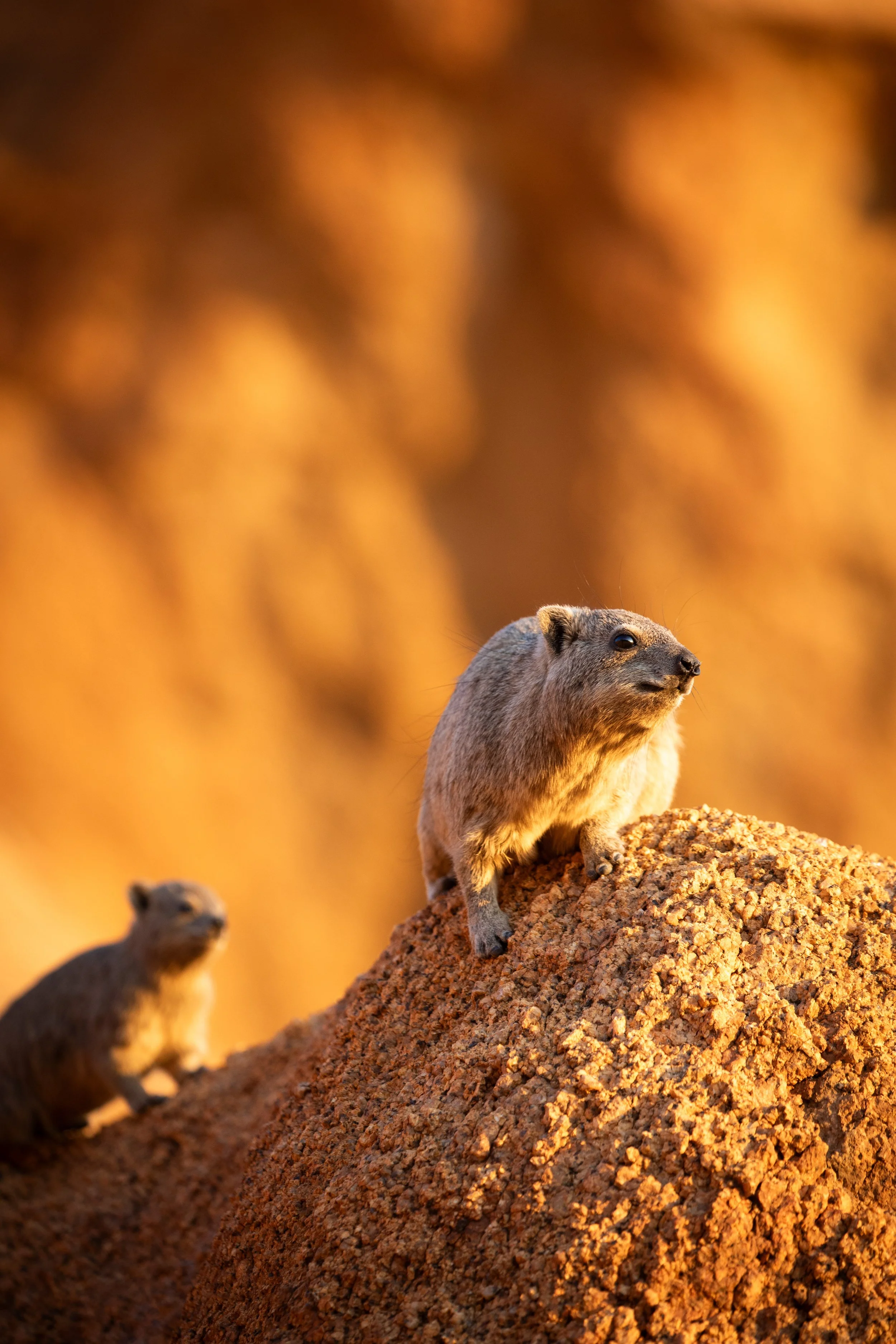
For me, the best part was being able to camp right beside the rocky outcrops. Waking up surrounded by this scenery made the experience feel far more special than simply visiting for a few hours. We even had friendly dassies running around the campsite, which added to the feeling that we were properly immersed in the wilderness.
The landscape changes throughout the day, from warm morning light to deep shadows in the afternoon, and the rocks look especially striking around sunset. Spitzkoppe is also an excellent place for photography, hiking and stargazing. With very little light pollution, spending the night beneath the granite peaks gives you a real sense of being away from everything.
Quick Tips
Accommodation can be booked in advance, but specific campsites are first come, first served, so arrive early
Hire a 4×4, as the roads and tracks around Spitzkoppe can be rough
Stay overnight for incredible stargazing and astrophotography opportunities
Bring a tripod and wide-angle lens if you want to photograph the granite formations and night sky
3. Discover the Rugged Wilderness of Damaraland
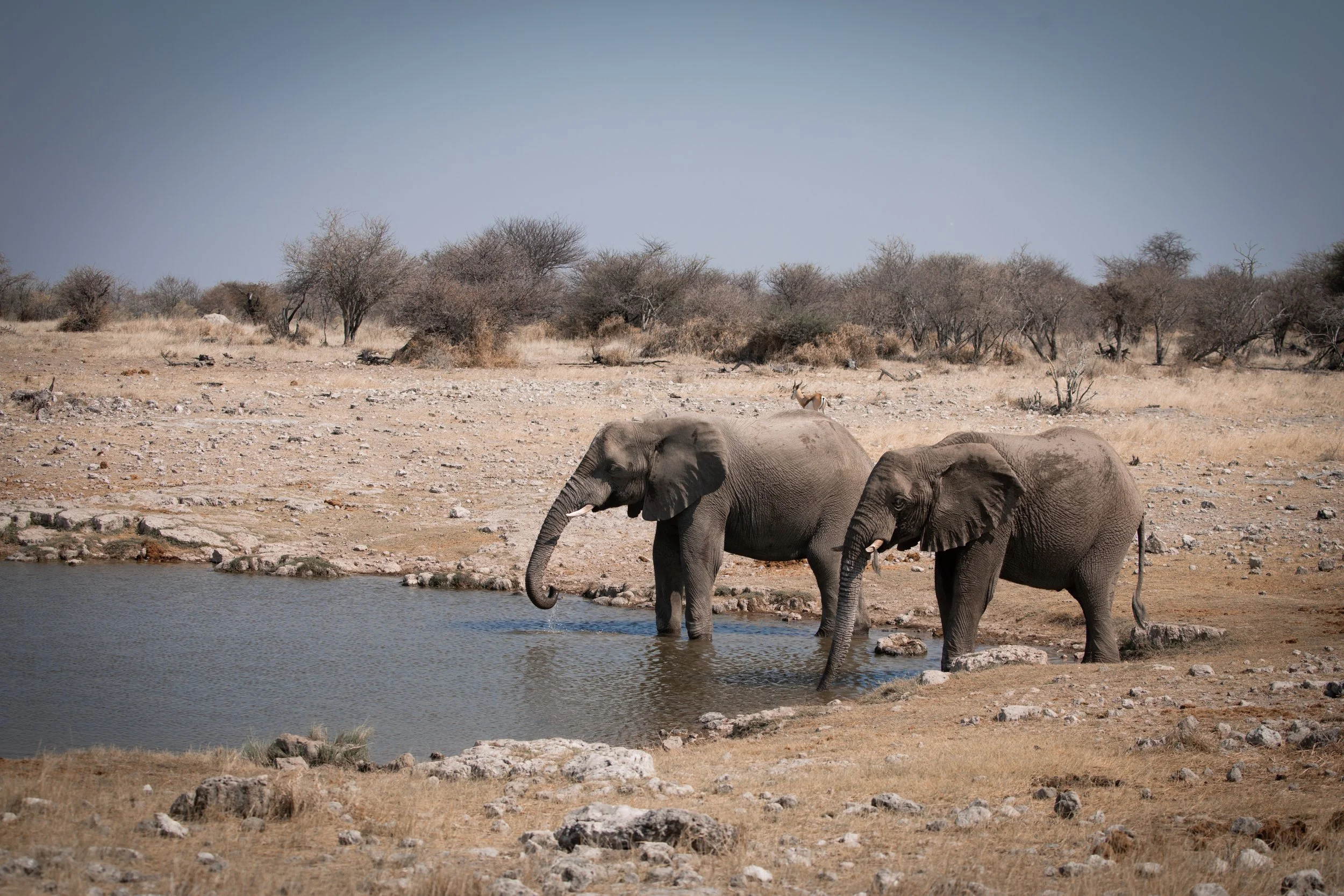
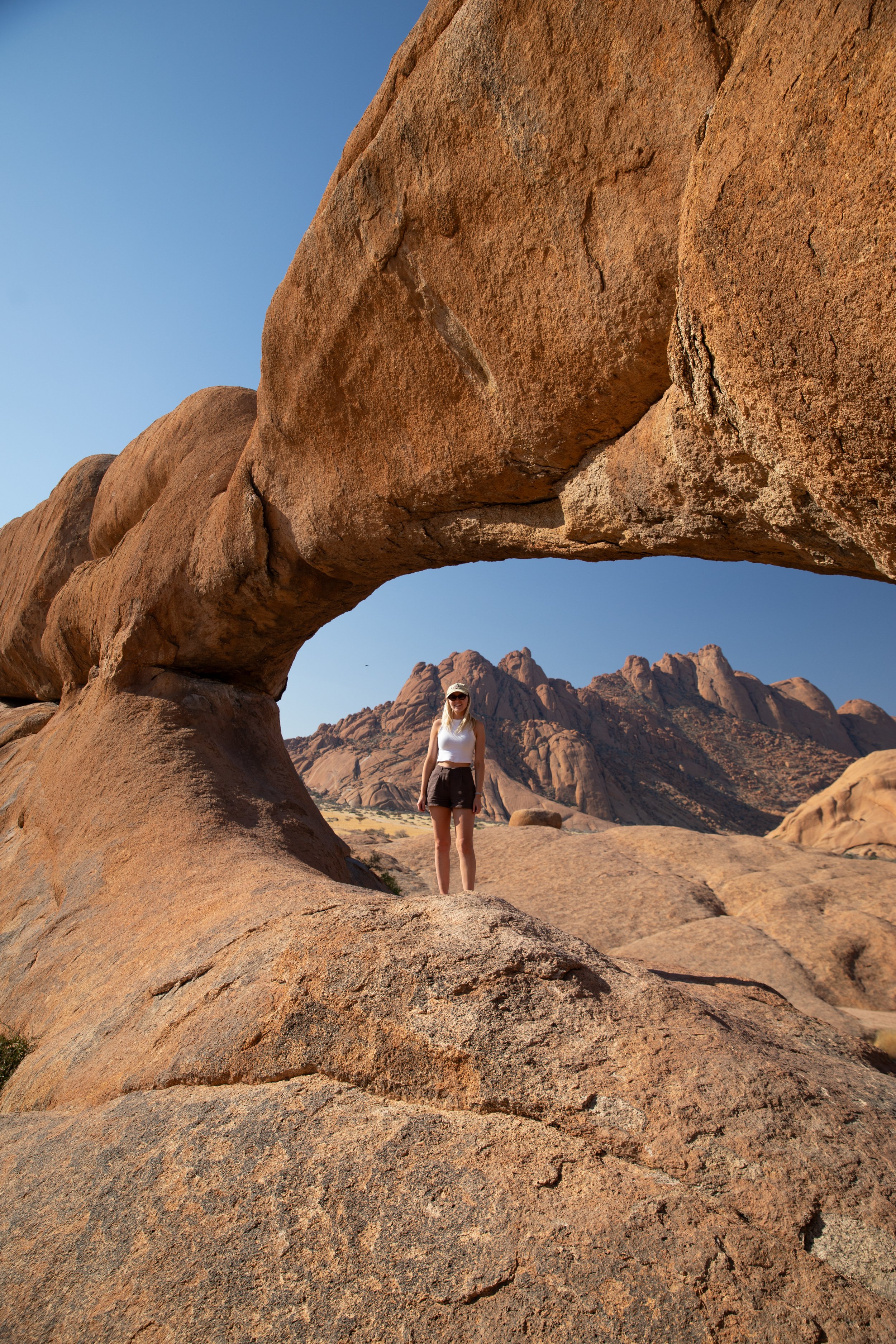
Damaraland is one of the most dramatic and remote regions of Namibia, with vast open plains, rocky mountains, dry riverbeds and striking desert scenery. The landscape feels completely different from the dunes around Sossusvlei, with huge boulders and rugged valleys stretching out in every direction.
The long drives through Damaraland are a major part of the experience. The scenery constantly changes as you travel between rocky outcrops, open desert and dry riverbeds, and the sense of remoteness makes the region feel like a genuine adventure. It is the kind of place where simply being on the road can be just as memorable as reaching the next attraction.
Damaraland is also known for its desert-adapted wildlife, including elephants and black rhinos. Sightings are never guaranteed, but the possibility of seeing animals surviving in such a harsh environment adds another layer to exploring the region.
Quick Tips
Hire a suitable 4×4, as many roads are rough and remote
Allow extra time for long drives and unexpected stops
Carry plenty of fuel, water and food between towns
Consider a guided activity if seeing desert-adapted wildlife is a priority
4. Take a 4×4 Adventure to Sandwhich Harbour
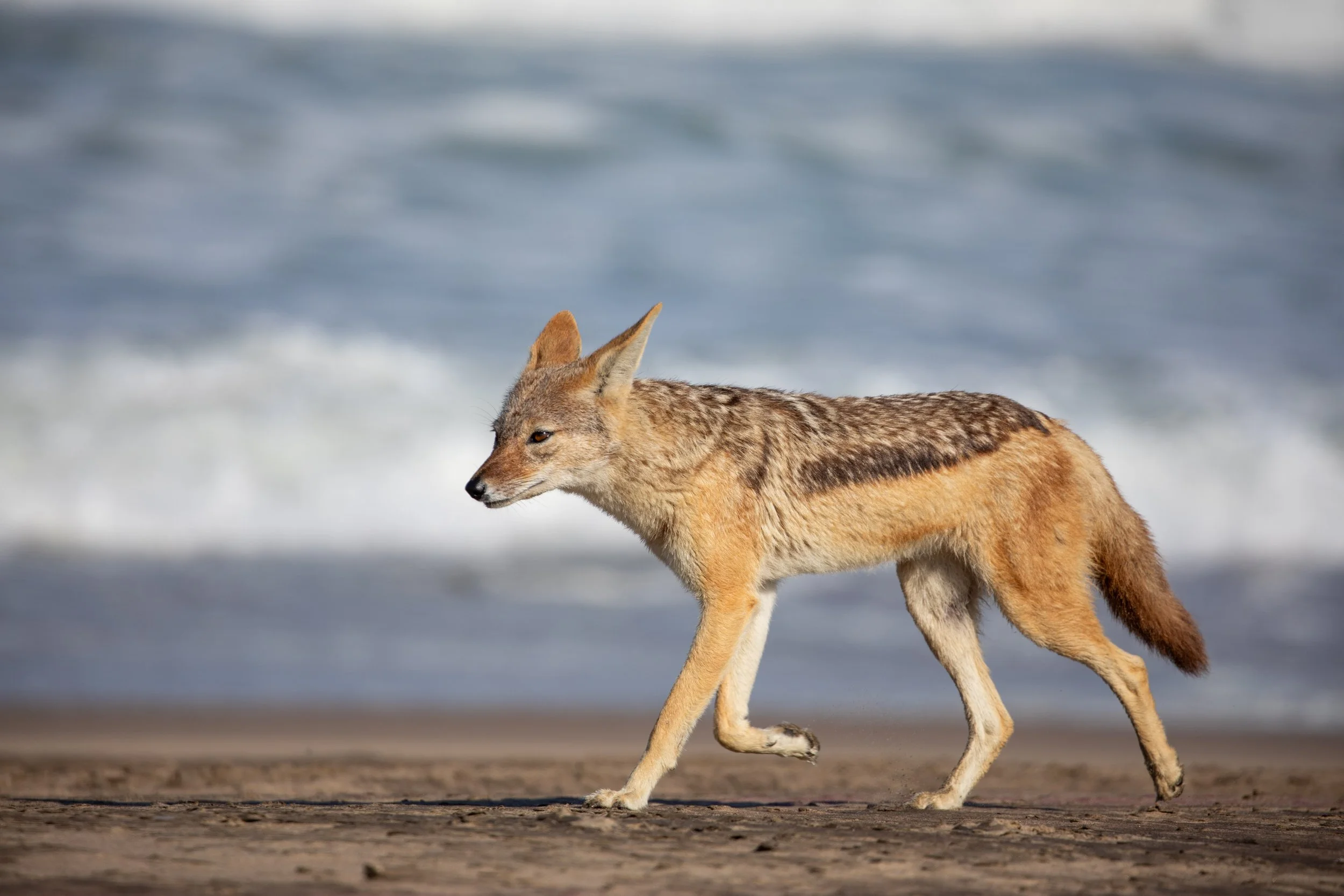
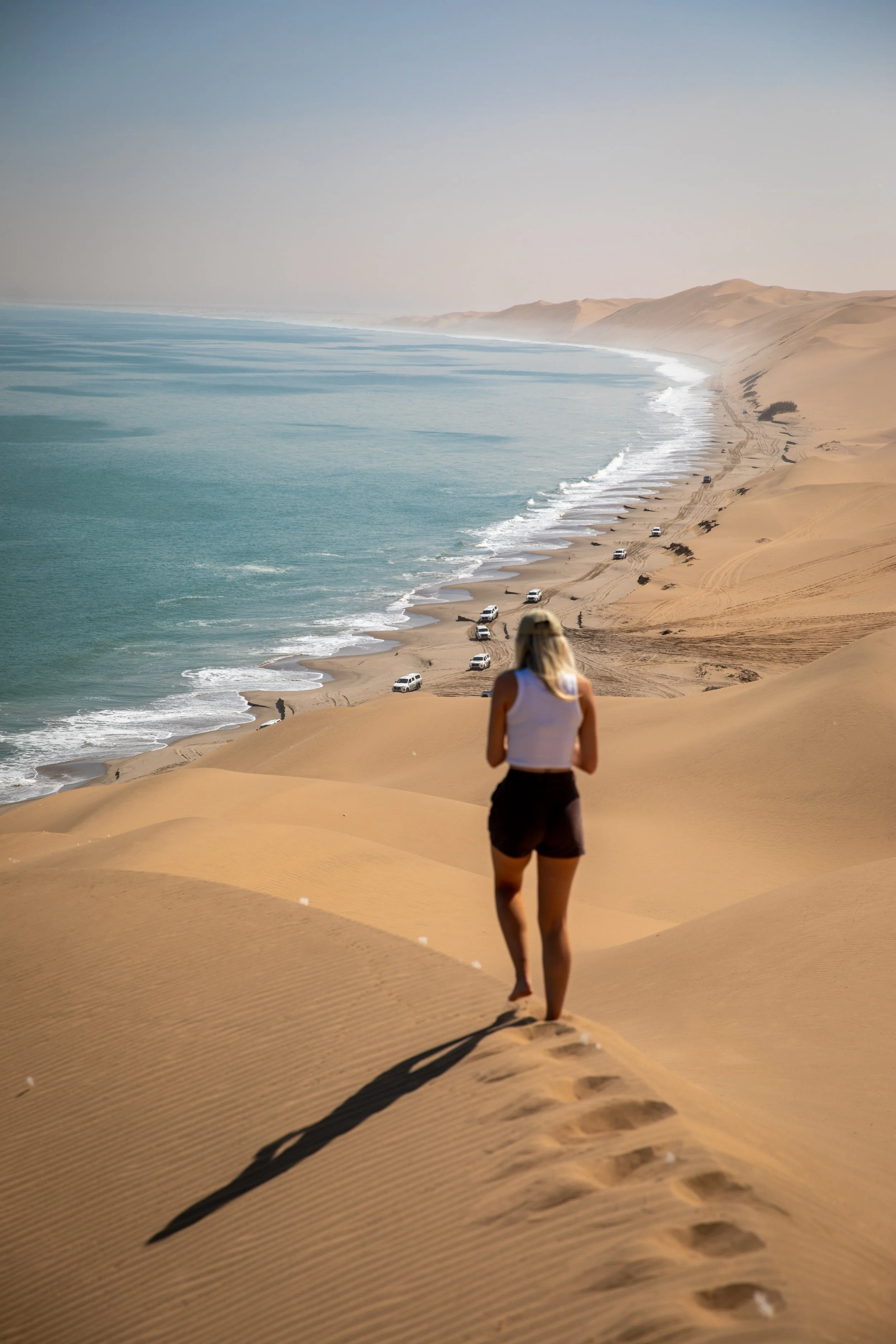
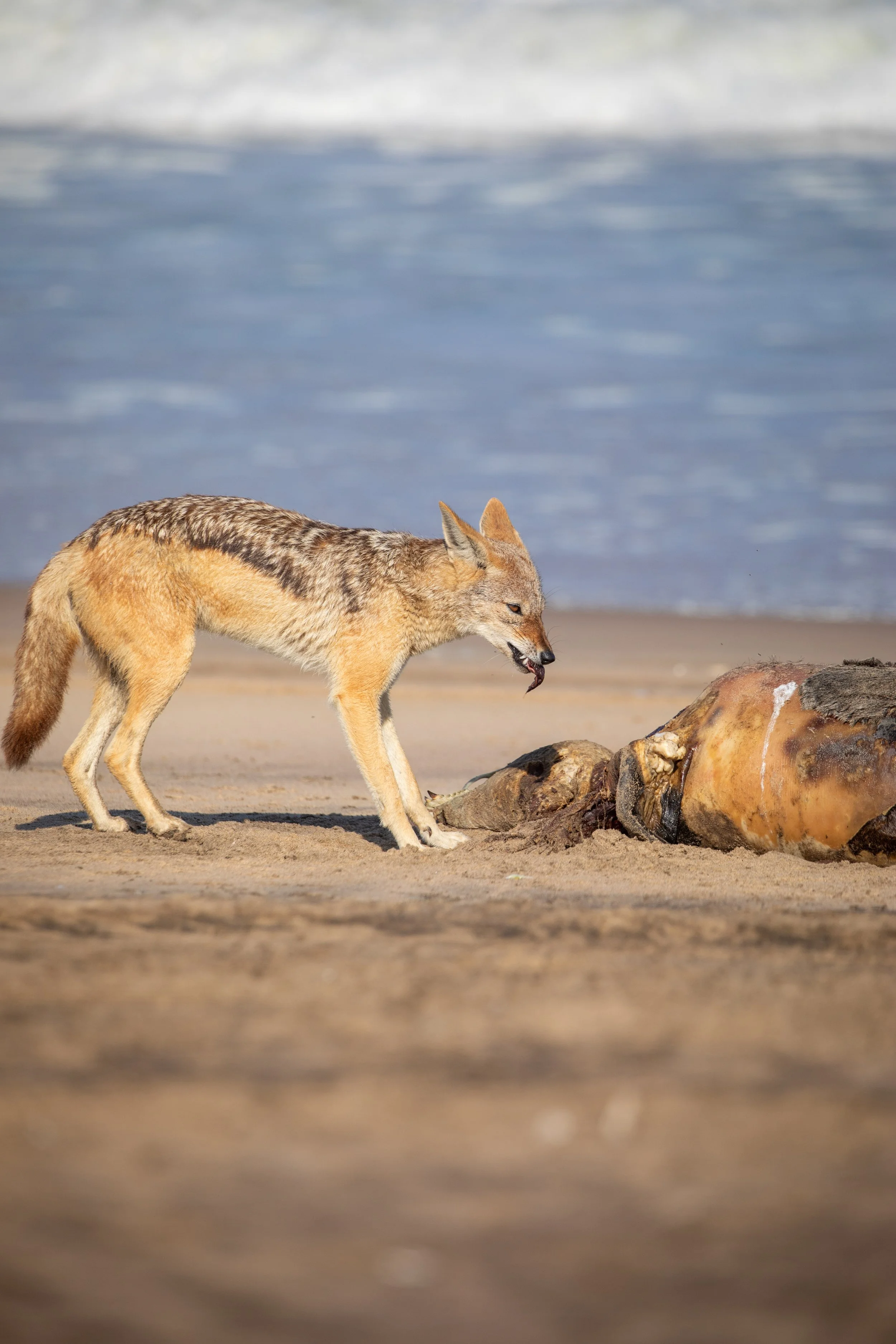
Located along Namibia’s dramatic Atlantic coastline, Sandwich Harbour is one of the most exciting places to visit near Walvis Bay. This remote stretch of the Namib Desert is where towering sand dunes meet the ocean, creating a landscape that feels completely different from anywhere else in the country.
The only way to visit Sandwich Harbour is as part of an organised 4×4 tour with an official guide. The drive itself is a huge part of the experience, with the vehicle travelling along the beach and climbing over enormous dunes. The dune bashing was wild fun and easily one of the most exciting parts of our Namibia trip.
The scenery is incredible, with huge yellow dunes on one side and the Atlantic Ocean on the other. Between the fast-paced dune driving and the chance to stop and take in such a remote coastline, Sandwich Harbour offers a completely different kind of Namibia adventure.
Quick Tips
Book an organised 4×4 tour with an official guide
Most tours include sandboarding, so wear suitable clothes and be prepared to get sandy
Bring warm layers, as the coast can be cool and windy
5. Experience the Freedom of a Namibia Road Trip
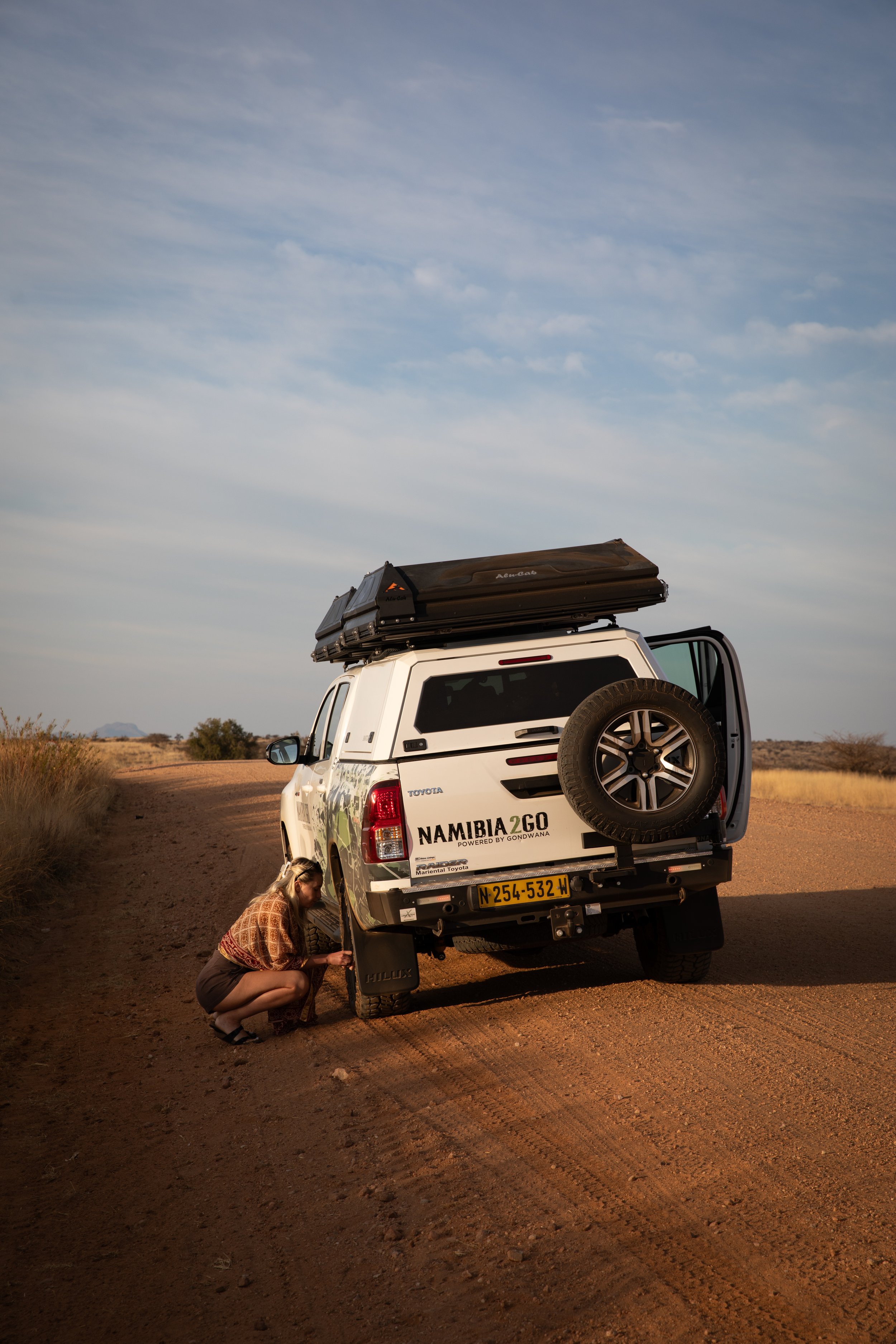
A Namibia road trip is one of the best ways to experience the country’s huge landscapes, remote attractions and incredible sense of freedom. Rather than staying in one area, you can travel between desert dunes, rocky mountains, national parks and the Atlantic coastline, with every leg of the journey offering something different.
Our trip was made even more memorable by hiring a 4×4 and camping along the way. Having our own vehicle meant we could travel at our own pace, stop whenever a landscape caught our attention and stay in some incredible locations, including beneath the granite peaks of Spitzkoppe.
The distances are long and some of the gravel roads are challenging, but that is also part of what makes a Namibia road trip feel like an adventure. Driving through such remote scenery, with very few people around, gave us a real sense of independence and made the journey between destinations just as memorable as the places themselves.
Quick Tips
Hire a suitable 4×4, especially if you plan to drive on rough gravel roads
Allow plenty of time, as distances between destinations are much longer than they appear
Plan fuel stops carefully and carry extra water and supplies
Download offline maps before leaving towns or major tourist areas
Avoid driving after dark, when wildlife and poor visibility create additional risks
Leave room in your itinerary for unexpected stops and slower driving conditions
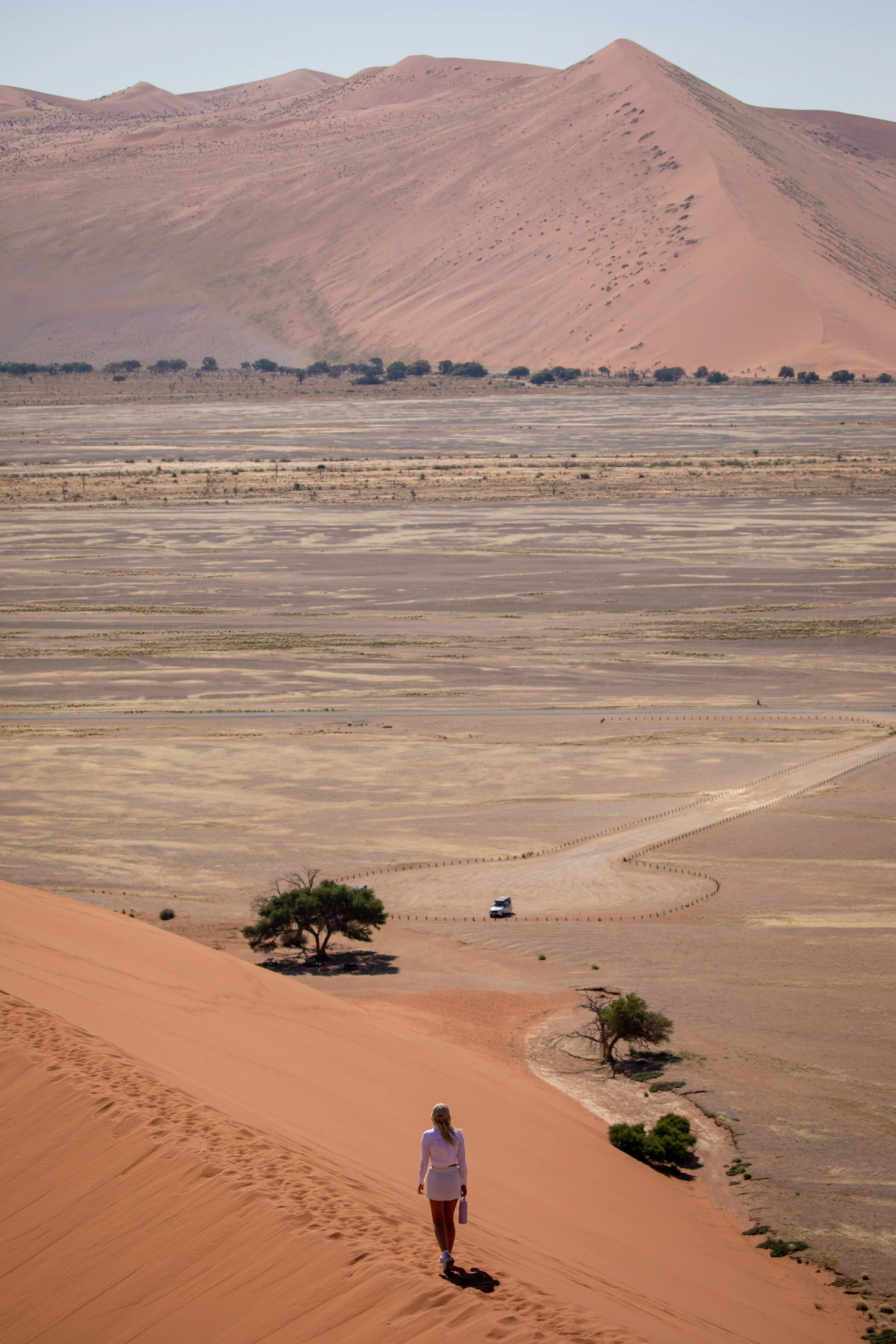
6. Visit Etosha on a Self-Drive Safari
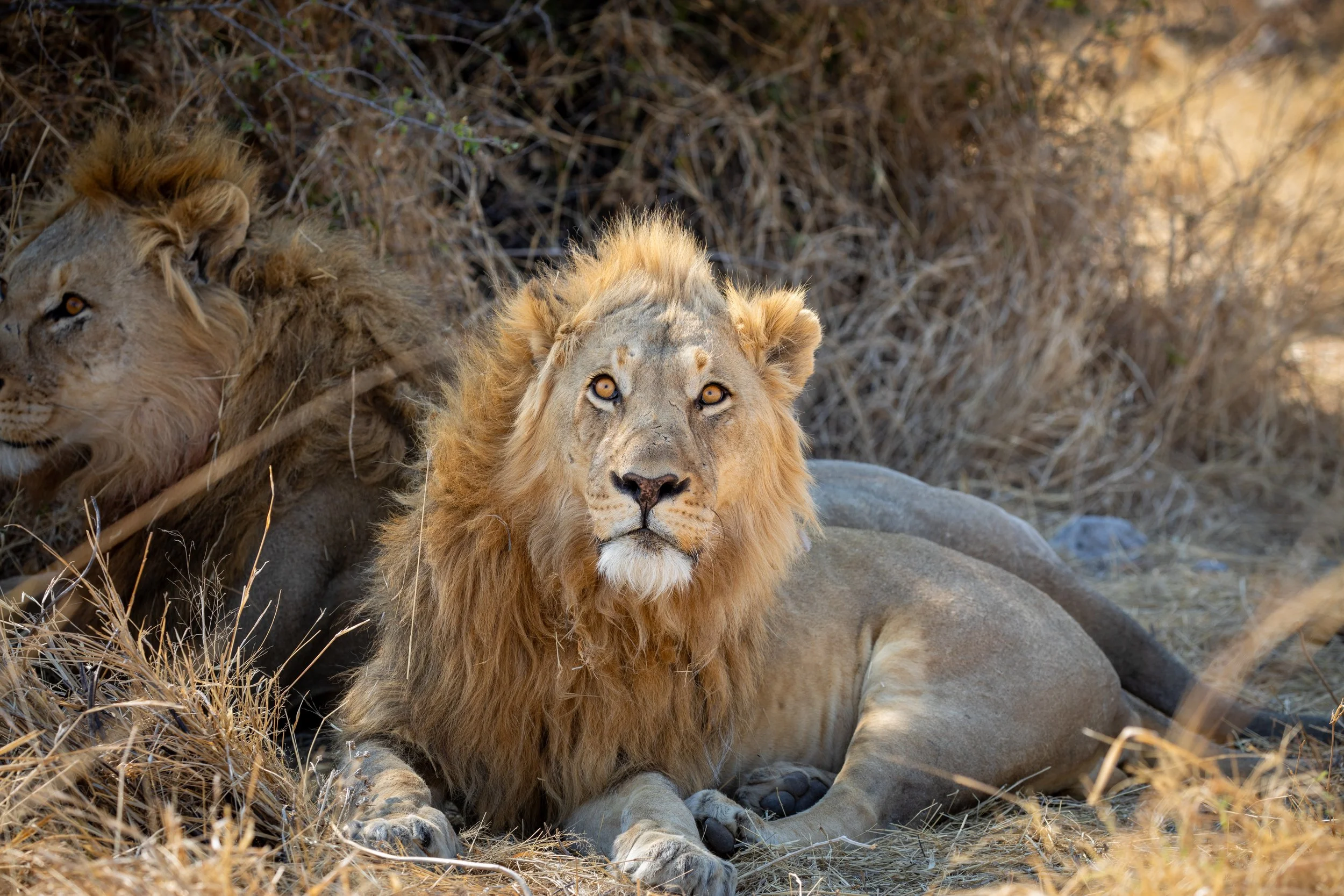
Etosha National Park was our absolute favourite stop in Namibia.
If you are visiting the country, I genuinely think it is a must-do, particularly if you want the chance to see incredible wildlife while exploring independently.
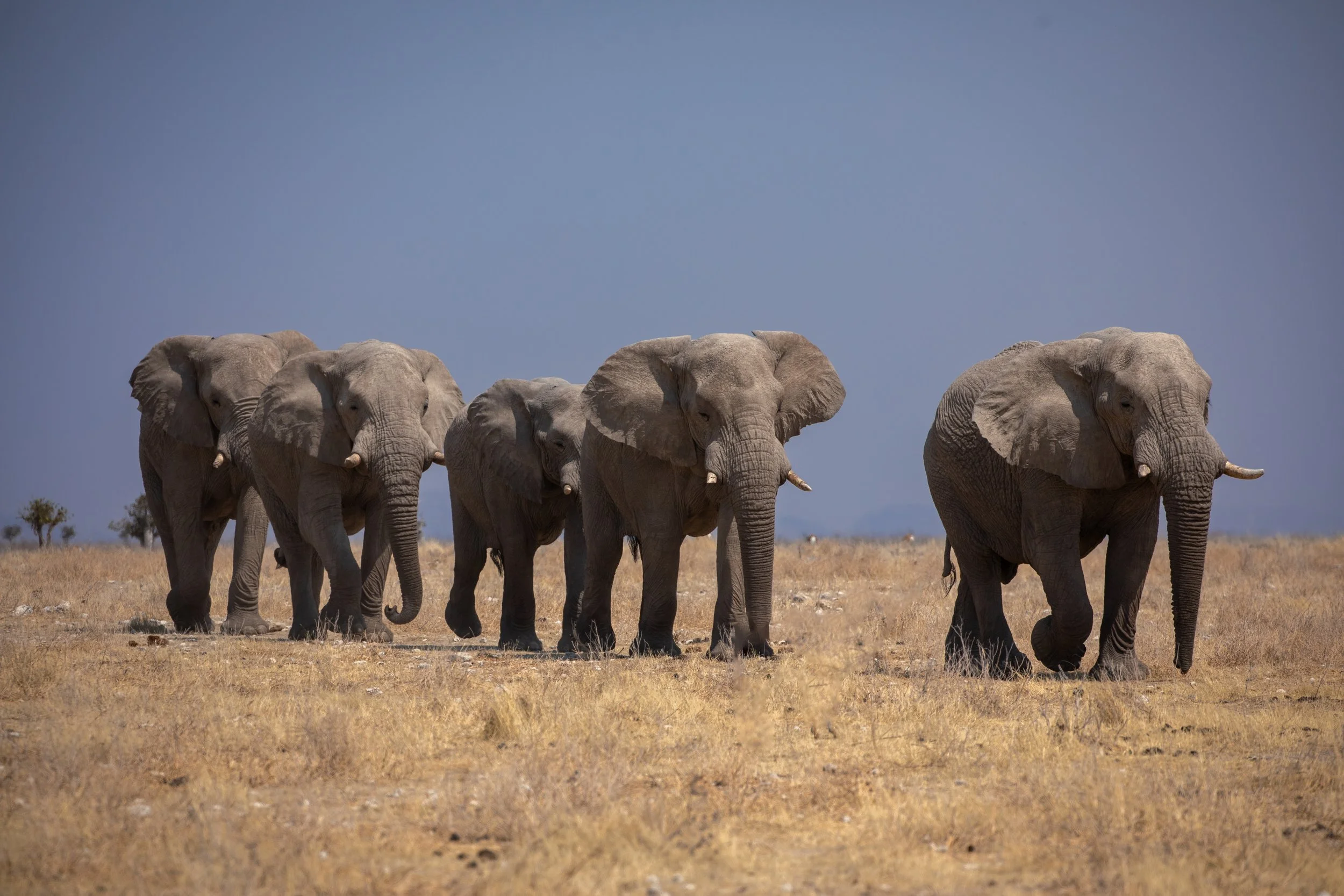
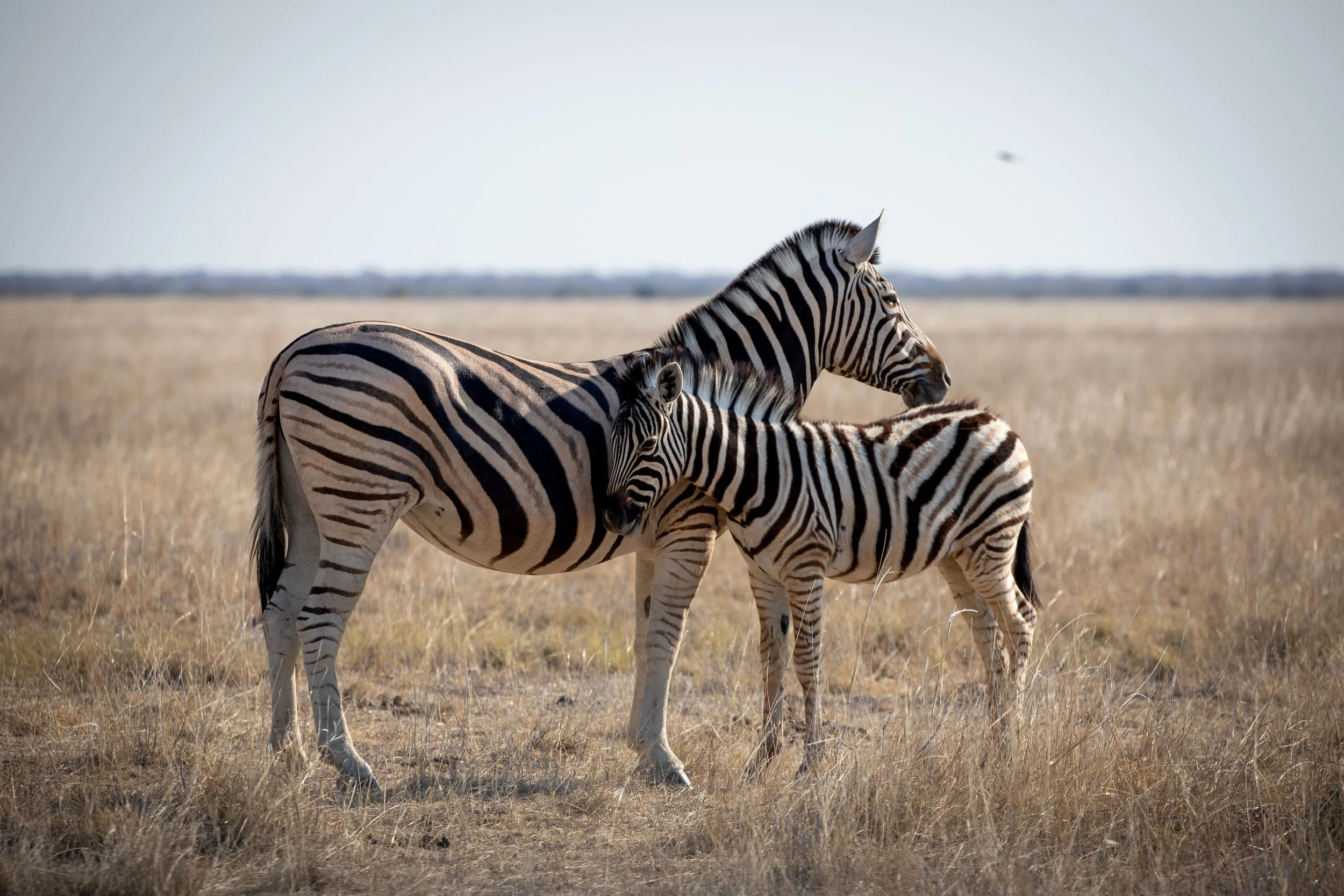
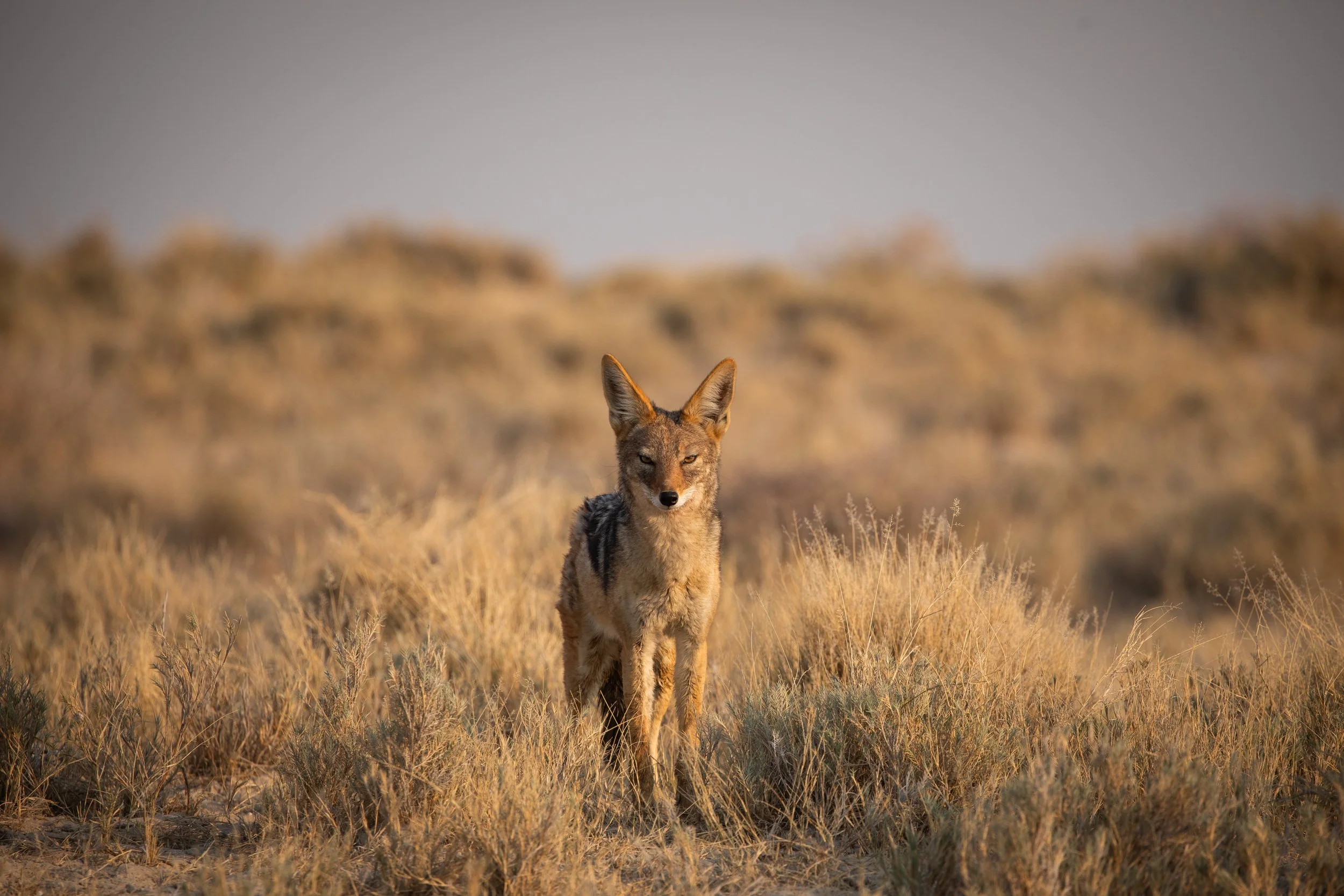
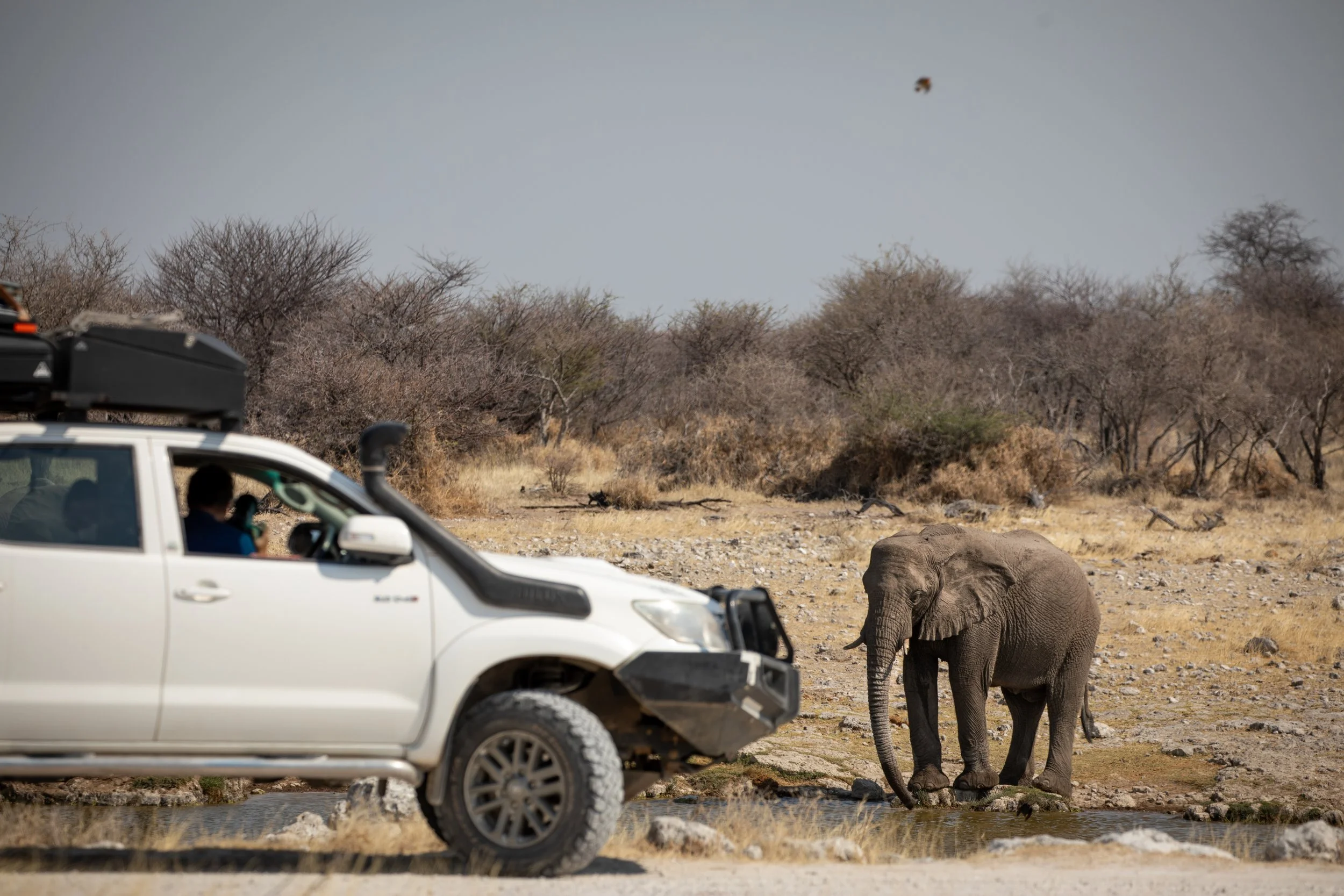
Rather than joining a safari vehicle, you can drive yourself between the park’s waterholes, deciding where to stop and how long to stay at each sighting. We visited in August during the dry season, when animals gather around the remaining water sources, and saw lions, elephants, black rhinos, giraffes, zebras and plenty of other wildlife.
Etosha is also a unique place to explore because the wildlife is set against huge open plains, dry savannah and the striking white expanse of the Etosha Pan. The roads inside the park can be rough, but having a 4×4 made it much easier to explore independently and spend the day moving between different areas.
Quick Tips
Visit during the dry season, generally from May to October, for the best wildlife viewing
Allow at least three full days to explore the park properly
Stay near the waterholes and be patient, as animals often arrive unexpectedly
Carry plenty of water, food and fuel for longer drives
Drive slowly and carefully, as some roads have severe corrugations and washouts
Consider staying at more than one camp to explore different parts of Etosha
7. Hike Big Daddy Dune at Sunrise
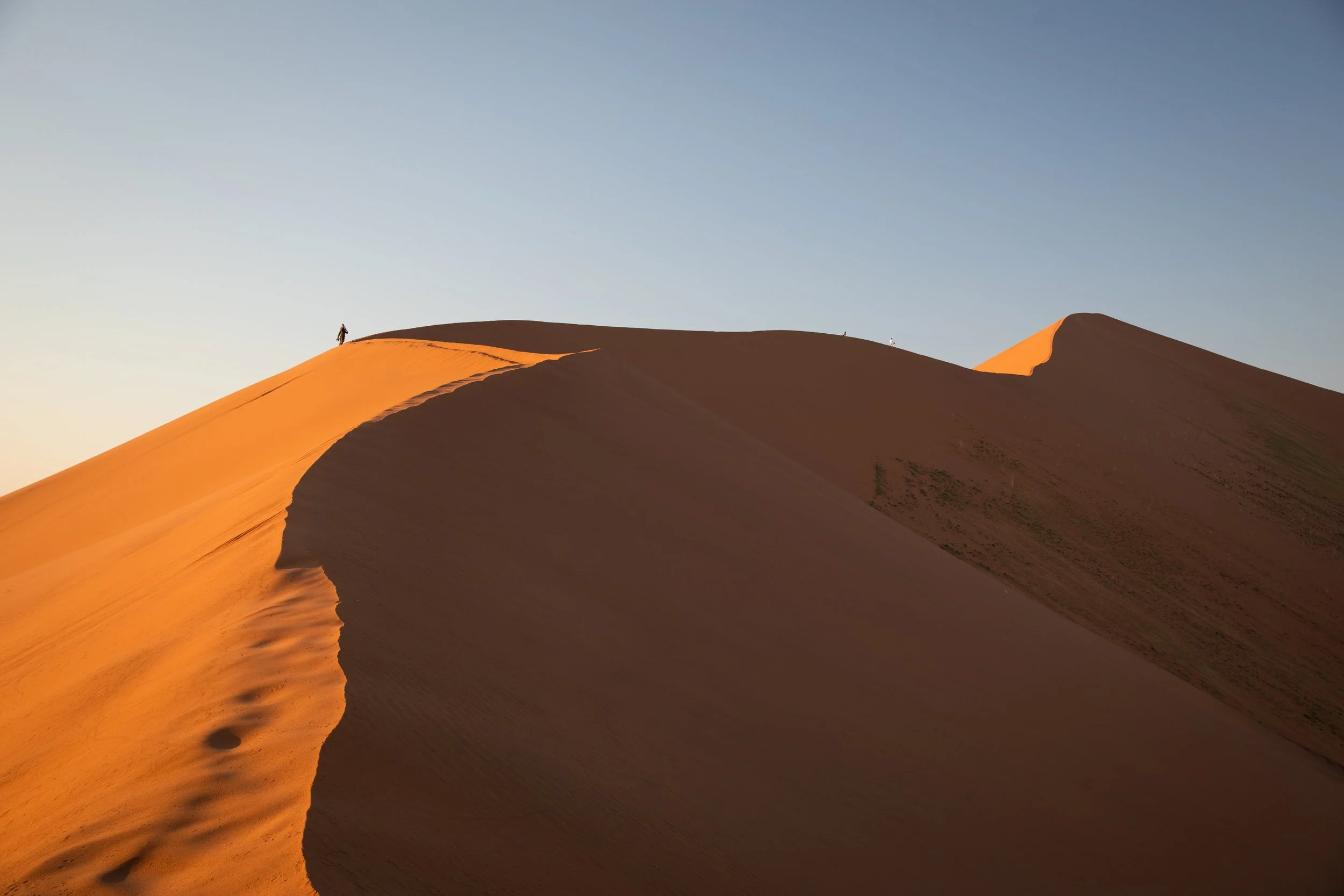
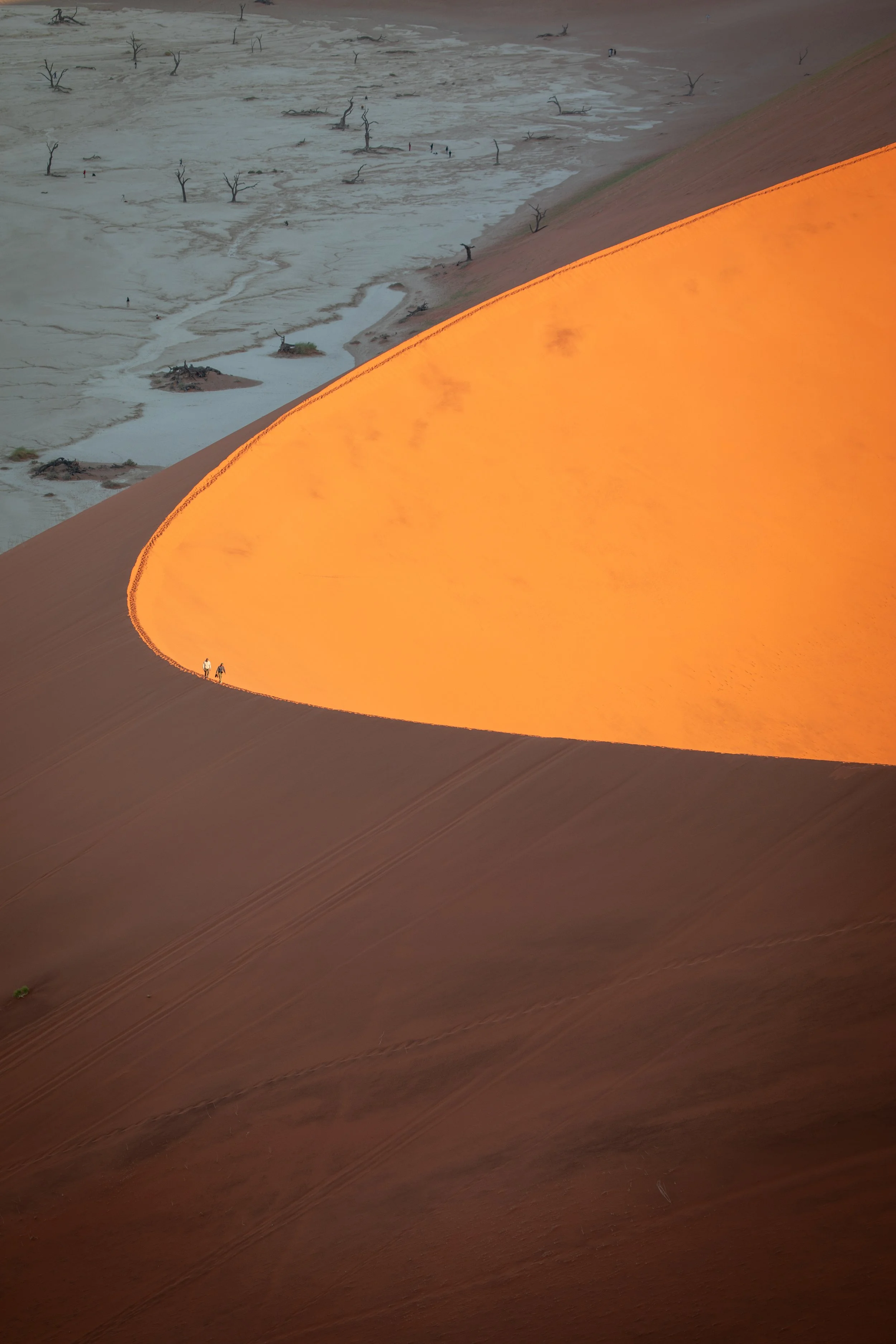
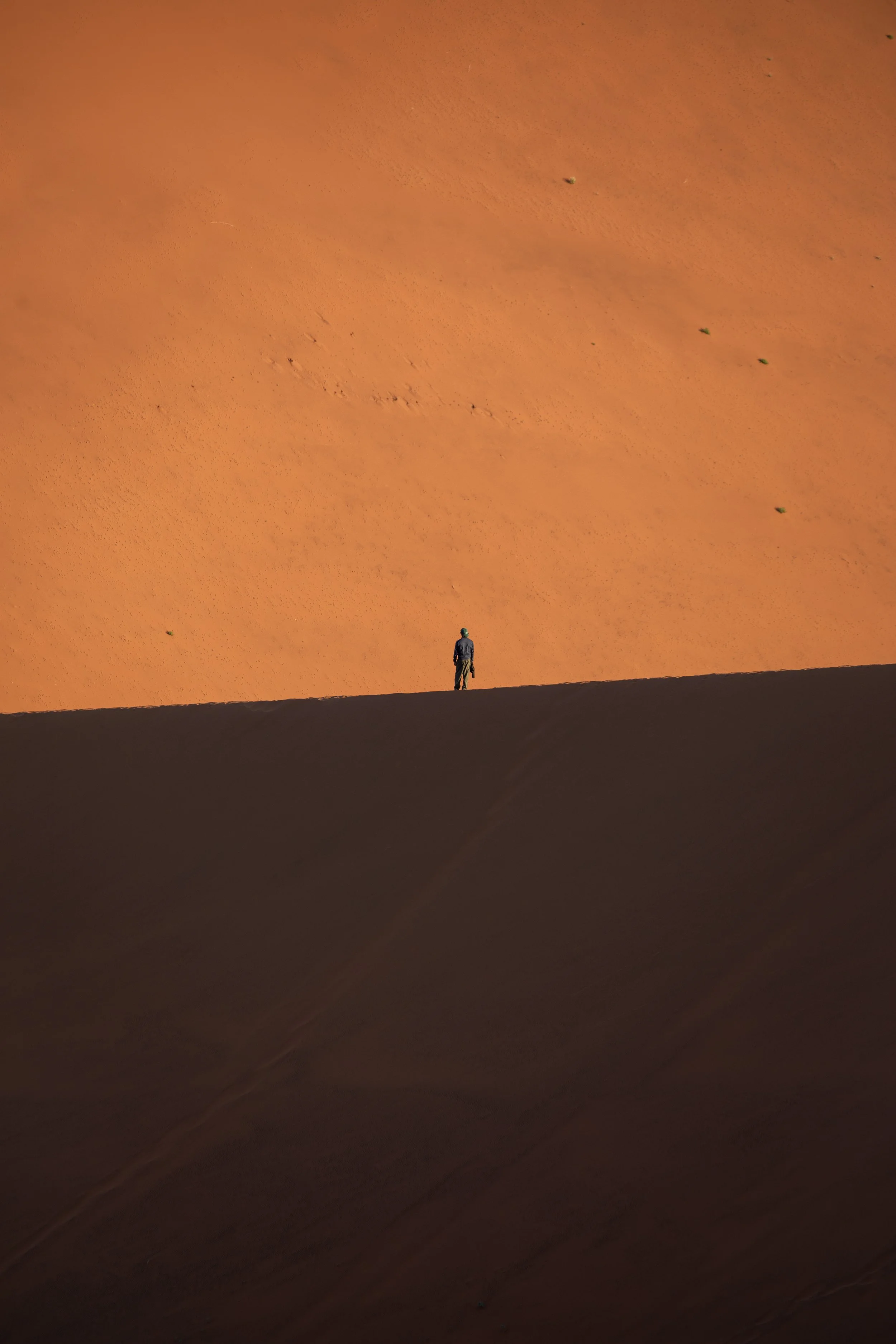
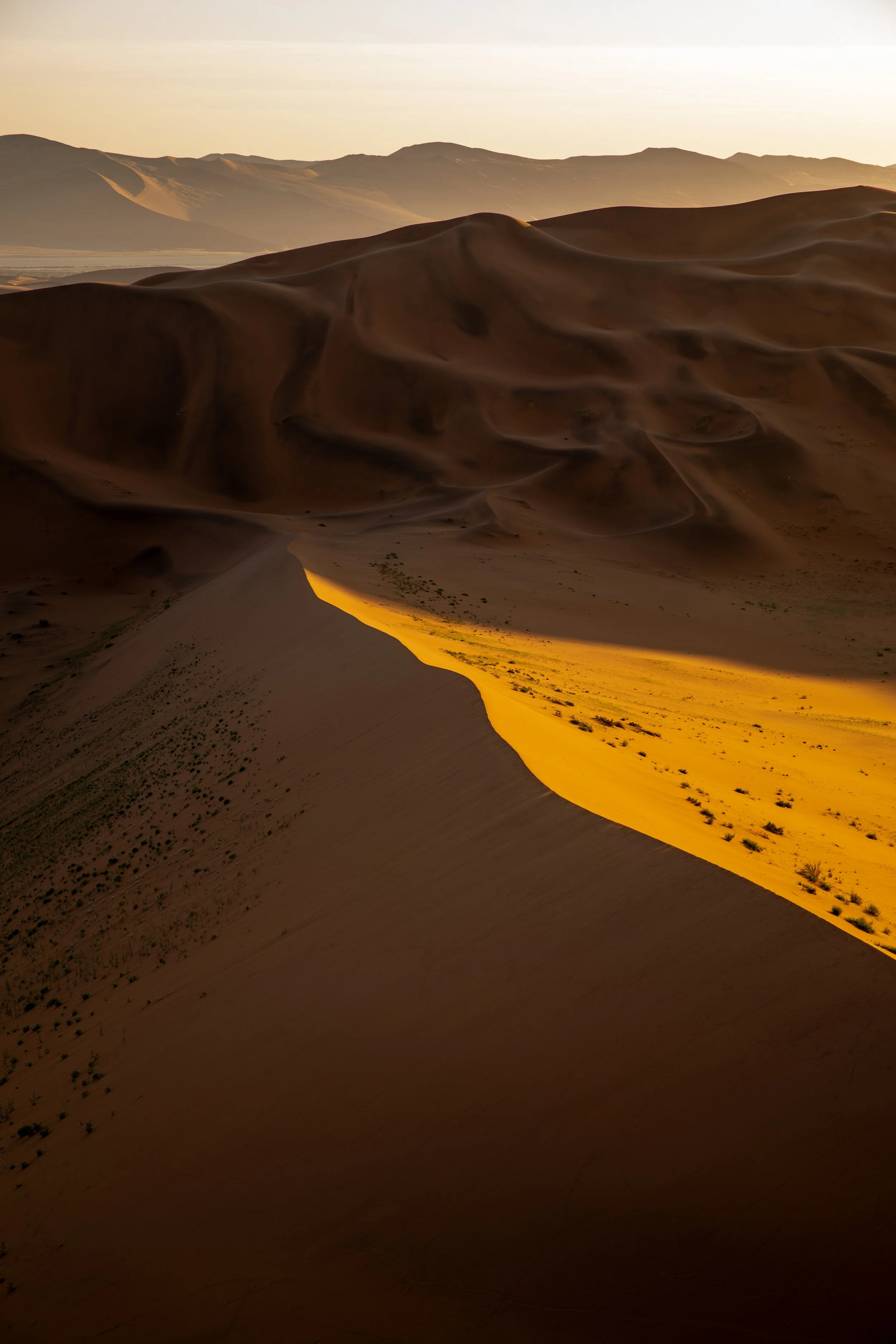
Rising above the white clay pan of Deadvlei, Big Daddy is one of the tallest dunes in the Sossusvlei area and one of the most memorable hikes in Namibia. Climbing it at sunrise gives you incredible views across the surrounding desert, with the dunes gradually changing colour as the light moves across the landscape.
The climb is challenging, particularly as you are walking through soft sand and following a steep ridgeline, but the views from the top make the effort worthwhile. Looking down over Deadvlei and the surrounding dunes gives you a completely different perspective of the area.
Starting early is important because the sand and temperatures become much harsher later in the day. It is also easy to combine Big Daddy with a visit to Deadvlei, making both experiences a highlight of the same morning.
Quick Tips
Start before sunrise to avoid the worst heat
Wear enclosed shoes with good grip
Bring plenty of water and protect yourself from the sun
Allow extra time, as walking through soft sand is tiring
Visit Deadvlei before or after the hike, depending on the light and crowds
Related Posts:
Planning a Namibia road trip and searching for the best things to do in Namibia? From walking among the ancient trees of Deadvlei and hiking Big Daddy at sunrise to self-driving through Etosha National Park, camping beneath Spitzkoppe’s granite peaks and exploring the dunes of Sandwich Harbour, these are seven of my favourite experiences from our trip.