
Is Namibia Worth Visiting? My Honest Review in 2026
If you’re wondering whether Namibia is worth visiting, you’re probably also considering other African destinations and trying to decide where your time and money would be best spent.
Namibia offers something quite different from a traditional safari holiday. Instead of focusing solely on wildlife, a trip here combines dramatic desert landscapes, towering sand dunes, rugged coastlines, remote roads and the chance to explore largely independently. Etosha National Park can also provide excellent wildlife viewing, although the experience is different from the concentrated game viewing found in places such as Kenya, Tanzania or Botswana.
I travelled through Namibia on a self-drive route, visiting Sossusvlei, Spitzkoppe, Swakopmund, Damaraland and Etosha National Park. In this honest review, I’ll explain what I loved, what disappointed me, how Namibia compares with other African destinations and who I think would enjoy travelling here most.
Key Takeaways
My Verdict: Namibia is worth visiting for dramatic landscapes, wildlife, camping and independent travel
Best For: Photographers, road-trip travellers and anyone who enjoys wide-open spaces and fewer crowds
Biggest Highlight: Exploring by 4×4, from Sossusvlei and Deadvlei to Etosha’s wildlife-rich waterholes
Main Challenge: Long drives, rough roads and remote conditions
What to Expect: Namibia feels safe, but independent travellers need to plan carefully and be reasonably self-sufficient
Wildlife Comparison: Kenya, Tanzania and Botswana may be better for big cats, the Big Five and concentrated wildlife viewing
Would I Do It Again: Absolutely, for the scenery, camping, photography and sense of freedom!
Is Namibia Worth Visiting? My Honest Take and Quick Answer
Yes, I think Namibia is absolutely worth visiting, particularly if you enjoy dramatic landscapes, wildlife and independent travel.
My previous African trip was on a large overland tour, so travelling through Namibia by self-drive was a completely different way to see the continent. I loved having the freedom to choose our route, stop whenever we wanted and explore the country at our own pace.
There was something really special about driving through such a vast and open country, with huge changes in scenery between each destination. One day we were surrounded by towering orange dunes, and the next we were watching wildlife around the waterholes of Etosha National Park. Even the long drives became part of the adventure, rather than simply a way of getting from one attraction to the next.
Of course, Namibia is not perfect. The distances are long, costs can add up quickly and wildlife sightings are never guaranteed. It also offers a different type of African trip from Kenya, Tanzania or Botswana, where the focus may be more strongly centred on traditional safaris.
However, if you want a trip that combines wildlife, extraordinary landscapes and the freedom of a road trip, Namibia is difficult to beat. In this guide, I’ll share what I loved, what I found challenging and whether I think Namibia deserves a place on your African travel itinerary.

What I Expected vs What I Actually Got in Namibia
Because I had already travelled through Africa before visiting Namibia, my expectations were fairly measured. I knew the trip would involve wildlife, dramatic landscapes, long driving days and a more remote style of travel, so Namibia did not completely catch me off guard.
Even so, the remoteness was difficult to fully understand before experiencing it. Namibia is the second least densely populated country in the world, and you genuinely feel that while travelling between towns, camps and attractions. Coming from Australia, I am used to long distances and large areas with few people, but we generally have fuel stations at reasonable intervals and major routes are often sealed. In Namibia, we spent much of the trip driving on gravel roads, sometimes for long periods without passing through a town or seeing many other people. That was more eye-opening than I expected, and I think it would be a real shock to any European’s travelling there.
One thing that did surprise me was how safe and accessible Namibia felt. English is widely spoken, the main tourist route is relatively straightforward to follow and the people we met were generally friendly and helpful. Although the country is physically remote, it did not feel particularly difficult to travel through as a visitor, provided we planned our fuel stops and allowed plenty of time for each journey.
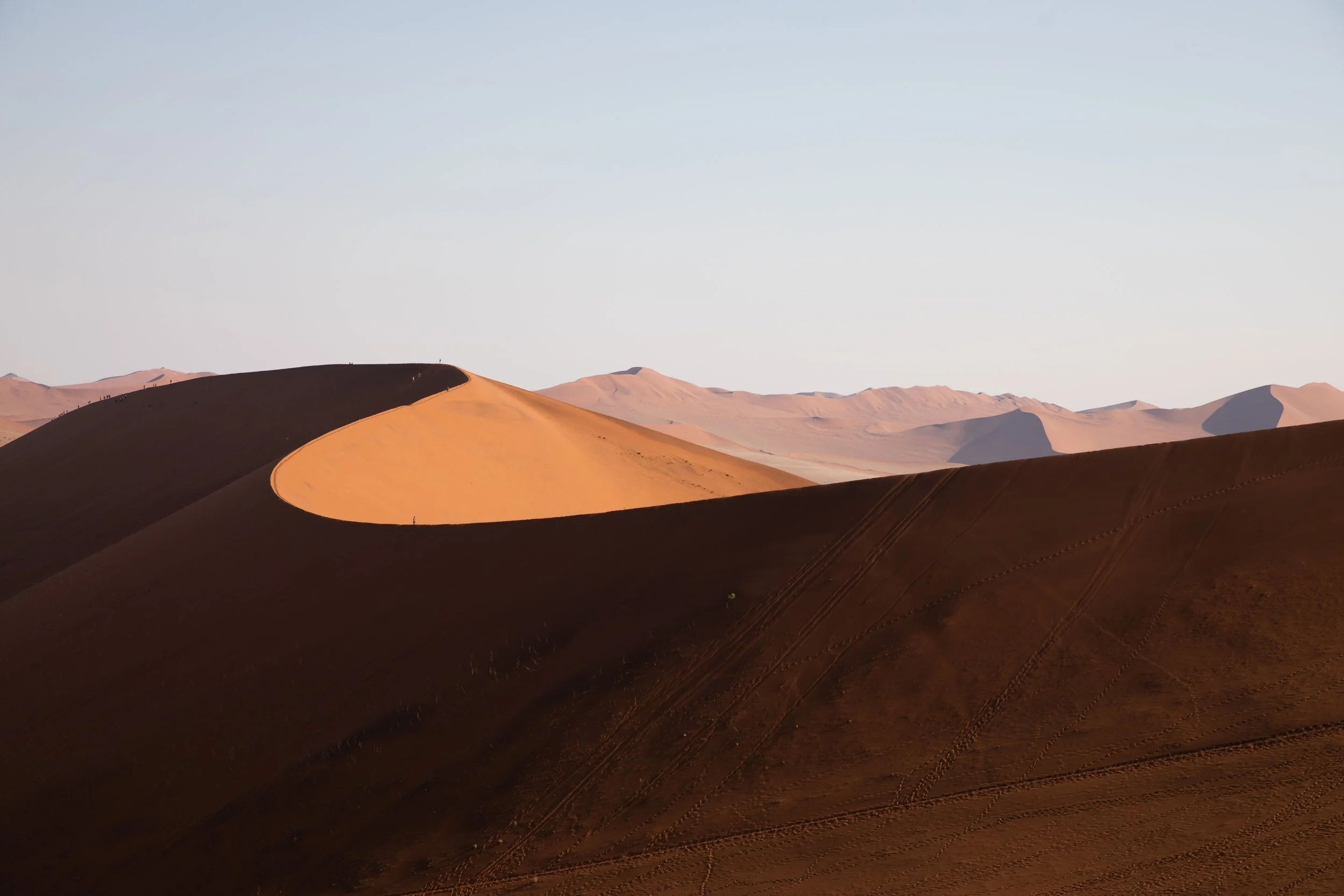
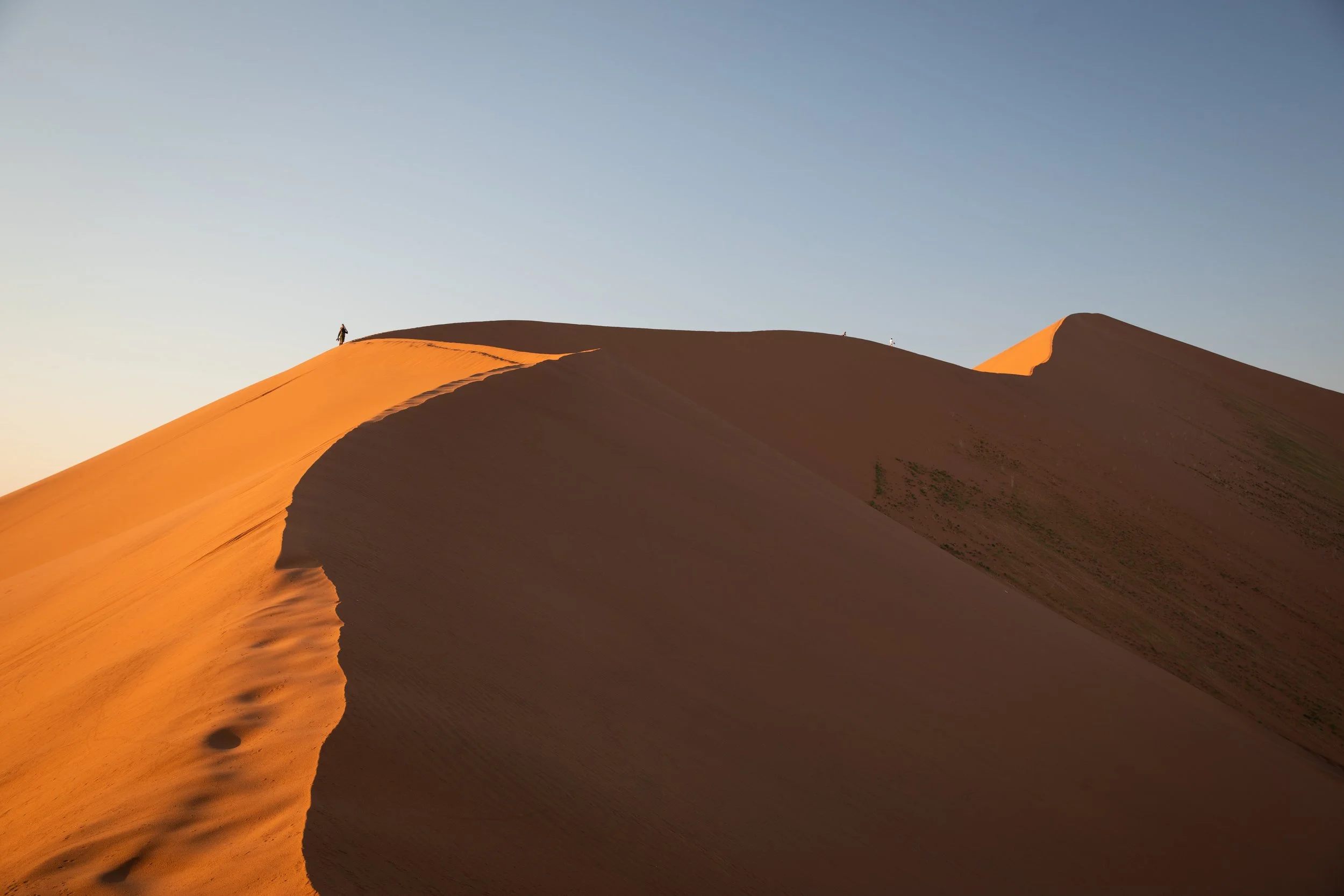
The landscapes were every bit as spectacular as I expected, and in some places even more impressive. The enormous dunes around Sossusvlei, the stark scenery of Deadvlei, Big Daddy and the rugged landscapes of Damaraland all felt incredible in person.
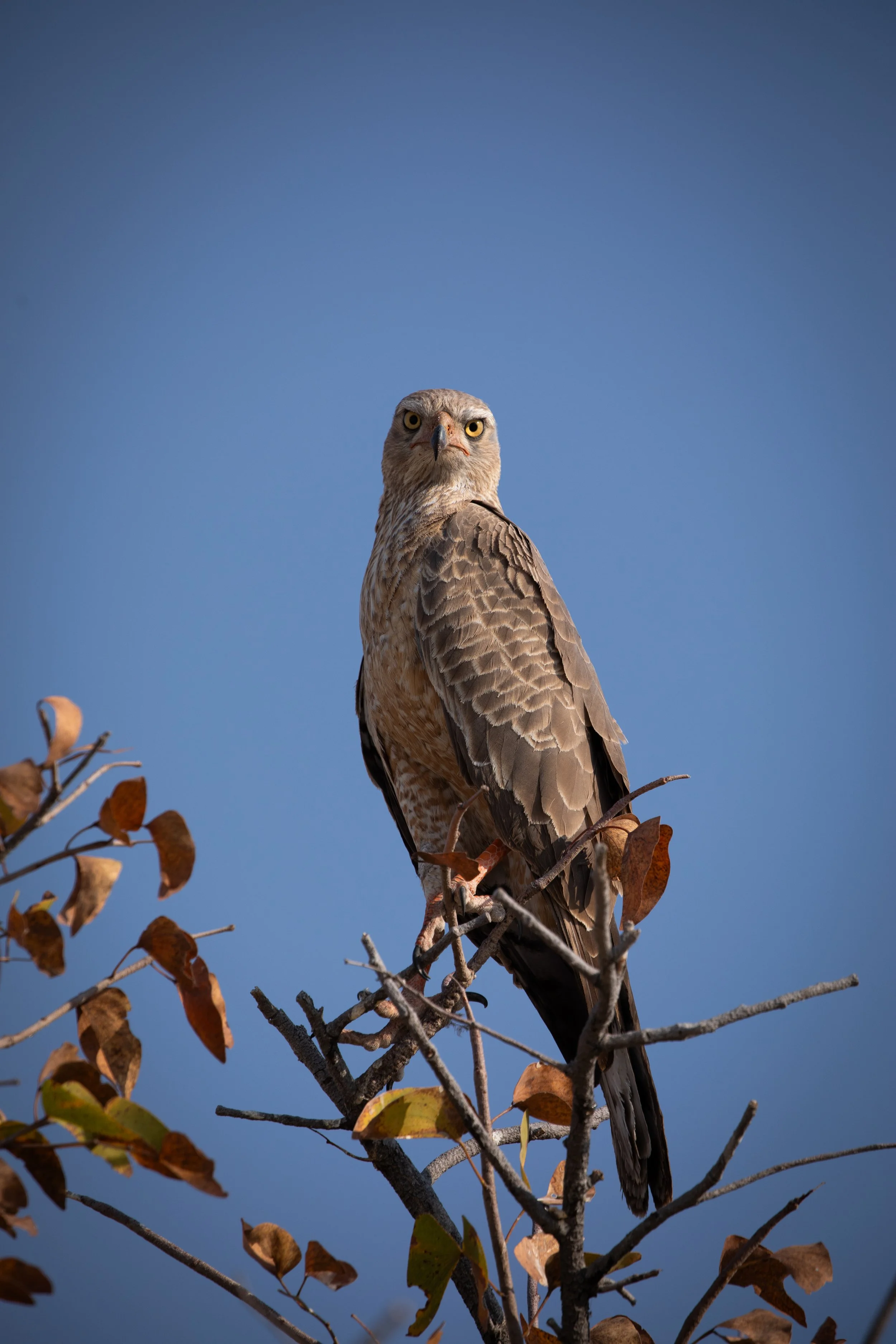
I also expected Etosha National Park to offer good wildlife viewing, although I was unsure how it would compare with more traditional safari destinations. We saw lions and a wide variety of other animals around the waterholes, although a leopard was one of the animals we missed. Etosha can provide excellent sightings, but wildlife is never guaranteed.
The biggest difference was that Namibia did not feel like a traditional safari trip. Wildlife was an important part of the journey, but the overall experience was just as much about desert landscapes, long road trips and the freedom to explore independently. If you are looking for constant animal encounters, another African destination may be a better choice. But if you want a varied trip that combines wildlife with incredible scenery, Namibia offers something quite different.
The Vibe: What Namibia Really Feels Like
Namibia has a certain character that is difficult to describe until you have been there.
I know “cool” is a fairly vague way to put it, but the country genuinely has that feeling. It feels rugged, self-assured and quietly confident, without needing to prove anything.
That attitude also came through in the people we met. There was a calmness about them, as though they would be able to handle almost any situation without making a big fuss. Namibia feels safe and welcoming, but it also feels like somewhere you should be prepared for. The huge distances, gravel roads and limited services mean that planning your route, fuel stops and accommodation properly is important.
That feeling was amplified by the way we travelled. Camping and driving a 4×4 made us feel much more connected to the environment, but it also made the trip feel more like a genuine adventure. We had to think ahead, be prepared for the roads and make sure we had what we needed before heading into more remote areas. It was never unsafe, but it did feel more self-sufficient than a normal holiday.
Despite that sense of preparation and self-sufficiency, Namibia never felt overwhelming or difficult to navigate. We visited in August, during peak season, yet it still felt far less crowded than other parts of Africa. Even at Etosha’s waterholes, there were usually only a few other people around. We never felt like we were competing with crowds for space or trying to see wildlife through a line of vehicles.
That combination is what stood out to me most: Namibia feels remote and adventurous, but also safe and manageable for visitors who take the time to plan properly. There is a little more effort involved than on a typical holiday, but that is also what gives the country its character. You feel like you are properly exploring somewhere rather than simply following a well-worn tourist route.
What I Love About Namibia
The biggest reason I loved Namibia was the outdoor wilderness experience.
Nearly all of the main attractions are based around nature, whether that is enormous sand dunes, open desert, wildlife, rocky landscapes or dramatic coastlines. Most days were spent outside, surrounded by the environment rather than moving between busy towns or indoor attractions.
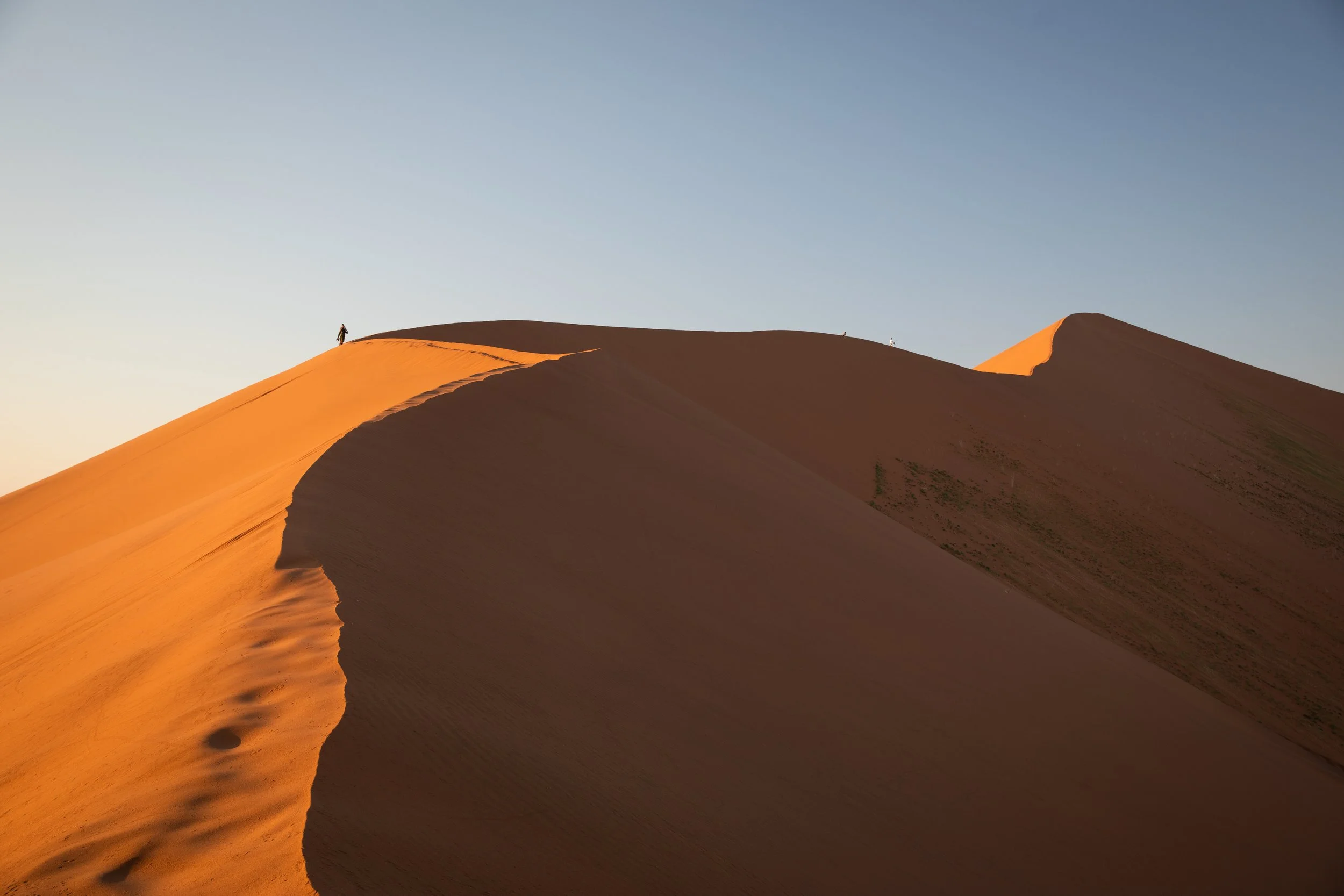
Sossusvlei, Deadvlei and Big Daddy were obvious highlights. The bright orange dunes, white clay pan and dead camel thorn trees look almost unreal, and seeing them in person gave me a much better appreciation of just how vast the Namib Desert is.
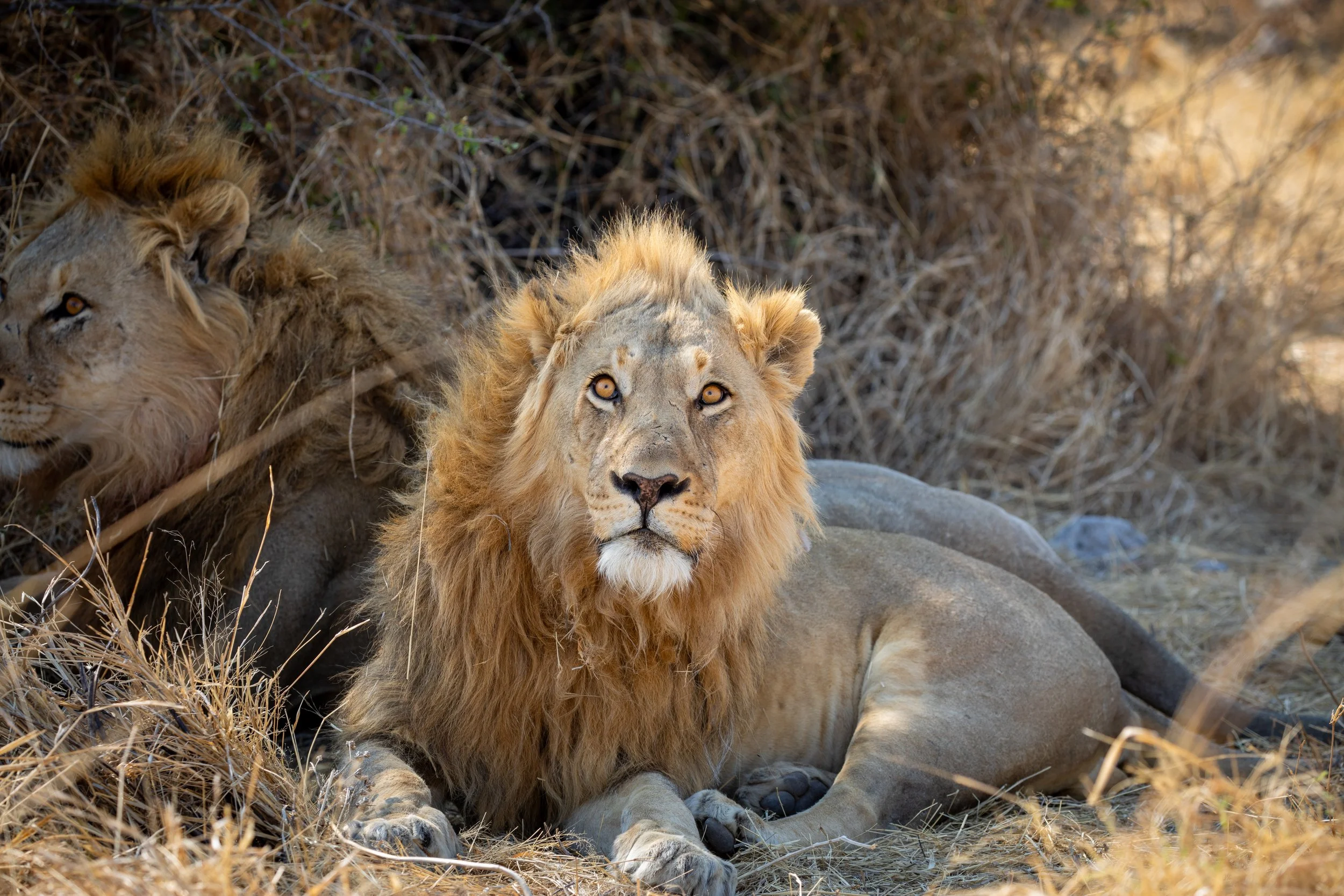
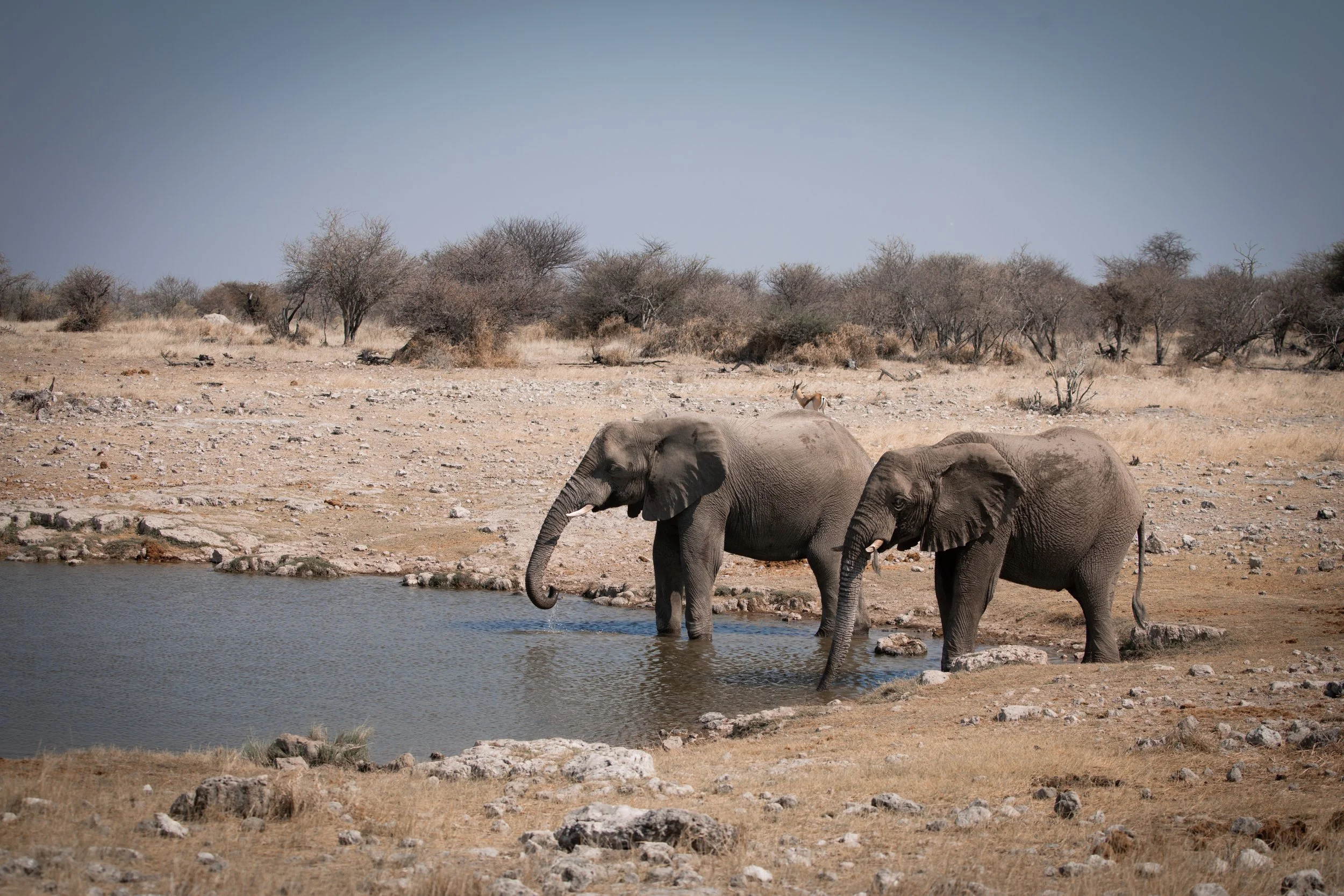
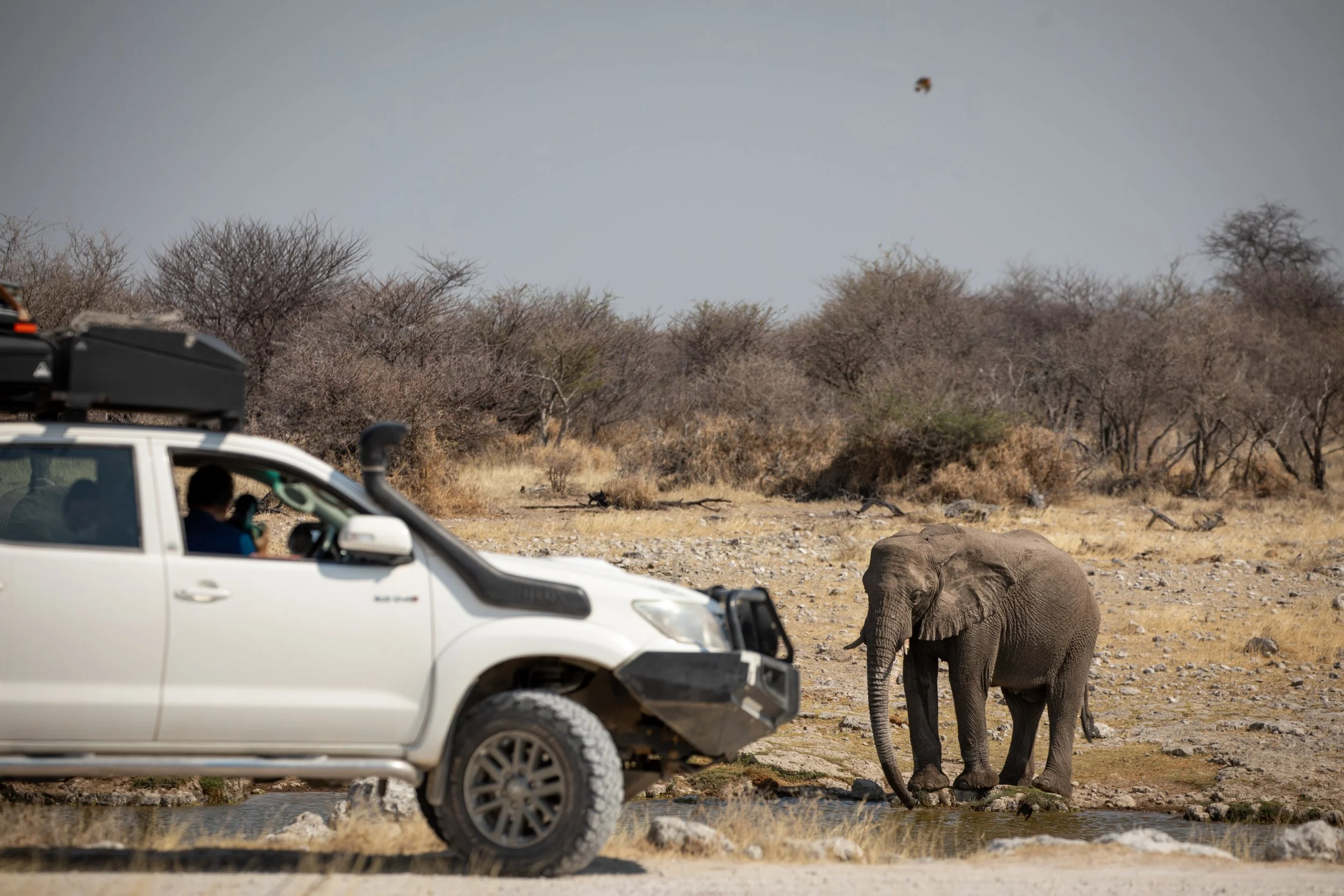
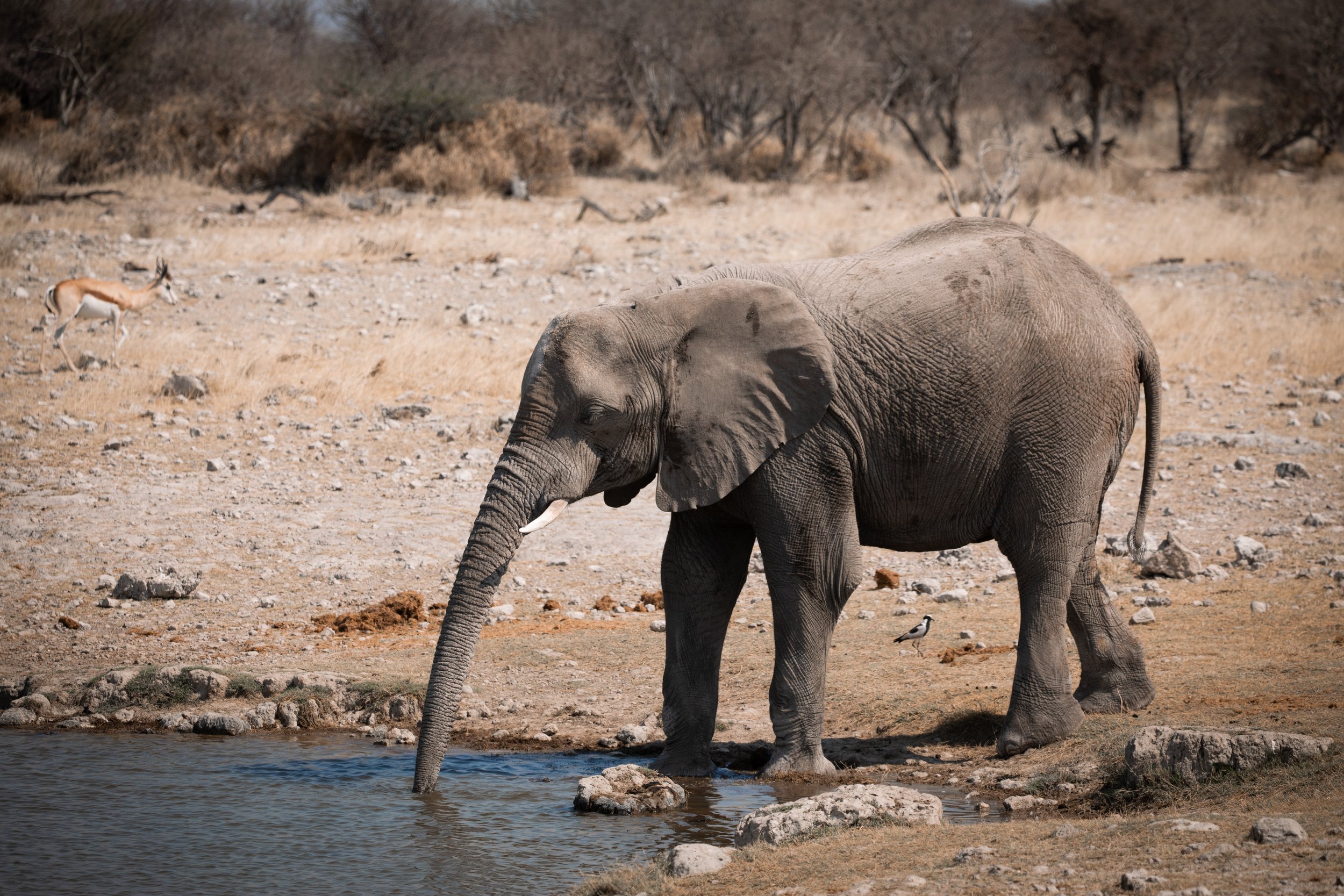
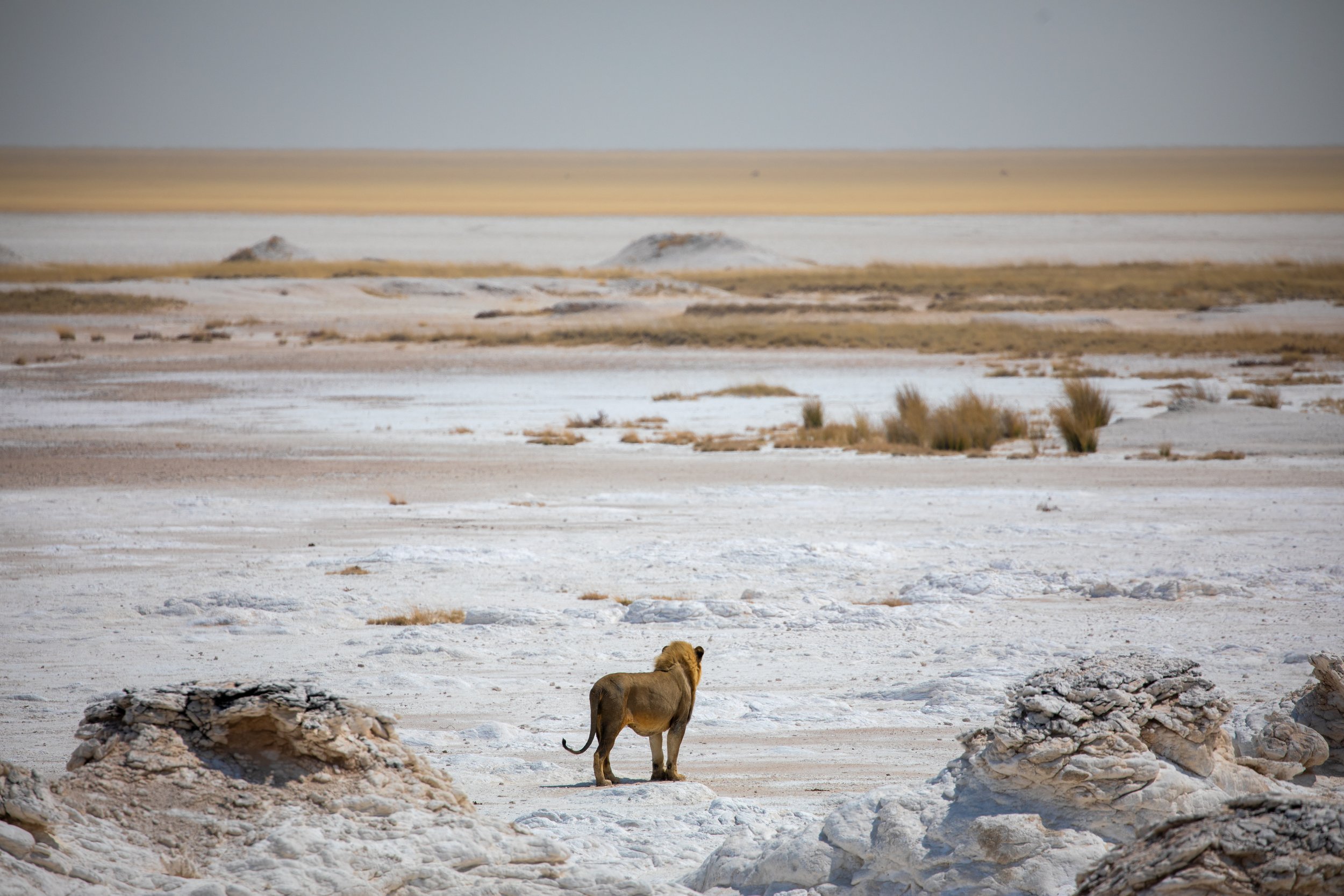
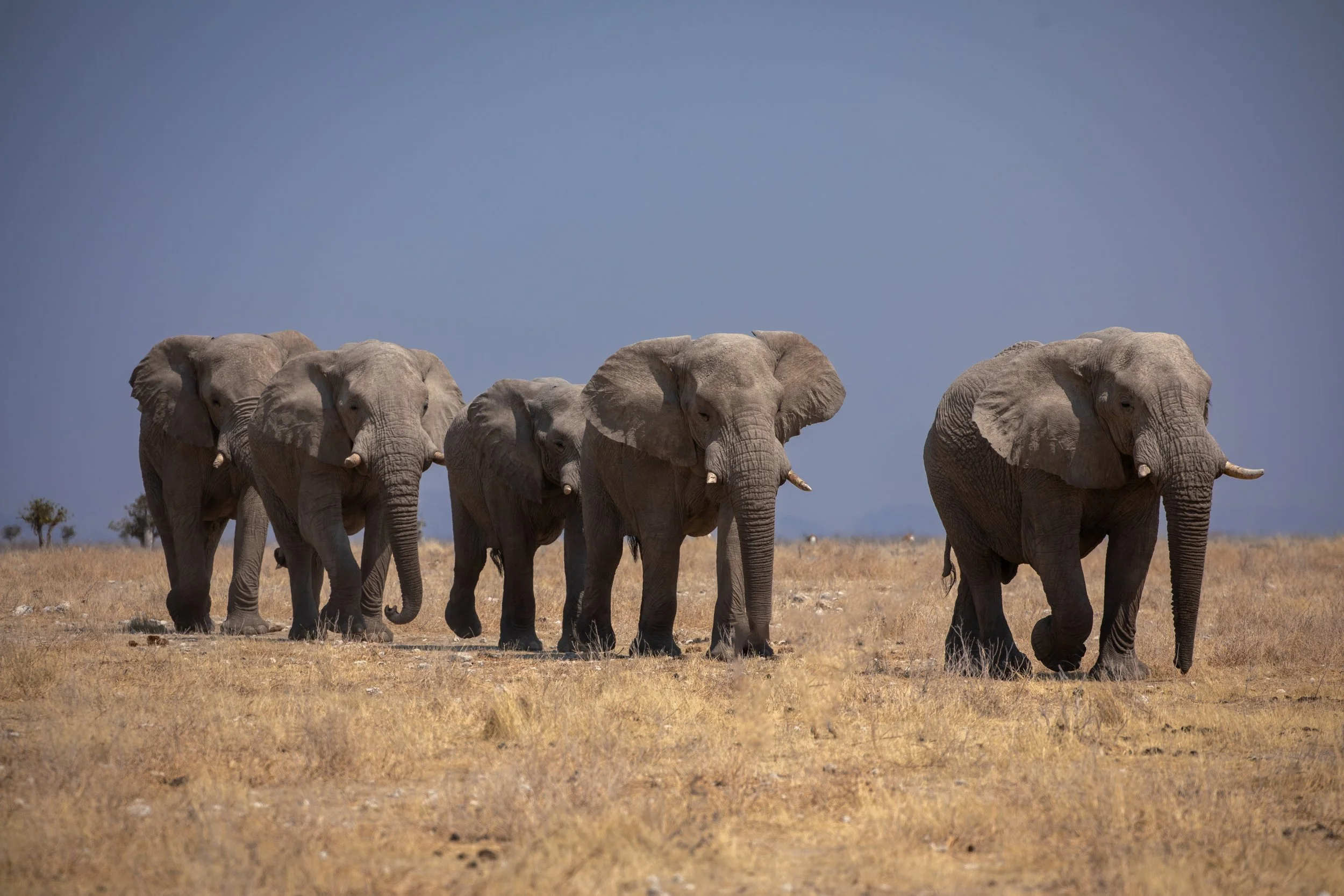
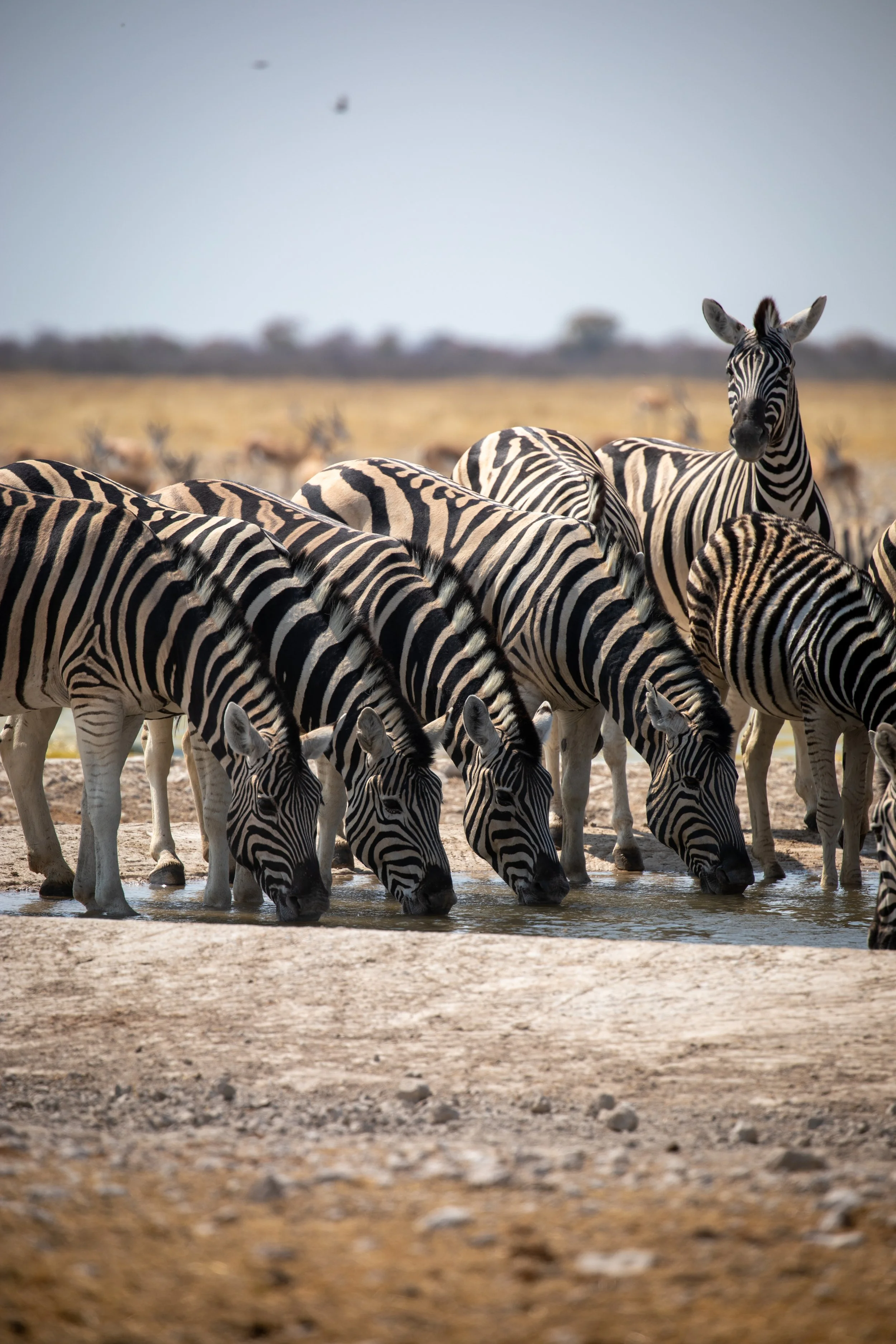
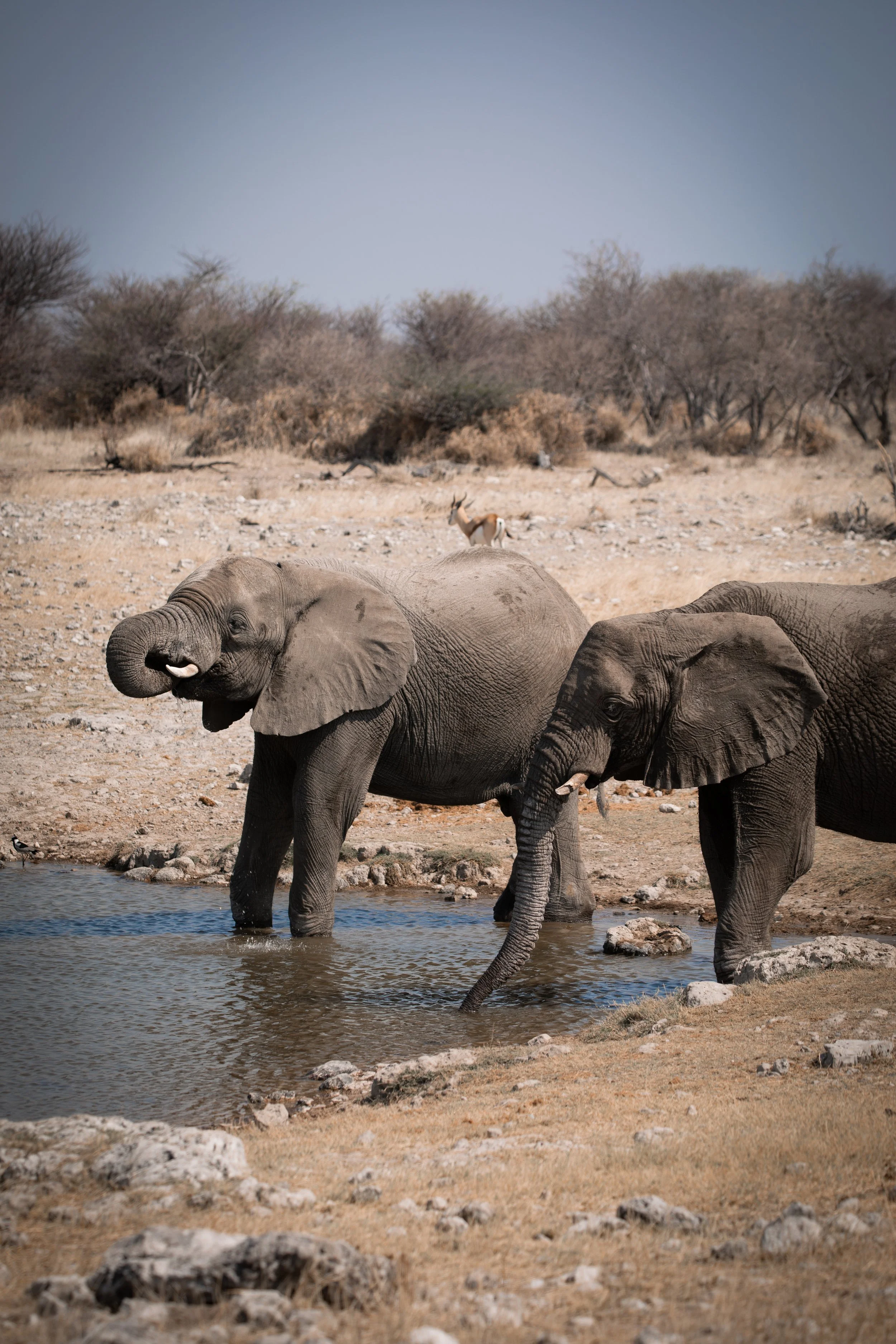
Etosha National Park was another major highlight, particularly because of the variety of wildlife around the waterholes. We saw lions, elephants, black rhinos, giraffes, zebras, springbok and a range of other wildlife. There was always a sense of anticipation when arriving at a waterhole and seeing what might be there. Some were quiet, while others suddenly became much more exciting when animals appeared. I loved being able to drive around the park ourselves, choose which waterholes to visit and decide how long we wanted to stay.
The freedom of self-driving was a huge part of what made the trip so enjoyable. I loved navigating our own way to places such as Sossusvlei and through Etosha, stopping whenever we wanted and spending longer somewhere that caught our attention. Compared with my previous African trip, which was on a large overland tour, Namibia felt much more flexible and personal.
Camping made that experience even better. I really enjoyed the campsites and the simple routine of arriving, setting everything up and spending the evening outdoors. Some of the locations were incredible in their own right, particularly Spitzkoppe, where we camped right next to enormous rocky outcrops. Waking up surrounded by that landscape was one of the most memorable parts of the trip.
Camping also helped keep the trip relatively affordable. Hiring a 4×4 can be expensive, but being able to camp meant we could explore a large part of Namibia without paying for costly accommodation every night.
What I loved most was that Namibia felt like a genuine outdoor adventure. The landscapes, wildlife, camping and freedom to explore independently all worked together to create a trip that felt very different from a standard holiday or organised safari.
What I Don’t Love About Namibia
The biggest downside for me was how taxing the long driving days could become when the itinerary was not planned carefully. Namibia is enormous, and distances that look manageable on a map can still take much longer than expected. Some days involved more driving than exploring, so I would strongly recommend giving yourself plenty of time rather than trying to rush around the country.
The road conditions also made the driving more challenging than I expected. I am used to driving on gravel roads in Australia, but some of Namibia’s roads were on another level. There were large corrugations, rough surfaces and significant washouts, particularly inside Etosha National Park. We had to drive carefully to avoid damaging the vehicle, which could be quite stressful at times.
For that reason, hiring the right vehicle is extremely important. A suitable 4×4 will make the journey much more comfortable and give you greater confidence on rougher roads. I would not choose a vehicle based purely on price, as having something capable and reliable can make a significant difference to the overall experience.
I also found some urban areas less enjoyable than the rest of Namibia, including Windhoek, Swakopmund and several smaller communities we passed through. We were harassed on occasions and warned by locals several times to be careful, so these places felt noticeably less comfortable than the remote areas and national parks. This may not be everyone’s experience, but based on our visit, I would treat places such as Windhoek and Swakopmund more as necessary stops than major highlights, and lower your expectations accordingly.
The costs can also add up quickly. Four-wheel-drive hire, fuel, accommodation, park fees and activities can make Namibia more expensive than expected, particularly if you are travelling as a couple or choosing more comfortable accommodation. Camping helps keep the costs down, but the vehicle and fuel are still significant expenses.
Who Namibia Is For
Namibia is a great fit for travellers who enjoy road trips and the freedom of exploring independently. If you like choosing your own route, stopping whenever something catches your eye and being responsible for your own journey, you will probably love travelling here.
It is also an incredible destination for photographers. The landscape photography is exceptional, from the light and colours of the Namib Desert to the dunes of Sossusvlei, Deadvlei and the rocky scenery of Spitzkoppe. The wildlife photography is just as rewarding, with Etosha offering opportunities to photograph lions, elephants, black rhinos, giraffes, zebras and other animals around the waterholes.
Namibia is particularly suited to people who enjoy wide open spaces and getting away from crowds. We visited during peak season, but it still felt remarkably quiet compared with other parts of Africa. If you do not enjoy big cities, busy attractions or constantly being surrounded by people, Namibia offers a refreshing change.
That freedom does come with some responsibility, particularly if you are travelling independently rather than joining an organised tour. I would say Namibia is better suited to reasonably experienced travellers, not because it is unsafe, but because you need to be self-sufficient in remote areas. You should be comfortable planning your fuel and route, knowing how to change a tyre, carrying the right supplies and having an idea of what to do if something goes wrong.
For me, that preparation was part of what made the trip so rewarding. You have much more freedom to choose your route and explore at your own pace, but you also need to take responsibility for yourself. If that sounds stressful, an organised tour may be a better option. If you enjoy the challenge, Namibia offers an incredibly memorable way to travel.
Featured Posts:
Who Namibia Isn’t For
Namibia may not be the best choice if your main priority is constant wildlife action. Etosha can be excellent, but you will not necessarily see large numbers of animals every day.
It may also disappoint travellers looking for a traditional guided safari. Namibia does offer guided game drives, but much of the country is experienced through self-driving. If you want guides tracking animals, communicating with other vehicles and taking you directly to wildlife, Kenya, Tanzania, Botswana or a private reserve in South Africa may be a better fit.
Namibia is not ideal for people who dislike long travel days or early starts. The distances are unavoidable, and even a well-planned itinerary can involve several hours of driving between destinations. The best scenery and wildlife viewing also tend to happen around sunrise and sunset, whether you are watching the light over the dunes or waiting for animals at a waterhole. If you enjoy sleeping in and taking your mornings slowly, you may find the schedule a little tiring.
It may also not suit anyone looking for beaches, nightlife, tropical scenery or a polished travel experience. Namibia has a dramatic coastline around places such as Swakopmund and the Skeleton Coast, but it is not a warm tropical beach destination. Much of the country is dusty and rugged, particularly when travelling on gravel roads or camping, so you need to be comfortable getting a little dirty and accepting that the trip will not always feel polished or luxurious.
Namibia may also be less suited to travellers who want a highly social backpacking experience. There are hostels and organised tours, but the overall travel style is more spread out and independent than in destinations with a well-established backpacking route.
Food is another consideration, particularly for vegetarians. Namibia has vegetarian options, but meat is a major part of the food culture, from braais and grilled meat to biltong and other traditional dishes. If you enjoy eating meat, you will probably find the food side of the trip much easier. Vegetarians can still travel comfortably, but may need to plan meals more carefully, particularly when camping or staying in remote areas.
Finally, Namibia may not be the right choice if your ideal African trip is centred around busy markets, frequent local interaction and a strong cultural focus. Namibia has its own history and culture, but the main travel experience is much more focused on landscapes, wildlife and wilderness.
Namibia or Another African Destination?
If you are deciding between Namibia and another African destination, there is no single right answer. It really depends on what type of trip you want. Namibia is particularly strong for dramatic landscapes, self-driving, photography and a sense of independence, while other destinations may offer more concentrated wildlife or a broader range of activities.
Namibia vs Botswana?
I would choose Botswana over Namibia if my main priority was a more concentrated and luxurious safari experience. The Okavango Delta and surrounding reserves offer exceptional wildlife viewing, specialist guides and unique water-based activities. Botswana is particularly appealing if you want to spend your days on guided game drives, mokoro trips or boat safaris rather than covering long distances by road.
I would choose Namibia if I wanted a more independent and varied road trip. Namibia offers dramatic desert and dune landscapes, excellent self-drive opportunities, camping and a much broader itinerary beyond wildlife. Sossusvlei, Deadvlei, Spitzkoppe and Etosha give the trip a combination of scenery, wildlife and adventure that Botswana does not offer in quite the same way.
However, I think Namibia and Botswana could work extremely well as a combined trip. Namibia would provide the desert landscapes, self-drive adventure and road-trip experience, while Botswana could add a more concentrated safari with specialist guides and water-based wildlife activities. If you have enough time and budget, combining the two would give you a much more complete Southern African experience.
Namibia vs Kenya or Tanzania?
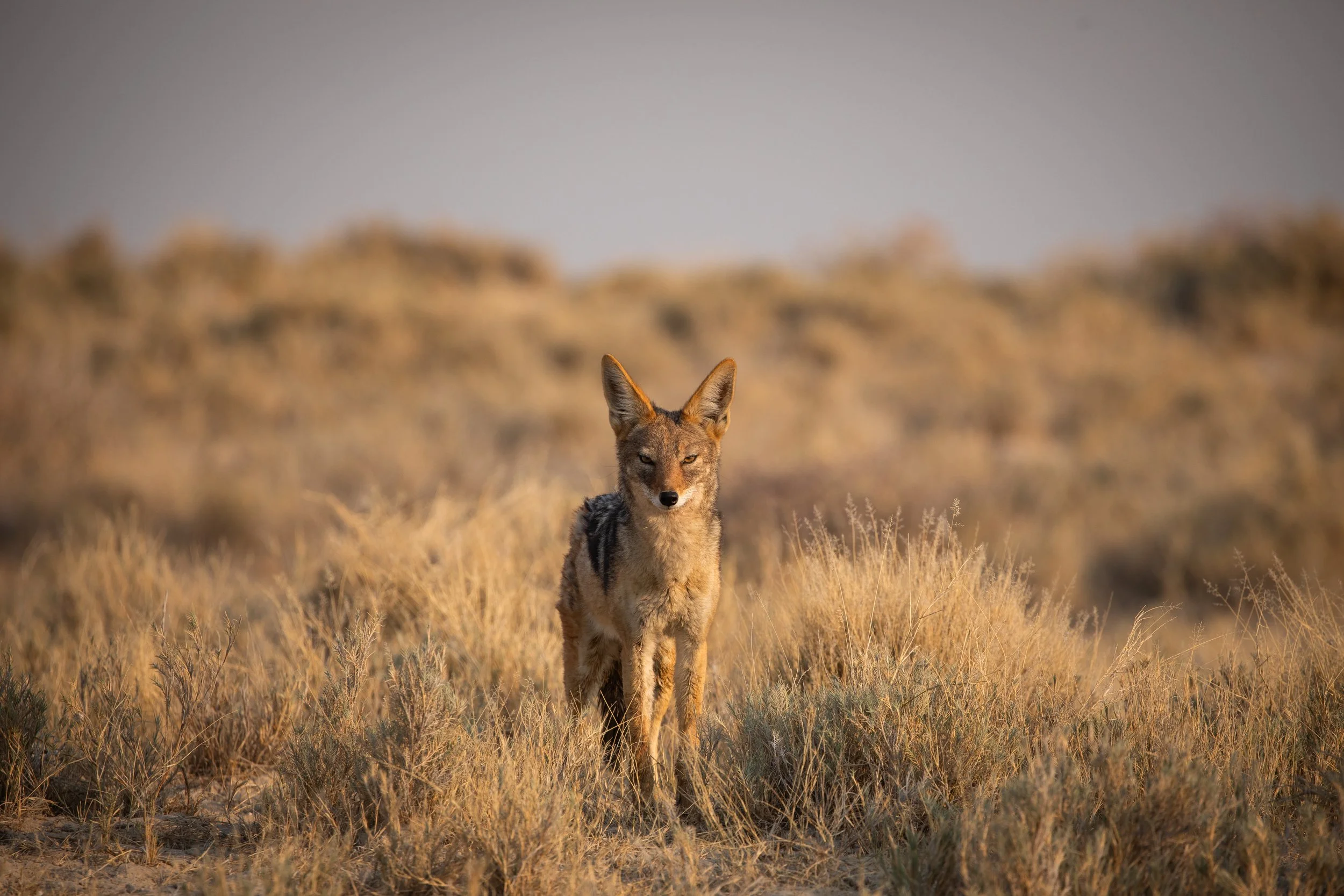
Kenya and Tanzania would probably be my first choice over Namibia if wildlife sightings; particularly spotting the Big Five, finding big cats and seeing the Great Migration, were the main priorities of your African trip. When I visited, it was certainly easier to find the Big Five, and there seemed to be a greater abundance of predators than we encountered in Namibia. These countries offer more concentrated wildlife viewing, large herds and some of the continent’s most famous safari experiences.
However, you are also more likely to experience these destinations as part of an organised safari, particularly if you want access to the best wildlife areas. Licences, park logistics and safety considerations can make independent travel more complicated than in Namibia.
Namibia is a better choice if you want wildlife combined with huge landscapes, desert scenery and the freedom to travel independently. The focus is less on big cats and large-scale wildlife spectacles alone, and more on the overall journey.
Namibia vs South Africa?
South Africa offers more variety in a single trip. You can combine excellent wildlife viewing with cities, food, wine regions, beaches, mountains and cultural attractions. The landscapes are also more varied, ranging from the Cape’s coastline and vineyards to the mountains, forests, beaches and open savannah found across the country.
South Africa also offers good self-drive opportunities, particularly in Kruger National Park, where you can arguably experience far more frequent wildlife sightings than in Etosha. However, I would be more cautious about recommending independent driving throughout South Africa. There is substantially more risk involved, particularly around some of the major cities and urban areas, where safety concerns can be serious. You need to be much more aware of where you are driving, where you are stopping and which areas you are staying in.
Namibia is more remote and focused on wilderness, but it also offers something South Africa does not: vast desert and dune landscapes that are genuinely unique to Namibia. The towering dunes of Sossusvlei, the stark scenery of Deadvlei and the enormous scale of the Namib Desert create a type of landscape you will not find elsewhere in the same way.
My Final Verdict: Is Namibia Worth Visiting?
Namibia is absolutely worth visiting, but I think its appeal depends on choosing it for the right reasons.
It would not be my first choice if my main goal was constant wildlife action or seeing large numbers of predators. For that, I would look more closely at Kenya, Tanzania, Botswana or a private reserve in South Africa.
I would choose Namibia for its extraordinary desert landscapes, incredible photography and the freedom of travelling independently. Hiring a 4×4, navigating the country ourselves and camping in places such as Spitzkoppe made the trip feel like a genuine adventure rather than a standard safari.
It does require preparation, patience and a willingness to deal with long drives, rough roads and remote conditions. But if you enjoy outdoor travel, camping and having the independence to explore at your own pace, Namibia is a genuinely memorable destination, and one I would be very happy to return to.
Related Posts:
Considering Namibia but wondering whether another African destination would be a better choice? This honest review covers what I expected, what Namibia is really like, its landscapes, wildlife, self-drive experience, costs, drawbacks and who I think should visit.