
If you’re weighing up whether to self-drive through Namibia’s Etosha National Park, book guided game drives, or combine both, you’re certainly not alone.
Before visiting Etosha, I found plenty of information about the park’s famous waterholes, abundant wildlife, and well-demarcated self-drive routes. However, deciding whether a guided game drive was worth the additional cost, and whether it would actually provide a better wildlife experience, felt less straightforward, especially as fellow travellers we met along the way offered surprisingly conflicting opinions about the best way to explore the park.
Self-driving offers the freedom to explore at your own pace, while guided drives promise expert knowledge, better chances of finding wildlife, and access to experiences such as night drives. After spending time exploring Etosha, I wanted to answer the question I kept asking myself throughout the planning process: is it better to self-drive, book guided game drives, or use a combination of both?
Key Takeaways
My Verdict: Self-drive with a few guided game drives is the best approach
Best Value: Self-driving, particularly if you already have a rental car and several days to explore
Best Guided Experience: An early-morning or night game drive arranged through a camp inside Etosha
Biggest Advantage of Self-Drive: The freedom to spend as long as you want at waterholes and wildlife sightings
Biggest Advantage of a Guide: Local knowledge, radio communication and a more efficient way to find wildlife when time is limited
Most Important Factor: The amount of time and patience you are willing to invest may matter more than whether you choose guided or self-drive
Would I Do It Again: Absolutely, I would make self-driving the foundation of the trip and add a few carefully chosen guided drives
Is Etosha Better With a Guide?
At first, booking a guided game drive in Etosha National Park can seem like an unnecessary extra expense when you can simply explore the park yourself. However, having an experienced guide take care of the driving, navigation and wildlife spotting can create a very different kind of safari.
The value of a guided drive depends on more than just the sightings themselves. The cost, quality of the guide, access to night drives, photography opportunities and overall atmosphere all influence whether the experience feels worthwhile. These are the main factors I considered when deciding what a guided game drive in Etosha really offers.
What Are You Really Paying For on a Guided Safari in Etosha?
You are paying for more than transport around Etosha; the cost covers the safari vehicle, guide, fuel, planning, water and access to experiences such as early-morning or night drives. The exact arrangement depends partly on where you are staying.
Drives can be arranged through the NWR camps inside the park, such as Namutoni, Halali and Okaukuejo, or through lodges and tour operators based outside the park. While the prices are generally similar, the experience and access can be quite different.
When staying inside the park, each NWR camp typically offers morning, afternoon and night game drives. Morning drives have the major advantage of leaving around 30 minutes before the park opens to the general public, giving you an early start when wildlife is often more active and allowing you to reach the waterholes before most visitors arrive. Afternoon drives are also available, while night drives are only possible when staying inside the park, as visitors must be back inside the gates before they close.
Guided drives arranged from outside the park generally have to follow the same opening and closing times as everyone else. This means you will need to queue at the main gate when it opens and leave at the same time as the general public, even if you are travelling in an organised safari vehicle. The main advantage of booking from outside is that operators will often offer full-day game drives, giving you more time in the park rather than being limited to a morning or afternoon departure.
At the time of our visit, shared half-day drives arranged through the camps cost approximately 650 NAD per person, with night drives being slightly more expensive. These usually operate in an open-sided safari vehicle with around nine or ten guests plus the guide, and water is generally included in the price.
Drives booked through operators outside the park are similarly priced for shared vehicles, although private options are also available. A private game drive may cost around 1,400 NAD per person, depending on the operator and the length of the drive. This provides much more control over the vehicle, pace and itinerary, although it is important to confirm exactly what is included when comparing prices.
If you are looking to book a guided safari please read my comprehensive guide to Etosha National Park
What Does having a Guide in Etosha Actually Add?
A guide adds local knowledge, wildlife-spotting expertise and valuable context that can make your time in Etosha National Park more rewarding. Experienced guides understand the different areas, waterholes and road networks, and often know where particular animals are likely to be found.
They are also skilled at spotting animals that can be surprisingly difficult to see, particularly those resting in the shade, camouflaged in the vegetation or positioned a long way from the road. A guide may notice a lion hidden beneath a tree, identify fresh tracks or understand why several vehicles have stopped before you have seen anything yourself.
Their knowledge adds another layer to the experience as well. Rather than simply seeing an elephant, rhino or herd of zebra, you can learn about its behaviour, habitat and relationship with the wider Etosha ecosystem. The quality of the experience depends heavily on the individual guide, but when you have someone knowledgeable and engaged, their expertise can make the additional cost feel much more worthwhile.
Does a Guide in Etosha Help You Find More Wildlife?
It is easy to assume that booking a guide automatically means seeing more wildlife, but I’m not sure the difference is always that clear-cut. A guide’s knowledge of the landscape and communication with other vehicles can certainly improve your chances, yet the biggest determining factor may simply be how much time you are willing to spend looking.
Going on safari is ultimately a team sport. The more eyes searching the landscape, the better the chance of spotting something, and everyone in the vehicle has a slightly different viewpoint. During our drives, other travellers were often the first to notice animals, simply because they happened to be looking in a different direction or scanning a section of bush that the guide could not see.
The guide’s radio network was still a major advantage. Guides are often communicating with other vehicles across the park, sharing information about recent sightings and alerting one another when something interesting has been found. This can provide a much broader understanding of what is happening throughout Etosha than an independent visitor is likely to have.
However, that information does not necessarily translate into more wildlife sightings every time. A self-drive visitor who spends hours moving between waterholes, waiting patiently and returning to promising locations may see just as much, or potentially more, than someone on a shorter guided drive. A guide can help direct your attention and improve your chances, but time, patience and persistence may ultimately matter more than the presence of a guide alone.

Are Guided Game Drives in Etosha Better for Photography?
Not necessarily, guided game drives are more convenient for photography, while self-driving often provides greater creative control. Photography is a major reason many visitors come to Etosha National Park, but neither option is automatically better.
One clear advantage is that you do not have to concentrate on driving or navigating. You can remain ready with your camera throughout the drive, rather than constantly switching between watching the road, looking for wildlife and trying to find a safe place to stop. A guide may also know how to position the vehicle, approach an animal carefully and anticipate where it might move next.
However, you are restricted to the viewpoint available from the safari vehicle. Depending on the vehicle and where you are sitting, your view may be partly blocked by other passengers, and several people may be competing for the same angle when an animal appears. You also have less control over how long you stay, where the vehicle stops and whether the guide can position everyone for the ideal photograph.
Self-driving gives you more independence and control over your composition. You can choose your position, wait patiently and move the vehicle slightly if another car is blocking your view. The trade-off is that you must also remain focused on driving and navigating, which means you may not be as immediately prepared when wildlife appears.
Ultimately, guided drives may be more convenient for photography, while self-driving can offer greater creative control. However, a fully private guided tour could provide the best of both options, combining an experienced guide and the ability to stay focused on photography with greater control over the vehicle’s position, viewing angles and time spent at each sighting.
Featured Posts:
What Makes Self-Driving Through Etosha So Appealing?
Self-driving is one of the features that makes Etosha National Park so accessible, and relatively unique among major African safari destinations. With established roads, clear routes and a network of waterholes, independent travellers can explore much of the park without needing a guide or joining an organised safari.
The appeal is not only the potential cost saving, but also the sense of discovery. You decide where to go, how long to stay and whether to wait for something interesting to happen. Every sighting feels more personal because you found it for yourself, and the ability to experience a genuine African safari from behind your own steering wheel is something that is not possible in every national park.
If you are planning to book a 4X4 and drive through Etosha yourself please read my complete guide to booking a 4×4 in Namibia.
Is Self-Driving in Etosha Actually Cheaper?
Self-driving in Etosha will generally be the more affordable option if you are already planning to hire a rental car for a wider Namibia road trip, which most independent travellers will be unless they are joining an organised tour. In that case, the vehicle is already a necessary expense, so exploring Etosha yourself mainly adds the park entry fees and fuel rather than the extra cost of a separate game drive.
The saving becomes more noticeable the longer you stay in Etosha, as you can explore independently without paying for a guided drive each morning or afternoon. However, self-driving is not free, and vehicle hire, fuel, park fees and accommodation still form part of the overall safari cost. The main advantage is that you are making better use of a vehicle you were likely going to hire anyway.
Can You Easily Find Wildlife Without a Guide?
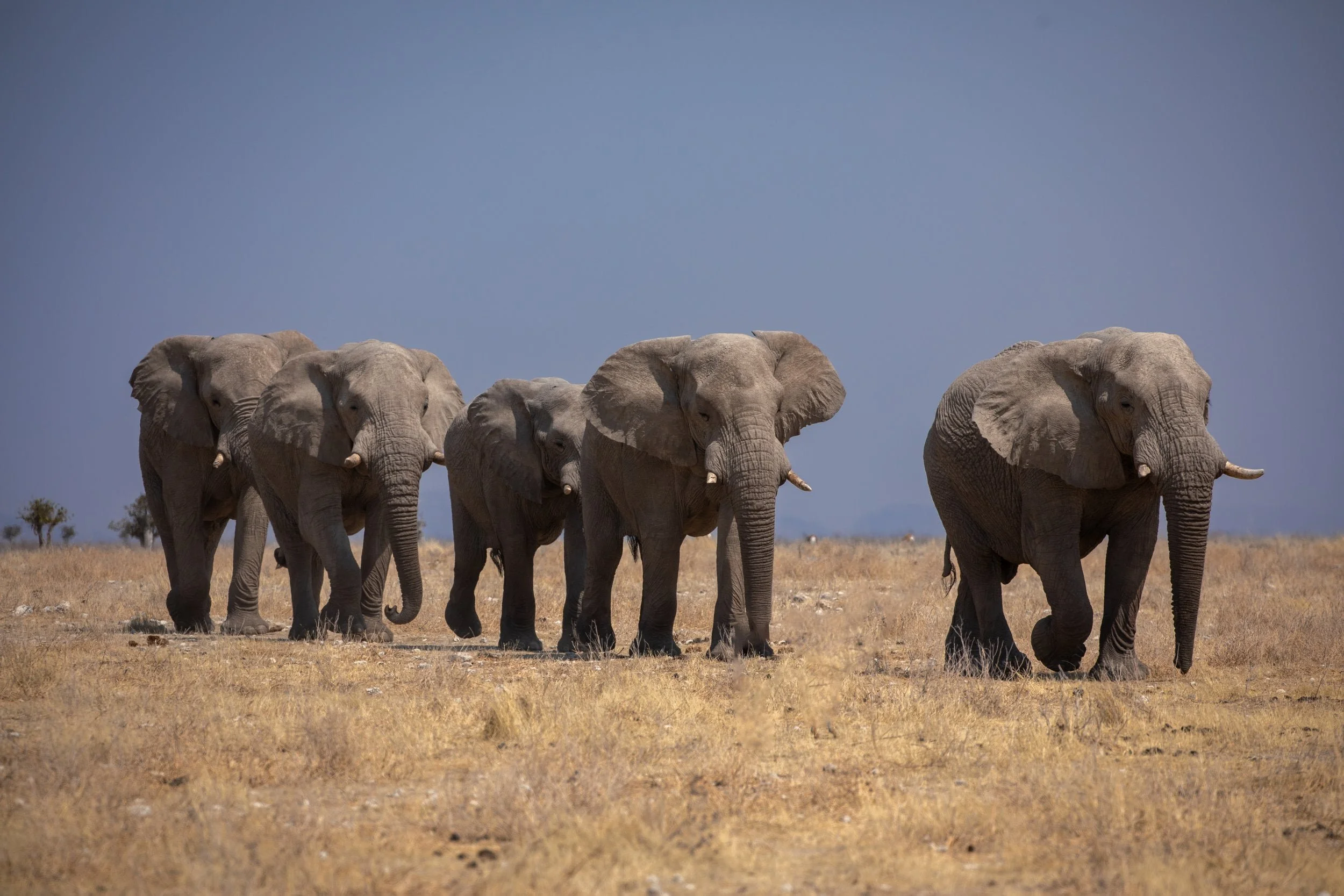
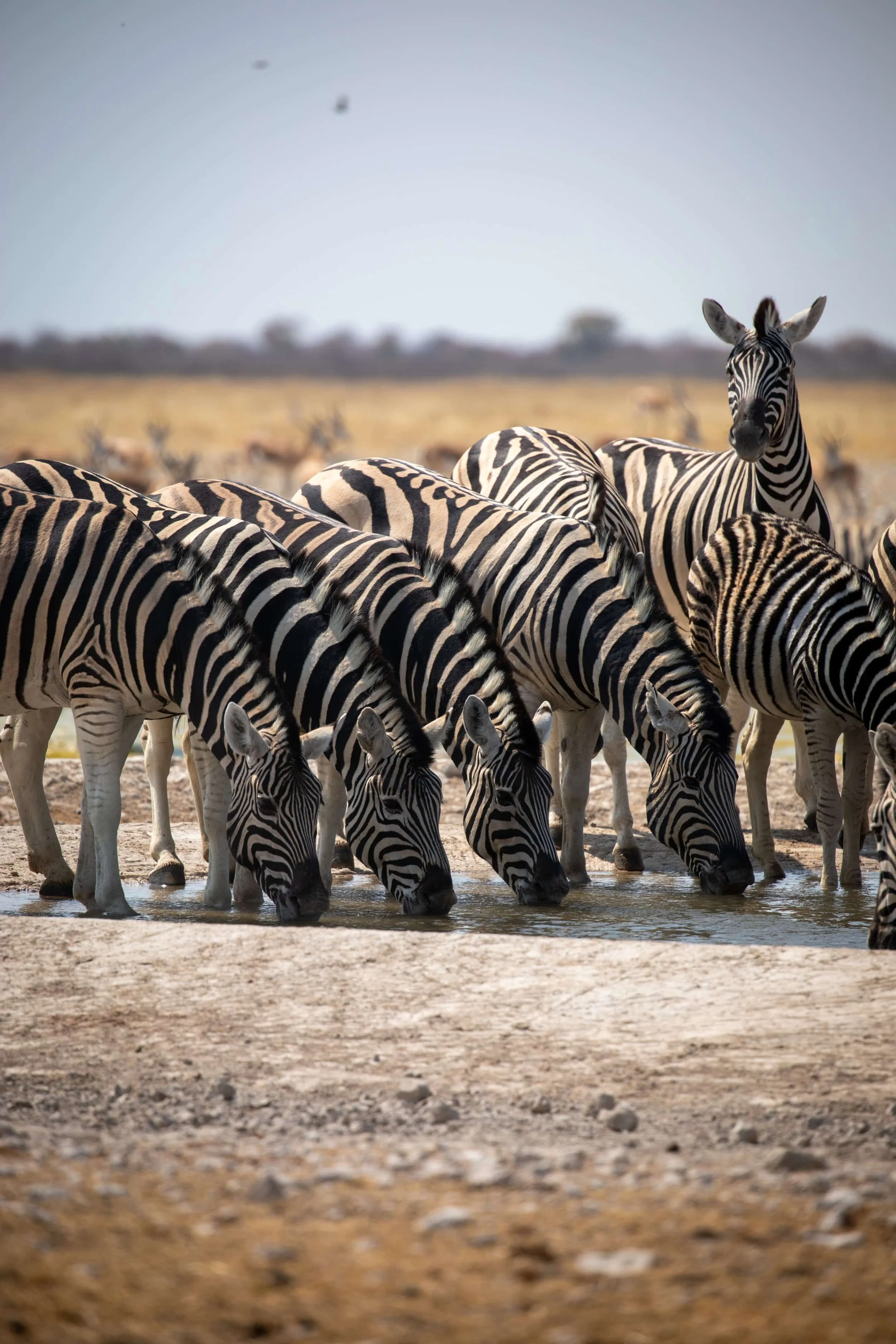
Yes, you really can find plenty of wildlife in Etosha without a guide. The park’s waterholes make independent wildlife viewing surprisingly accessible, and we managed to find most of the animals we were hoping to see ourselves, including elephants, giraffes, zebras, antelope and lions.
This is fundamentally the reason you are visiting Etosha National Park, so being able to locate wildlife independently is an important part of the experience. However, if you are short on time, a guided drive may be more effective, as an experienced guide can use local knowledge and radio communication to direct you towards recent sightings instead of leaving you to search for yourself.
The time of year also makes a significant difference. During the dry season, water becomes scarce and animals tend to congregate around the remaining waterholes, making them much easier to find. In the rainy season, water is more widely available and wildlife becomes more dispersed, so having a guide may be particularly useful for locating animals across the park.
Predators can still be more difficult to locate, particularly when they are resting in the shade or hidden among the vegetation. We unfortunately did not see a leopard during our time in Etosha, but this appears to be a common experience, as leopards are relatively rare and elusive throughout the park. A guide may improve your chances, but at the end of the day even professional drivers cannot guarantee a sighting.
How Much Freedom Do You Gain by Driving Yourself?
Self-driving gives you far more control over your time in Etosha. You decide which roads to explore, when to stop, whether to return to a waterhole and how long to remain with an animal.
I would honestly consider it one of the best things to do in Namibia.
It also allows you to turn the journey between camps into part of the safari. For example, you can leave Halali in the morning and spend the day exploring the roads and waterholes between camps before arriving at Namutoni for check-in. Rather than travelling directly from one accommodation to the next, the drive itself becomes another opportunity to find wildlife.
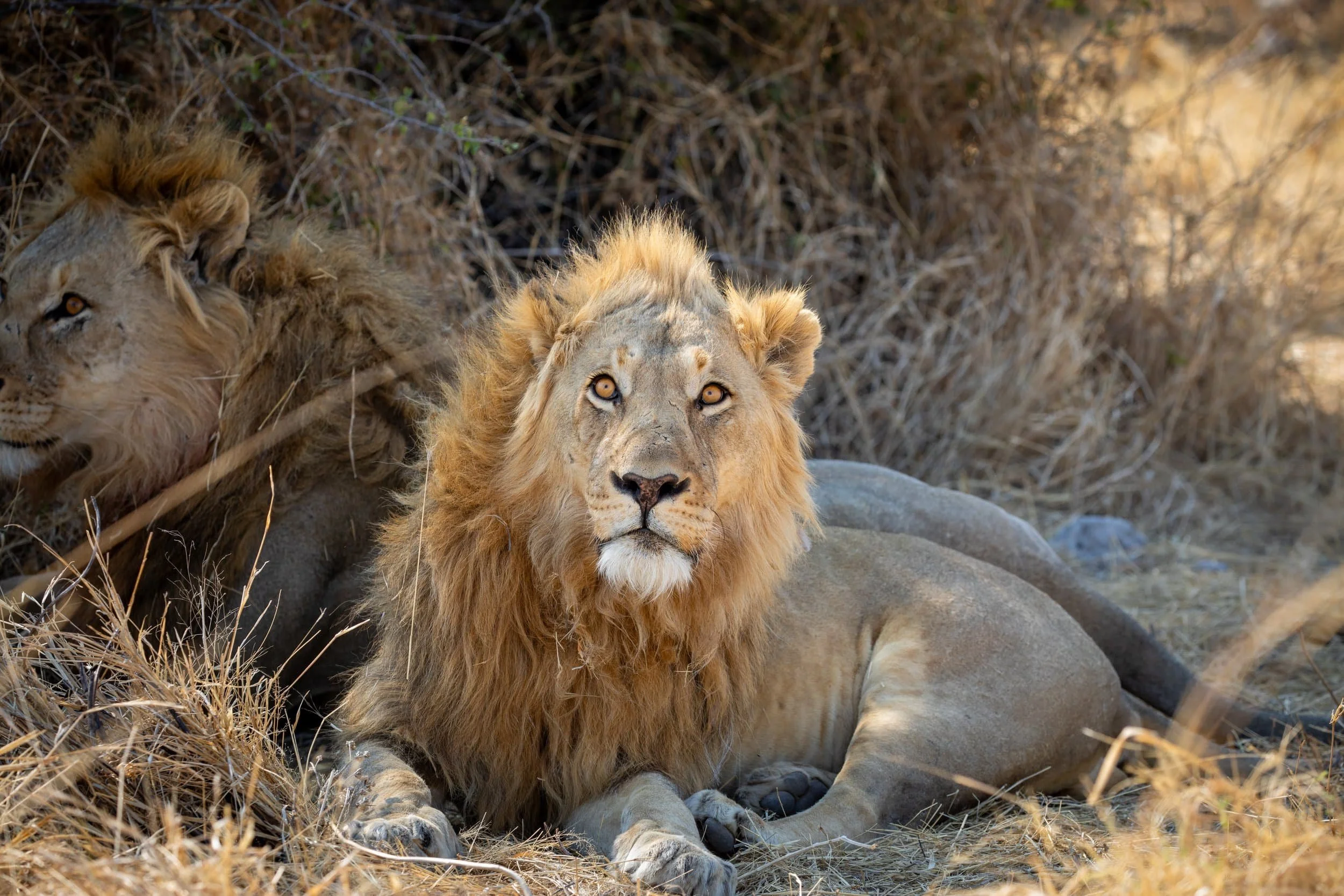
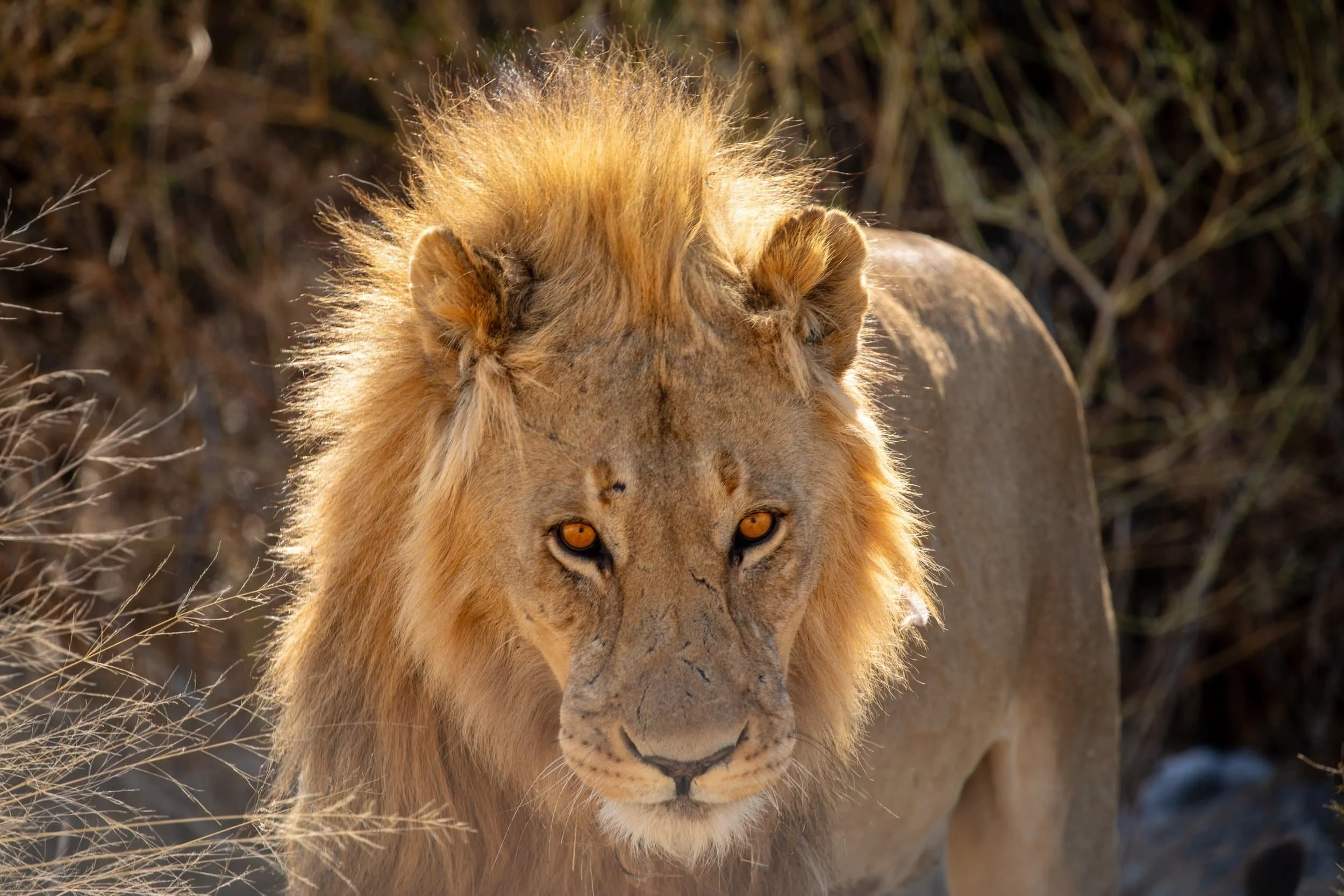
The biggest advantage we found was being able to stay with animals for as long as we wanted. For example, we spent a couple of hours with a group of lions, while a guided vehicle arrived, stopped for around five minutes and then continued with its scheduled route. The guide may have known exactly where the lions were, but the fixed itinerary meant their passengers had much less time to enjoy the sighting.
Which Is the Better Way to Experience Etosha?
Ultimately there is no single best way to experience Etosha National Park. The right choice depends on how much time you have, whether you already have a rental car, how important photography and flexibility are to you, and whether you want access to experiences such as night drives.
When Does Paying for a Guide Make Sense?
A guided game drive is most worthwhile for travellers who are short on time and want to make their hours in Etosha as efficient as possible. Guides can draw on their knowledge of the park and information from other vehicles, helping you focus your limited time on the areas where wildlife has recently been spotted.
The other major reason to book one is if you particularly value the knowledge-sharing aspect of a safari. For me, learning more about the animals being observed and understanding what was happening around the park would be a stronger reason than simply being driven between waterholes.
Finally, a guided drive may be essential if you want to join a night drive, which is exclusively available to visitors staying inside the park. Otherwise, if you have several days in Etosha and enjoy taking your time, self-driving may provide better value and greater flexibility.
When Is Self-Driving the Better Option?
Self-driving is likely the better choice if you have several days in Etosha National Park, already have a rental car and enjoy exploring at your own pace. It gives you the freedom to spend longer at sightings, move between camps while continuing to look for wildlife and make decisions based entirely on what interests you in the moment.
It is also particularly well suited to photography, where patience, positioning and time can make a major difference. If you are prepared to put in the hours, self-driving can provide an incredibly rewarding safari without needing to pay for a guided drive each day.
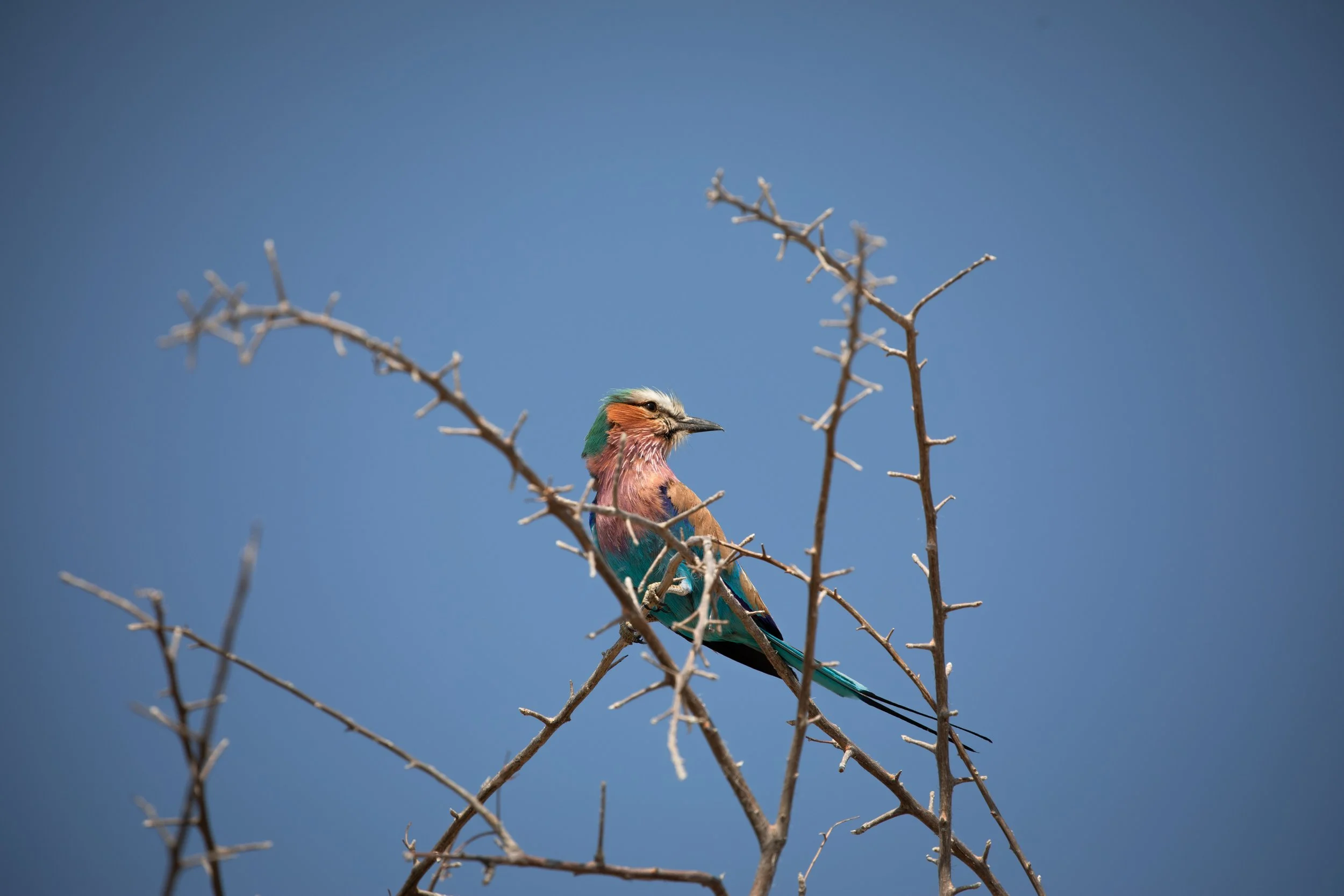
My Honest Verdict: Self Drive, Guided or Both?
Overall, yes, I think the best way to experience Etosha is to combine a few morning or night game drives with plenty of time exploring the park and its waterholes independently.
After comparing the two options, I would recommend making self-driving the main way you explore Etosha National Park, particularly if you already have a rental car and several days in the park. The freedom to move between camps, turn each transfer into another wildlife drive and spend as long as you want at productive waterholes made self-driving the most rewarding option for us.
Self-driving also gives you the flexibility to shape each day around your priorities. You can focus on photography, revisit promising waterholes, follow up on recent sightings or simply slow down when something interesting appears. For travellers willing to be patient and spend time looking, it offers an incredibly rewarding and personal safari experience.
However, I would still include one or two guided drives as a complement to self-driving, particularly an early-morning drive for earlier access, or a night safari, which is only available to visitors staying inside the park. These experiences add something different without requiring you to give up the freedom of exploring independently.
For first-time safari visitors, or anyone less confident spotting wildlife, guided drives may deserve a larger role. However, if you already have a rental car, several days in the park and the patience to explore independently, self-driving offers the best balance of flexibility, value and personal discovery.
For us, the best approach was a combination of both. Guided drives added context and variety, while self-driving gave us the freedom to explore Etosha on our own terms, which I found from a photography perspective to be the best option.
If I returned to Etosha, I would again make self-driving the foundation of the trip and use guided drives selectively around it.
Related Posts:
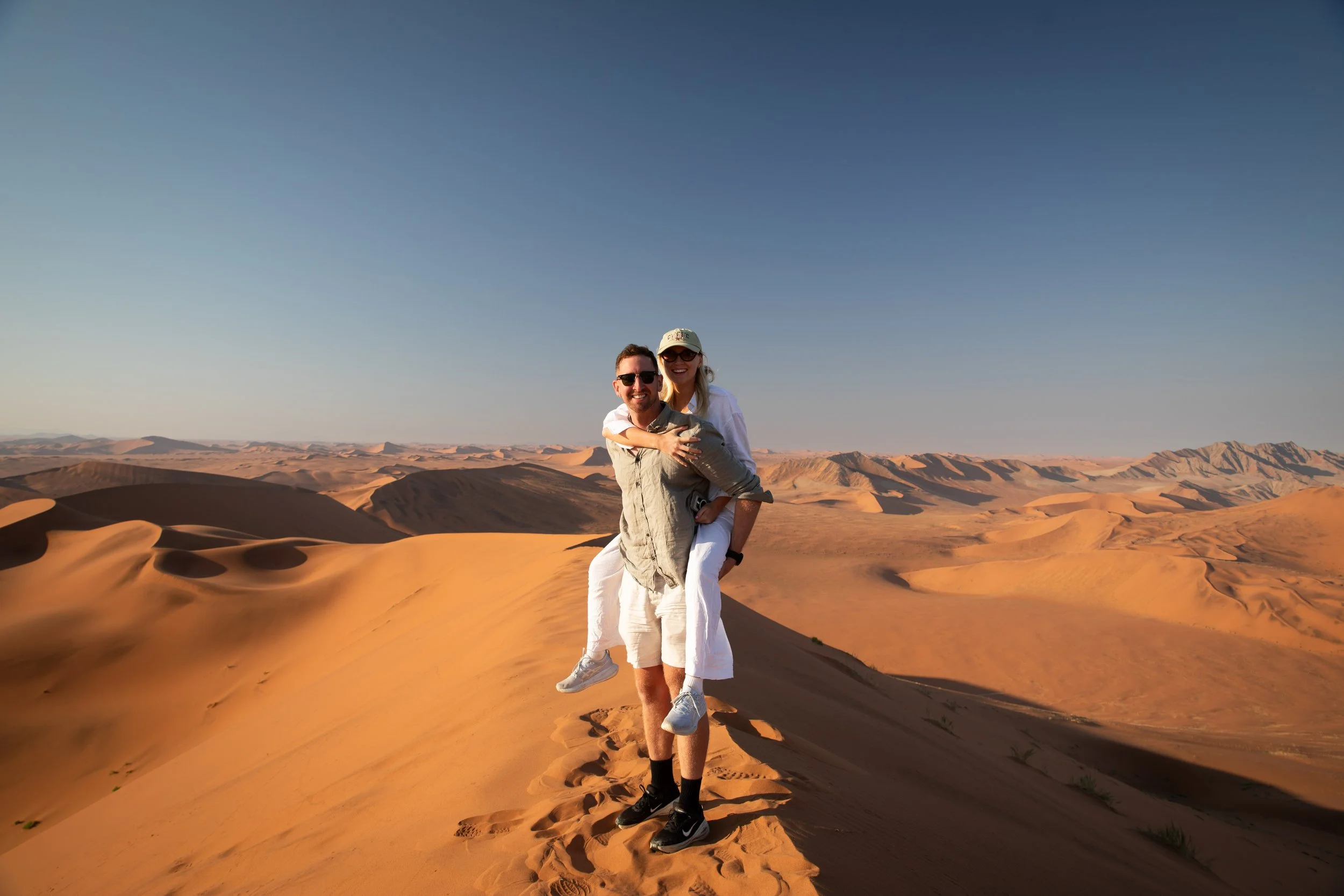
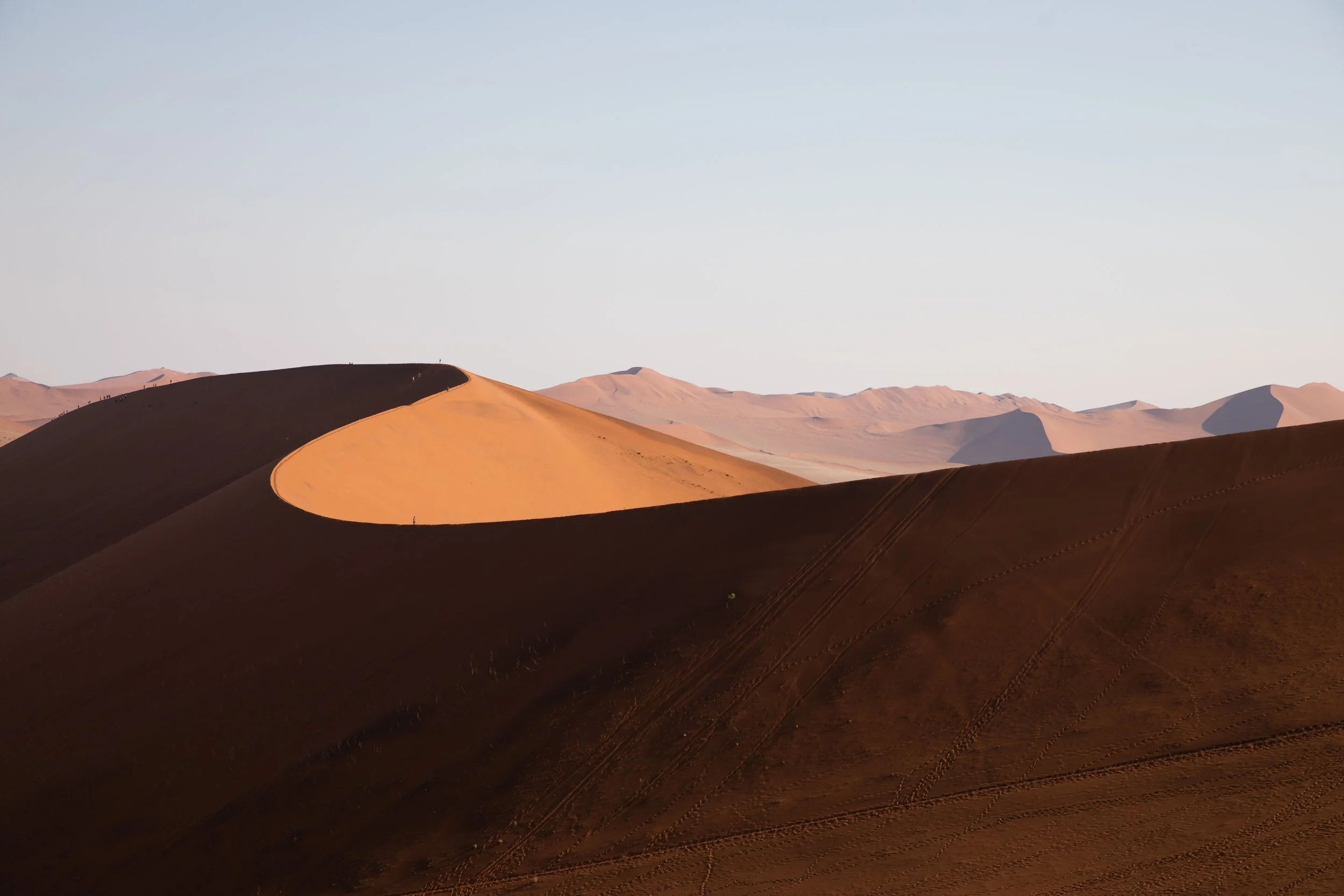
Planning to climb Big Daddy Dune in Namibia? This guide covers what to expect, from the early start and strenuous climb through soft sand to the incredible views over Deadvlei. I’ll share how long the hike took, what to bring and how challenging it felt, to help you decide whether climbing Big Daddy Dune is worth it and whether to add it to your Sossusvlei itinerary.