
Wilderness Unbound
Namibia
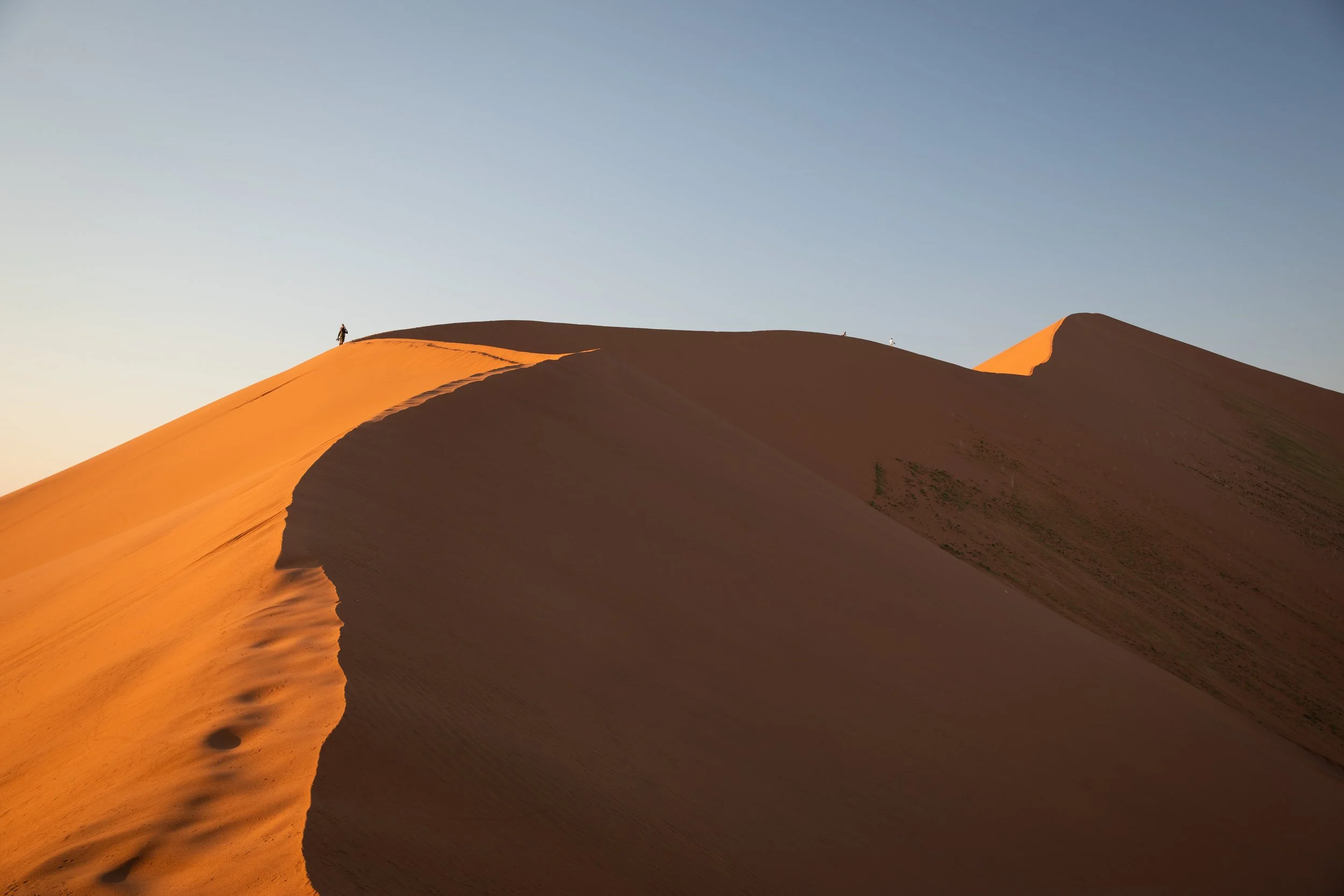
Namibia is one of Africa’s most extraordinary travel destinations, known for its vast desert landscapes, dramatic coastlines, and incredible wildlife. From watching sunrise over the towering Big Daddy Dune and the ancient white clay pan of Deadvlei in the Namib Desert to exploring the coastal charm of Swakopmund and the remote, haunting beauty of the Skeleton Coast, Namibia offers unforgettable adventures at every turn. Further inland, Etosha National Park provides some of Africa’s best wildlife experiences, with elephants, lions, rhinos, and giraffes gathering around its waterholes. Whether you're planning a Namibia road trip, desert adventure, or wildlife safari, travelling through Namibia is defined by raw wilderness, striking contrasts, and landscapes that feel truly otherworldly
Namibian Dollar
Windhoek
Africa
Arid
LANGUAGE
CURRENCY
CONTINENT
CAPITAL

Travelling to Namibia



German
CLIMATE


Big Daddy Dune: Is Namibia’s Famous Dune Worth the Hike?
Planning to climb Big Daddy Dune in Namibia? This guide covers what to expect, from the early start and strenuous climb through soft sand to the incredible views over Deadvlei. I’ll share how long the hike took, what to bring and how challenging it felt, to help you decide whether climbing Big Daddy Dune is worth it and whether to add it to your Sossusvlei itinerary.

Spitzkoppe in Namibia: Camping Beneath the Granite Peaks
We spent a night camping beneath the towering granite peaks of Spitzkoppe in Namibia, surrounded by enormous boulders and wide-open desert. In this guide, I’ll share what we loved about visiting, what to see and do, and what to know before you go, from choosing a campsite to enjoying the sunset and star-filled night sky

7 Best Things to Do in Namibia for First-Time Visitors
Planning a Namibia road trip and searching for the best things to do in Namibia? From walking among the ancient trees of Deadvlei and hiking Big Daddy at sunrise to self-driving through Etosha National Park, camping beneath Spitzkoppe’s granite peaks and exploring the dunes of Sandwich Harbour, these are seven of my favourite experiences from our trip.
Namibia 4x4 Rentals Guide: Prices, Tips and What to Know
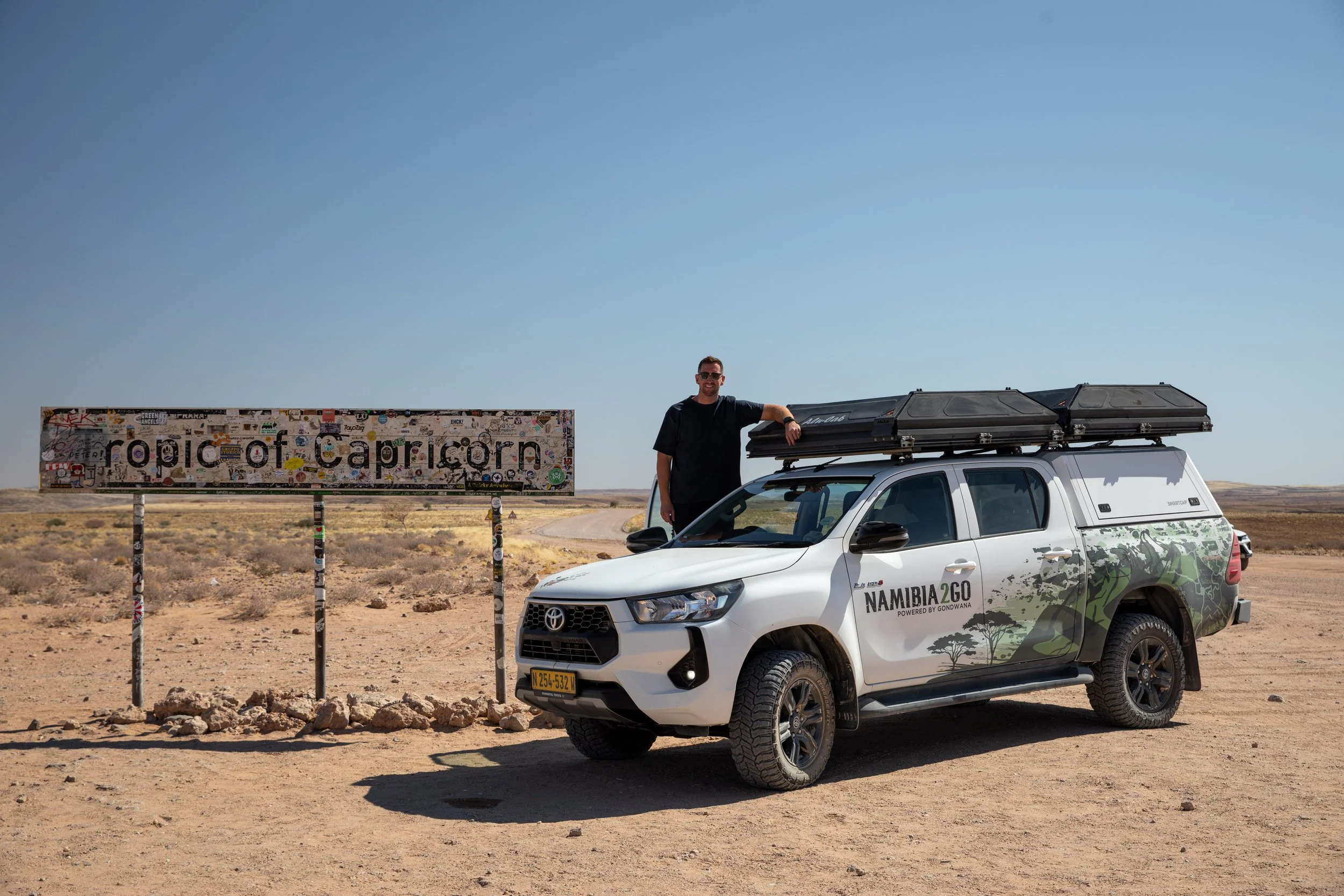
Hiring a 4×4 was one of the best decisions we made for our Namibia trip. It gave us the freedom to explore the country independently, camp in unforgettable locations and reach places that would be difficult to experience without your own vehicle. Based on our trip, this guide covers Namibia 4x4 rentals, including costs, camping setups, insurance, road conditions and practical tips.

Is Namibia Worth Visiting? My Honest Review in 2026
Considering Namibia but wondering whether another African destination would be a better choice? This honest review covers what I expected, what Namibia is really like, its landscapes, wildlife, self-drive experience, costs, drawbacks and who I think should visit.
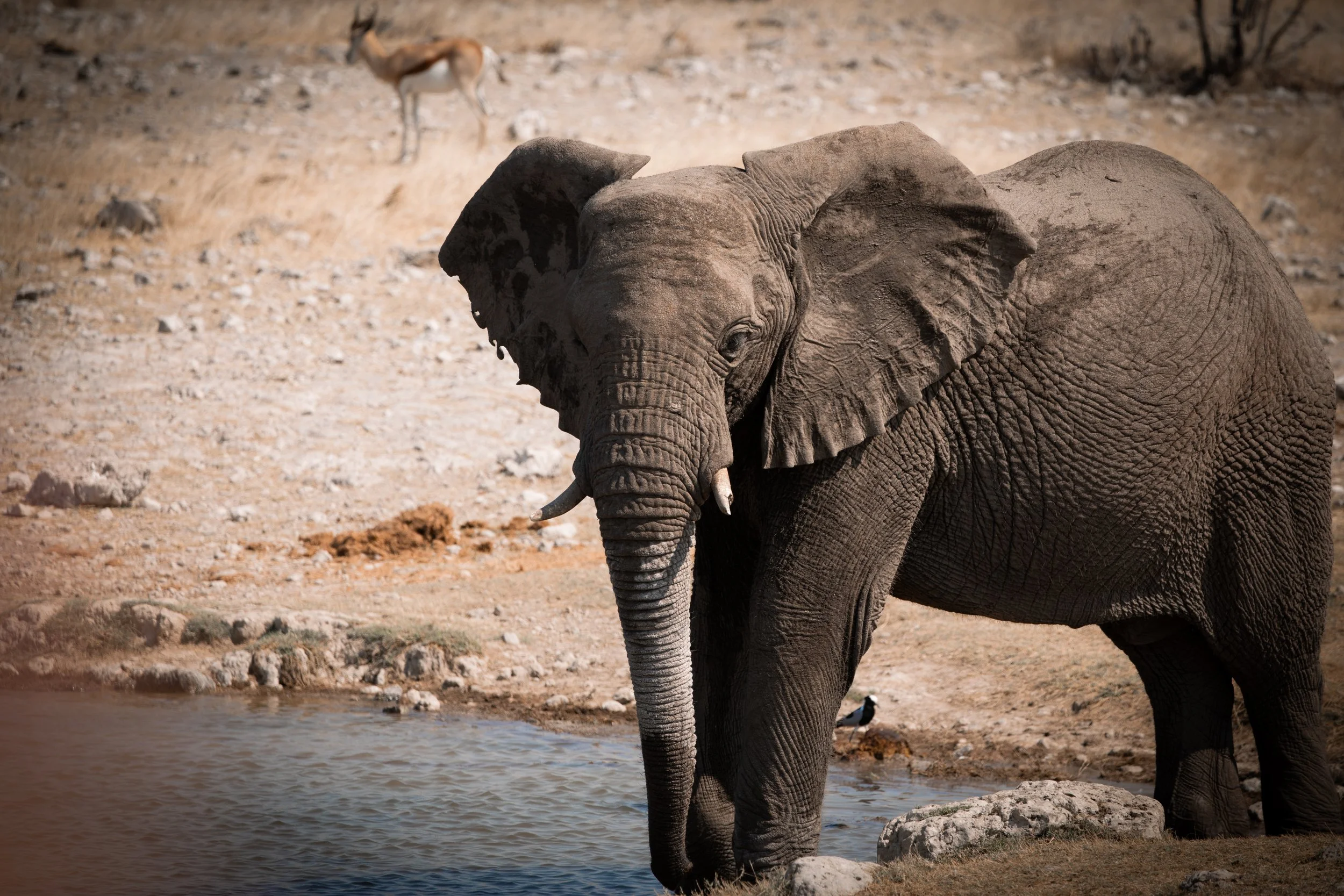
Map of Etosha National Park: Camps, Gates & Waterholes
Use this detailed map of Etosha National Park to locate the park’s main camps, gates, waterholes, roads and wildlife-viewing areas. Discover Okaukuejo, Halali, Namutoni and other key attractions across one of Namibia’s most remarkable safari destinations. Whether you’re planning a self-drive adventure or guided game drives, this map will help you understand Etosha’s geography and plan your route.
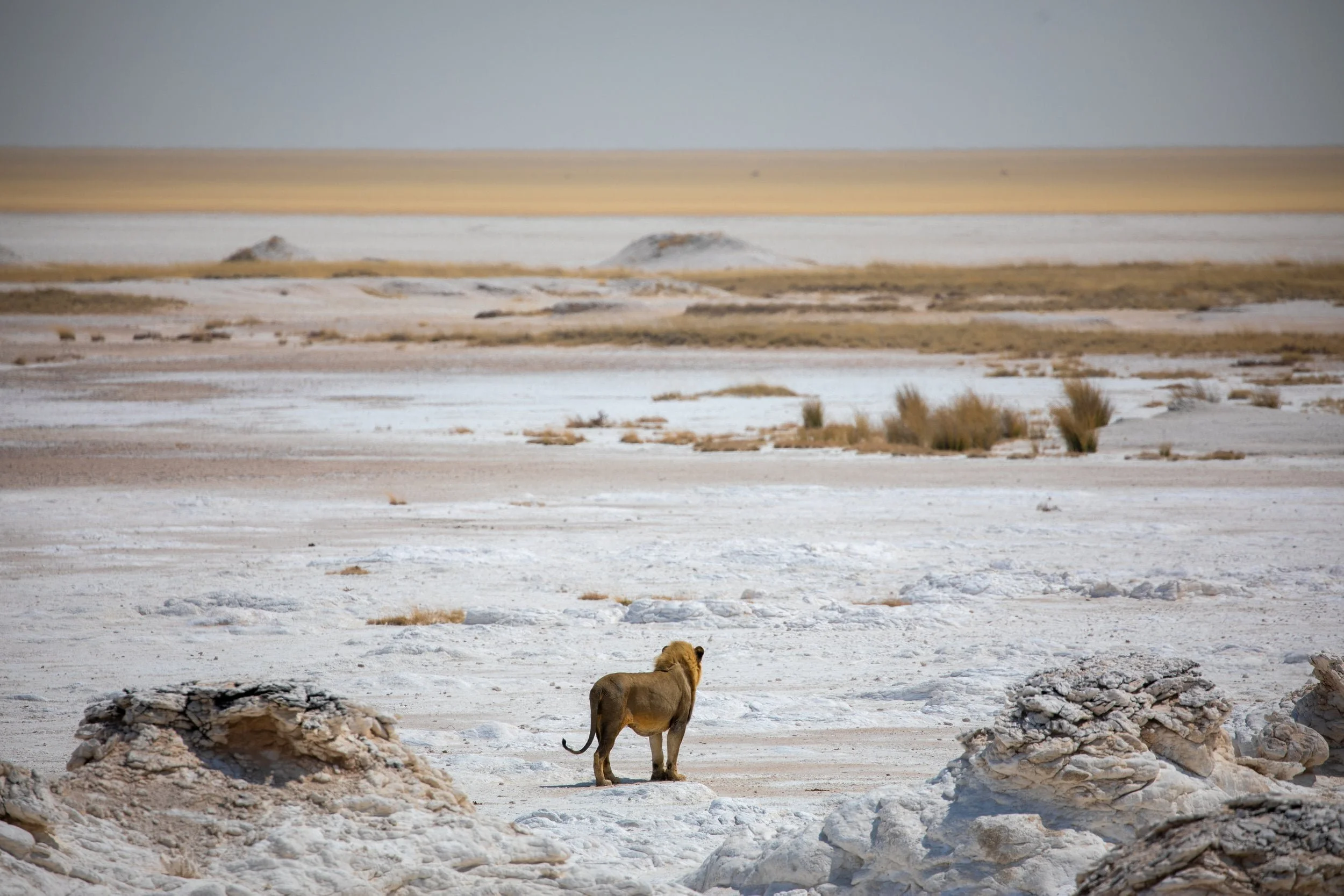
Namibia Safari: Complete Etosha National Park Travel Guide
Planning a safari in Namibia’s Etosha National Park? This complete travel guide covers everything you need to know before visiting, including the best time to go, how many days to spend in the park, the best camps and waterholes, wildlife viewing, self-driving, guided game drives, photography opportunities, park access, costs and whether Etosha is worth adding to your Namibia itinerary.

Etosha National Park Self-Drive Safari vs Guided Game Drives
Planning a safari in Namibia’s Etosha National Park but unsure whether to explore independently or book guided game drives? After experiencing Etosha for myself, I compare the benefits and drawbacks of self-driving, guided daytime and night drives, and combining both options. From cost and flexibility to wildlife sightings, local knowledge and the chance to discover animals around Etosha’s famous waterholes, this guide explores which safari experience offers the best overall value, and whether a mix of self-drive and guided game drives is the ideal way to experience one of Namibia’s most iconic wildlife destinations.
Frequently Asked Questions
Everything You Want to Know
-
Yes, Namibia is absolutely worth visiting, particularly if you enjoy dramatic landscapes, wildlife and independent road trips. From the towering dunes of Sossusvlei and Deadvlei to the Skeleton Coast, Swakopmund and Etosha National Park, Namibia offers an unusually diverse range of experiences in one country. It is also one of the best places in Africa for a self-drive adventure, with the freedom to explore remote scenery and search for wildlife at your own pace. I loved how every part of the journey felt different, and the combination of landscapes, wildlife and independence made Namibia one of my favourite travel experiences.
-
You need at least 10 days to experience Namibia’s main highlights, although two weeks allows for a more comfortable road trip. A 10-day itinerary could include Windhoek, Sossusvlei, Swakopmund, Spitzkoppe, Damaraland and Etosha National Park.
With 14 days or more, you can add extra time in Etosha, visit the Skeleton Coast or include further stops such as Fish River Canyon or the Caprivi Strip. If wildlife is your main priority, it would be easy to spend five days in Etosha alone, while two or three days is enough for a rewarding introduction if it is only one part of a wider itinerary.
Because driving distances are long, rushing between destinations can take away from the experience. Namibia is best enjoyed at a steady pace, with enough time to appreciate the landscapes and allow for unexpected wildlife sightings along the way.
-
Visa requirements for Namibia depend on your nationality, with many travellers able to obtain a visa on arrival or apply online before travelling. Fees apply, and entry requirements can change, so check the latest information for your passport before departure.
Your passport should generally be valid for at least six months from arrival and contain at least three blank pages. If you are travelling through another country, such as South Africa, you should also check its transit and entry requirements before your trip.
-
Yes, self-driving is one of the best and most popular ways to explore Namibia. The country is well suited to independent road trips, allowing you to travel between major attractions, explore national parks and stop at viewpoints and wildlife areas without joining an organised tour.
Having the freedom to decide where to go, when to stop and how long to spend at each place was one of our favourite parts of the entire trip. It made the long drives feel more flexible and allowed us to turn even the journeys between destinations into part of the adventure.
You should be comfortable driving long distances, navigating gravel roads and dealing with remote areas where fuel, mobile reception and assistance may be limited. However, with sensible preparation, self-driving offers an incredibly rewarding way to experience Namibia.
-
Namibia is generally considered one of the safest countries in Africa for travellers, provided you take sensible precautions. It is probably one of the first questions people want answered when considering a trip to Africa, and understandably so.
To be honest, we did feel slightly less comfortable in some of the larger towns, particularly Windhoek and Swakopmund, where we became more aware of our surroundings. However, this mostly meant being a little more cautious about where we walked, keeping valuables secure and avoiding quiet areas after dark. There is also plenty of visible security around hotels, shops and tourist areas.
Outside the larger towns, where you will spend much of your time, we felt completely safe. The remote road-trip and national-park sections of Namibia felt relaxed, quiet and easy to navigate, although you still need to take care around wildlife, other vehicles and isolated roads.
The main risks are petty theft, vehicle break-ins and road accidents. Keep valuables out of sight, lock your vehicle, avoid driving after dark and carry enough water, fuel and emergency supplies when travelling through remote areas
-
The best places to visit in Namibia include Sossusvlei, Deadvlei, Swakopmund, the Skeleton Coast, Damaraland, Spitzkoppe and Etosha National Park. Each offers something different, from vast desert landscapes and coastal adventures to dramatic scenery and exceptional wildlife viewing.
However, if I had to narrow Namibia’s highlights down to just two must-see destinations, I would choose Sossusvlei and Etosha National Park. Sossusvlei, including Deadvlei and the towering Big Daddy Dune, showcases Namibia’s surreal desert landscapes, while Etosha offers the country’s best opportunity to see wildlife independently around its famous waterholes.
Swakopmund, the Skeleton Coast, Damaraland and Spitzkoppe are all worthwhile additions, particularly if you have more time, but Sossusvlei and Etosha are the two places I would prioritise on a first visit.
-
The best time to visit Namibia is generally from May to October, during the dry season and cooler winter months. Wildlife is easier to find because animals gather around fewer water sources, particularly in Etosha, while the skies are usually clear and rainfall is limited.
We visited in August and found it to be an ideal time to travel. Wildlife was relatively easy to find in large numbers around Etosha’s waterholes, while the cooler conditions made exploring the desert far more comfortable. Even hiking up the dunes in the Namib Desert was manageable and did not feel unbearably hot.
June to August can be cold in the mornings and at night, so warm layers are important, but daytime temperatures are generally comfortable for road trips, wildlife viewing and desert activities. The rainy season from around November to April brings greener scenery and fewer visitors, although wildlife may be more dispersed and heavy rain can occasionally affect roads and travel plans.
-
Namibia can be relatively affordable compared with many organised African safaris, particularly if you self-drive and use campsites or mid-range accommodation. However, we found food was noticeably more expensive than in South Africa, especially in tourist-focused areas such as Swakopmund and around national parks.
The main costs are usually vehicle hire, fuel, accommodation, park fees and activities such as guided game drives or desert excursions. Food and fuel are generally manageable, but 4WD hire, lodges and organised activities can quickly increase the budget. Travelling as a couple can help reduce the per-person cost because you can share the vehicle, accommodation and fuel. Overall, Namibia is not necessarily a cheap destination, but a self-drive trip can still offer considerably better value than joining a fully organised safari.
-
You do not always need a 4WD for Namibia, but I would still recommend hiring a larger vehicle for comfort and practicality. During our trip, we only really needed to engage 4WD once, when travelling through the soft and boggy section near Sossusvlei. There is also the option to pay for a shuttle to take you through this section, meaning a 4WD is not essential even there.
For most of the major routes, a standard vehicle may be sufficient, but the extra space and higher clearance of a larger vehicle make a noticeable difference on Namibia’s long gravel roads. It is more comfortable for extended drives, provides room for luggage and supplies, and generally feels better suited to the corrugated and uneven road conditions.
Your vehicle choice should ultimately depend on your route, the season and whether you plan to camp. Always check that your rental insurance covers gravel roads, single-vehicle accidents and damage caused by animals.
-
Namibia is home to elephants, lions, rhinos, giraffes, zebras, cheetahs, leopards, hyenas and a wide range of antelope and birdlife. Etosha National Park is the main destination for wildlife viewing, with animals gathering around waterholes during the dry season. You may also see desert-adapted elephants and lions in Damaraland, seals along the coast and unique species such as oryx, springbok and Hartmann’s mountain zebra. Wildlife sightings are never guaranteed, but Namibia’s open landscapes and waterholes make animals relatively easy to search for.
-
Yes, Etosha National Park is absolutely worth visiting and should be a priority on any Namibia itinerary. Its biggest advantage over many other African national parks is the sheer volume of animals you can encounter, particularly around the park’s waterholes during the dry season.
Etosha’s network of waterholes makes it possible to see abundant wildlife without joining a traditional organised safari, and it is one of the few major African parks where self-driving is such an accessible option. You can explore independently during the day, remain at sightings for as long as you want and add a guided morning or night drive for expert knowledge and access to experiences unavailable to self-drive visitors.