
Namibia 4x4 Rentals Guide: Prices, Tips and What to Know
Planning a self-drive trip through Namibia and wondering whether hiring a 4×4 is the right choice?
We recently travelled through the country in a rented 4×4, camping beneath dramatic landscapes, driving long gravel roads and visiting places such as Sossusvlei, Spitzkoppe and Etosha National Park.
Having our own vehicle gave us the freedom to explore independently, but it also came with extra costs, preparation and responsibility. The roads were rougher than expected, the distances were long and choosing the right vehicle and equipment made a noticeable difference.
In this guide, I’ll share what we learned to help you decide whether hiring a 4×4 is suitable for your Namibia trip, what type of vehicle and camping setup you may need, and what to consider before booking.
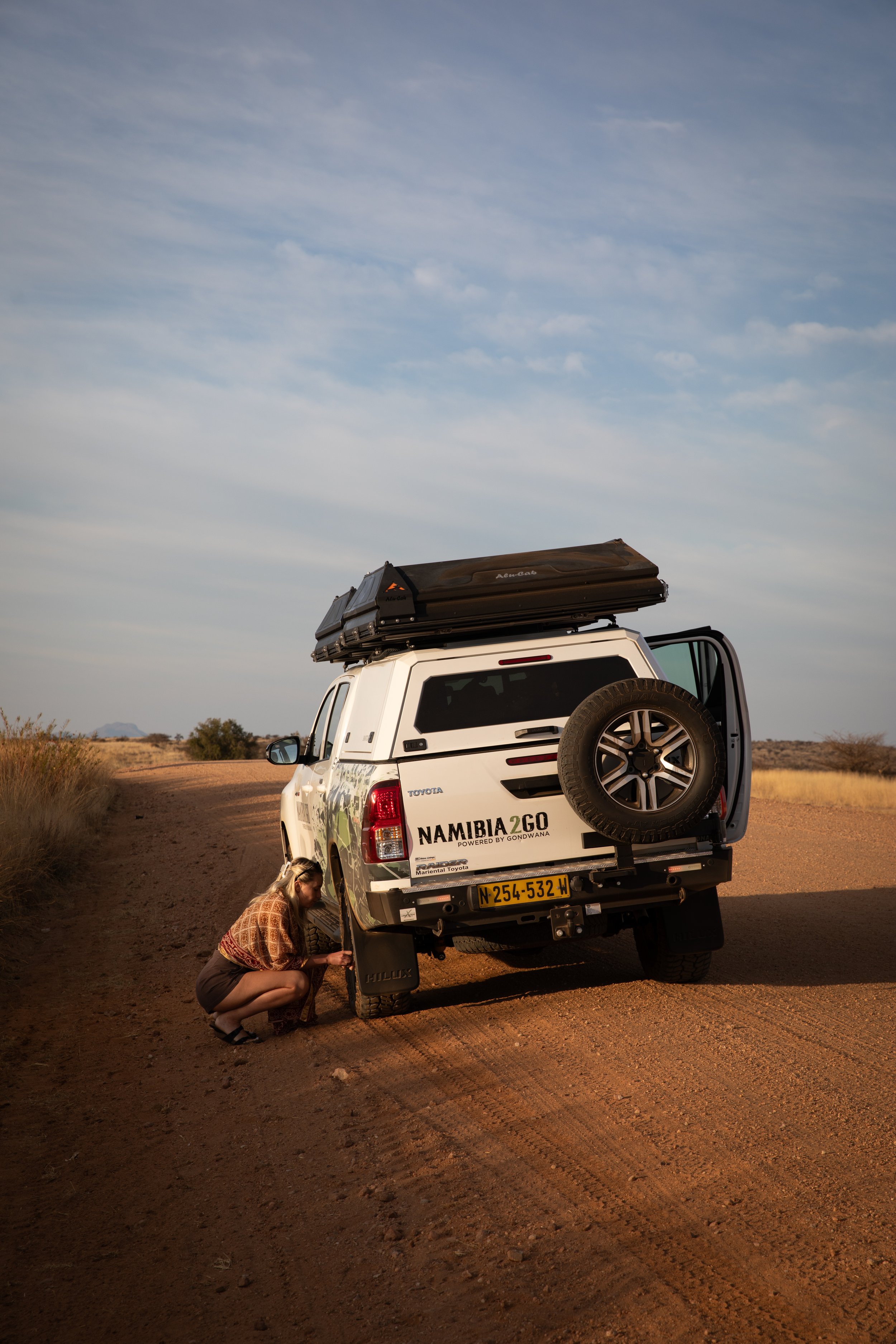
Why Hire a 4×4 in Namibia?
Hiring a 4×4-style vehicle is one of the most popular ways to explore Namibia, particularly if you want to travel independently and camp along the way. The country is enormous, and many of the most memorable places are connected by long gravel roads rather than sealed highways.
A larger vehicle gives you more ground clearance, storage space and comfort on rough roads. It also allows you to carry camping equipment, food and water, giving you more flexibility over where you stay and how you plan your route.
You may not need to use the vehicle’s full four-wheel-drive capability on every road in Namibia, but having a suitable 4×4 can make the overall journey much more comfortable and manageable. Based on our experience, it was particularly valuable on rougher gravel roads and inside Etosha National Park.
Do You Need a 4×4 for Namibia?
It is worth clarifying what is meant by a “4×4”. Technically, a 4×4 or 4WD vehicle has the capability to drive off-road and handle difficult conditions such as sand, mud and boggy terrain. However, most people considering a 4×4 rental in Namibia are probably looking for the size, comfort, storage and camping features of a larger vehicle or ute, rather than expecting to use its full off-road functionality.
You may not actually need to engage four-wheel drive during your trip. If you are following the main tourist route, travelling during the dry season and sticking to established roads, a suitable high-clearance vehicle may be enough for some itineraries.
The main benefits of hiring a 4×4-style vehicle are often the extra space, comfort, ground clearance and camping setup. It also provides more confidence when driving long distances on gravel roads, even if you are not technically travelling off-road.
However, the added capability can still be useful if you encounter loose sand, mud, washouts or particularly rough conditions. It is also a practical option if you plan to camp, carry your own supplies or explore more remote areas.
So, while true four-wheel-drive functionality may not be essential for every Namibia itinerary, hiring a 4×4-style vehicle can still be the most comfortable and practical choice. The right option will depend on your route, the season, whether you are camping and how independently you want to travel.
The main point is that, while I think you could get away with hiring an SUV-sized vehicle or larger without true 4×4 capabilities, I would not recommend choosing a small sedan or hatchback simply because it is cheaper. These vehicles are unlikely to handle Namibia’s corrugations, gravel roads and washouts as comfortably or safely, particularly over long distances. This applies even if you are not camping and do not need the extra space for equipment, the additional ground clearance, size and stability are still important.
Why we Chose a 4×4?
To be honest, our main reason for choosing a 4×4 was that we wanted to camp.
Carrying our tent, bedding, cooking equipment, food and other supplies made having the extra space extremely useful.
We also wanted something reliable for Namibia’s rougher roads. The higher ground clearance, extra fuel capacity and stronger build gave us more confidence on the gravel roads, corrugations and washouts, particularly in remote areas where help may not be close by.
Comfort was another important factor. We spent long periods sitting in the vehicle, often travelling over uneven roads, so the larger cabin and improved suspension made the driving much easier on us.
We also felt more reassured being in a larger, higher vehicle when travelling through areas with wildlife or dealing with unexpected road conditions. While camping was the main reason we chose a 4×4, the extra space, capability and comfort made it the right vehicle for our trip.
Is a 4×4 Necessary for Etosha?
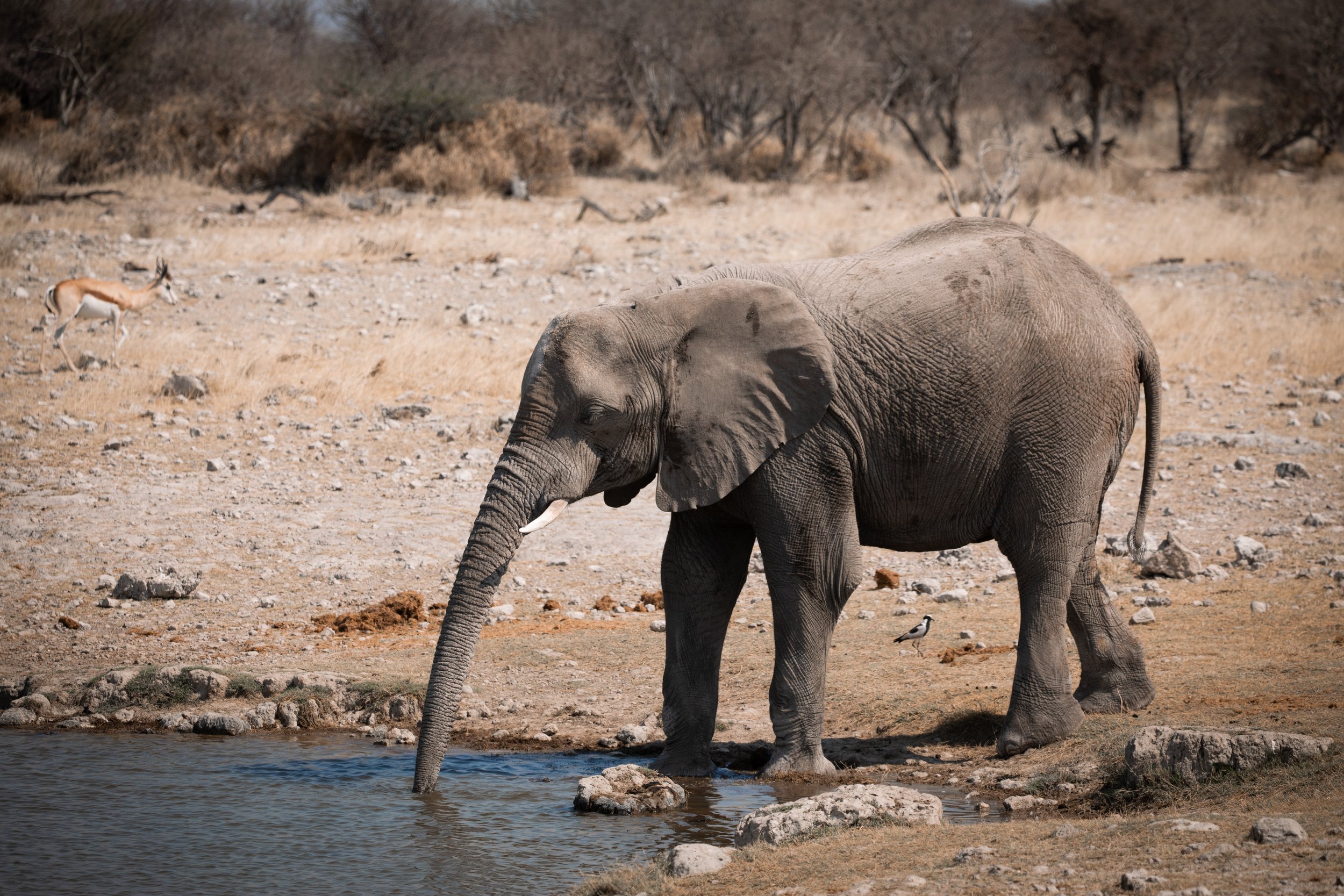
A true 4×4 is not necessarily essential for visiting Etosha, but I would definitely recommend using a larger, higher vehicle if you plan to drive through the park yourself.
We saw several small cars struggling with the washouts and corrugations, and some of the roads were challenging enough in a 4×4. In a smaller car, the driving would have been much less comfortable and there would be a greater risk of damaging the vehicle.
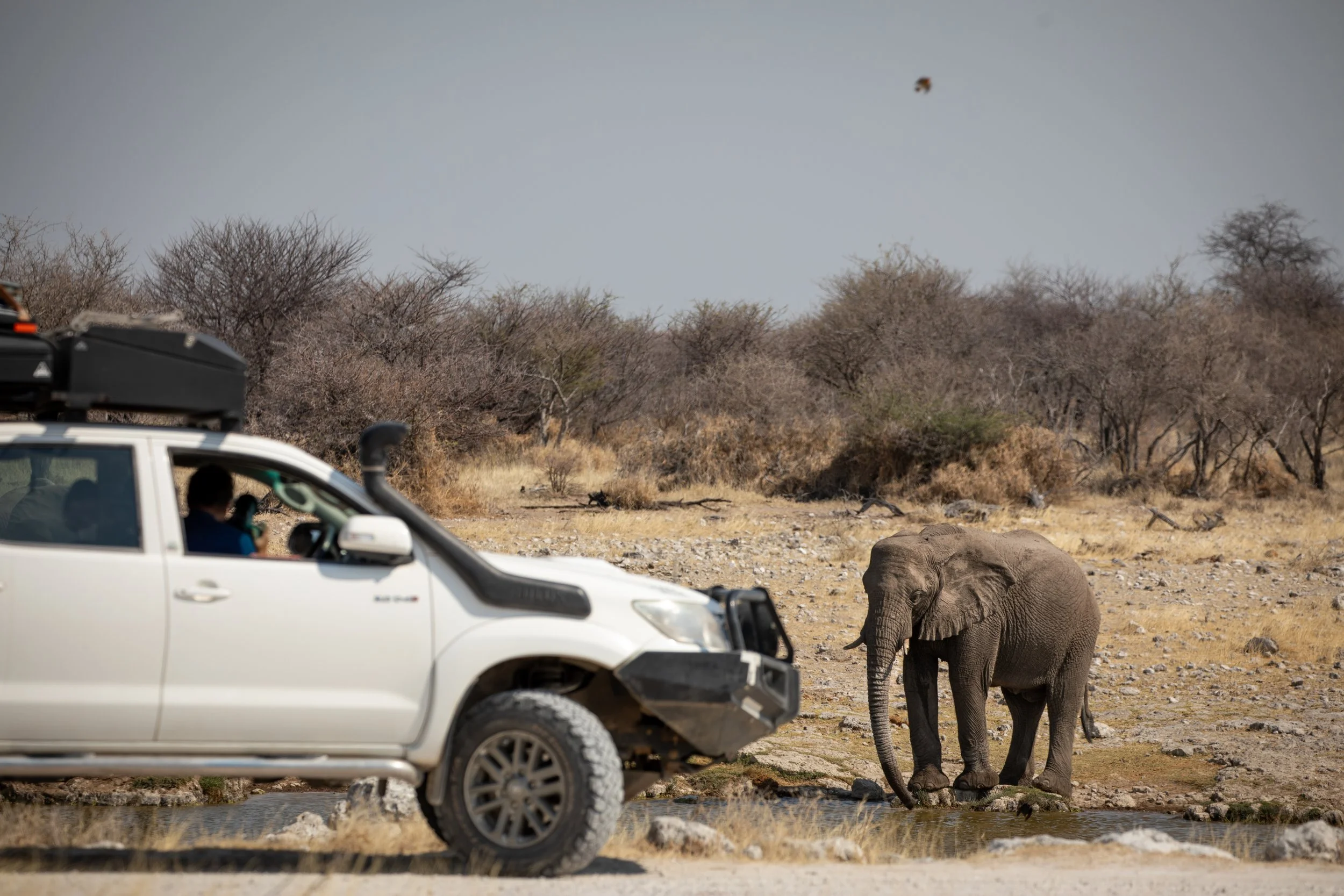
A larger vehicle also gives you a better viewing position. Sitting higher up makes it easier to see over smaller shrubs and spot animals, particularly when they are further away or close to the roadside.
So, while you may be able to enter Etosha in a smaller rental car, I would not choose one simply because it is cheaper. A larger SUV or 4×4 will make the roads easier to handle, improve your comfort and give you a better chance of spotting wildlife.
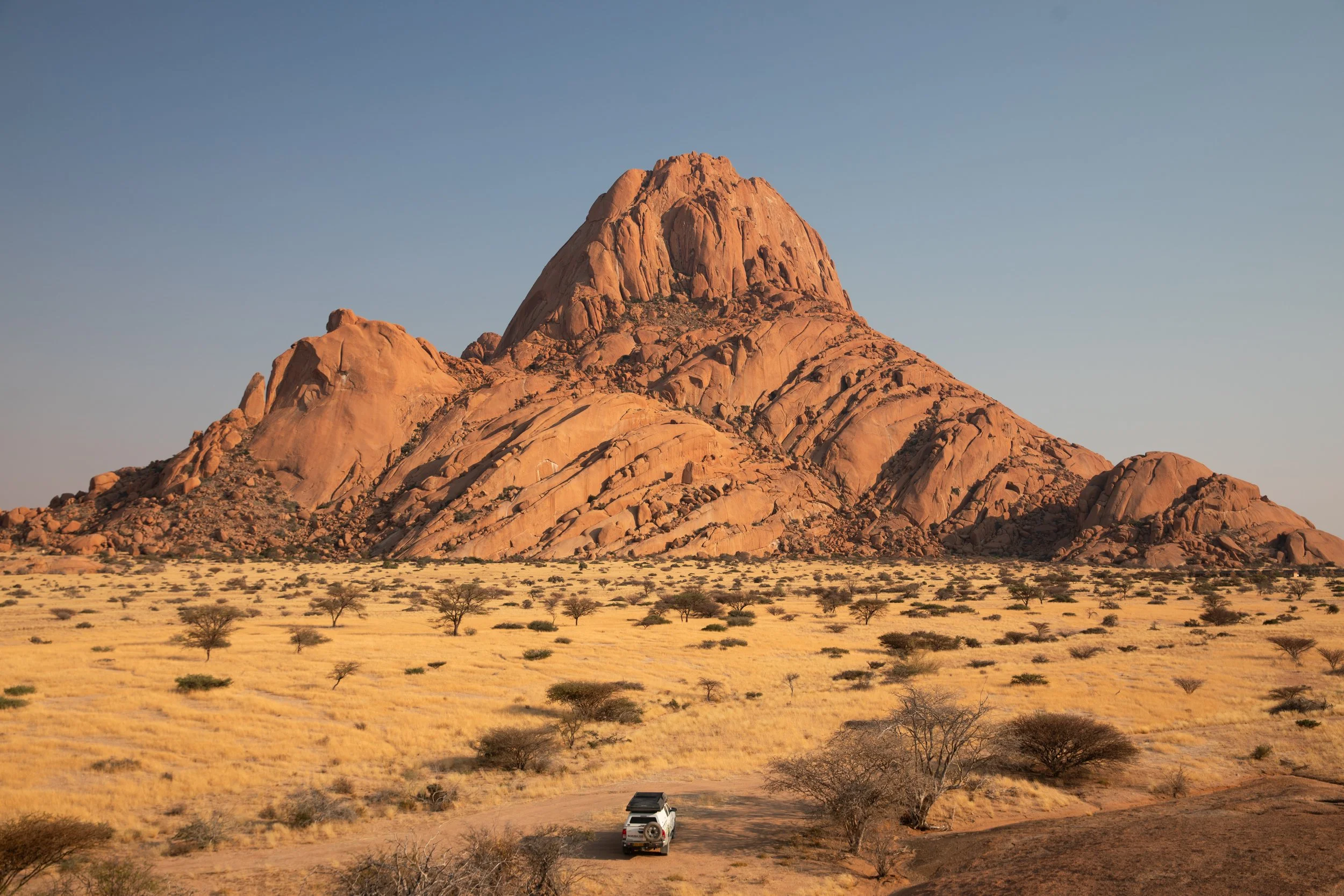
Where Can You Rent a 4×4 in Namibia?
Most Namibia 4×4 rentals are collected in or around Windhoek, with many companies offering airport transfers to their depot. Windhoek is the main starting point for self-drive trips, so it is usually easiest to collect and return your vehicle there before beginning a route through Sossusvlei, Spitzkoppe, Damaraland and Etosha.
Because August is a popular travel period, I would recommend comparing vehicles and booking well ahead of time, particularly if you want a camping-equipped 4×4.
Popular Namibia 4×4 Rental Companies
The main companies we came across when researching Namibia 4×4 rentals were Namibia2Go, Asco Car Hire and Britz. However, there are also several smaller local companies offering similar vehicles, so these are not the only options available.
Namibia2Go offers standard SUVs, non-camping 4×4s, Toyota Hilux camping vehicles, Land Cruisers and larger safari vehicles. Their camping vehicles include rooftop tents, fridges and cooking equipment, making them suitable for travellers who want to be self-sufficient. Namibia2GO’s fleet includes both 4×4 and 2×4 SUV options. These vehicles were absolutely everywhere and clearly the most popular car hire company in Namibia.
Location: Google Maps
Website: Official Site
Asco Car Hire specialises in 4×4 rentals across Namibia and Southern Africa. They offer standard 4×4 vehicles as well as camping-equipped options for couples and groups, with rooftop tents, fridges, cooking equipment and other camping supplies available.
Location: Google Maps
Website: Official Site
Britz is another well-known option, particularly for travellers looking for a fully equipped camper or 4×4 camping vehicle. Its larger fleet and established booking system may appeal to people who prefer using a recognisable international rental brand.
Location: Google Maps
Website: Official Site
The main companies we found were not necessarily the cheapest, so it is worth comparing the full package rather than only the daily rate. Check the vehicle’s age and condition, included camping equipment, insurance, spare tyres, fuel capacity and roadside support before booking.
What Types of 4×4 Rentals Are Available?
The main options usually include:
A standard 4×4 without camping equipment
A larger 4×4 SUV for lodge-based travel
A double-cab 4×4 with one or two rooftop tents
A fully equipped camping vehicle with a fridge, kitchen equipment and bedding
Larger expedition-style vehicles for longer or more remote trips
If you are staying in lodges, a standard 4×4 or larger SUV may be enough. If you plan to camp, you will generally want a vehicle with rooftop tents, a fridge, cooking equipment, spare tyres and enough storage for food and water.
Where Do You Pickup Your Rental?
Most travellers begin their Namibia road trip in or around Windhoek, although the location of the rental depot can vary between companies.
Namibia2Go has both a Windhoek depot and an airport depot located near Hosea Kutako International Airport. If you are collecting your vehicle soon after landing, Namibia2Go offers a complimentary shuttle between the airport and its airport depot, which runs regularly throughout the day.
Britz also has a rental location directly at Hosea Kutako International Airport, meaning you can collect your vehicle at the airport rather than travelling into Windhoek first.
Asco Car Hire operates from a depot in Windhoek, but offers a free airport shuttle for customers. The transfer can take you from the airport to the Windhoek depot, or to your accommodation if you are collecting the vehicle later. The shuttle operates during set daytime hours, so you should provide your flight details when booking and check the arrangements if you arrive outside those times.
There are also several smaller local rental companies with depots in Windhoek or airport-transfer arrangements. Before booking, check exactly where you collect the vehicle, whether the airport transfer is included, the depot’s opening hours and what happens if your flight arrives late.
Some companies also allow you to collect or return a 4×4 outside Windhoek, including in places such as Swakopmund or Walvis Bay. However, these one-way arrangements may involve additional fees and are not available with every rental company, so it is important to confirm the options before booking. This could be useful if you are joining a tour, arriving from another part of Namibia or planning a route that does not begin and end in Windhoek.
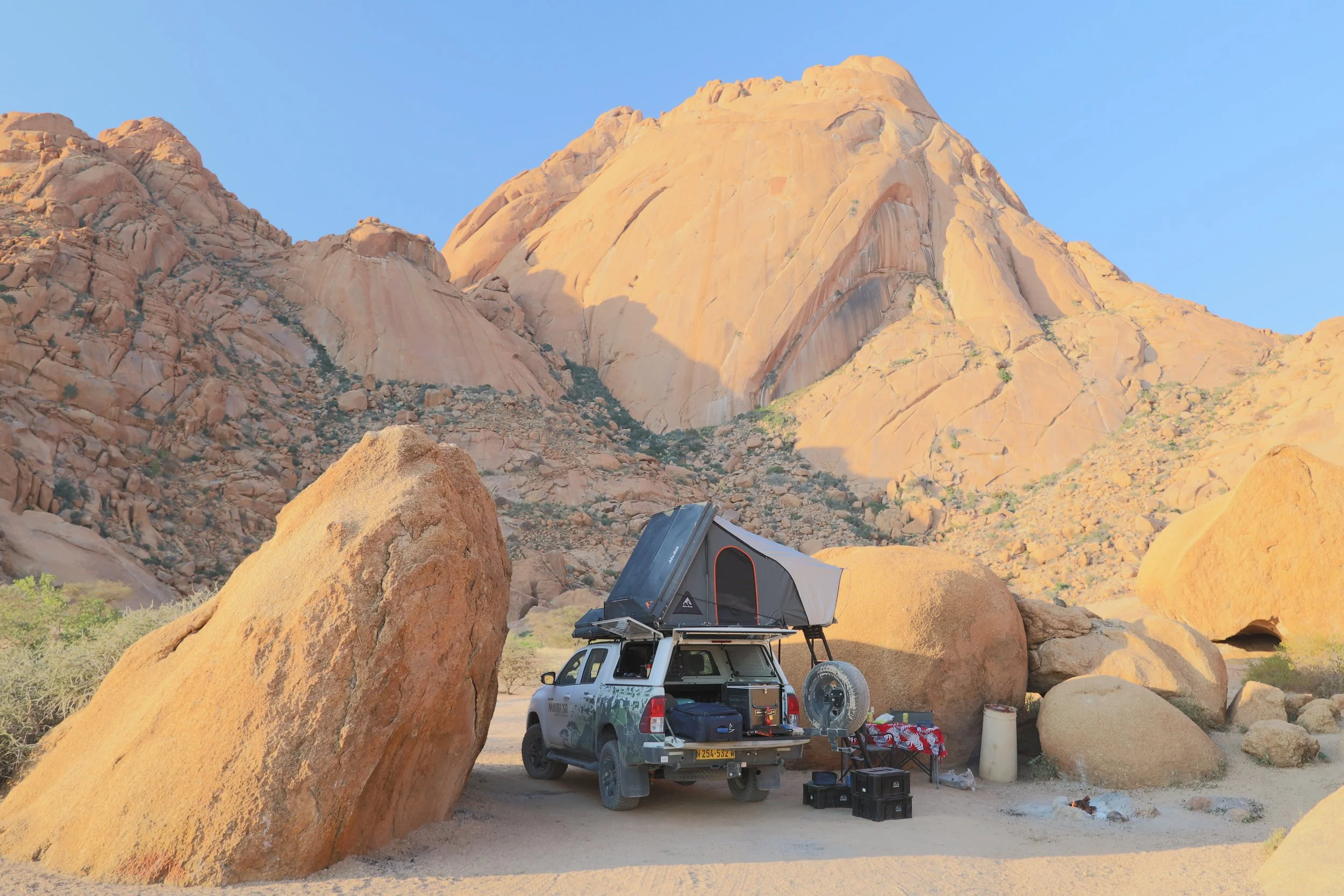
How Much Does a Namibia 4×4 Rental Cost?
Etosha National Park is worth visiting because it combines abundant wildlife, dramatic landscapes and the freedom to experience a genuine African safari independently. Unlike many major safari destinations, you do not need to join an expensive organised tour to explore the park. You can drive yourself between waterholes, spend as long as you like watching wildlife and shape each day around your own interests.
The park’s enormous scale, changing landscapes and concentration of animals make every day feel different. Whether you are visiting for the wildlife, photography, scenery or the unique experience of navigating an African national park yourself, Etosha offers plenty of reasons to include it in your Namibia safari.
Daily Rental Prices
Daily rates for a 4×4 rental in Namibia vary considerably between rental companies, vehicle types and travel seasons. As a general guide, a camping-equipped 4×4 for two people can cost approximately N$2,000–N$5,200 per day, depending on the vehicle and time of year.
For example, Asco Car Hire’s 2026 camping rates work out at roughly N$2,100 per day for a Toyota Hilux during the lower season, rising to approximately N$5,200 per day for a Land Cruiser during peak season.
Namibia2Go lists its camping-equipped double-cab 4×4 vehicles from approximately N$2,640 per day in the lower season and N$3,520 per day during the high season. Vehicles with upgraded hard-shell rooftop tents are listed at around N$2,910–N$3,880 per day.
These rates can look expensive at first, but they often include more than just the vehicle. Depending on the company and package, the price may also cover rooftop tents, bedding, cooking equipment, a fridge, spare tyres, insurance and unlimited kilometres.
When comparing quotes, check exactly what is included. Some companies offer lower daily rates for longer rentals, so hiring a vehicle for two or three weeks may work out better than booking it for only a few days. For our trip, the vehicle was one of the biggest expenses, but it also provided our transport, accommodation setup, storage space and base for exploring Namibia independently.
Camping Equipment Costs
Most camping-equipped 4×4 rentals include the main equipment in the daily vehicle price rather than charging separately for every item. This usually covers the rooftop tent, mattress, bedding, fridge, gas cooker, table, chairs, cooking equipment and basic recovery gear. We went with Namibia2Go on our trip and everything was covered as a part of the overall camping package.
However, extra items can cost more. For example, Advanced Car Hire’s 2026 prices list:
GPS: N$75 per day
Internet dongle: N$85 per day, plus data
Satellite phone: N$170 per day
Additional bedding: N$60 per person
Ground tent: N$100 per day
Extra fridge/freezer: N$90 per day
Jerry can: N$35 per day
Sand tracks: N$30 per day
Baby seat: N$55 per day
Wash-up kit: N$150 once-off fee
Asco also lists optional extras such as GPS navigation, satellite phones, ground tents and a luxury camping set, although its main camping packages already include equipment such as rooftop tents, fridges, tables, chairs, bedding and cooking gear.
The important thing is to compare the equipment list carefully before booking. A cheaper-looking rental may not include a fridge, bedding, cooking equipment or recovery gear, and adding these items later can quickly increase the overall cost.
Insurance
Insurance is one of the most important costs to include when budgeting for a Namibia 4×4 rental. Companies may advertise a low daily rate, but the standard excess can leave you responsible for a significant amount if the vehicle is damaged.
Given the condition of some of Namibia’s gravel roads, corrugations and washouts, I would highly recommend budgeting for comprehensive insurance or the highest level of cover available. It will increase the daily rental cost, but I think it is worthwhile for the peace of mind it provides.
You do not want to spend the whole trip worrying every time a rock flicks up or the vehicle hits a rough section of road. Even careful drivers can experience tyre, windscreen, undercarriage or suspension damage, and repairs can become expensive in remote areas.
Before booking, check whether the policy covers gravel-road driving, single-vehicle accidents, tyre and windscreen damage, undercarriage damage, water damage and driving on restricted roads. The cheapest rental may not remain the cheapest once you add better insurance, so compare the total cost rather than just the advertised daily rate.
Fuel
Fuel was another significant cost during our Namibia trip. The distances between destinations are long, 4×4 vehicles use more fuel than standard cars and there are parts of the country where fuel stations are few and far between.
Fuel was also noticeably more expensive at some campsites and remote locations than in larger towns. A smart approach, particularly if your vehicle has an additional fuel tank or you are carrying a jerry can, is to fill up in the major towns whenever possible. Windhoek, Swakopmund and Walvis Bay are good places to refuel before continuing into more remote areas, where fuel may be less available and considerably more expensive.
We found it was worth filling up whenever we had the opportunity, rather than waiting until the tank was nearly empty and having to pay a premium at a more isolated fuel stop. When budgeting for a Namibia 4×4 rental, allow for both the amount of fuel you will use and the higher prices at remote camps and smaller stops. Planning your route around fuel stations is important, and you should always keep enough fuel to comfortably reach the next reliable station.

Related Namibia:
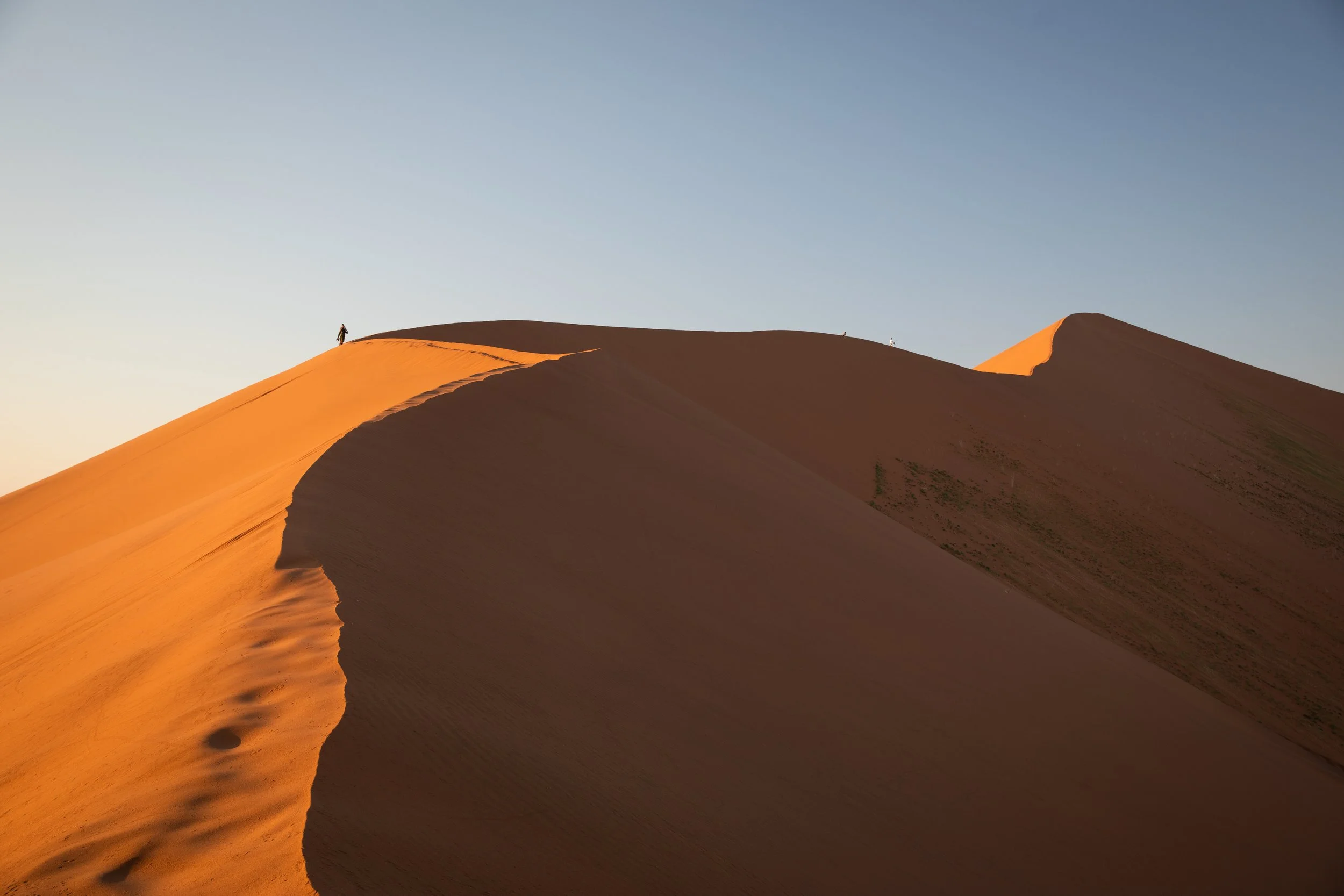
What to Look For When Renting a 4×4
Getting to Etosha National Park is relatively straightforward, with most visitors arriving by road as part of a wider Namibia safari or self-drive itinerary. Unlike destinations that require internal flights or complicated transfers, Etosha is well connected to many of Namibia’s main travel routes.
Choosing the Right Vehicle
If you are camping, look for a vehicle with enough space for your equipment, food and water without making the cabin uncomfortable. A dual cab 4×4 is often a practical choice for couples or small groups because it provides a good balance of storage, comfort and road capability.
Toyota Hilux and Land Cruiser 4×4s are both safe choices if you do not want to spend too much time comparing different models. They are widely used for self-drive travel in Namibia, have a strong reputation for reliability and are well suited to long gravel roads and remote conditions.
You should still compare important features such as ground clearance, suspension, fuel capacity, number of spare tyres, tyre type and whether the vehicle has an additional fuel tank. A larger vehicle with good suspension will make long days on corrugated roads much more comfortable.
I would also pay attention to the vehicle’s age and condition. A newer vehicle is not always essential, but reliability is particularly important in Namibia because you may be travelling long distances from towns and repair facilities. If you choose a well-maintained Hilux or Land Cruiser with suitable tyres, spare wheels and a good rental company behind it, you are starting with a very dependable option.
Checking the Camping Equipment
If your rental includes camping equipment, ask for a full written list of what is included rather than assuming the package contains everything you need. Check whether it includes the rooftop tent, mattress, bedding, fridge, gas cooker, gas bottle, table, chairs, cooking utensils, crockery and cutlery.
It is also worth checking the practical details. Ask how the fridge is powered, whether the vehicle has an auxiliary battery, how much water storage is included and whether there are enough gas bottles, lights and cooking supplies for the length of your trip.
Our experience with Namibia2Go was particularly good. They spent around 15 minutes going through the vehicle and camping equipment with us before we left, making sure we understood how everything worked. They also checked that the burners, fridge and tyre pump were all operating properly, which gave us extra confidence before setting off.
Make sure the equipment is suitable for the number of people travelling. A setup designed for two people may not provide enough storage or cooking equipment for a larger group. It is much better to identify anything missing or faulty at the depot than after you have started travelling through remote areas.
Inspecting the Vehicle Before Departure
Before leaving the depot, inspect the vehicle carefully and photograph or record any existing damage. Pay particular attention to the tyres, windscreen, mirrors, undercarriage, bodywork, roof tent and camping equipment.
It is also worth checking that the spare tyres, jack, compressor, recovery equipment, warning triangles, first-aid kit and emergency contact details are all included and ready to use. Ask the rental company to demonstrate anything you are unfamiliar with, such as changing a tyre, operating the compressor or switching between driving modes.
We chose the highest level of insurance with zero excess, which meant we did not have to worry as much about recording every small mark or stone chip before leaving. I would still recommend documenting the vehicle thoroughly, but comprehensive cover made this process feel much less stressful and gave us greater peace of mind on the rougher roads.
It is much better to identify anything missing or faulty at the depot than after you have started travelling through remote areas.
What is Driving a 4×4 in Namibia Really Like?
Hiring a 4×4 and driving around Namibia was an experience in itself. We loved the freedom it gave us, from choosing our own route to stopping whenever we wanted and camping in some incredible locations. The vehicle became more than just transport, it was our way of exploring the country and getting closer to the landscapes we had travelled to see.
Gravel Roads and Conditions
Much of a Namibia road trip involves gravel, and the quality can change considerably between routes. Some roads are smooth and relatively easy to drive, while others have corrugations, loose gravel, stones and deep potholes.
I am used to driving on gravel roads in Australia, but some of Namibia’s roads were on another level. The roads inside Etosha were particularly shocking. Even when we were travelling at low speeds, the corrugations and washouts were brutal, and we had to concentrate constantly to avoid damaging the vehicle.
A 4×4 with good suspension, high clearance and suitable tyres made a huge difference, but it did not make the roads easy. You still need to slow down, adjust your driving to the conditions and accept that some journeys will be tiring, even in a capable vehicle.
Driving Long Distances
The distances between Namibia’s main attractions are significant, and some journeys take much longer than they appear on a map. It is easy to underestimate how tiring it can be to spend several hours driving on gravel roads before arriving at your next campsite or attraction.
I would recommend allowing plenty of time rather than trying to fit too many destinations into a short itinerary. The journey itself is part of the experience, but you do not want every day to involve rushing to reach the next stop before dark.
Planning Fuel Stops
Fuel planning is essential in Namibia. The distances are long, 4×4 vehicles use more fuel than smaller cars and there may be few fuel stations between destinations.
A sensible approach, particularly if your vehicle has an additional tank or you are carrying a jerry can, is to refuel whenever you pass through a major town. Windhoek, Swakopmund and Walvis Bay are useful places to fill up before continuing into more remote areas.
You should also avoid driving until the tank is almost empty. Fuel can be more expensive at smaller stops and campsites, and running out in a remote area would be a serious problem.
Safety
The most important safety advice is to avoid rushing. Namibia’s roads, wildlife and remote distances all require a more careful approach than a normal holiday road trip.
Avoid driving after dark where possible, as animals can move onto the road and visibility becomes much worse. When driving through towns, keep the vehicle doors locked and remain aware of your surroundings, particularly when stopped at intersections or fuel stations.
Make sure you have enough water, ideally around 10 litres per person, as well as the correct number of spare tyres and the equipment needed to change one. Plan your route in advance and download offline maps, such as Google Maps, because mobile reception can be limited in remote areas.
Keep your phone charged, know where the next fuel station is and make sure someone knows your intended route. A 4×4 gives you more confidence, but it does not make you invincible.
The safest approach is to drive conservatively, allow plenty of time and treat every long gravel-road journey as part of the adventure rather than something to get through as quickly as possible.
Is Renting a 4×4 in Namibia Worth it?
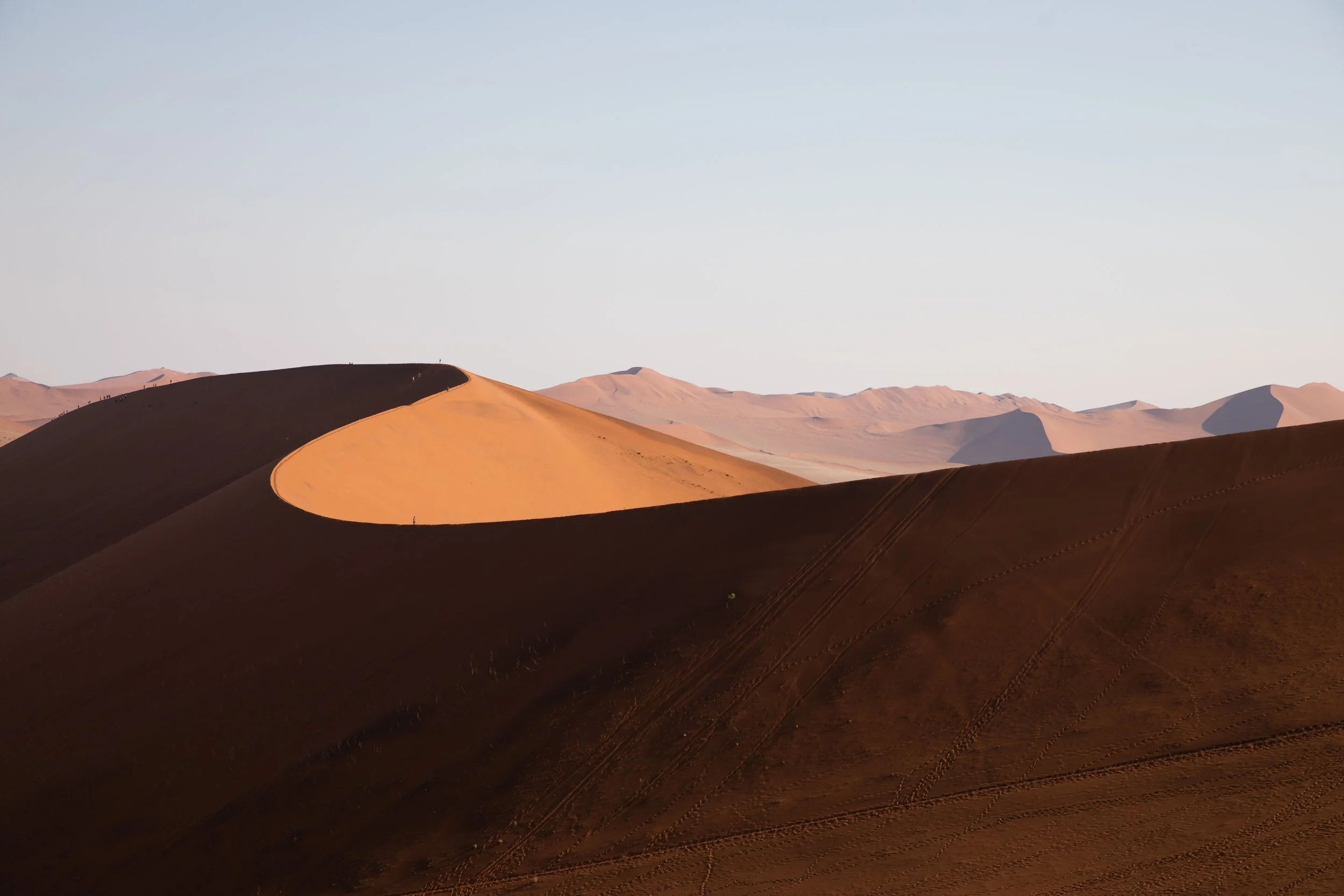
For us, renting a 4×4 was absolutely worth it. We wanted to camp, explore Namibia independently and have the freedom to travel between places such as Sossusvlei, Spitzkoppe and Etosha at our own pace. Having our own vehicle made the trip feel like a genuine adventure rather than simply following an organised itinerary.
It is not the cheapest way to travel. You need to budget for the rental, comprehensive insurance, fuel, camping equipment and the time involved in driving between destinations. However, the vehicle also provided our transport, accommodation setup, storage space and flexibility, so it offered good value for the type of trip we wanted.
If you are staying mainly in lodges, following the main tourist routes or joining an organised tour, you may not need to rent a fully equipped 4×4. But if you want to camp, get away from crowds and explore Namibia independently, I think hiring a suitable 4×4 is one of the best ways to experience the country. Just choose the vehicle carefully, allow plenty of time and make sure you are prepared for the roads and remote distances.
Our Experience with Namibia2Go
First, I should mention that I am not sponsored by Namibia2Go and received no payment to recommend them, but our experience with the company was genuinely excellent.
They collected us from the airport and took us directly to the vehicle pickup location. Everyone was extremely professional, the car was immaculate and all of the camping equipment was in excellent condition. The fridge and burner worked perfectly, while the rooftop tent was easy to set up and comfortable to sleep in. The pickup process was smooth, and the team clearly explained how the vehicle and its features worked before we left.
They also reassured us that if anything went wrong during the trip, we could contact their support number and they would arrange repairs or replacements as quickly as possible. Fortunately, the vehicle was completely reliable and we had no issues with it throughout our trip.
Returning the vehicle was just as straightforward, including the shuttle back to the airport. I have had some poor experiences with hire cars in the past, including large international brands where staff closely inspected the vehicle on return or unexpected fees appeared afterwards. We had none of those issues with Namibia2Go.
The entire process was flawless from start to finish, and I would use them again without hesitation.
Related Posts:
Hiring a 4×4 was one of the best decisions we made for our Namibia trip. It gave us the freedom to explore the country independently, camp in unforgettable locations and reach places that would be difficult to experience without your own vehicle. Based on our trip, this guide covers Namibia 4x4 rentals, including costs, camping setups, insurance, road conditions and practical tips.