
Is Misool Worth Visiting? Raja Ampat's Most Remote Paradise
If you're weighing up whether the trip to Misool is worth the extra cost, ferry journeys, and logistical headaches, you're certainly not alone.
Before visiting Raja Ampat, I found plenty of information about the well-trodden route through Kri, Gam, Mansuar, and the Dampier Strait. Misool, however, felt like a different story entirely.
Reliable information was surprisingly difficult to find, accommodation options were rarely available on major booking platforms, and working out the ferry schedules often felt more complicated than planning the rest of the trip combined.
After spending five days exploring Misool, I wanted to answer the question I kept asking myself throughout the planning process: is Misool really worth the extra time, money, and effort?
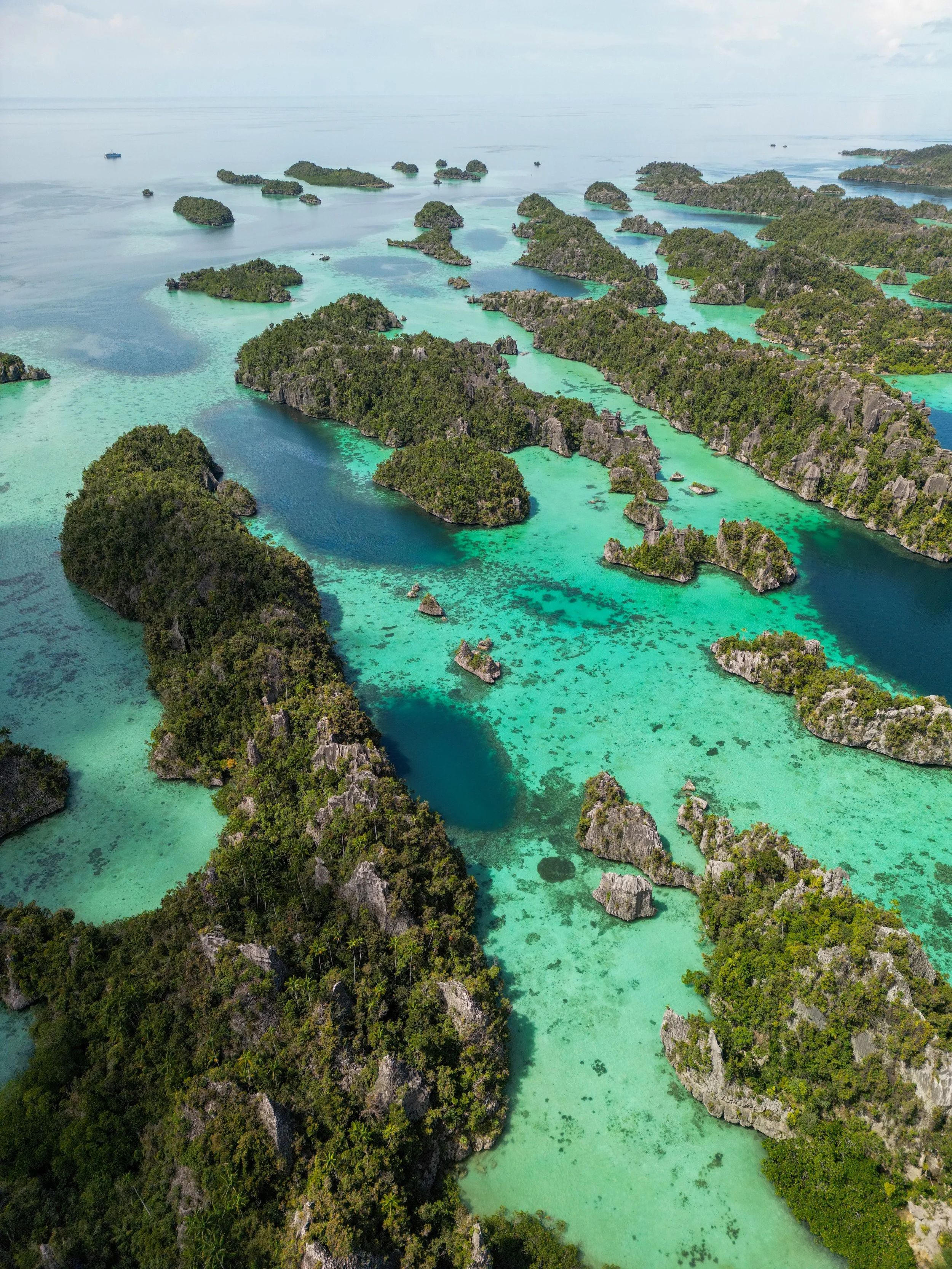
Key Takeaways
My Verdict: Absolutely worth visiting
The Good: Spectacular scenery, fewer tourists, incredible island-hopping, and a genuine sense of adventure
The Bad: Longer travel times, additional planning, and higher overall costs
Best For: Photographers, snorkelers and island-hoppers
Not Ideal For: Short itineraries and dive-focused trips
Most Unexpected Discovery: Having many of Misool's major attractions almost entirely to ourselves
Would I Go Back: In a heartbeat
Why I Almost Skipped Misool Raja Ampat
Before visiting Misool, I kept coming back to the same question: if the region is supposedly one of the highlights of Raja Ampat, why do so few people actually go there? After speaking with other travellers and planning the trip myself, I realised the answer had very little to do with whether Misool was worth visiting and much more to do with awareness, logistics, and time.
Most Visitors Never Look Beyond the Dampier Strait
For many travellers, Raja Ampat effectively begins and ends in the Dampier Strait. The vast majority of online guides, accommodation recommendations, dive centres, and suggested itineraries focus on Kri, Gam, Mansuar, Arborek, and Piaynemo. As a result, it is entirely possible to plan an incredible trip to Raja Ampat without ever seriously considering Misool.
Before my own trip, I found myself in exactly the same position. Most of the content I came across focused almost exclusively on northern Raja Ampat, making Misool feel less like one of the archipelago's main regions and more like an optional add-onfor those with extra time.
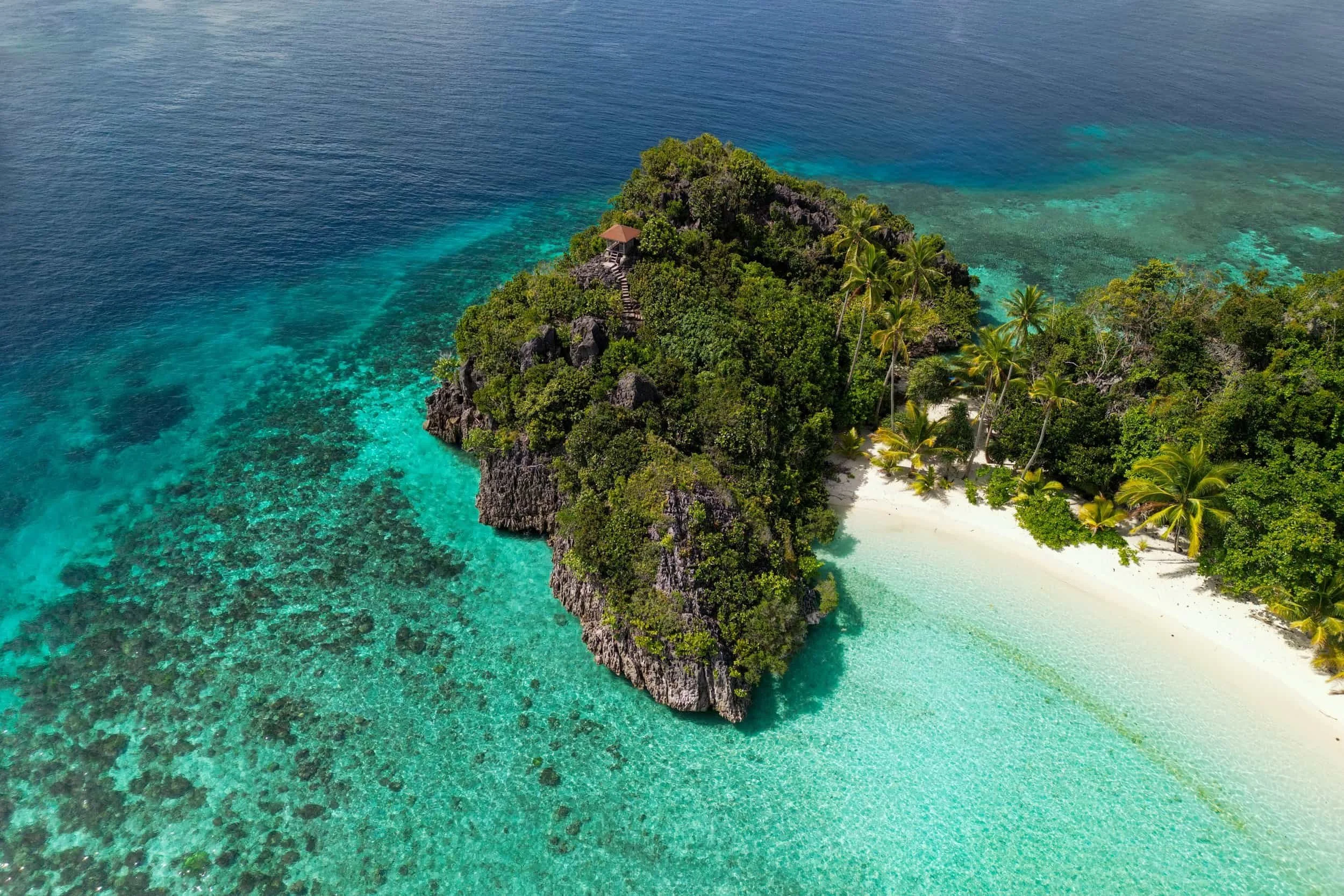
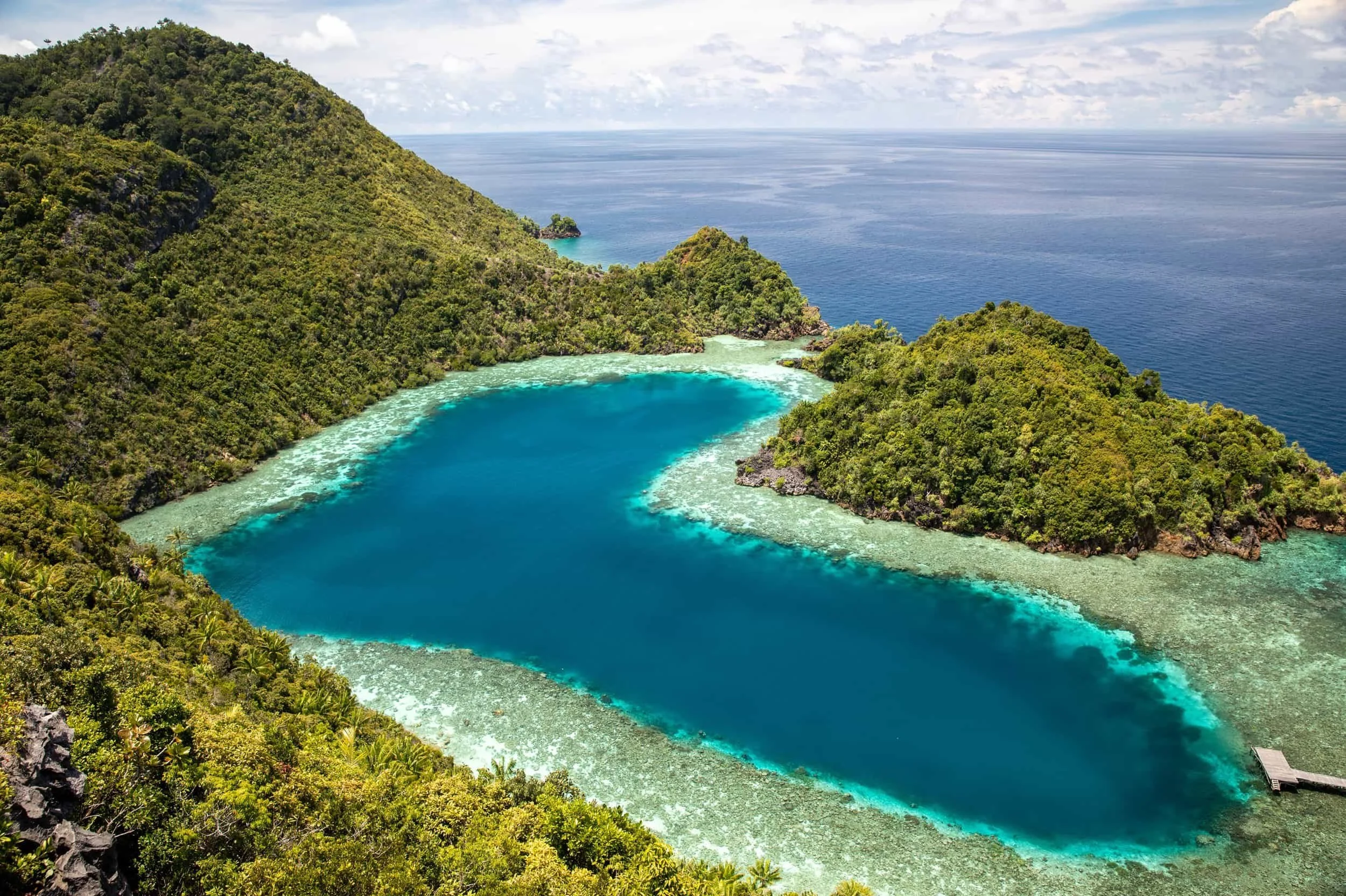
Yet every now and then I would come across a photo of Balbulol Lagoon, Harfat Jaya Peak, or one of Misool’s countless limestone karst islands, and it would immediately grab my attention. The more I saw, the harder it became to ignore the feeling that there might be an entirely different side of Raja Ampat that most visitors never get to experience. Maybe Misool was an essential part of any good Raja Ampat Itinerary.
The Logistics Look Intimidating
Even once I became interested in visiting Misool, figuring out how to get there felt surprisingly complicated. Unlike northern Raja Ampat, where most visitors simply catch the ferry to Waisai and transfer to their accommodation, reaching Misoolinvolves a separate ferry system, different schedules, and significantly less information online. Reading that the ferry only operated a couple of times each week, that schedules could change intermittently, and that weather occasionally affected departures did little to inspire confidence.
The process was confusing enough that I ended up creating my own How to Get to Misool Island Guide after returning from the trip.
The accommodation side of things felt even more foreign. Searching through the usual platforms such as Booking.com returned very few results, with the exception of Misool Eco Resort, which is not only one of the most expensive accommodation options in Raja Ampat but is also often booked out well in advance. Beyond that, much of the information I found came from scrolling through Facebook groups, reading old forum posts, and messaging homestays directly through WhatsApp. In many cases, the only way to secure a booking was to transfer money to someone you had never met. Every instinct was telling me this was a terrible idea, yet it seemed to be the standard way accommodation was booked throughout the region.
When you're already trying to organise flights, ferries, accommodation, and activities throughout Raja Ampat, it can be tempting to avoid the extra complexity altogether and stick with the easier option. Looking back, I can completely understand why many travellers never make it past the planning stage.
It Requires More Time then Most Travellers Have
Another reality is that Misool isn't somewhere you can easily squeeze into a short Raja Ampat itinerary. While the region itself deserves at least four or five days, most travellers also want to experience the highlights of northern Raja Ampat before committing additional time to the south.
This creates a dilemma. Raja Ampat is, first and foremost, famous for its diving, and if you're a diver it's difficult to ignore the world-class sites found throughout the Dampier Strait. Honestly, I wouldn't blame you. Dives such as Melissa's Garden and Cape Kri are simply incredible and are among the main reasons people travel to Raja Ampat in the first place.
For visitors with limited annual leave or tight schedules, the decision often becomes less about whether Misool is worth visiting and more about whether there is enough time to do both regions properly. Unsurprisingly, many travellers choose the simpler option and focus entirely on northern Raja Ampat, leaving Misool for a future trip that may never happen.
However it is definitely possible to fit Misool into a 10 Day Raja Ampat Itinerary
What Makes Misool in Raja Ampat Worth the Effort
Despite all of the reasons I nearly skipped Misool, I'm incredibly glad I didn't. Looking back, the extra ferry journeys, WhatsApp messages, accommodation deposits, and planning headaches now feel completely insignificant compared to the experiences I had once I arrived.
In fact, many of the things that make Misool more difficult to reach are also what make it so special. Fewer visitors, less development, and a stronger sense of remoteness have helped preserve a side of Raja Ampat that feels increasingly difficult to find elsewhere. If you're still weighing up whether the effort is justified, these are the reasons I think Misool is absolutely worth visiting.
The Most Spectacular Scenery in Raja Ampat
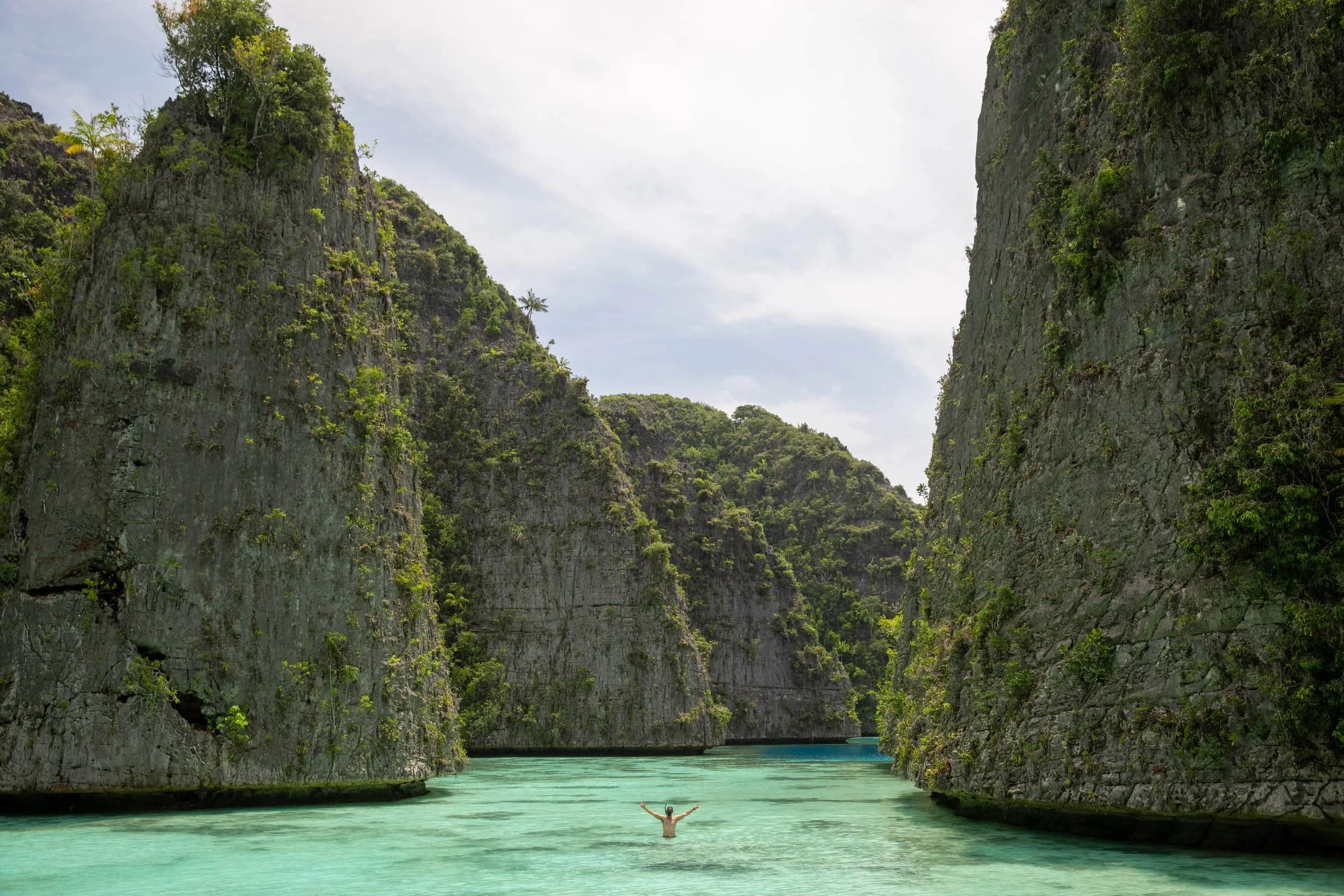
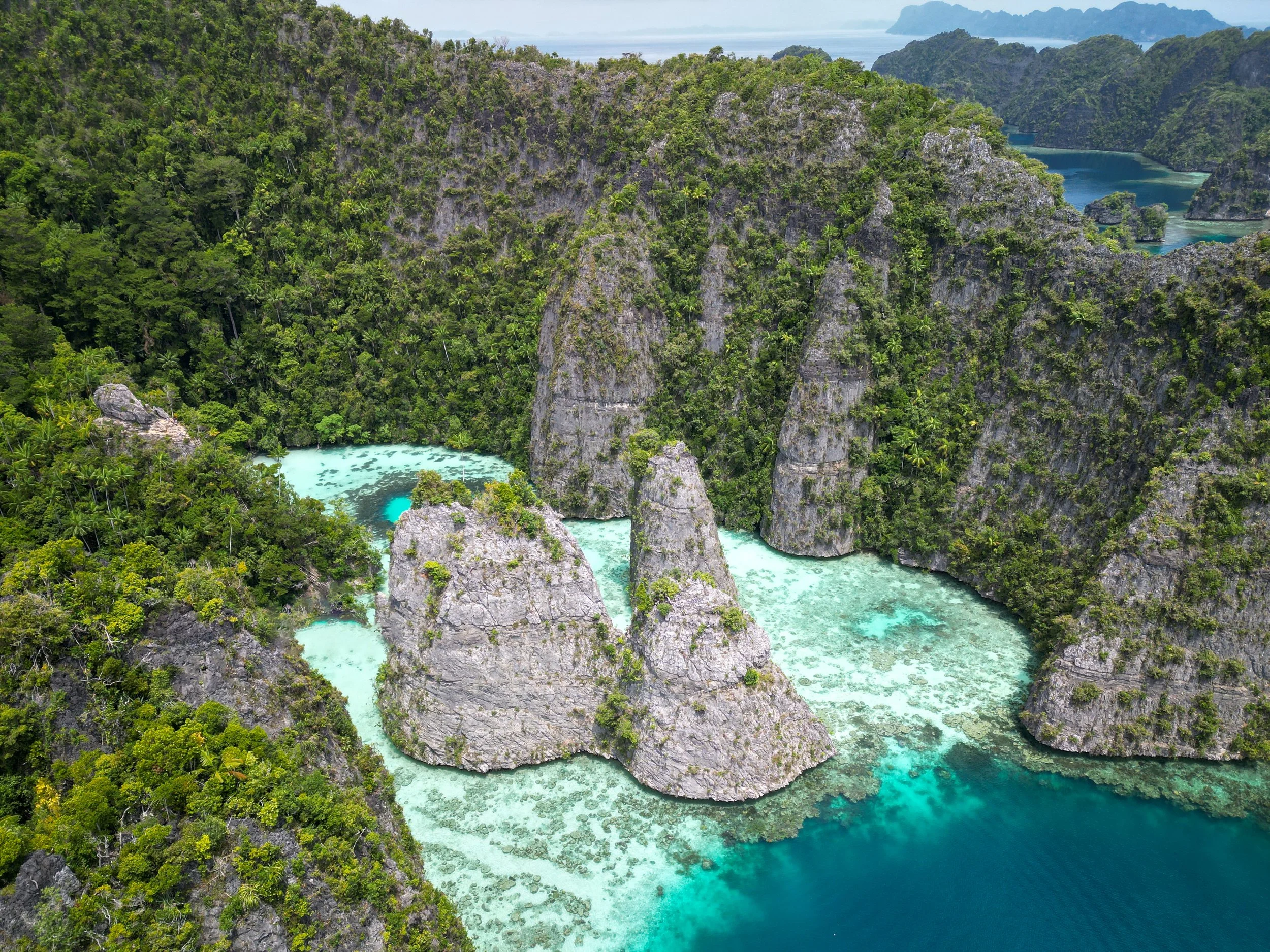
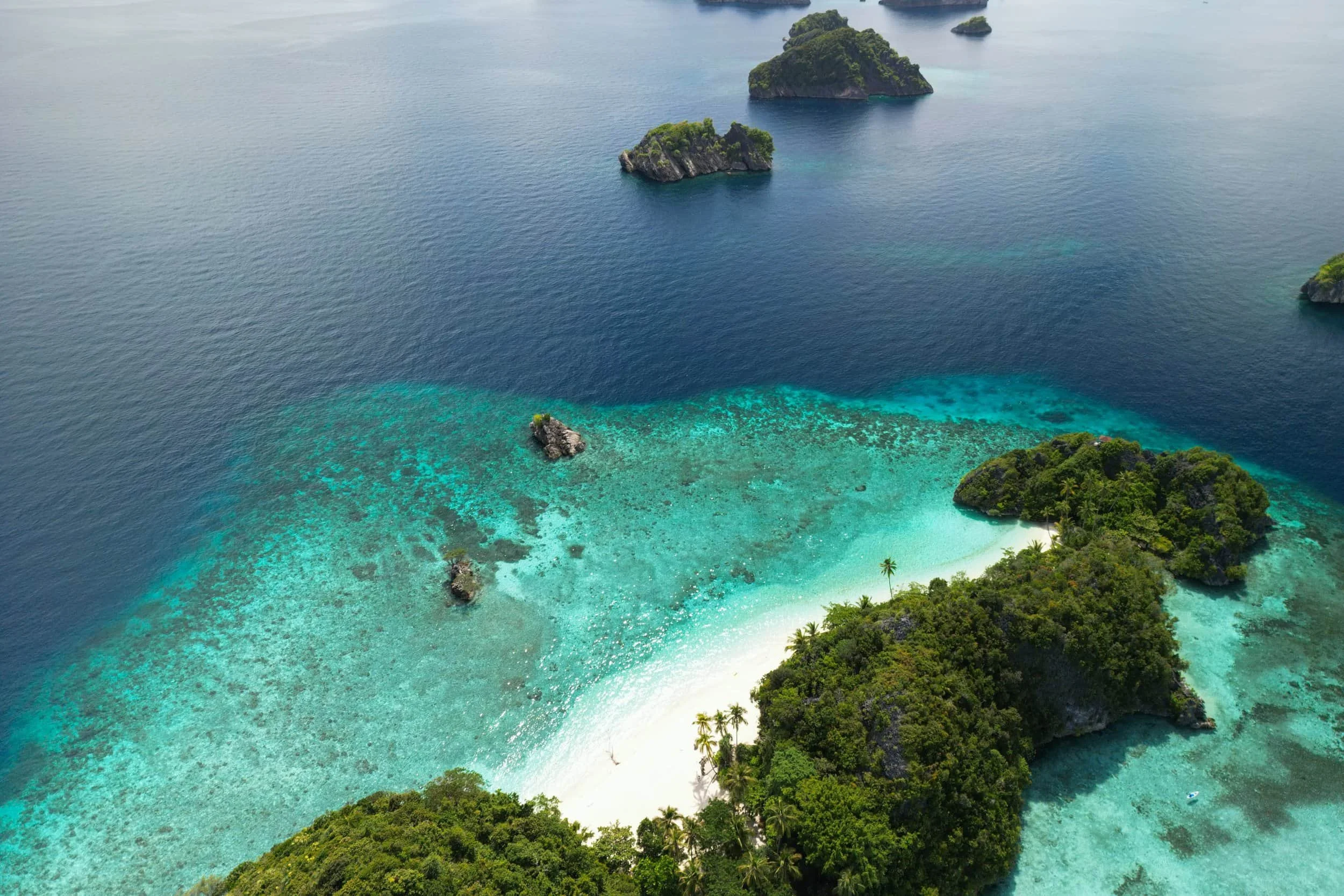
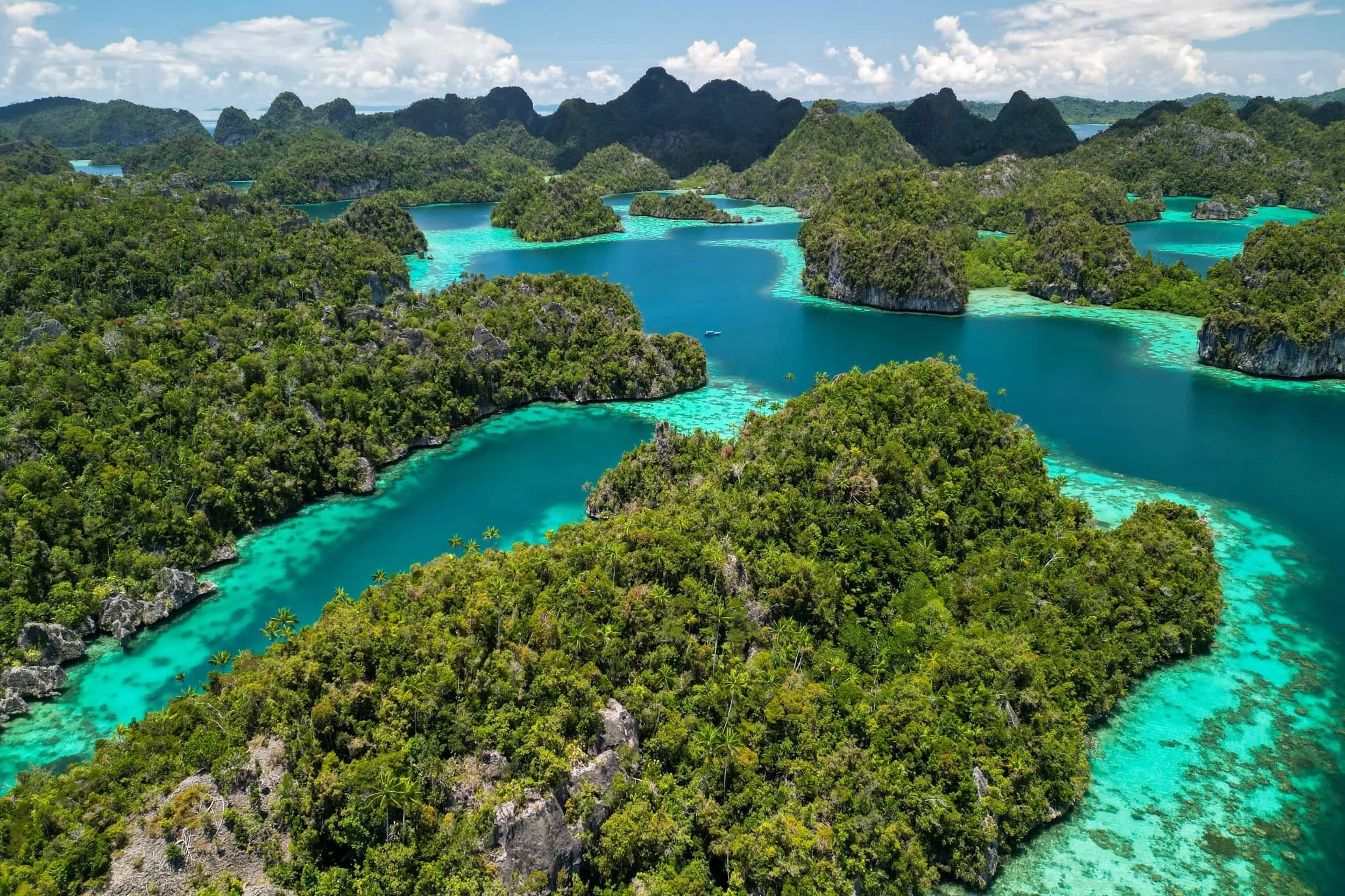
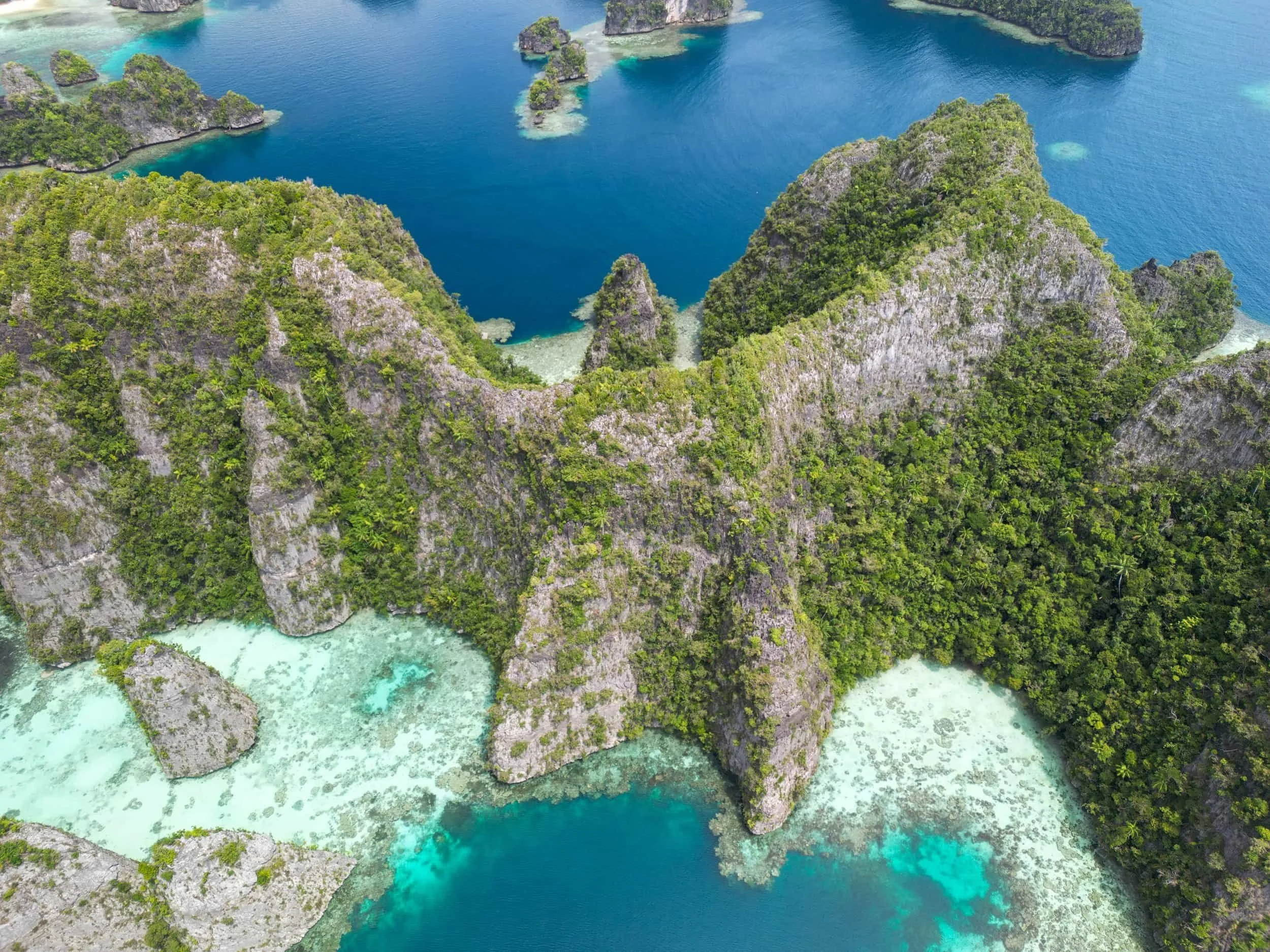
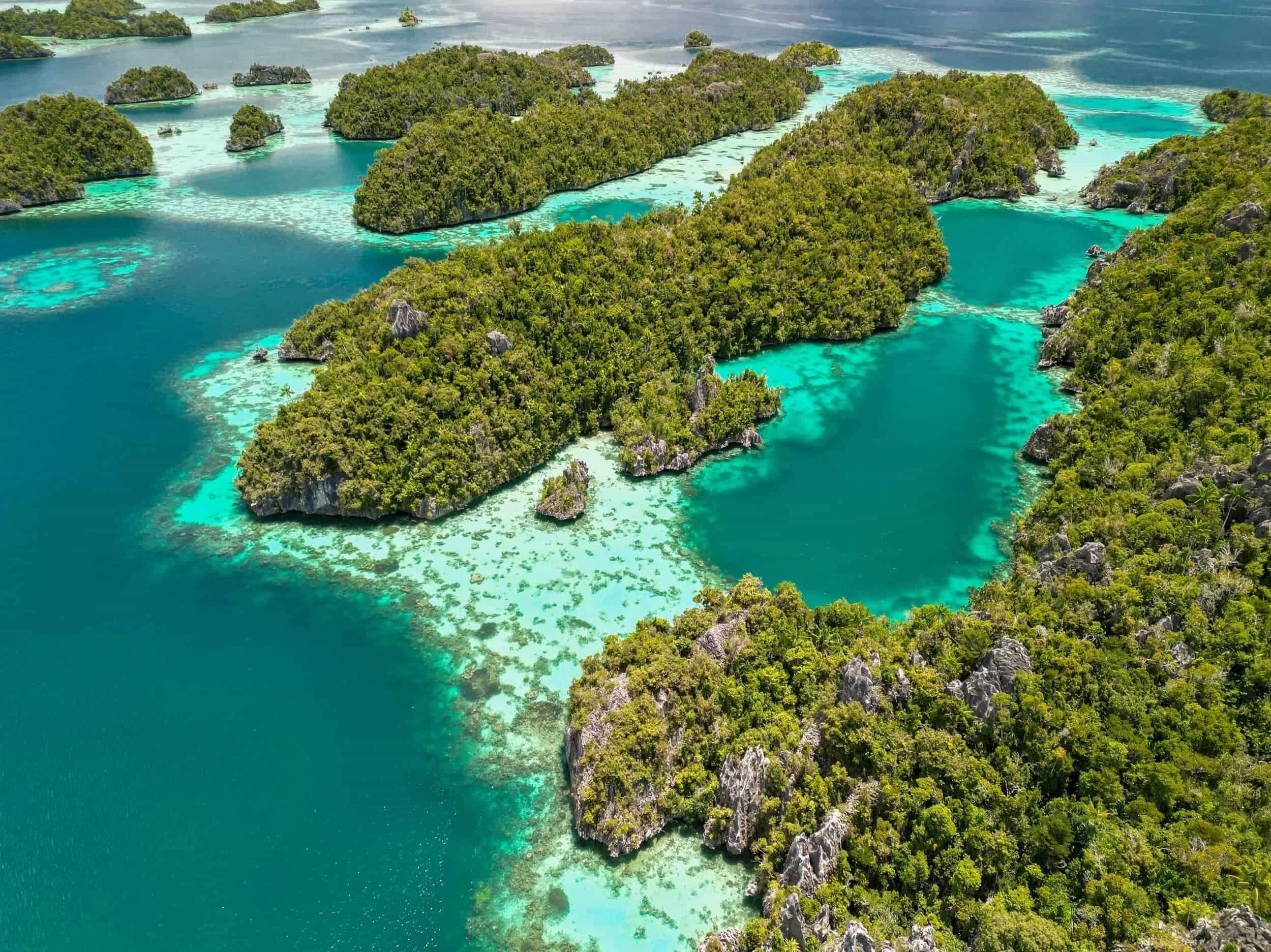
While northern Raja Ampat undoubtedly has some spectacular scenery, particularly around Piaynemo and the Fam Islands, I found the landscapes in Misool to be on an entirelydifferent level. Locations such as Balbulol Lagoon, Harfat Jaya Peak, Dafalen Peak, and Karawapop Love Lagoon consistently delivered some of the most impressive scenery I have encountered anywhere in the world, let alone Indonesia. In many ways, the experience rivalled destinations such as Ha Long Bay in Vietnam and El Nido in the Philippines. These were just some of the Best Things to Do in Misool.
What stood out most was the scale of everything. The limestone karst formations are larger, the lagoons feel more expansive, and the viewpoints reveal vast landscapes stretching in every direction. While northern Raja Ampatcertainly has its fair share of beautiful scenery, Misool felt grander, more dramatic, and considerably more varied. Wayag may once have challenged it for the title of Raja Ampat's most spectacular region, but with access currently restricted, Misool stands as the clear standout in my opinion.
If you're interested in photography or travelling with a drone, I would argue this alone is enough reason to make the journey south.
Greater Sense of Adventure
Part of what makes Misool so memorable is that it still feels like an adventure.
Before arriving, the ferry schedules, limited information, and additional planning all felt like obstacles. Looking back, those same challenges became part of what made the experience so rewarding. Reaching Misool felt less like visiting another tourist destination and more like discovering a corner of Raja Ampatthat relatively few travellers ever make it to.
Every day seemed to involve a longboat journey through remote islands, hidden lagoons, and stretches of coastline where there was little evidence of development or tourism infrastructure. While northern Raja Ampat is undoubtedly easier to access, Misool gave me a much stronger feeling of exploration and discovery, something that is becoming increasingly difficult to find in popular travel destinations.
Perhaps the best way I can describe it is that Misool felt like a genuine escape. There was no checking Google Maps for the nearest cafe, no deciding between dozens of tour operators, and very little sense of urgency. The uncertainty that had worried me during the planning process became part of the appeal. Not always knowing what was around the next headland, which lagoon we'd discover next, or how the day would unfold made the experience feel far more adventurous than any itinerary ever could. Life slowed down, the days felt longer, and for a short period it felt as though the rest of the world had been left behind.
The Lack of Tourists
Another one of the biggest surprises was just how few people I encountered throughout Misool.
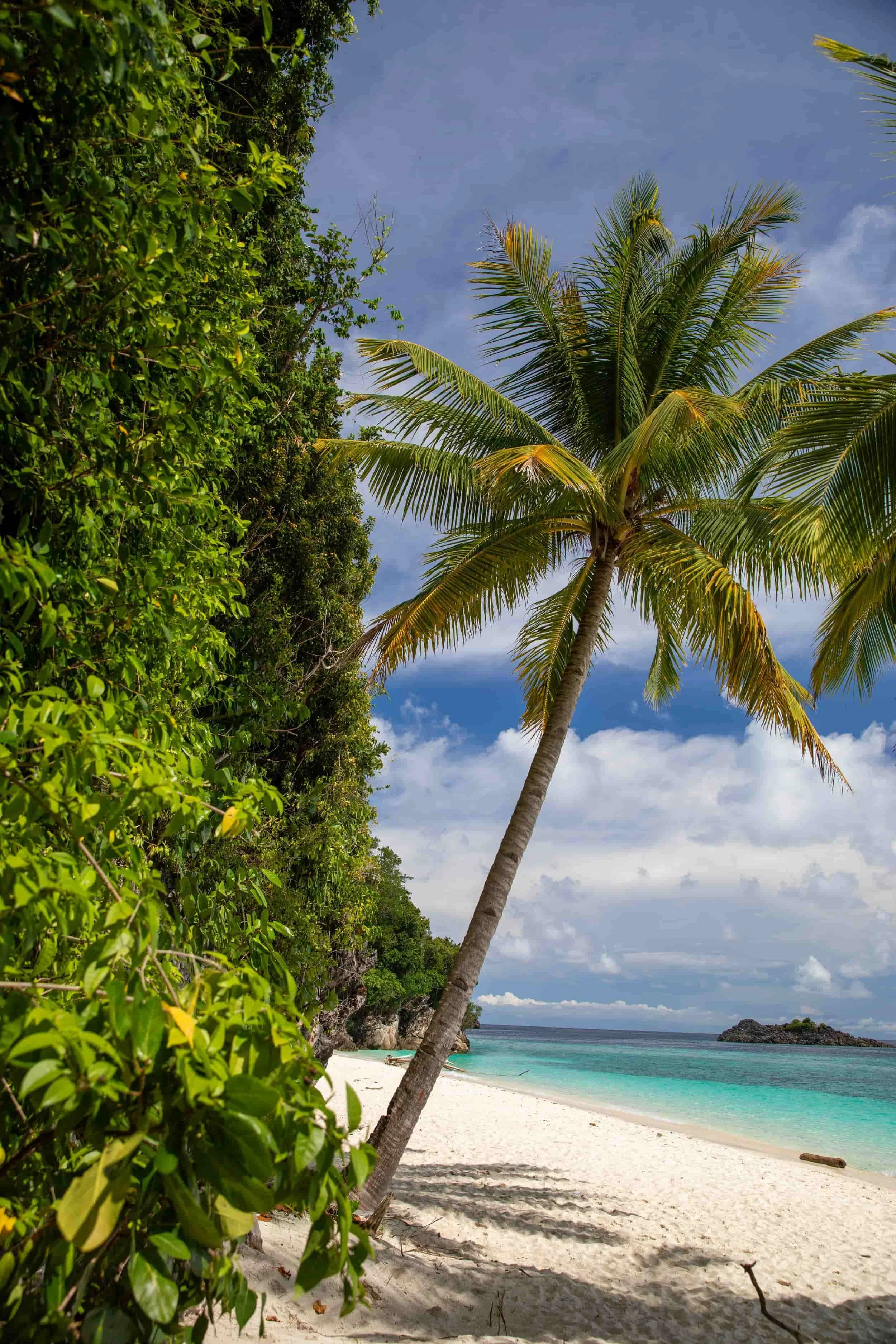
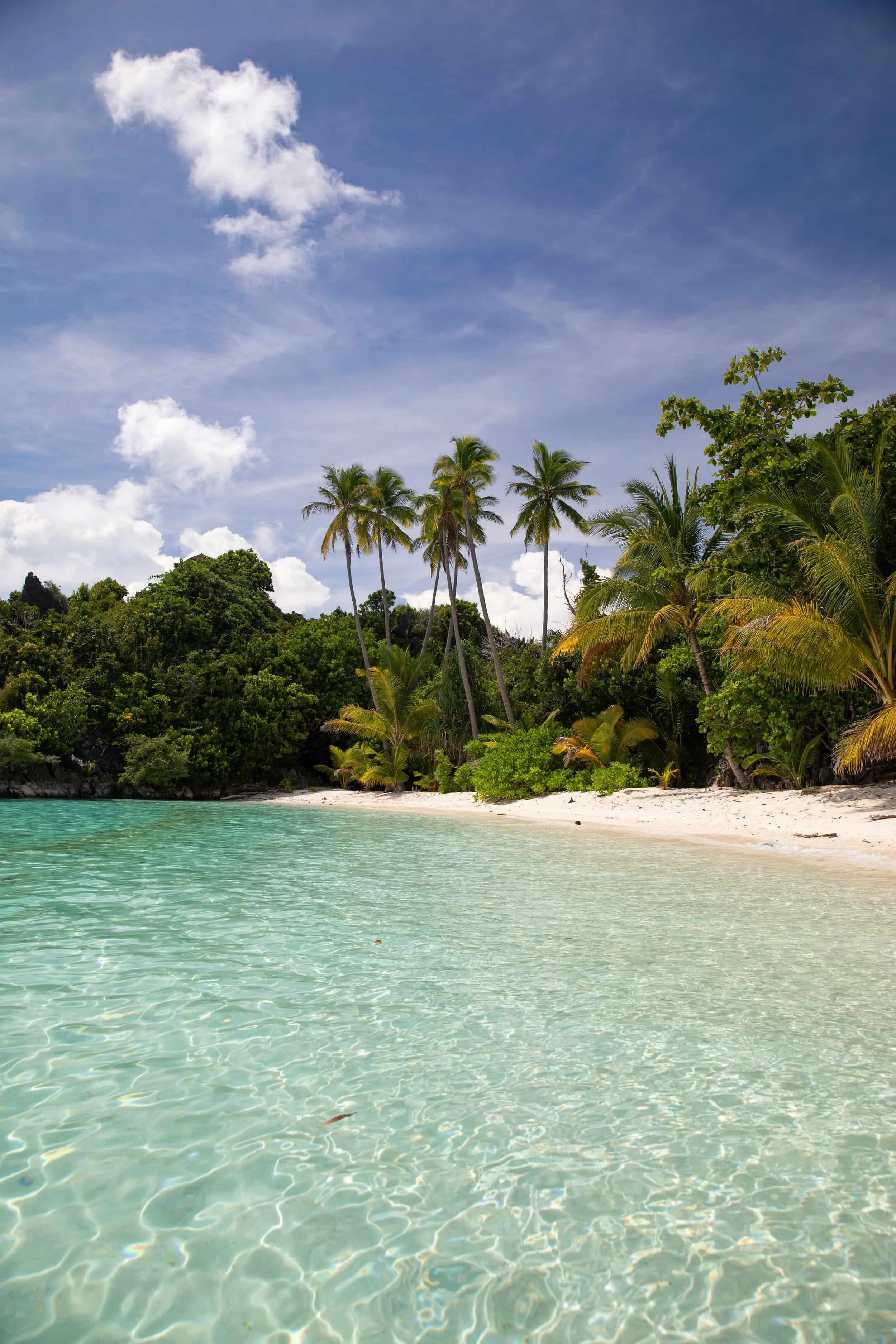
Given the quality of the scenery, I expected the major attractions to be considerably busier. Instead, many of the viewpoints, lagoons, and beaches felt remarkably quiet. On several occasions we had entire attractions completely to ourselves, something that is extremely rare at well-known destinations around the world.
I suspect much of this comes down to the limited amount of accommodation scattered throughout the region. Compared to the northern islands, there are simply far fewer places for visitors to stay, naturally limiting the number of people exploring Misoolat any given time. During my stay at Yamnini Homestay, for example, there were only six guest rooms in total, all located on a small collection of overwater bungalows surrounded by open ocean. That level of limited capacity is fairly typical throughout Misooland goes a long way towards preserving the region's sense of remoteness.
The lack of visitors changes the experience in ways that are difficult to appreciate until you arrive. There are fewer boats moving between attractions, less noise, and far fewer people competing for the same viewpoints and photographs. Combined with the region's remoteness, it creates a sense that you are exploring somewhere genuinely special rather than simply following a well-established tourist trail.
Featured Posts:
Where Misool Lacks Compared to the Dampier Strait
As much as I loved my time in Misool, I think it's important to be honest about the drawbacks as well. After all, this article is about helping you decide whether the trip is worth the extra time, money, and effort. While none of the following were deal-breakers for me, there are a few areas where northern Raja Ampat undoubtedly has the advantage.
Depending on your priorities, these trade-offs may be enough to influence your decision.
The Journey is Long
There is simply no getting around the fact that reaching Misool takes time.
For most international visitors, the journey begins with multiple flights just to reach Sorong, often involving connections through Jakarta, Bali, or Makassar. By the time you finally land in West Papua, you're usually already dealing with a full day of travel before the trip to Misool has even begun.
From there, the biggest challenge is the ferry. Depending on which service you take, the journey from Sorong to Yellu Harbour takes anywhere from approximately 5–6 hours on the fast ferry to 8–10 hours on the overnight ferry. To make matters more complicated, departures are limited to only a few services each week, meaning your Raja Ampat Itinerary often ends up being dictated by ferry schedules rather than your own preferences.
In my case, this also meant factoring in additional nights in Sorong before and after visiting Misool. Compared to northern Raja Ampat, where ferries to Waisai run far more frequently and transfers are generally straightforward, reaching Misool requires a noticeably greater commitment of both time and planning.
If you're interested in the full logistics, ferry schedules, and transport options, I have created a dedicated How to Get to Misool Island guide after navigating the process myself.
It Cost’s More than Northern Raja Ampat
Misool is generally more expensive than northern Raja Ampat, although perhaps not by as much as many people expect.
The accommodation itself isn't necessarily the issue. In fact, homestays such as Yamnini can still represent excellent value. The additional cost comes from everything required to get there and explore the region once you arrive. Extra ferry tickets, longboat transfers, island-hopping tours, and accommodation nights in Sorong all contribute to a higher overall trip cost.
I also suspect that the limited number of accommodation providers, tour operators, and transport options throughout the region naturally reduces competition. Unlike the Dampier Strait, where visitors have a wide range of homestays, dive centres, and boat operators to choose from, options in Misool are considerably more limited.
When comparing overall trip costs, I would expect most travellers to spend somewhat more visiting Misool than they would staying solely in northern Raja Ampat. That said, the difference is unlikely to be large enough to determine whether you should visit or not. For me, the scenery, remoteness, and overall experience more than justified the additional expense.
Diving is Less Accessible
This is probably the biggest downside for dedicated divers.
Raja Ampat is famous for its diving, and much of that reputation has been built around the Dampier Strait. Around Kri, Gam, and Mansuar you'll find numerous dive centres, daily dive trips, training courses, equipment rental, and easy access to many of the region's most famous sites.
Misool. still offers exceptional diving, but the infrastructure is noticeably more limited. During my own planning, I found reliable land-based dive operators surprisingly difficult to identify, with many visitors instead choosing to experience the region through liveaboards or dedicated dive resorts. While these options provide access to some of Raja Ampat’s best dive sites, they come at a significant cost. Liveaboards typically range from around $250–1,000+ USD per night, while resorts such as Misool Eco Resort can cost several hundred dollars per night before factoring in diving packages.
That said, I don't think this should automatically rule out Misool for non-divers. Throughout my trip, there were still plenty of opportunities for incredible snorkeling, with healthy coral reefs, abundant marine life, and crystal-clear water found throughout the region. In many cases, the snorkeling was every bit as memorable as the diving.
If your primary goal is to maximise the amount of diving you do during your trip, northern Raja Ampat is probably the better option. For me, however, the scenery, island-hopping, snorkeling, and overall experience more than compensated for the reduced accessibility of diving in the south.
My Final Verdict: Is Misool Worth Visiting?
For me, the answer is an easy yes.
The biggest factor in deciding whether Misool is worth visiting comes down to one question: why are you travelling to Raja Ampat in the first place?
If diving is your primary focus and you only have limited time available, I can completely understand prioritising northern Raja Ampat. The concentration of dive centres, accessibility of world-class sites, and overall convenience make it difficult to beat. Raja Ampat has earned its reputation as one of the world's great diving destinations, and much of that reputation has been built around the Dampier Strait.
However, if diving isn't your primary reason for visiting, I would actually prioritise Misool over the north. The scenery, island-hopping, viewpoints, remoteness, and overall sense of adventure far outweighed anything I experienced elsewhere in the archipelago. While the Dampier Strait may be Raja Ampat's diving capital, Misool is where I found its most memorable landscapes and experiences.
The reality is that many of the things that initially put me off the ferry schedules, the additional planning, the lack of information, and the uncertainty ultimately became part of what made the experience so rewarding. Misool felt more remote, more adventurous, and considerably less developed than anywhere else I visited in Raja Ampat.
Most importantly, the scenery genuinely exceeded my expectations. Locations such as Balbulol Lagoon and Karawapop Love Lagoon were not just highlights of my time in Raja Ampat; they were some of the most impressive landscapes I have encountered anywhere in the world.
If I returned to Raja Ampat tomorrow and had enough time available, I would go back to Misool without hesitation. In fact, if I could only choose one region to revisit, I would choose Misool.
So, is Misool worth the extra time, money, and effort?
Absolutely, it is a must have in your Raja Ampat Itinerary!
Related Posts:
From hidden lagoons and stunning viewpoints to wild dolphins, coral reefs, and white sand beaches, these are the absolute best things to do in Misool, Raja Ampat, one of Indonesia’s most remote and beautiful island destinations.