
Islands of Raja Ampat, Indonesia: Complete Travel Guide

Raja Ampat often referred to as the “Last Paradise” is one of the most extraordinary island destinations in the world, renowned for its spectacular scenery, incredible marine biodiversity, and remote tropical landscapes. From limestone karst islands and turquoise lagoons to vibrant coral reefs and rare wildlife, the archipelago offers some of Indonesia’s most memorable diving, snorkeling, and island-hopping experiences.
This travel guide covers everything you need to plan your visit, including how to get there, where to stay, the best things to do, suggested itineraries, maps, travel costs, and essential tips for exploring the region.

Travel Guide Overview
Where is Raja Ampat
Raja Ampat Islands Map
Why Visit Raja Ampat
How to Get to get there
Entry Fees and Permits
Best Time to Visit Raja Ampat
Which Islands to Visit
Raja Ampat Accommodation
Where to Go Diving
Best Attractions and Viewpoints
How Long Should you Spend
Raja Ampat Travel Itinerary
How to Budget for Raja Ampat
Practical Information
Where is Raja Ampat
Raja Ampat is a vast archipelago located off the northwestern tip of New Guinea in Southwest Papua, Indonesia. Comprising more than 1,500 islands, cays, and shoals, it is widely regarded as one of the world's premier destinations for diving, snorkeling, and island exploration. The region is renowned for its extraordinary marine biodiversity, dramatic limestone karst landscapes, turquoise lagoons, pristine coral reefs, and remote tropical scenery.
Traditionally, Raja Ampat is made up of the Four Kings islands; Waigeo, Batanta, Salawati, and Misool, from which the archipelago takes its name. While these four islands form the foundation of the region, most visitors experience Raja Ampat through several distinct travel areas, each offering its own attractions, wildlife, and style of accommodation.
For many travellers, Waigeo serves as the gateway to Raja Ampat, with the town of Waisai acting as the main arrival point after travelling from Sorong. South of Waigeo lies the Dampier Strait, home to islands such as Gam, Kri, Mansuar, and Arborek, and renowned for its exceptional snorkeling, world-class diving, and birdwatching opportunities. Further south, Misool offers a more remote experience, characterised by towering limestone karst islands, hidden lagoons, secluded beaches, and some of the most pristine coral reefs in Indonesia.
Location: Southwest Papua, Indonesia
Closest City: Sorong
Main Regions: Waigeo, Dampier Strait, Batanta, Salawati, and Misool
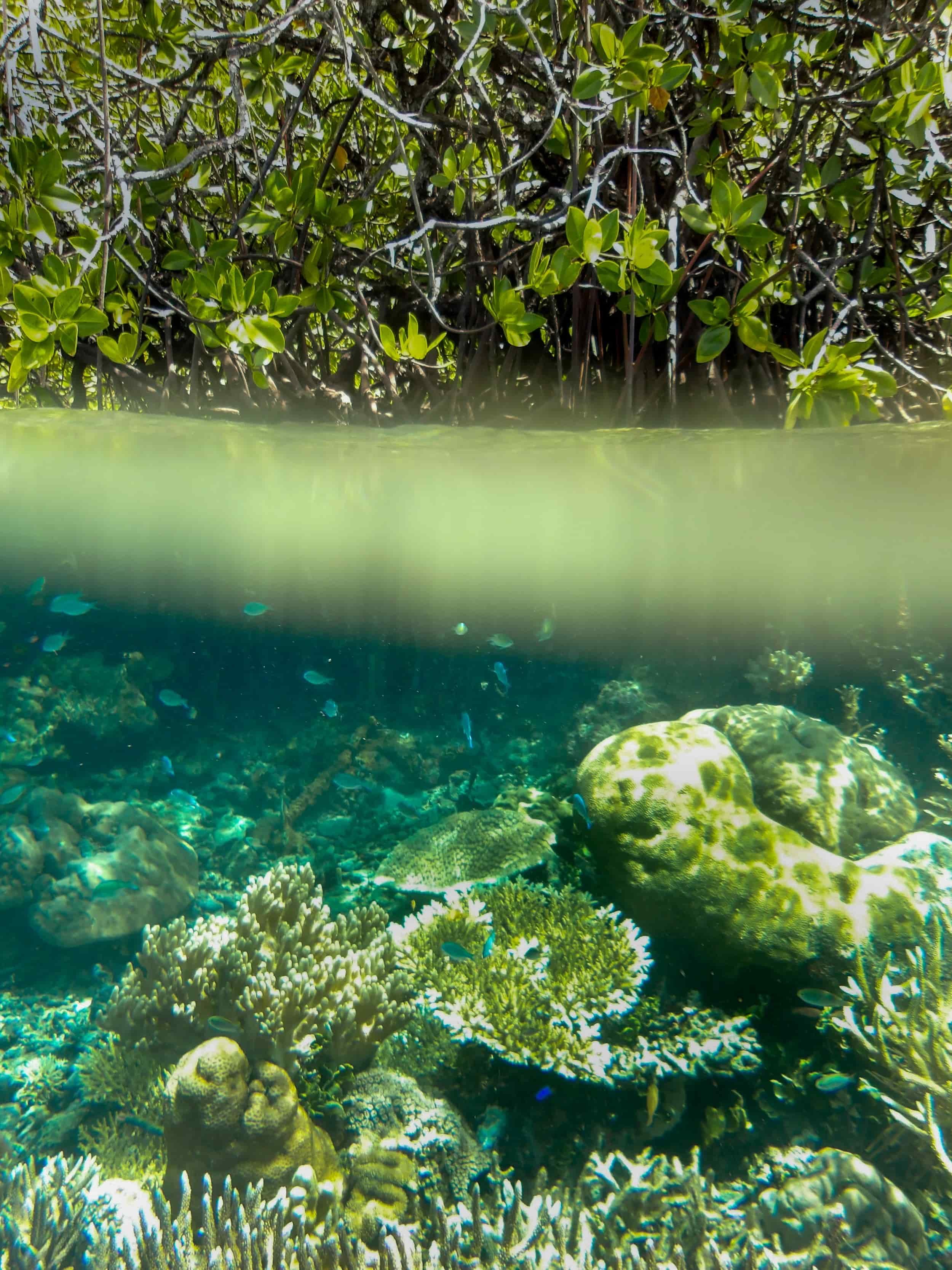
Geography: Limestone karst islands, tropical rainforest, mangrove forests, coral reefs, beaches, and sheltered lagoons
Climate: Tropical, warm and humid year-round
Character: Remote island archipelago known for diving, snorkeling, wildlife, island-hopping, and some of the richest marine ecosystems on Earth
Raja Ampat Islands Map
This Raja Ampat Islands Map highlights the archipelago's main regions, islands, villages, and attractions, helping you understand how the destination is laid out before planning your trip. Given the scale of Raja Ampat, most visitors focus on one or two regions rather than attempting to explore the entire archipelago in a single visit.
Looking for more detail? Explore the dedicated Raja Ampat Map Guide for regional maps, attractions, transport routes, and planning information across the archipelago. If you're interested in the southern islands, see the Misoo Travel Guide for a closer look at one of Raja Ampat's most remote and spectacular regions.
Why Visit Raja Ampat
Raja Ampat is widely regarded as one of the world's most extraordinary island destinations, combining exceptional marine biodiversity, dramatic tropical landscapes, and a sense of remoteness that is increasingly difficult to find elsewhere. Whether you're a diver, snorkeler, photographer, or simply looking to disconnect, the archipelago offers experiences found nowhere else in Indonesia.
Unparalleled Marine Biodiversity
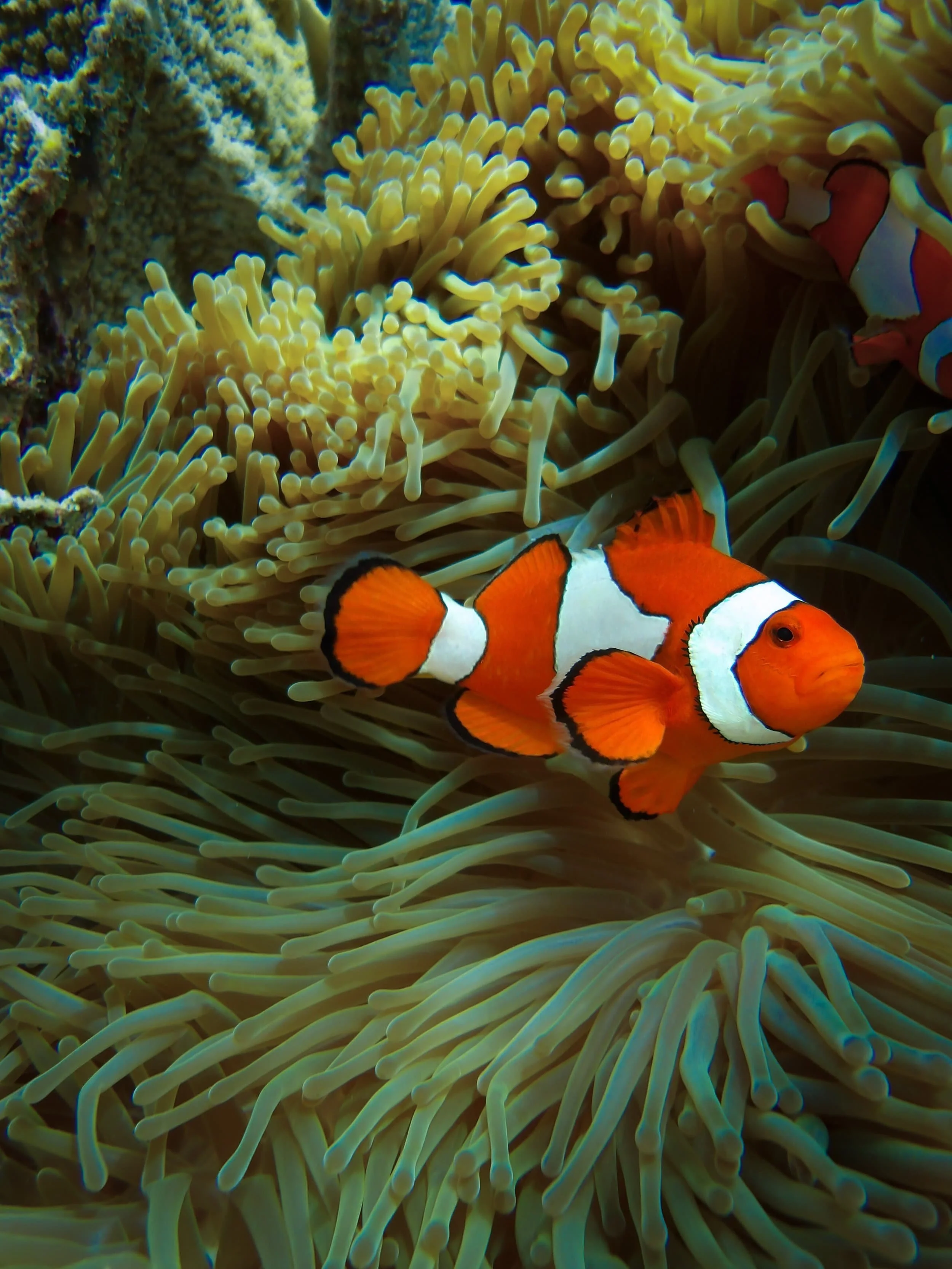
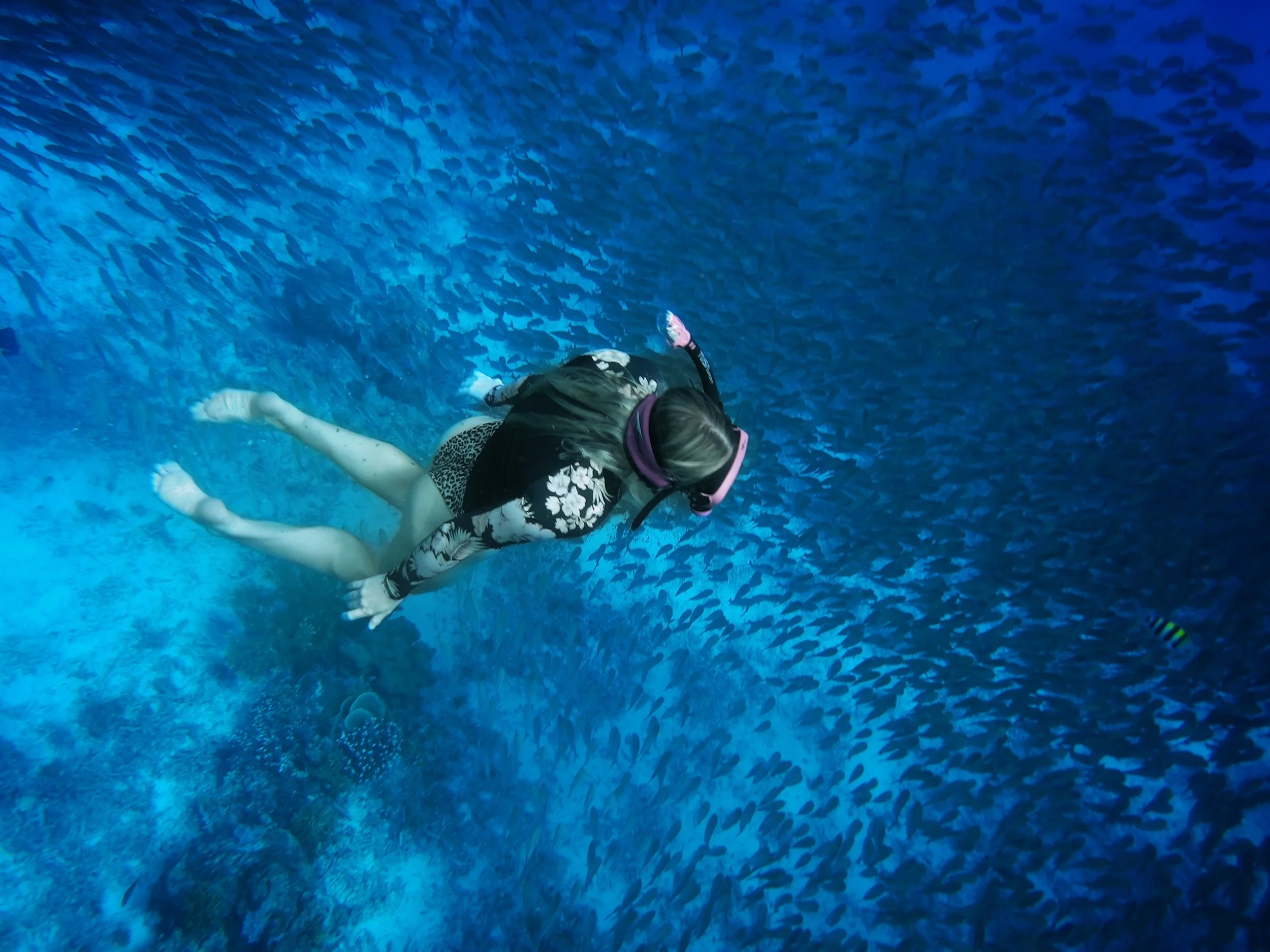
Located within the Coral Triangle, Raja Ampat is home to the highest recorded marine biodiversity on Earth. Its reefs support an extraordinary variety of corals, reef fish, manta rays, sea turtles, and sharks, making it one of the world's premier destinations for diving and snorkeling. Even shallow house reefs around local homestays can provide encounters with vibrant coral gardens and abundant marine life.
Spectacular Island Scenery
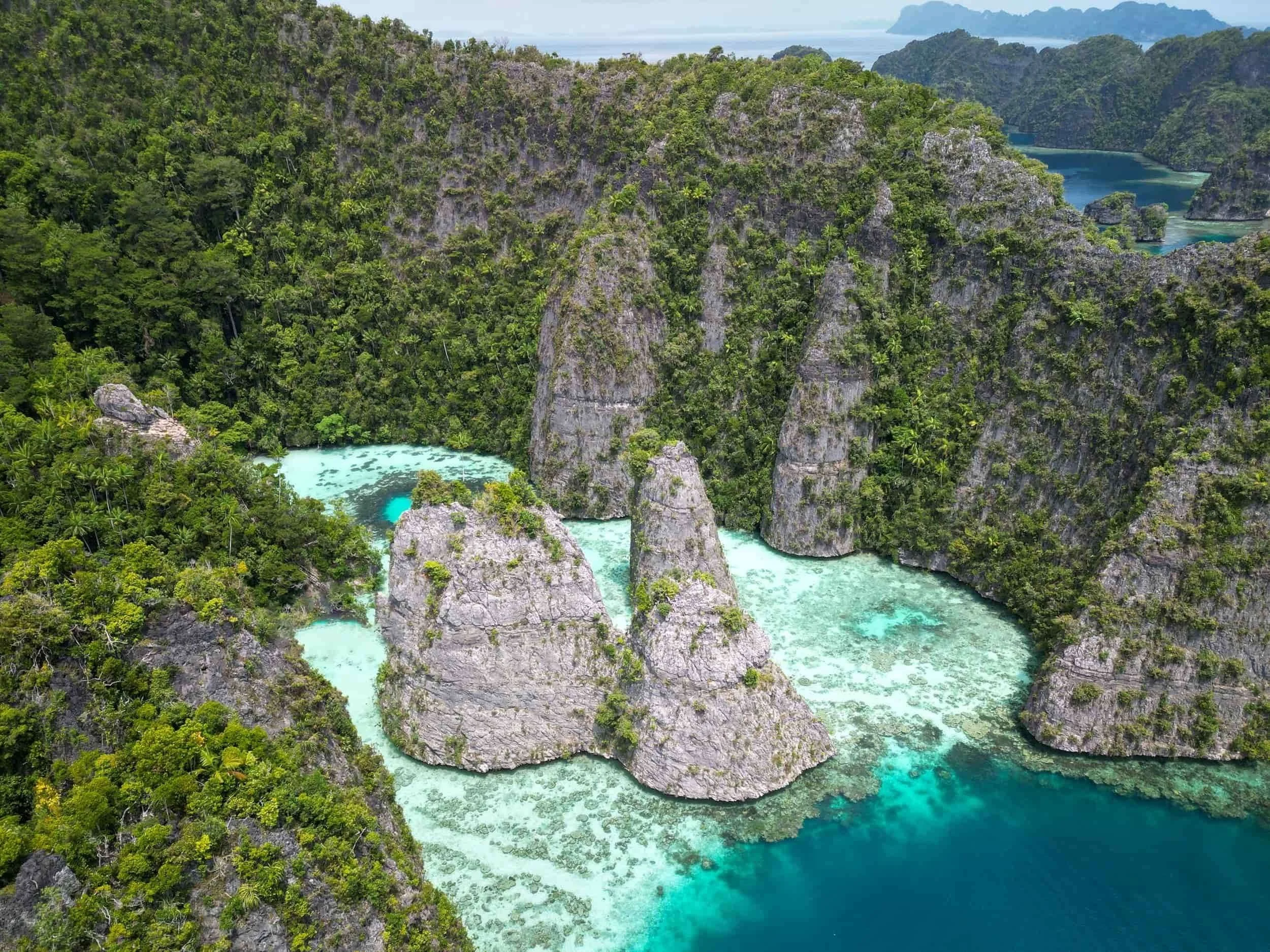
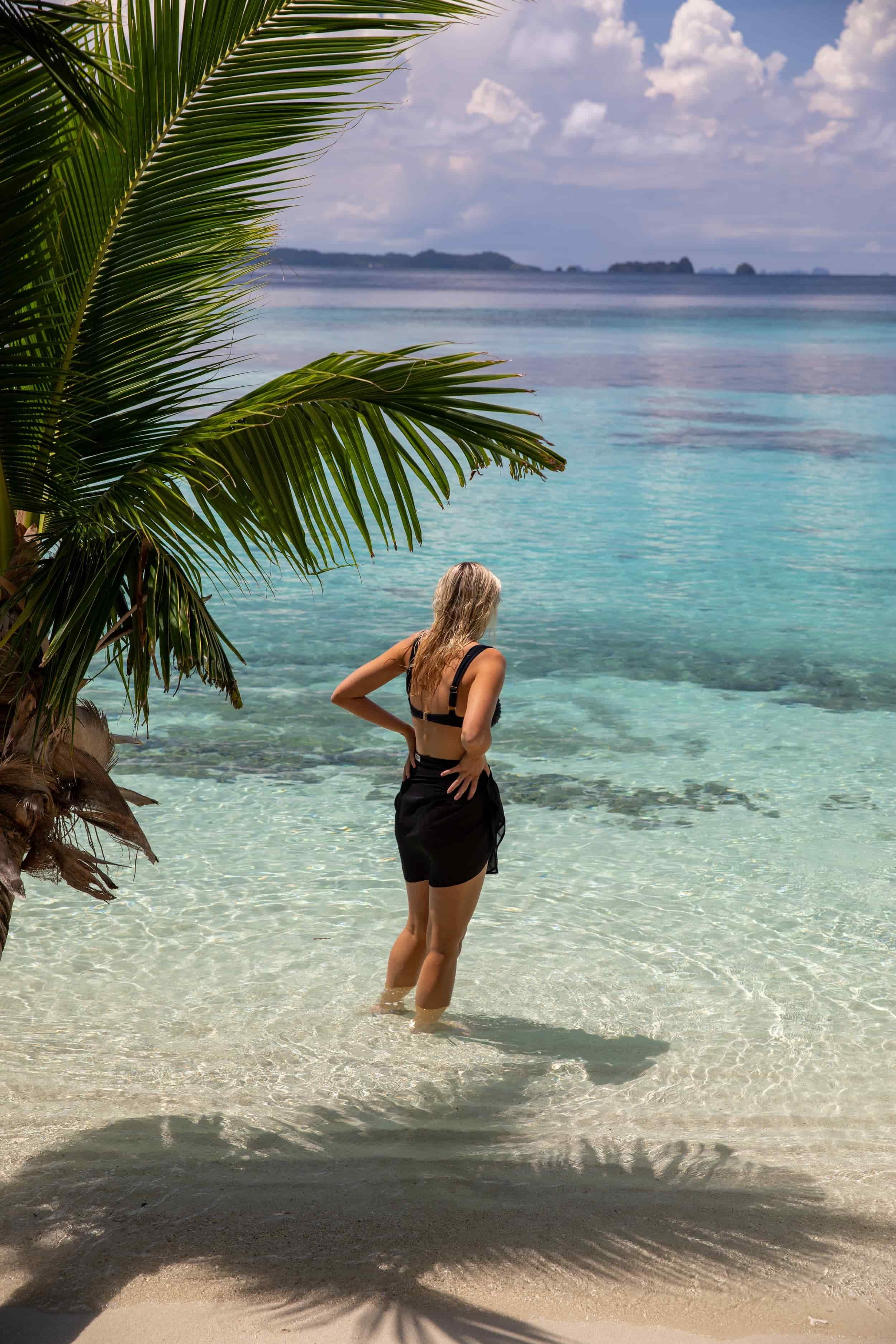
Beyond its underwater attractions, Raja Ampat is famous for its extraordinary island landscapes. Across the archipelago, towering limestone karst islands rise from turquoise lagoons and shallow coral reefs, creating some of Indonesia’s most iconic scenery.
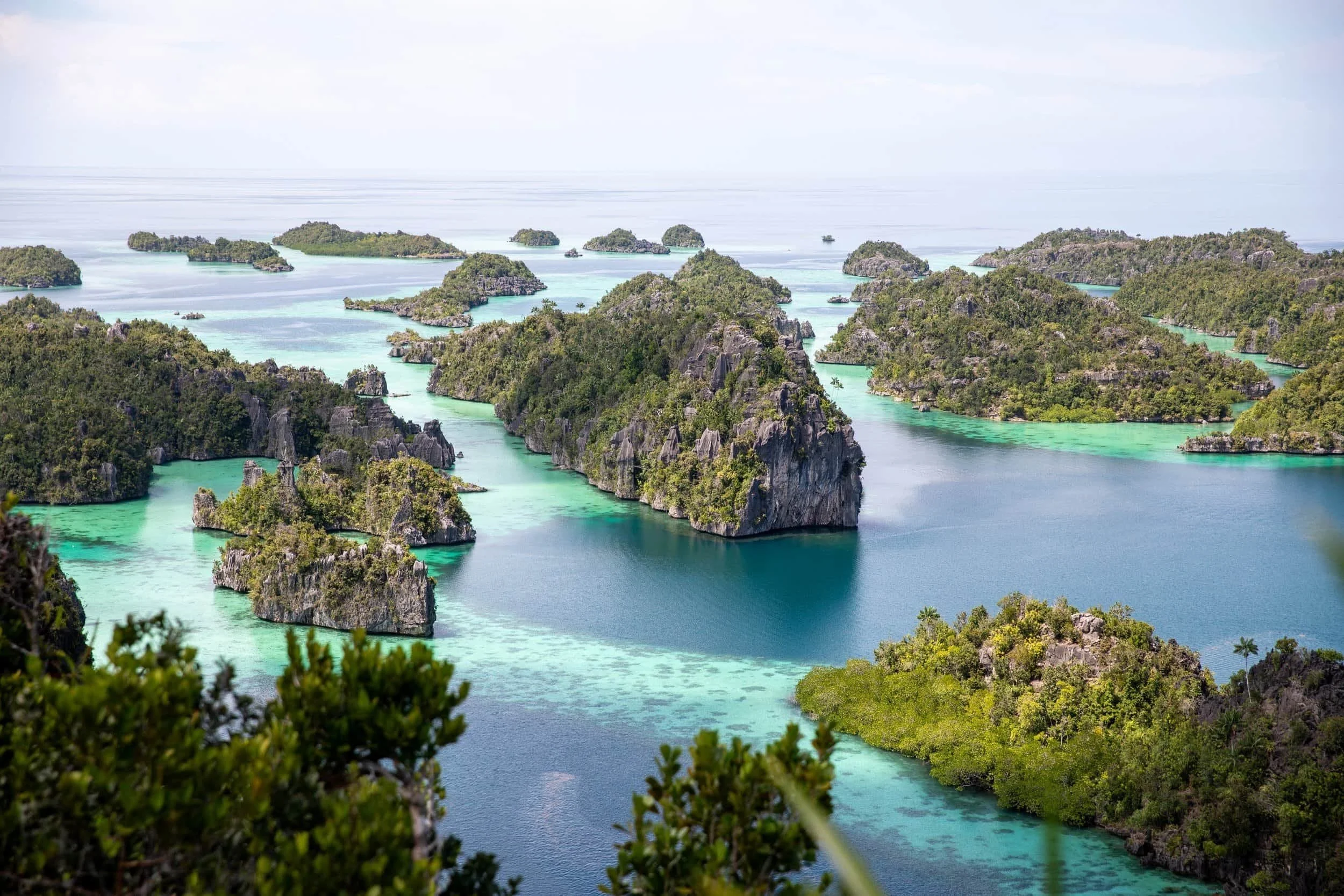
In northern Raja Ampat, Piaynemo offers panoramic views across a maze of jungle-covered karst islands, while further south in Misool, locations such as Balbulol Lagoon or Dafalen Peak showcase dramatic limestone formations, hidden waterways, and crystal-clear lagoons that feel almost untouched by tourism.
A True Remote Island Adventure
Arguably the greatest appeal of Raja Ampat is its remoteness. Unlike many tropical destinations that have become heavily developed, much of the archipelago remains accessible only by boat, with visitors staying in overwater bungalows, travelling between islands by longboat, and exploring reefs, beaches, and villages that feel far removed from modern life.
This sense of isolation is particularly evident in Misool, the southernmost region of Raja Ampat. Due to the long travel times and logistical challenges involved in reaching the area, visitor numbers remain relatively low compared to the northern islands, often leaving some of the most iconic destinations all to yourself.
Combined with authentic local homestays, limited infrastructure, and vast distances between regions, Raja Ampat offers a genuine sense of adventure that is becoming increasingly hard to find.
How to Get to Raja Ampat
Getting to the islands of Raja Ampat takes a fair bit of planning and patience. No matter which region you intend on visiting all trips begin with a flight to Sorong in West Papua, usually from Bali or Jakarta, often via Makassar (Sulawesi), with total travel time typically ranging from 6–9 hours depending on connections.
After arriving in Sorong, travellers must decide which part of Raja Ampat they wish to explore. The majority of visitors head north to Waigeo and the Dampier Strait region, home to destinations such as Gam, Kri, Mansuar, Arborek, and Piaynemo. Others continue south to Misool, a more remote region renowned for its limestone karst islands, hidden lagoons, and pristine coral reefs.
It's important to understand that Raja Ampat covers a vast area of ocean, and travelling between the northern islands and Misool generally requires returning to Sorong first. As a result, most visitors choose to focus on either the northern region or Misool during a single trip rather than attempting to explore the entire archipelago.
If you are planning on heading to the north, then visitors can take the public ferry from Sorong to Waisai, which takes approximately 2 hours, or arrange a private speedboat transfer. From Waisai, travellers continue by longboat to visit the wider area.
Alternatively Misool is accessed via Yellu Harbour, with travellers typically taking either an overnight ferry (8–10 hours) or a fast ferry (approximately 5–6 hours) from Sorong. Services are relatively infrequent and can occasionally be affected by weather and sea conditions. Once in Yellu, your homestay or resort will usually arrange the final longboat or speedboat transfer to your accommodation.
For a more detailed breakdown of transport options, ferry schedules, costs and travel tips, see our complete guide on How to Get to Misool Island.
Flight to Sorong
From Bali
There are no regular direct flights from Bali to Sorong, with most travellers flying Lion Air or Batik Air via Makassar (Sulawesi), while Garuda Indonesia occasionally operates limited direct services.
Total travel time from Bali to Sorong is usually around 6–9 hours depending on layovers and flight schedules.
Because flights and ferries to Misool are relatively infrequent, it is recommended to allow at least one buffer night in Sorong before travelling onwards to Raja Ampat.
From Jakarta
There are regular flights from Jakarta to Sorong, although most routes still involve a stopover in Makassar or another Indonesian city.
Total travel time from Jakarta to Sorong is typically around 5–7 hours depending on the route and layover duration.
Again it is recommended to allow at least one buffer night in Sorong before continuing to Raja Ampat.
Ferry from Sorong to Wasai
The ferry from Sorong to Waisai is the main gateway to northern Raja Ampat and is generally much easier to arrange than transport to Misool. Public ferries operate several times per week and tickets can usually be purchased directly at the ferry terminal in Sorong. However, schedules can occasionally change due to weather, maintenance, or public holidays, so it is worth confirming departure times in advance.
Most visitors travelling to islands such as Gam, Kri, Mansuar, and Arborek will first take the ferry to Waisai before continuing by longboat to their accommodation. Many homestays and resorts can help arrange these onward transfers and will often coordinate arrival times with the ferry schedule.
Public Ferry
The Marina Express Bahari ferry currently operates several services per week between Sorong and Waisai.
Departure: Sorong to Waisai departing at approximately 09:00AM and arriving around 11:00AM
Return: Waisai to Sorong departing at approximately 14:00PM and arriving around 16:00PM
As schedules can change throughout the year, it is important to confirm departure times before travelling.
The prices may vary, but are generally:
Economy Class: approximately 125,000–150,000 IDR per person
VIP Class: approximately 225,000–250,000 IDR per person
Note that the only addition to VIP is an allocated seat within an air conditioned room
Private Speedboat
Private speedboat transfers are also available between Sorong and Waisai. While significantly more expensive than the public ferry, they offer greater flexibility and can be arranged to suit flight arrival times, or could even be modified to go directly to your homestay.
Duration: Approximately 1.5–2 hours
Cost: Typically around 7 million IDR or more depending on the boat size and number of passengers
Private transfers are most commonly used by groups, dive operators, and travellers with limited time.
Ferry from Sorong to Misool
Booking the ferry from Sorong to Misool island can be one of the trickiest parts of planning a trip to Raja Ampat, as schedules are limited, can change frequently, and information online is often outdated. The best way to check the latest timetable is usually through your Homestay or resort, who can often also help arrange tickets and cabin bookings.
Ferries are sometimes delayed due to weather and sea conditions, so it is worth arriving early and allowing buffer time in your Raja Ampat Itinerary. If taking the overnight ferry, booking a private cabin in advance is highly recommended, as ferries can be crowded, noisy, and smoking is common in shared areas. Further details can be found on our complete guide on How to Get to Misool Island.
Overnight Ferry
The KM Fajar Indah overnight ferry currently runs only once per week
Departure: Sorong to Misool departing Tuesday’s at 22:00PM and arriving at 7:00AM
Return: Misool to Sorong departing Friday’s at 7:00AM and arriving at 16:00PM
The prices may vary so it is important to confirm this at the time of booking:
Per person is approximately 250,000 IDR
A cabin with air conditioning is an additional 500,000 IDR which I would highly reccommend getting
Fast Ferry
The Express Bahari 99 fast ferry also currently only runs once per week
Departure: Sorong to Misool departing Monday’s at 10:00AM and arriving at 16:00PM
Return: Misool to Sorong departing Thursday’s at 8:00AM and arriving at 14:00PM
Again confirm pricing at the time of booking:
Per person is approximately 600,00 IDR
If you would like a VIP ticket which provides an air conditioned space its approximately 700,00 IDR
Entry Fees and Permits
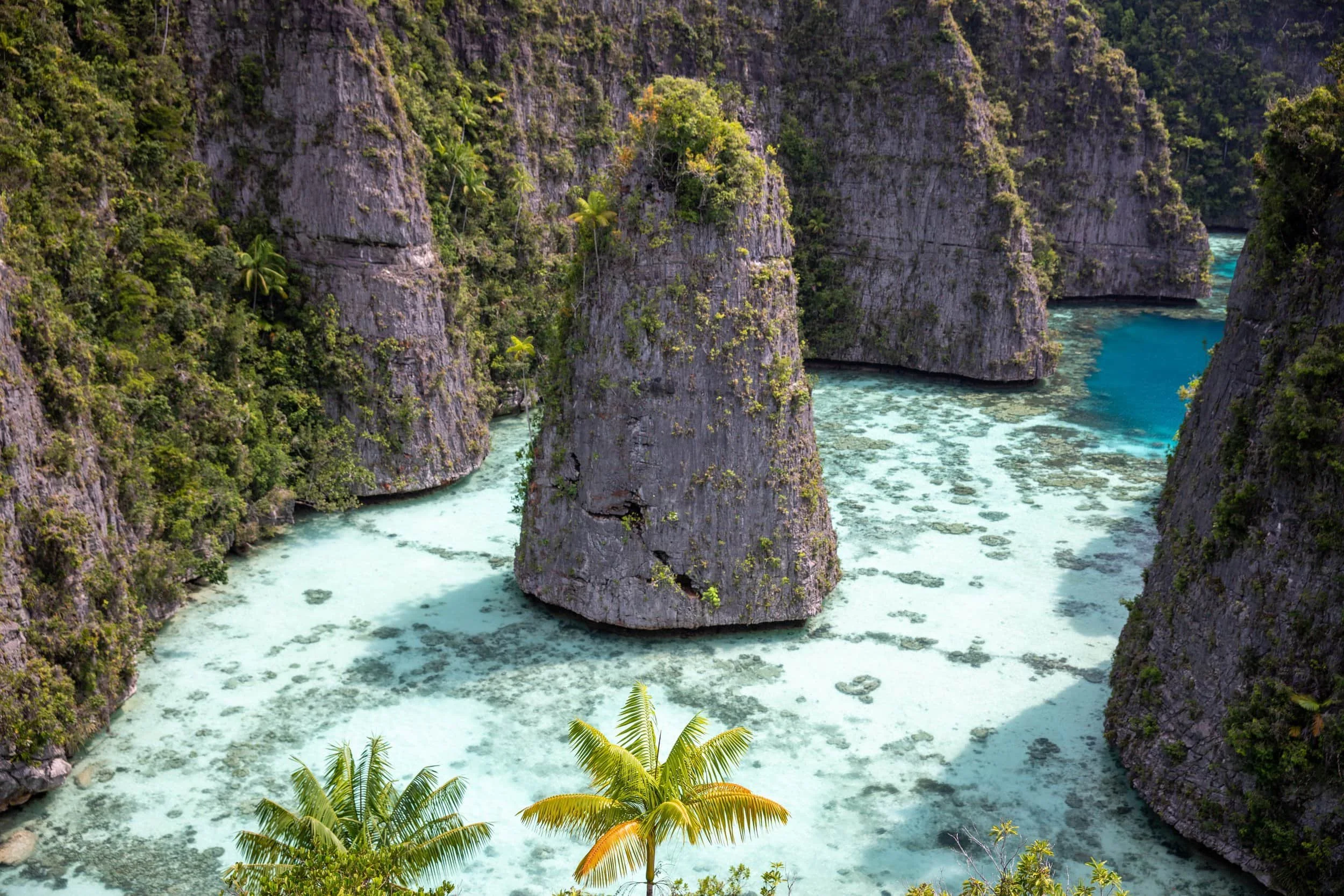
All visitors to Raja Ampat are required to pay a number of entry fees and permits that help fund marine conservation, environmental protection, and tourism infrastructure throughout the archipelago. These fees are checked periodically by local authorities and marine park rangers, so it is important to keep proof of payment during your trip.
Raja Ampat Marine Park Entry Permit (PIN)
The Raja Ampat Marine Park Entry Permit, often referred to as the PIN or Environmental Services Fee, is mandatory for all visitors entering the Raja Ampat Marine Protected Area. Funds collected from the permit support marine conservation programs, ranger patrols, reef monitoring, and sustainable tourism initiatives throughout the archipelago.
Current Fee:
International visitors: approximately 700,000 IDR
Indonesian citizens: approximately 425,000 IDR
Children under 12 years: free
Validity: 12 months from the date of purchase.
How to Buy in Person: The Marine Park Entry Permit can be purchased from the Raja Ampat Marine Park Authority office in Wasai
How to Buy Online: Alternatively the pass can be purchased on the Official Website
Raja Ampat Visitor Entry Ticket
In addition to the Marine Park Permit, visitors are also required to pay a separate tourism levy administered by the Raja Ampat Regency Government. This fee helps fund tourism infrastructure, including jetties, visitor facilities, waste management, and tourism services.
Current Fee:
Approximately 100,000,000 IDR per person
How to Buy in Person: The ticket can be purchased from the Raja Ampat Regency Tourism Office
How to Buy Online: Otherwise it can be purchased from the Official Website
Additional Local Fees
At some attractions, visitors may also encounter small community-managed entrance fees. These are separate from the official permits and are typically used by local villages to maintain facilities and tourism infrastructure. Fees vary by location but it is typical to pay around 100,000 IDR for entry to a number of lookout points around Misool.
Best Time to Visit Raja Ampat
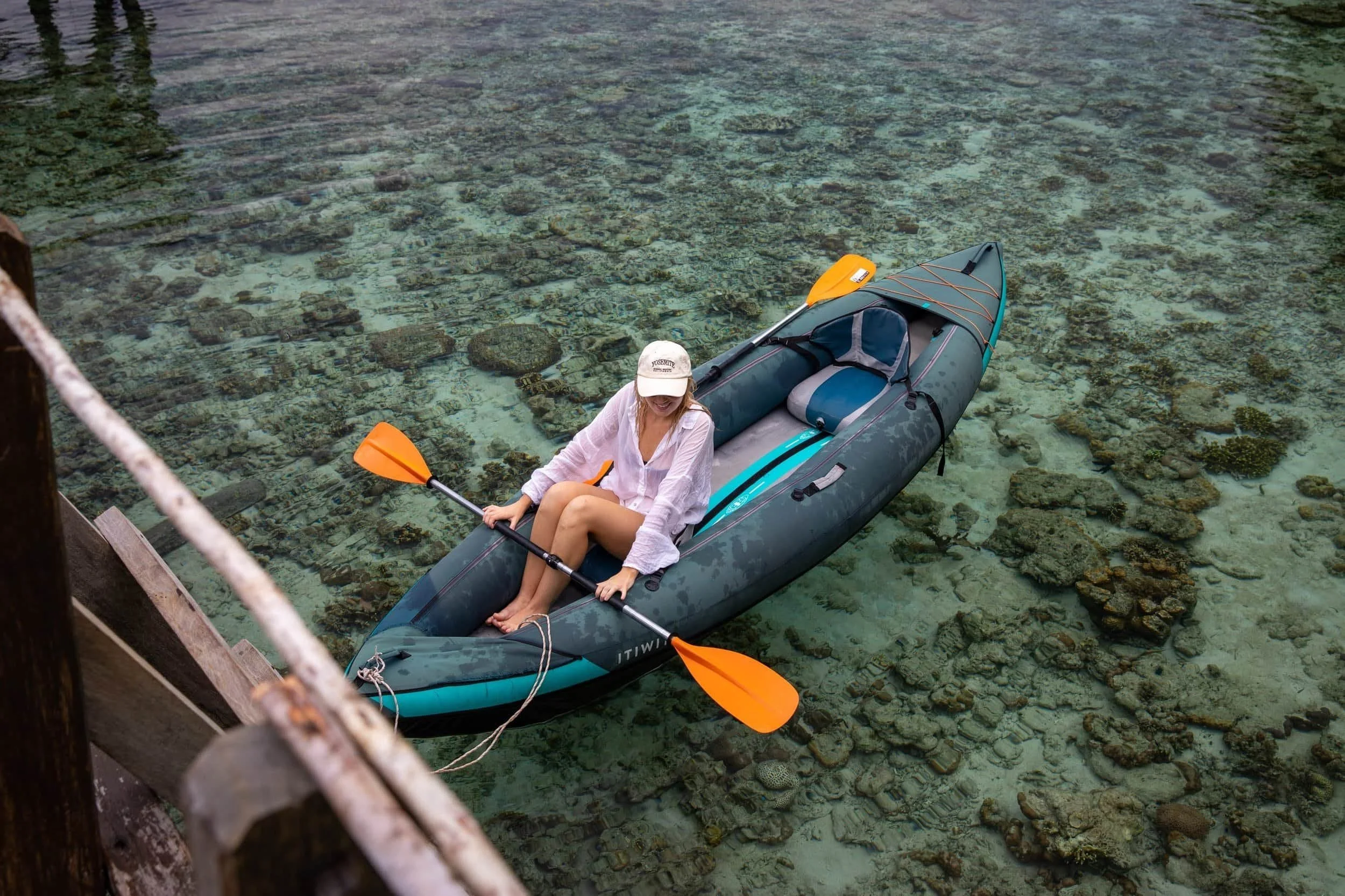
Raja Ampat has a tropical climate with warm temperatures, high humidity, and sea temperatures of around 28–30°C throughout the year. Unlike many destinations in Southeast Asia, there is no clearly defined dry season, and rainfall can occur during any month. As a result, Raja Ampat remains a year-round destination for diving, snorkeling, and island exploration.
That said, weather patterns vary across the archipelago. The northern regions around Waigeo, Gam, Kri, Mansuar, and the Dampier Strait generally experience relatively consistent conditions throughout the year, making them popular destinations regardless of season. In contrast, Misool in southern Raja Ampat is more heavily influenced by seasonal winds and sea conditions, with calmer weather typically occurring between October and April.
Rainfall is possible at any time of year, often arriving as short tropical showers rather than prolonged periods of bad weather. For many visitors, the shoulder months of October, November, March, and April offer an excellent balance of calmer seas, good visibility, and fewer visitors than the peak holiday period.
Best Time to Visit: October to April
Peak Season: December to February
Which Islands Should You Visit in Raja Ampat
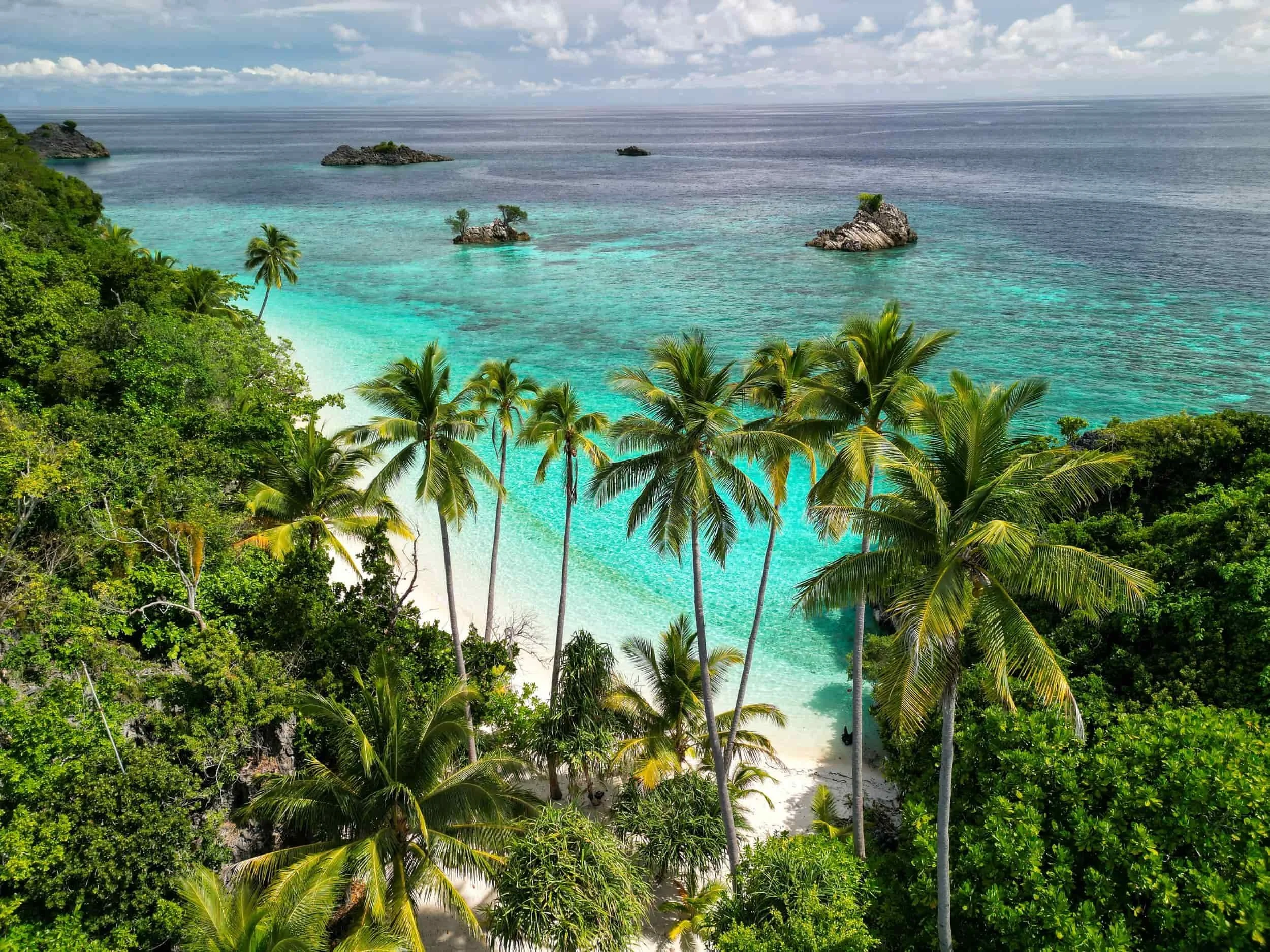
Raja Ampat is made up of more than 1,500 islands, but most visitors only explore a small portion of the archipelago during a single trip. The islands you choose to visit will largely depend on how much time you have available, your budget, and whether you prefermarine activities, wildlife experiences, or remote island scenery.
For most travellers, the northern region around Waigeo and the Dampier Strait offers the best balance of accessibility and attractions. Islands such as Gam, Kri, Mansuar, and Arborek are located relatively close together, making it easy to stay in one location while taking day trips to nearby islands, snorkeling sites, villages, and viewpoints such as Piaynemo. This allows visitors to experience many of Raja Ampat's highlights without spending significant time in transit.
Misool, by contrast, is located much further south and is typically visited as a standalone destination. While it requires more time and planning to reach, visitors are rewarded with some of Raja Ampat's most spectacular limestone karst landscapes, hidden lagoons, and remote coral reefs. As a result, most travellers either focus entirely on northern Raja Ampat or dedicate a separate portion of their Raja Ampat Itinerary to exploring Misool.
Kri Island
Kri Island is one of Raja Ampat's most popular destinations and is often considered the centre of the region's diving and snorkeling scene. Surrounded by vibrant coral reefs and exceptional marine biodiversity, the island provides easy access to some of Raja Ampat's most famous underwater sites. Many homestays are located directly above the reef, allowing visitors to snorkel from their accommodation and spend much of the day in the water. While Kri offers fewer land-based activities than nearby islands, it remains one of the best choices for travellers whose primary goal is experiencing Raja Ampat's marine life.
If your main goal is to scuba dive in Raja Ampat then staying in Kri at least for a part of your trip is highly recommended
Key Points:
Direct access to some of Raja Ampat's best snorkeling and diving
Numerous overwater homestays, dive resorts, and dive centres
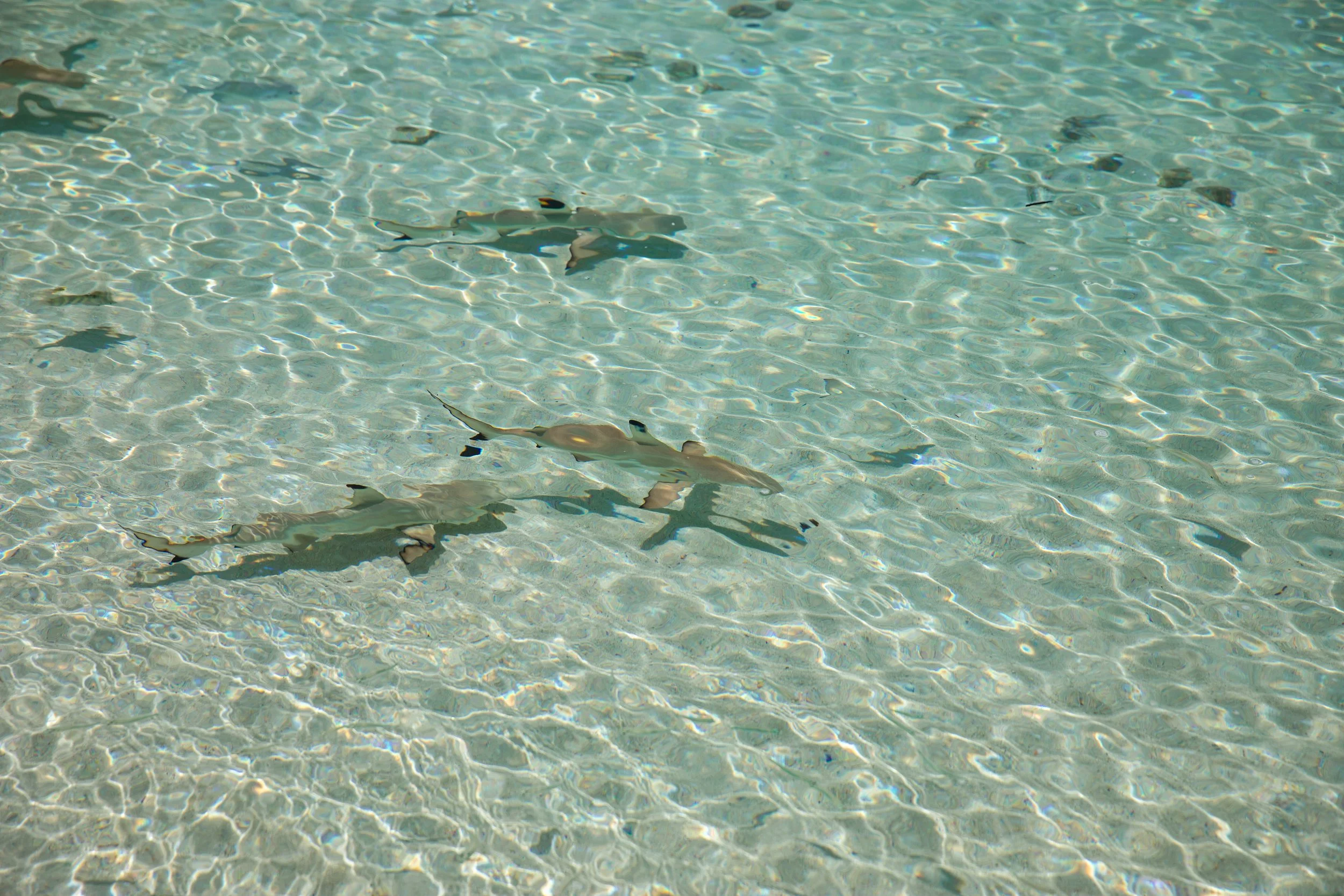
Excellent chance of seeing reef sharks, turtles, manta rays, and large schools of fish
Convenient central location within the Dampier Strait
One of the busiest and most popular islands in Raja Ampat
Limited hiking and land-based activities
Gam Island
Gam Island is one of Raja Ampat's largest and most diverse islands, known for its dense rainforest, extensive mangrove forests, traditional Papuan villages, and unique wildlife. Unlike nearby Kri, which is primarily focused on diving and snorkeling, Gam offers a more varied experience both above and below the water. The island is particularly famous for its birdwatching opportunities, with visitors travelling from around the world to see the Red Bird-of-Paradise performing its early morning courtship display in the surrounding jungle.
Many of Raja Ampat's traditional homestays are located along Gam's coastline, making the island a popular choice for travellers seeking a more authentic and relaxed experience. Its central location also provides convenient access to many of the archipelago's most famous attractions and day trips.
Key Points:
Best island in Raja Ampat for birdwatching and wildlife experiences
Home to the Red Bird-of-Paradise and numerous endemic species
Extensive mangrove forests, rainforest, and coastal scenery
Large number of traditional locally-owned homestays
More authentic and less tourism-focused
Convenient base for visiting Piaynemo, Arborek, and nearby islands
Slower pace and stronger local culture than many other parts of Raja Ampat
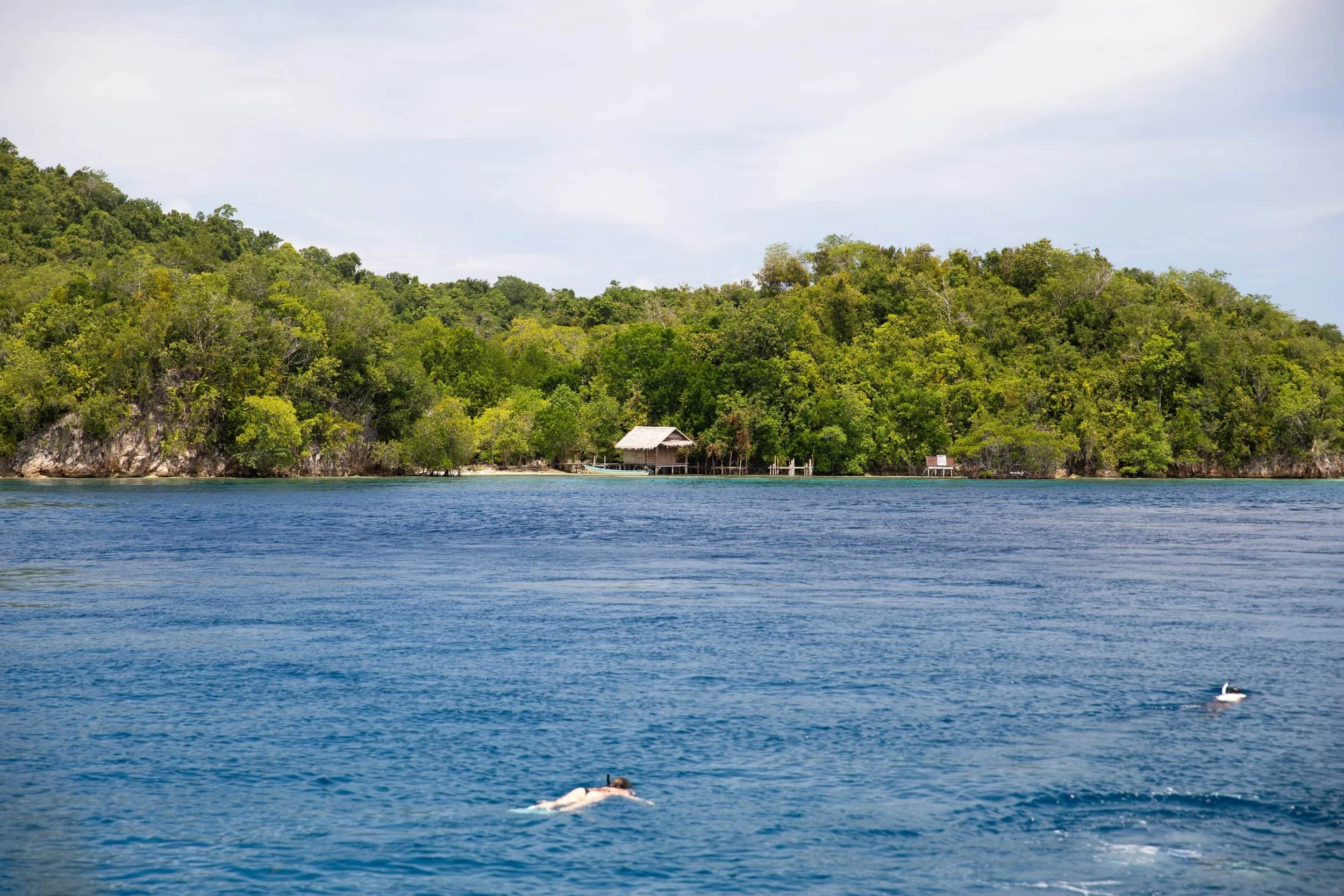
Piaynemo Island
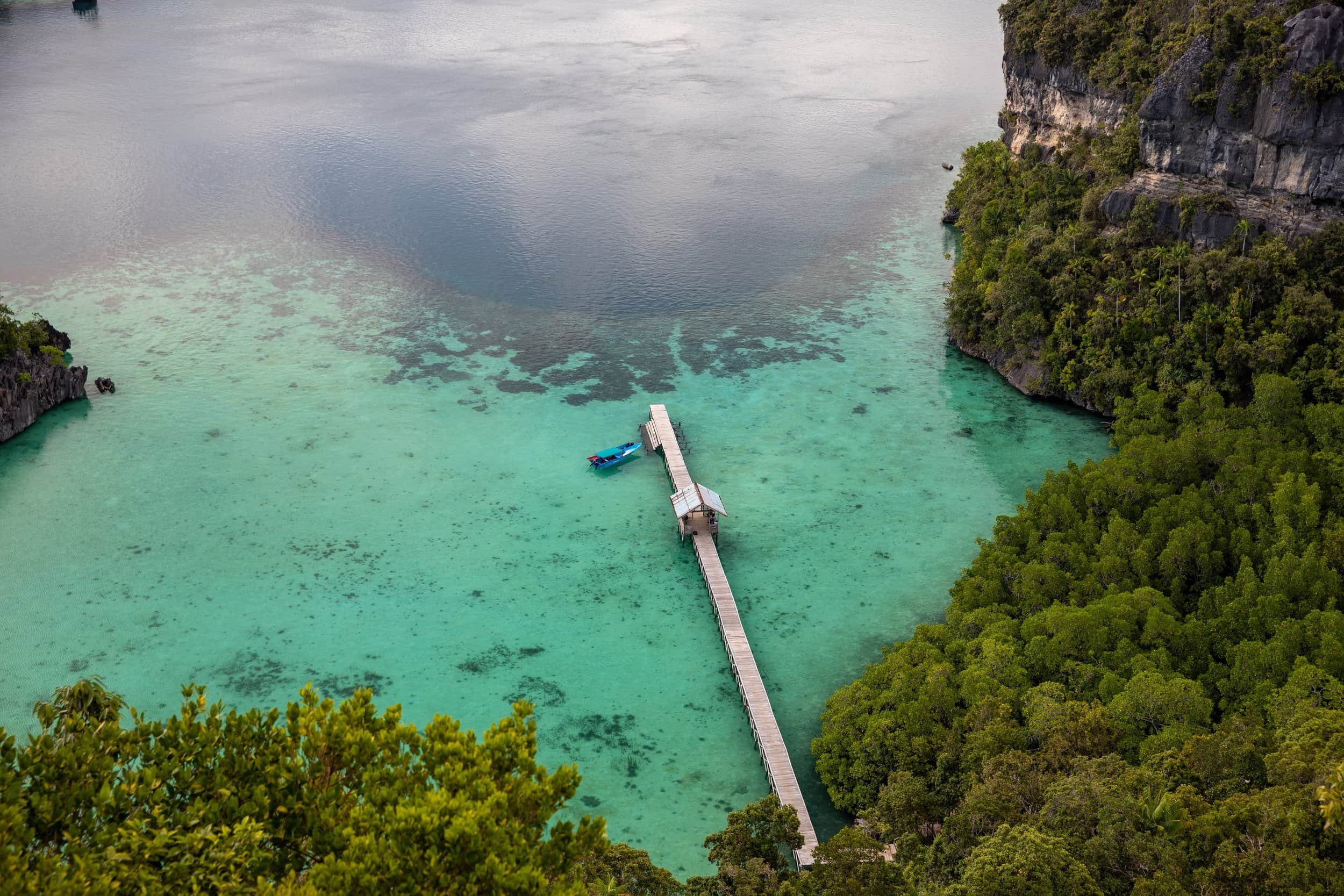
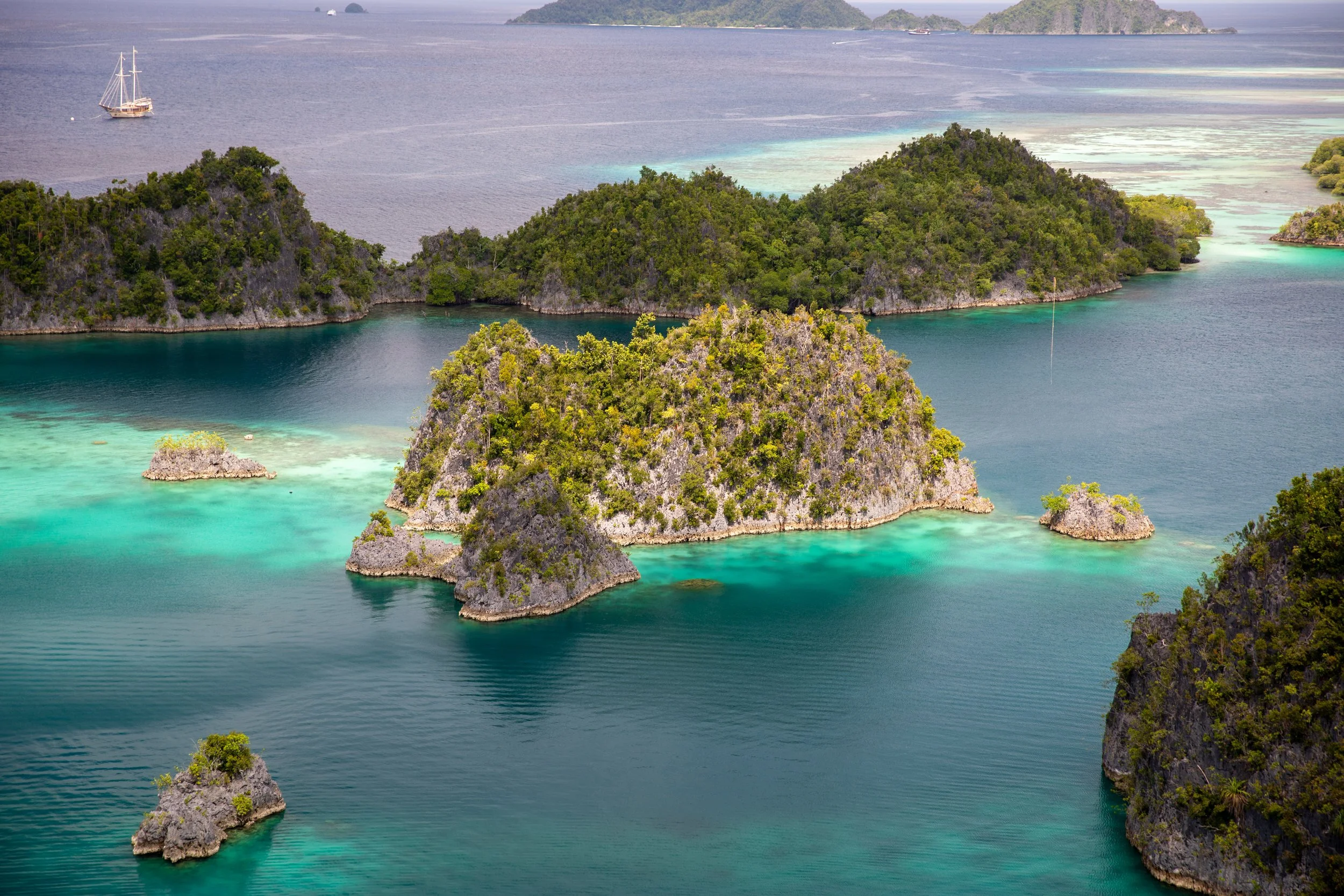
Piaynemo is Raja Ampat's most iconic attraction and home to the viewpoint that has become synonymous with the archipelago. Reached by a short climb from the jetty, the summit overlooks a maze of limestone karst islands scattered across shallow turquoise lagoons and coral reefs, creating one of the most recognisable landscapes in Indonesia. While most visitors experience Piaynemo as a day trip rather than an overnight destination, it remains a highlight of almost every Raja Ampat Itinerary.
Important to note, as spectacular as Piaynemo is, I personally found the viewpoints around Misool to be even more breathtaking, with fewer visitors and a greater sense of scale and remoteness.
Key Points:
Raja Ampat's most famous viewpoint
Panoramic views over limestone karst islands and turquoise lagoons
One of the most photographed locations in Indonesia
Easily visited as a day trip from Gam, Kri, Mansuar, and Arborek
A must-visit attraction for first-time visitors to Raja Ampat
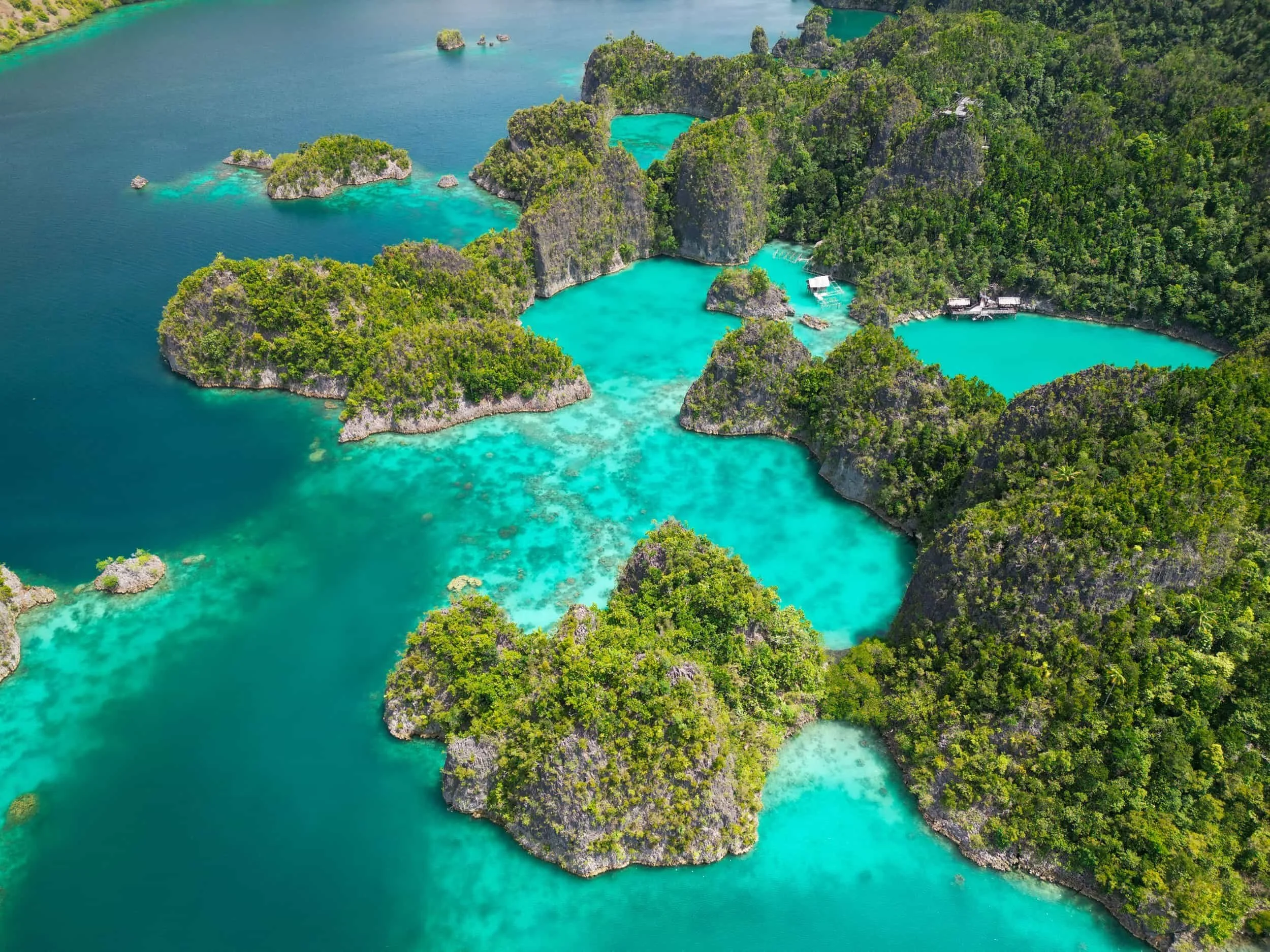
Misool Island
Located in the far south of Raja Ampat, Misool is widely considered the archipelago's most remote and visually spectacular region. Characterised by towering limestone karst islands, hidden lagoons, pristine coral reefs, and low visitor numbers, it offers a very different experience to the more accessible islands of northern Raja Ampat. Reaching Misool requires additional planning and travel time, but many visitors consider the effort worthwhile, with some of Raja Ampat's most iconic scenery found throughout the region.
Unlike the Dampier Strait, where island-hopping day trips are common, Misool is best explored over several days. Highlights include Balbulol Lagoon, Dafalen Peak, Harfat (Dapunlol) Peak, Karawapop Love Lagoon and countless uninhabited islands, beaches, and reef systems scattered throughout the region. For travellers seeking remoteness, adventure, and a deeper connection with nature, Misool is often the highlight of a trip to Raja Ampat.
Key Points:
Most remote major tourism region in Raja Ampat
Spectacular limestone karst islands and turquoise lagoons
Some of the most pristine coral reefs in Indonesia
Excellent island-hopping opportunities
Fewer visitors and less development than northern Raja Ampat
Home to traditional overwater homestays such as Yamnini Homestay and remote eco-resorts
Longer travel times and more complex logistics than Waigeo and Dampier Strait
For a complete breakdown of where to stay, how to get there, the best viewpoints, snorkeling locations, suggested itineraries, and travel tips, see our detailed Misool Raja Ampat Travel Guide.
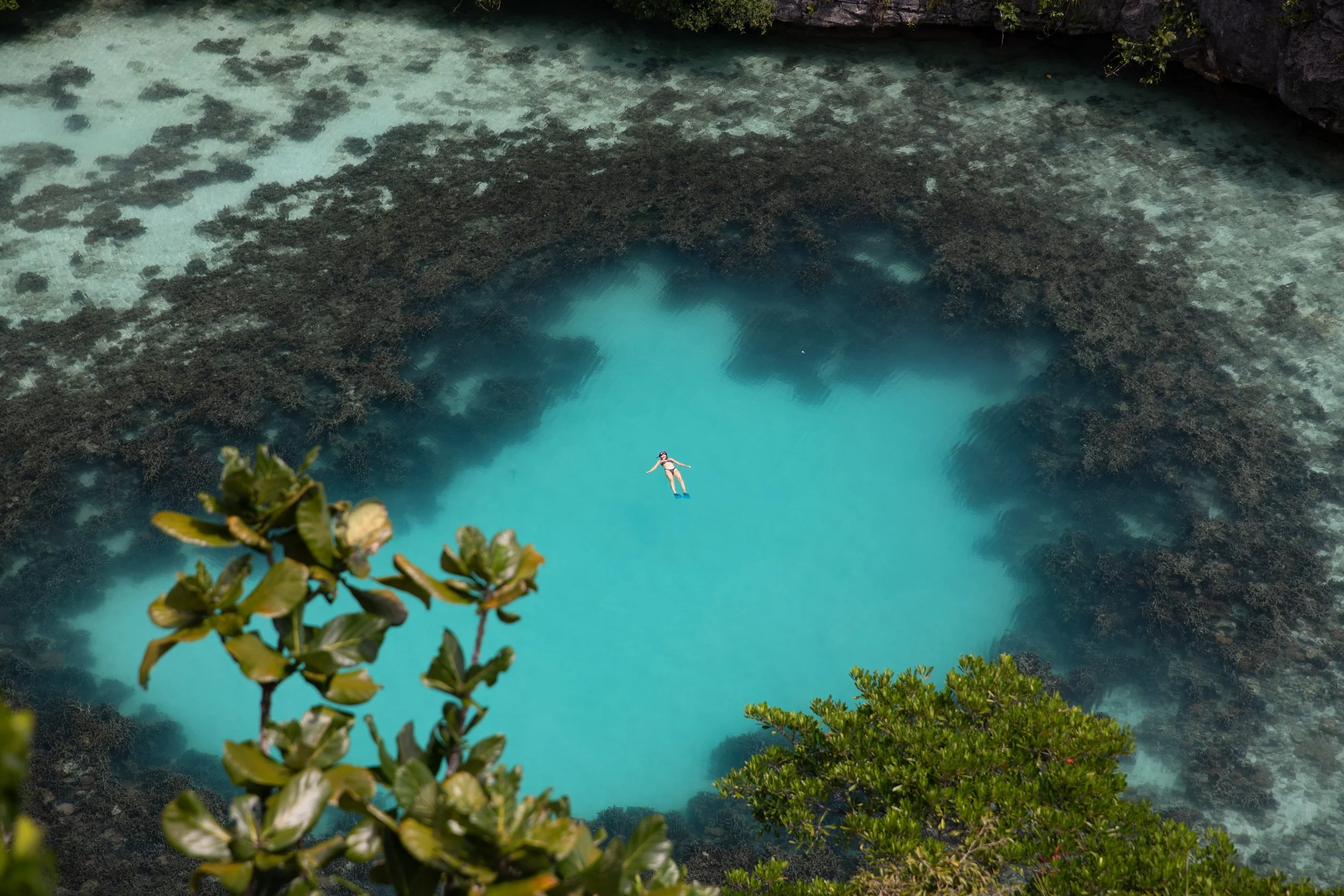
Raja Ampat Accommodation
Accommodation in Raja Ampat ranges from traditional overwater homestays and eco-resorts to luxury dive resorts and liveaboards. While higher-end options are available throughout the archipelago, most visitors choose to stay in locally owned homestays, which offer an affordable and authentic way to experience the region's remote islands, coral reefs, and local communities.
Homestays in Raja Ampat
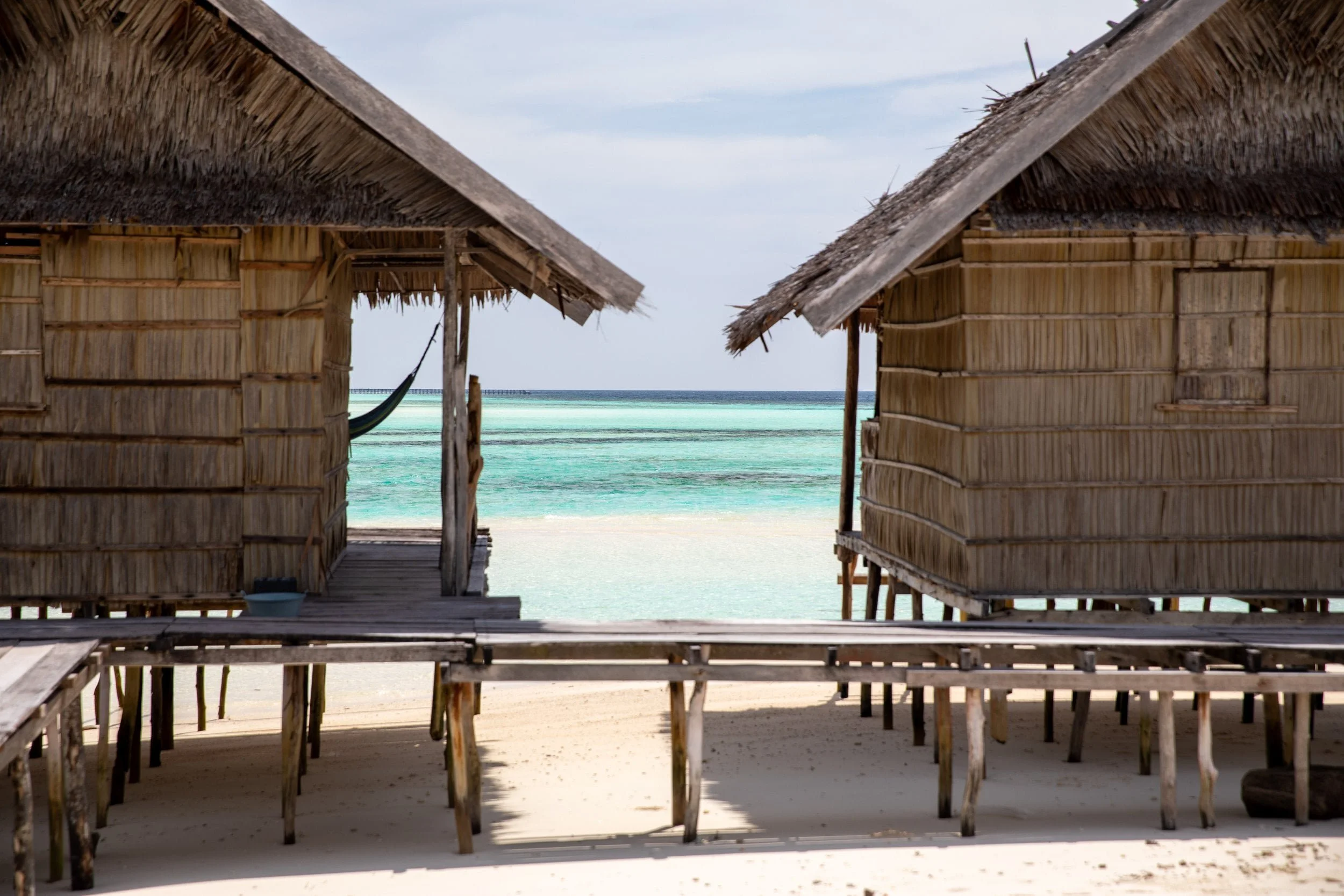
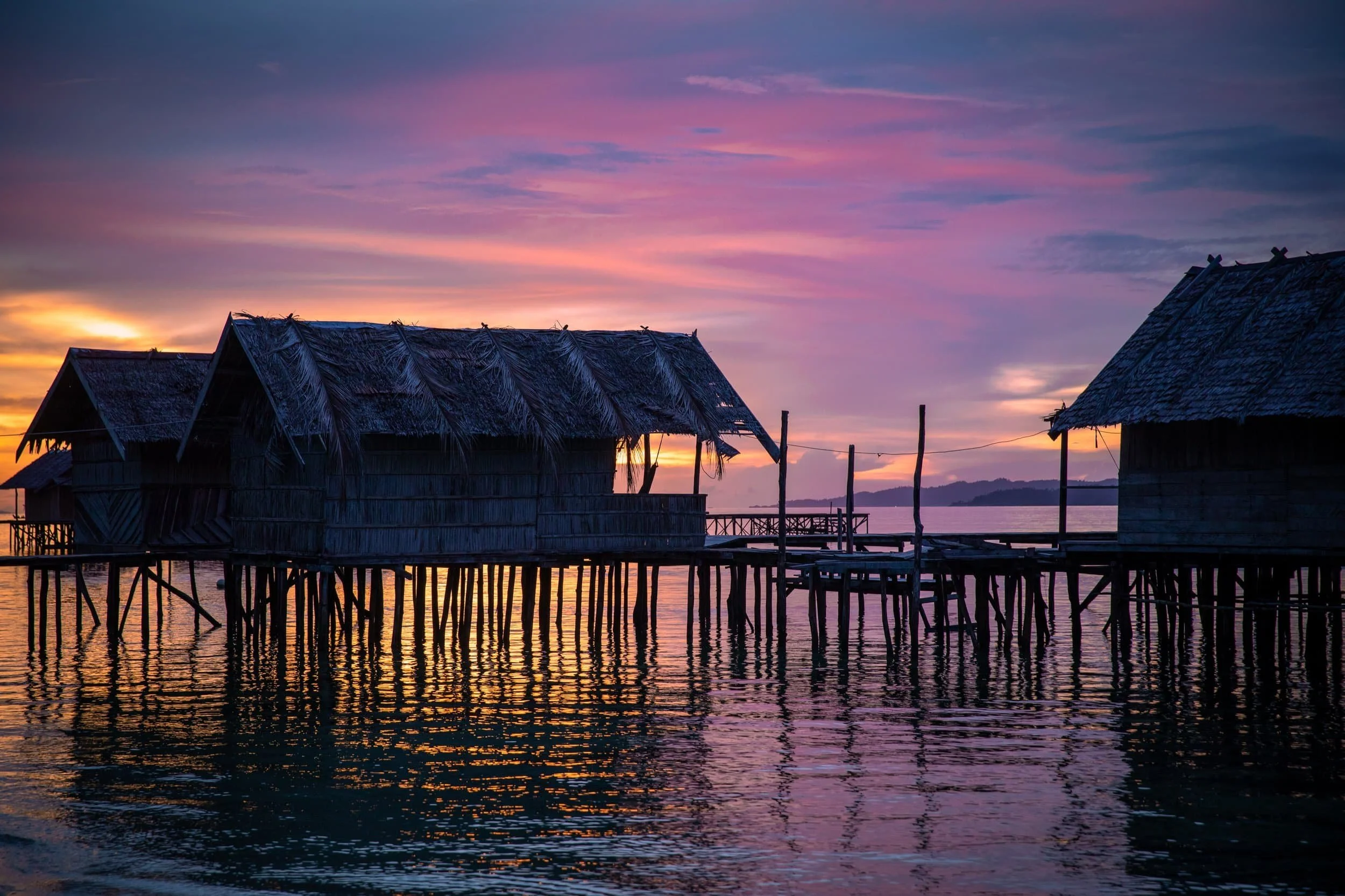
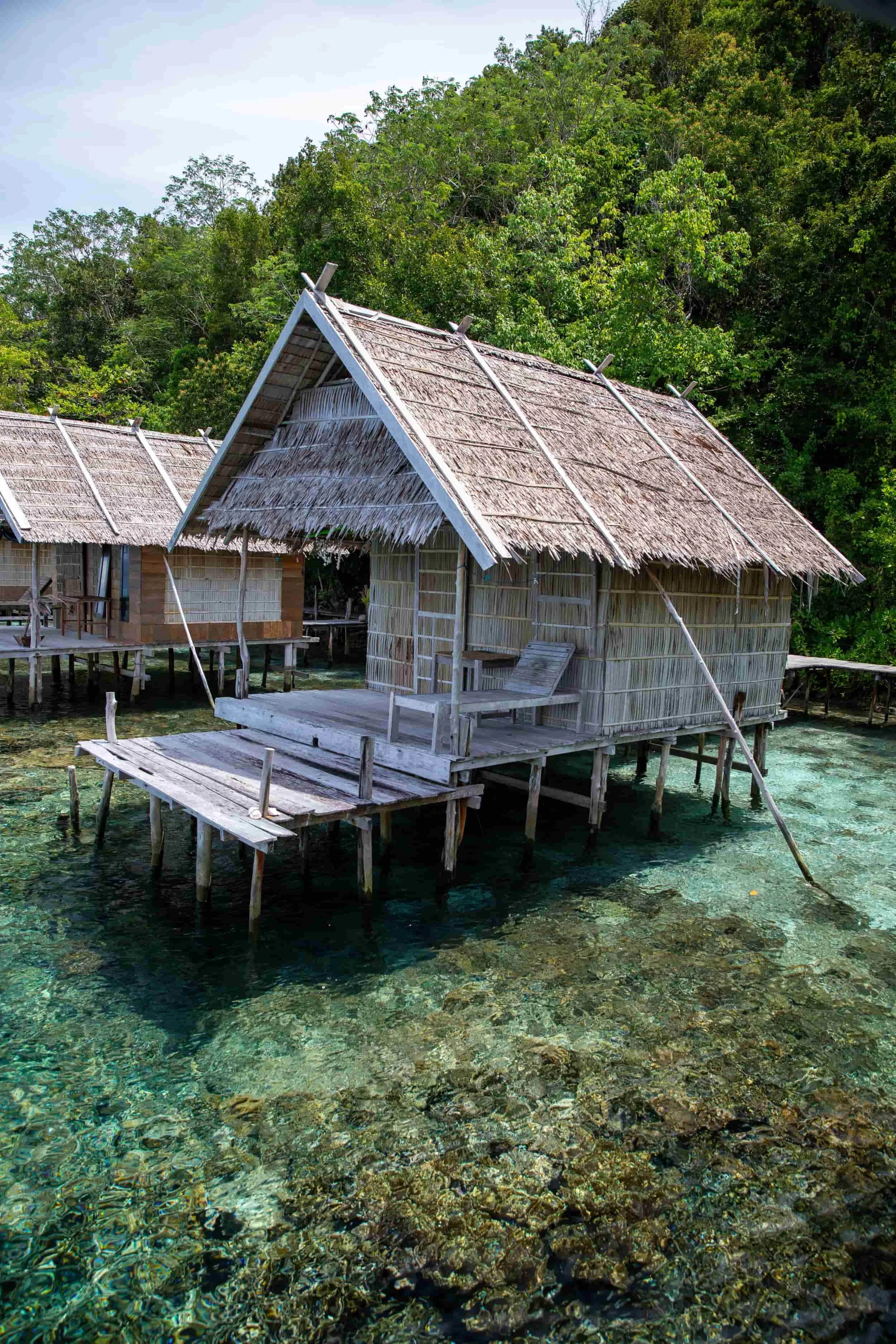
Homestays are the most popular accommodation option in Raja Ampat and can be found throughout both the northern islands and Misool. Typically consisting of simple overwater bungalows or beachfront cottages, they provide a unique opportunity to stay directly above coral reefs and within some of Indonesia's most spectacular natural environments.
Most homestays operate on a full-board basis, with breakfast, lunch, and dinner included in the nightly rate. Activities such as snorkeling trips, island hopping, birdwatching tours, hiking guides, and boat transfers can usually be arranged directly through the property, making them an excellent base for exploring the surrounding region.
Facilities are generally basic compared to traditional hotels and resorts. Electricity may only be available during certain hours, WiFi is often limited or unavailable, and air conditioning and hot water are uncommon. What homestays lack in luxury, however, they more than make up for in hospitality, location, and access to some of the most biodiverse marine environments on Earth.
Popular examples include Methos Homestay on Gam Island, known for its overwater bungalows, birdwatching opportunities, and central location within the Dampier Strait, and Yamnini Homestay in Misool, which offers a classic remote island experience surrounded by limestone karst islands, turquoise lagoons, and pristine coral reefs.
Key Points:
Traditional overwater bungalows and beachfront cottages
Usually include breakfast, lunch, and dinner
Most affordable accommodation option in Raja Ampat
Snorkeling, diving, birdwatching, and island-hopping tours can be arranged locally
Electricity is often limited to generator hours
WiFi, air conditioning, and hot water are uncommon
Direct access to coral reefs and marine life
Managed by local families and communities
Booking is possible online in the northern areas of Raja Ampat, but almost exclusively handled via WhatsApp in Misool
Boat transfers to and from accommodation are usually arranged directly through the property
Dive Resorts in Raja Ampat
For travellers seeking greater comfort and convenience, Raja Ampat is also home to a number of high-end dive resorts located throughout both the Dampier Strait and Misool regions. Unlike traditional homestays, dive resorts typically offer private ensuite rooms, full-time electricity, air conditioning, reliable WiFi, and restaurant-style dining facilities. Many are situated in spectacular waterfront locations with direct access to nearby reefs and dive sites.
Most dive resorts operate around organised diving packages, with daily boat dives, equipment rental, guides, and meals included as part of the stay. This makes them particularly attractive to dedicated divers looking to maximise their time underwater without needing to organise activities independently. Many resorts also offer snorkeling excursions, island-hopping tours, birdwatching trips, and transfers, allowing guests to explore the surrounding region with minimal planning.
Popular examples include Raja Ampat Biodiversity Nature Resort on Gam Island, Papua Explorers Resort near Mansuar, and Misool Eco Resort in southern Raja Ampat. These properties offer a significantly higher level of comfort and service than most homestays, with dedicated dive operations, private accommodation, and organised excursions. While considerably more expensive, they are often regarded as some of the best places to stay in Raja Ampat for travellers prioritising diving, convenience, and resort-style facilities.
The trade-off is cost. While homestays are often considered one of Raja Ampat's best-value experiences, dive resorts can cost several times more per night. For many visitors, the decision ultimately comes down to whether they prioritise comfort and convenience or a more affordable and authentic island experience.
Key Points:
Private ensuite rooms and bathrooms
Full-time electricity and air conditioning
WiFi is generally more reliable than at homestays
Organised dive packages and daily boat dives
Equipment rental and dive guides available on-site
Restaurant-style dining and resort facilities
Snorkeling, island-hopping, and guided excursions available
Located throughout both northern Raja Ampat and Misool
Significantly more expensive than traditional homestays
Best suited to dedicated divers and higher-budget travellers
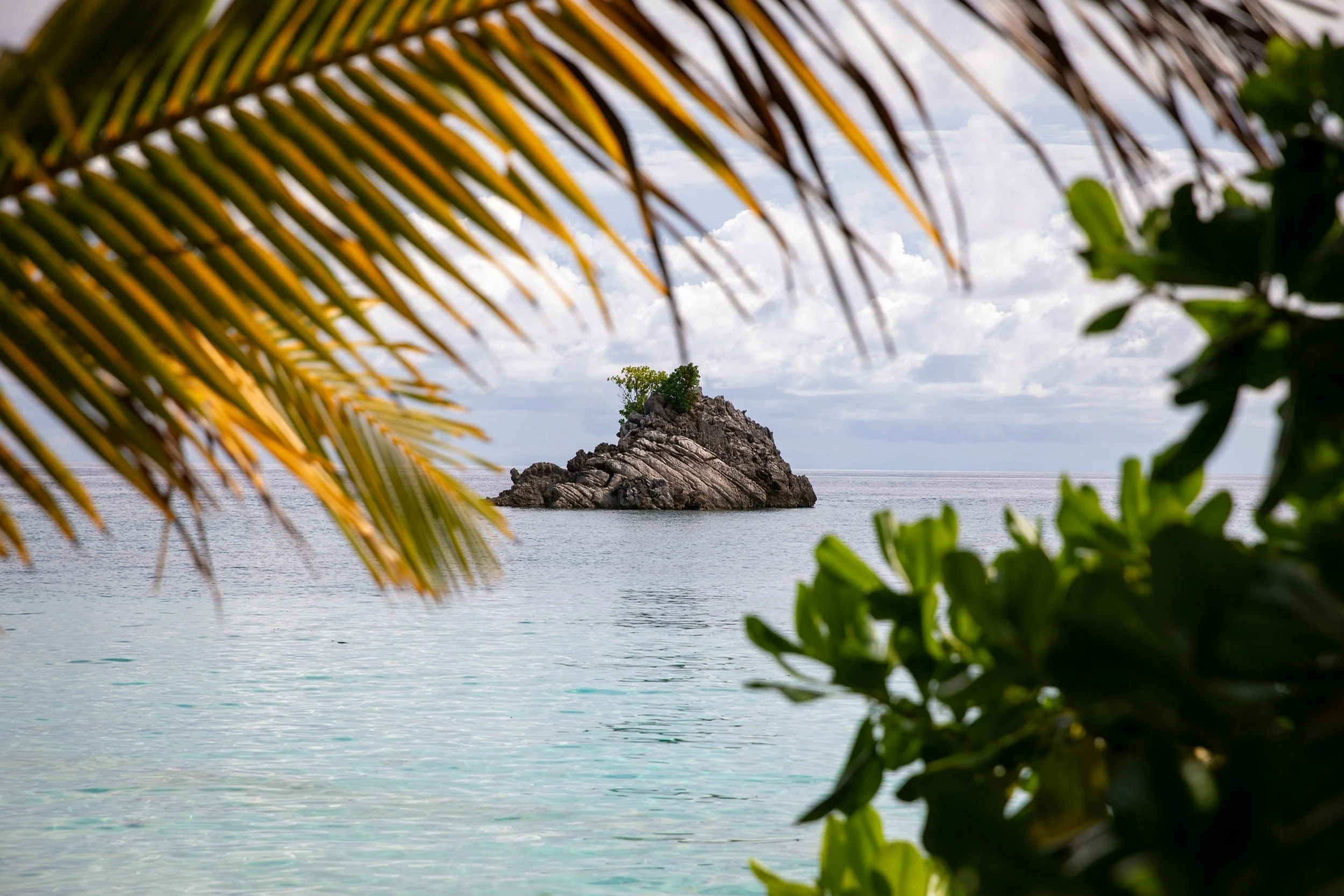
Dive Resorts vs Homestays in Raja Ampat
For most travellers, I believe homestays offer the best way to experience Raja Ampat. Staying in a locally owned overwater bungalow surrounded by coral reefs feels far more connected to the destination than a traditional resort experience. Many of my favourite memories from Raja Ampat came from sitting on a homestay deck watching the sunset, snorkeling directly from the accommodation, and spending time in small island communities that remain largely unchanged by tourism.
That said, homestays are not for everyone. Facilities are often basic, with limited electricity, unreliable WiFi, shared bathrooms, and no air conditioning. During my stay, the tropical heat and humidity occasionally made it difficult to sleep comfortably, particularly on still nights when there was little breeze. Travellers who value comfort, privacy, and modern amenities may therefore find a dive resort to be a better fit.
Importantly, choosing a homestay does not mean sacrificing access to Raja Ampat's famous dive sites. In the Dampier Strait region, particularly around Kri Island, numerous dive centres operate daily trips to many of the archipelago's most renowned locations. Even if you are staying at a simple homestay on Gam, Kri, or Mansuar, it is still easy to organise diving, equipment rental, and guided excursions.
The situation is somewhat different in Misool. Reliable dive centres are far less common than in northern Raja Ampat, meaning a dive resort may be the most practical option for travellers planning to dive frequently. However, Misool is also renowned for its limestone karst landscapes, hidden lagoons, viewpoints, and island-hopping opportunities, while the snorkeling is often every bit as impressive as the diving. As a result, many visitors choose to stay in homestays and explore the region without diving every day. It's also worth noting that much of the diving in Misool is conducted via liveaboards rather than land-based operators.
Dive resorts generally provide a more polished experience, with private ensuite rooms, full-time electricity, air conditioning, restaurant-style dining, and dedicated dive operations. For travellers planning multiple dives each day, the convenience can certainly justify the additional cost.
Personally, unless diving is the primary purpose of your trip or you strongly prefer resort-style accommodation, I would recommend choosing a homestay. Not only are they significantly more affordable, but they also provide a more authentic experience and a closer connection to the landscapes, wildlife, and local communities that make Raja Ampat such a special destination.
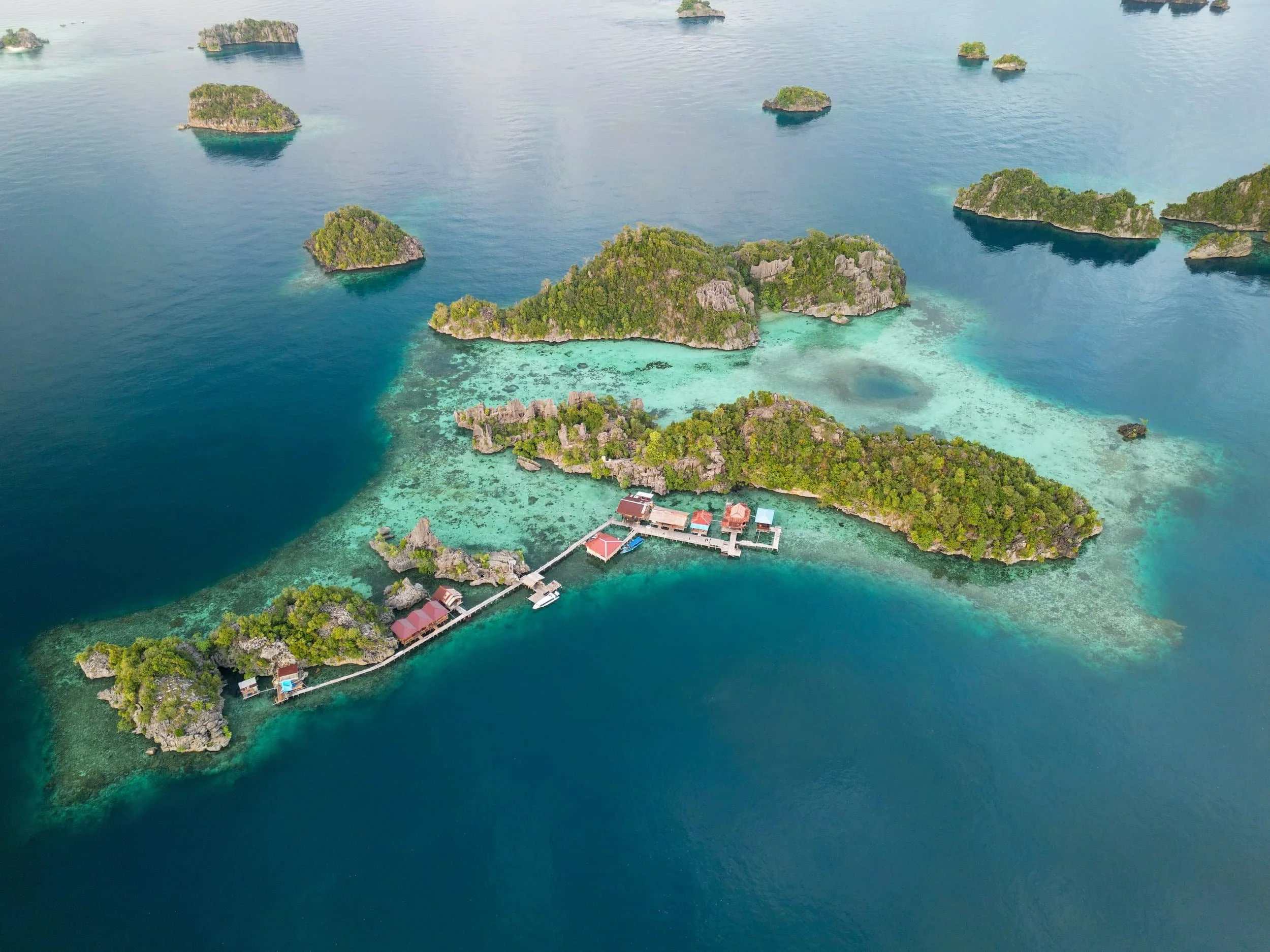
Liveaboards in Raja Ampat
Liveaboards are the most comprehensive way to explore Raja Ampat and are particularly popular among dedicated divers. Rather than staying on a single island, guests live aboard a vessel that travels between dive sites and regions throughout the archipelago.
Most liveaboards operate itineraries lasting between 4 and 12 nights, with many routes covering both the Dampier Strait and Misool regions. A typical day usually includes three to four dives, with meals, accommodation, dive guides, and equipment storage provided onboard. Because the vessel moves between destinations overnight, liveaboards can access a far greater number of dive sites than is practical from a homestay or resort.
Liveaboards are particularly common in Misool, where many of the region's most famous dive sites are visited primarily by dive boats rather than land-based operators. For divers looking to experience both northern and southern Raja Ampat in a single trip, a liveaboard is often the most efficient option.
The main drawback is cost which is significantly higher then a homestay or even dive resort.
Key Points:
Multi-day diving expeditions throughout Raja Ampat
Typically 3–4 dives per day
Access to both Dampier Strait and Misool
Accommodation, meals, and dive guides included
Best option for visiting remote dive sites
Common trip lengths of 4–12 nights
Budget vessels from approximately $250–350 USD per night
Mid-range vessels from approximately $400–700 USD per night
Luxury vessels often exceed $1,000 USD per night
Best suited to dedicated divers and underwater photographers
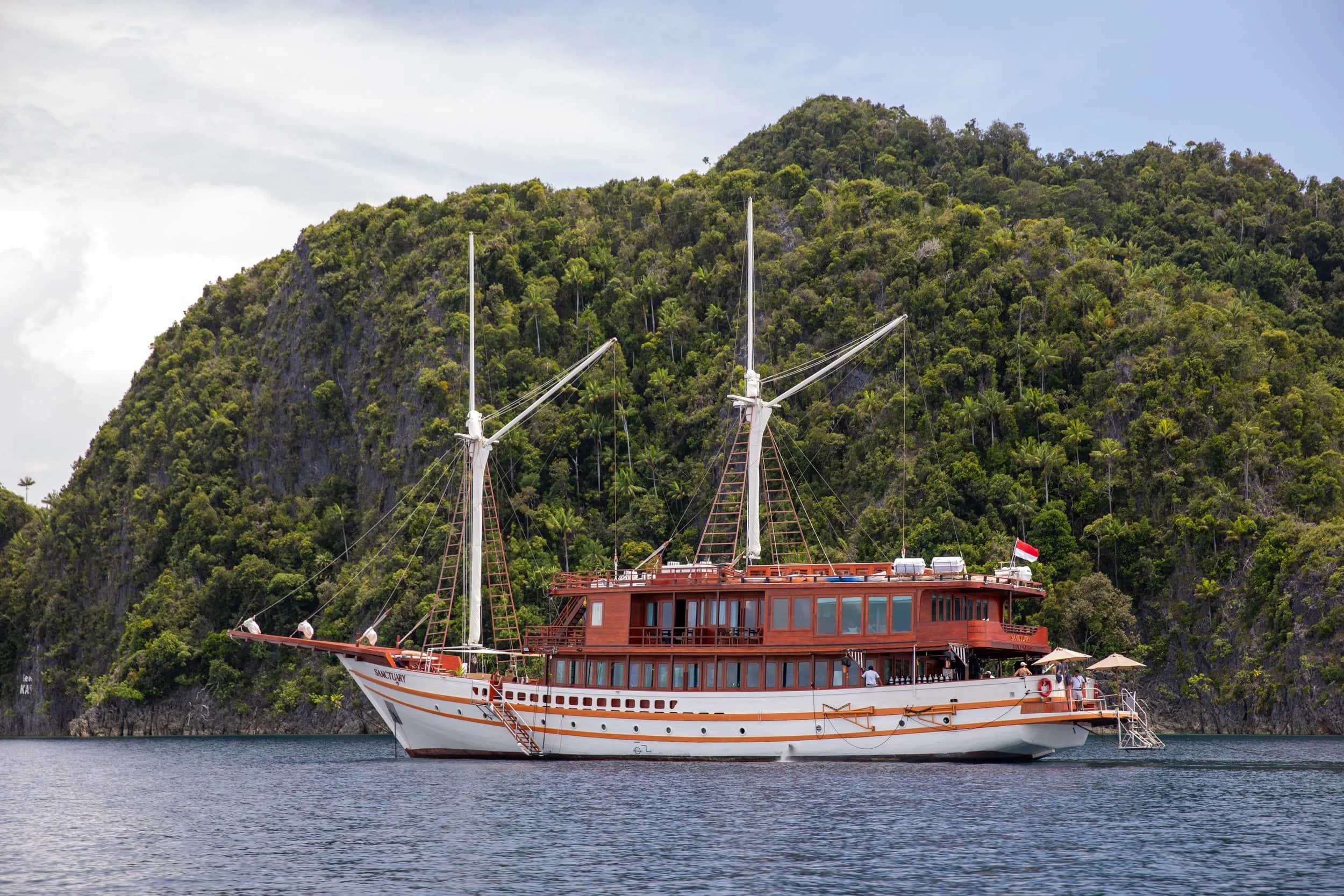
Where to Go Diving and Snorkeling in Raja Ampat
Raja Ampat is widely regarded as one of the world's premier diving and snorkeling destinations. Located within the Coral Triangle, the archipelago is home to the highest recorded marine biodiversity on Earth, with healthy coral reefs, abundant fish life, manta rays, reef sharks, and sea turtles found throughout the region.
While diving receives much of the attention, Raja Ampat is equally rewarding for snorkelers. Many reefs can be accessed directly from homestays, while boat trips provide access to some of the region's most famous underwater sites. Whether you choose to explore the northern islands or venture south to Misool, there is no shortage of spectacular marine environments to discover.
Dive Centres in Raja Ampat
For most visitors, the easiest place to organise diving is within the Dampier Strait region around Kri, Gam, Mansuar, and Arborek. Numerous dive centres operate throughout the area, offering everything from introductory dives and equipment rental to multi-day dive packages and private charters. The majority of operators run daily boat trips to nearby dive sites, making it easy to access Raja Ampat's most famous reefs regardless of where you are staying.
While there are many operators to choose from, I would strongly recommend diving with a well-established dive centre that places a strong emphasis on safety, equipment maintenance, and experienced local guides. Conditions in Raja Ampat can vary considerably between sites, with strong currents common at some of the region's most famous dive locations. Reputable operators will provide thorough safety briefings, well-maintained equipment, and guides with extensive knowledge of local conditions, helping ensure both a safer and more enjoyable experience.
Most dive centres provide all necessary equipment, although I would still recommend bringing your own mask if possible. Costs vary depending on the operator and number of dives, while snorkeling trips can also be arranged through local homestays and tour operators, often visiting the same reefs and marine environments as dive excursions.
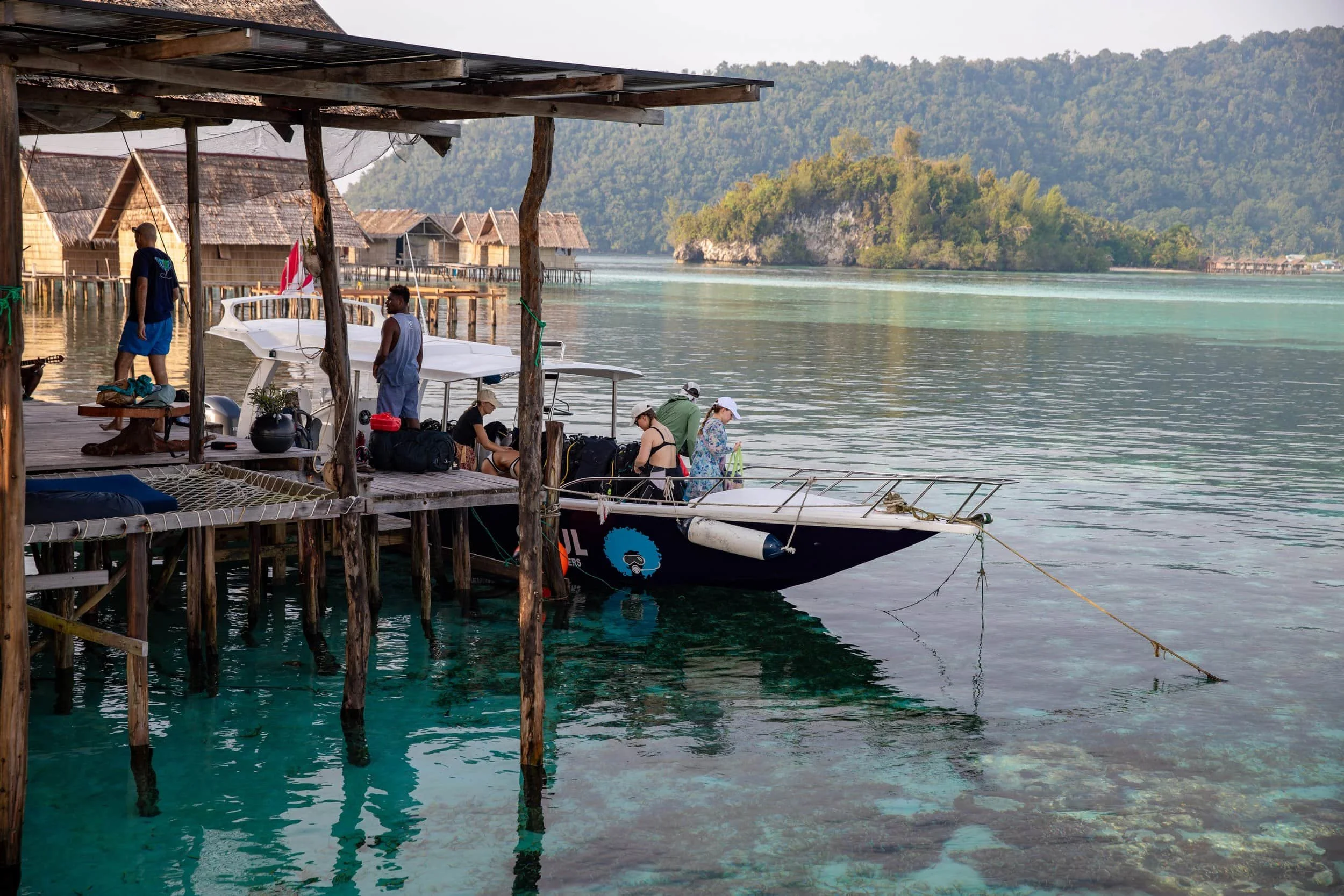
Soul Scuba Divers
During my time in Raja Ampat, I completed all of my diving with Soul Scuba Divers and would have no hesitation recommending them.
A typical dive day includes three dives, with two morning dives followed by a third dive in the afternoon. For those looking to combine sightseeing with diving, Soul Scuba also offers full-day excursions to destinations such as Piaynemo, where divers can complete multiple dives while also visiting the famous viewpoint and surrounding islands.
Throughout my experience, the operation was exceptionally professional, with safety clearly prioritised at every stage. Briefings were thorough, equipment was well maintained, and the dive guides demonstrated an excellent knowledge of local conditions and marine life. They also offer introductory dives and PADI-accredited training courses, making them a great option for both experienced divers and those looking to learn to dive for the first time.
As Soul Scuba is located on the southern tip of Kri Island, I would recommend staying nearby to avoid long daily boat transfers. Good options include Yenbuba Homestay, Mambetron Homestay, and Nus Raja Ampat Bungalows, all of which provide convenient access to the dive centre.
Key Information:
Location: Southern tip of Kri Island I Google Maps
Best For: Fun dives, introductory dives, and PADI certification courses
Daily Schedule: Typically three dives per day (two morning dives and one afternoon dive)
Special Trips: Piaynemo dive and sightseeing excursions
Equipment Rental: Available on-site
Training: PADI-accredited courses and certifications
WhatsApp:+62 822-6614-5516
Website:Soul Scuba Divers
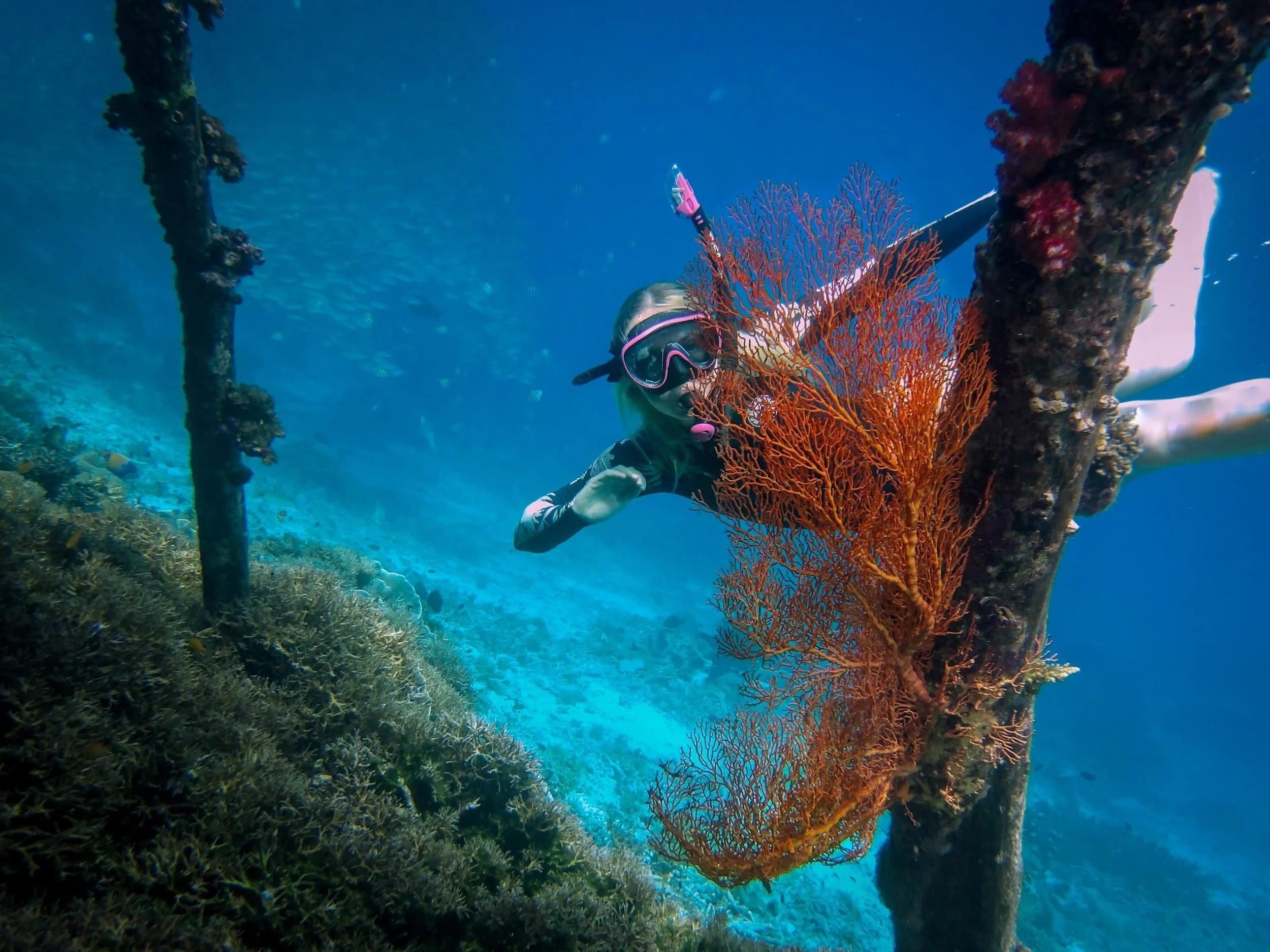
Best Dive Sites in Raja Ampat
The map below highlights some of Raja Ampat's most famous dive and snorkeling sites. While there are hundreds of reefs scattered throughout the archipelago, a handful of locations consistently stand out not only within Raja Ampat, but among the finest underwater sites anywhere in the world.
Melissa's Garden
Located in southern Raja Ampat near the Fam Islands, Melissa's Garden was my favourite dive site in the entire archipelago. Widely regarded as one of the finest coral reef systems in Indonesia, the site is famous for its exceptional coral coverage, crystal-clear visibility, and extraordinary diversity of marine life. If I could recommend just one dive site in Raja Ampat, this would be it.
The dive begins above a pristine coral plateau where reef sharks patrol the shallows and sea turtles glide effortlessly between coral bommies. As we descended, enormous sea fans emerged from the reef slope while large schools of barracuda and giant trevally cruised overhead. Marine life seemed to be everywhere at once, and there were moments when I genuinely didn't know where to look. Combined with crystal-clear visibility, healthy coral formations, and an extraordinary abundance of fish, Melissa's Garden felt like a showcase of everything that makes Raja Ampat one of the world's premier diving destinations.
Melissa's Garden is typically visited as part of a full-day excursion to Piaynemo and the surrounding Fam Islands. These trips often combine multiple dives with visits to Piaynemo Viewpoint, hidden lagoons, and nearby reefs, making it one of the best ways to experience both the underwater and above-water highlights of northern Raja Ampat in a single day.
Key Information:
Location: Fam Islands, Raja Ampat | Google Maps
Cape Kri
Located off the coast of Kri Island in the Dampier Strait, Cape Kri is arguably Raja Ampat's most famous dive site and regularly appears on lists of the best dives in the world. The site gained international recognition after a record number of fish species were recorded during a single dive, cementing its reputation as one of the most biodiverse marine environments on Earth.
Unlike Melissa's Garden, which is defined by its pristine coral gardens, Cape Kri is all about the sheer volume of marine life. Strong currents attract huge schools of fish, creating an underwater environment that feels constantly alive. During my dive, reef sharks patrolled the reef edge while countless fish moved through the water column above vibrant coral formations. Every section of the reef seemed packed with activity, from the shallow coral gardens right down to the deeper reef slopes.
Key Information:
Location: Kri Island, Raja Ampat | Google Maps
Manta Sandy
Manta Sandy is one of Raja Ampat's most famous dive sites and offers some of the best opportunities in the archipelago to encounter manta rays. Located in the Dampier Strait, the site is centred around a sandy cleaning station where manta rays regularly gather while smaller fish remove parasites from their skin.
Unlike many dive sites where marine life is constantly moving, Manta Sandy rewards patience. Divers often spend much of the dive kneeling quietly on the seabed while waiting for mantas to glide gracefully overhead. During my visit, multiple manta rays passed through the cleaning station, circling effortlessly above us before disappearing back into the blue water. Just remember that sightings are never guaranteed.
Key Information:
Location: Dampier Strait, Raja Ampat | Google Maps
Best Attractions and Viewpoints in Raja Ampat
While many visitors arrive in Raja Ampat for the diving and snorkeling, some of the archipelago's most spectacular scenery is found above the surface. This is particularly true in Misool, where dramatic limestone karst islands, hidden lagoons, and panoramic viewpoints often become the highlight of the trip for those willing to venture south.
Karawapop Love Lagoon
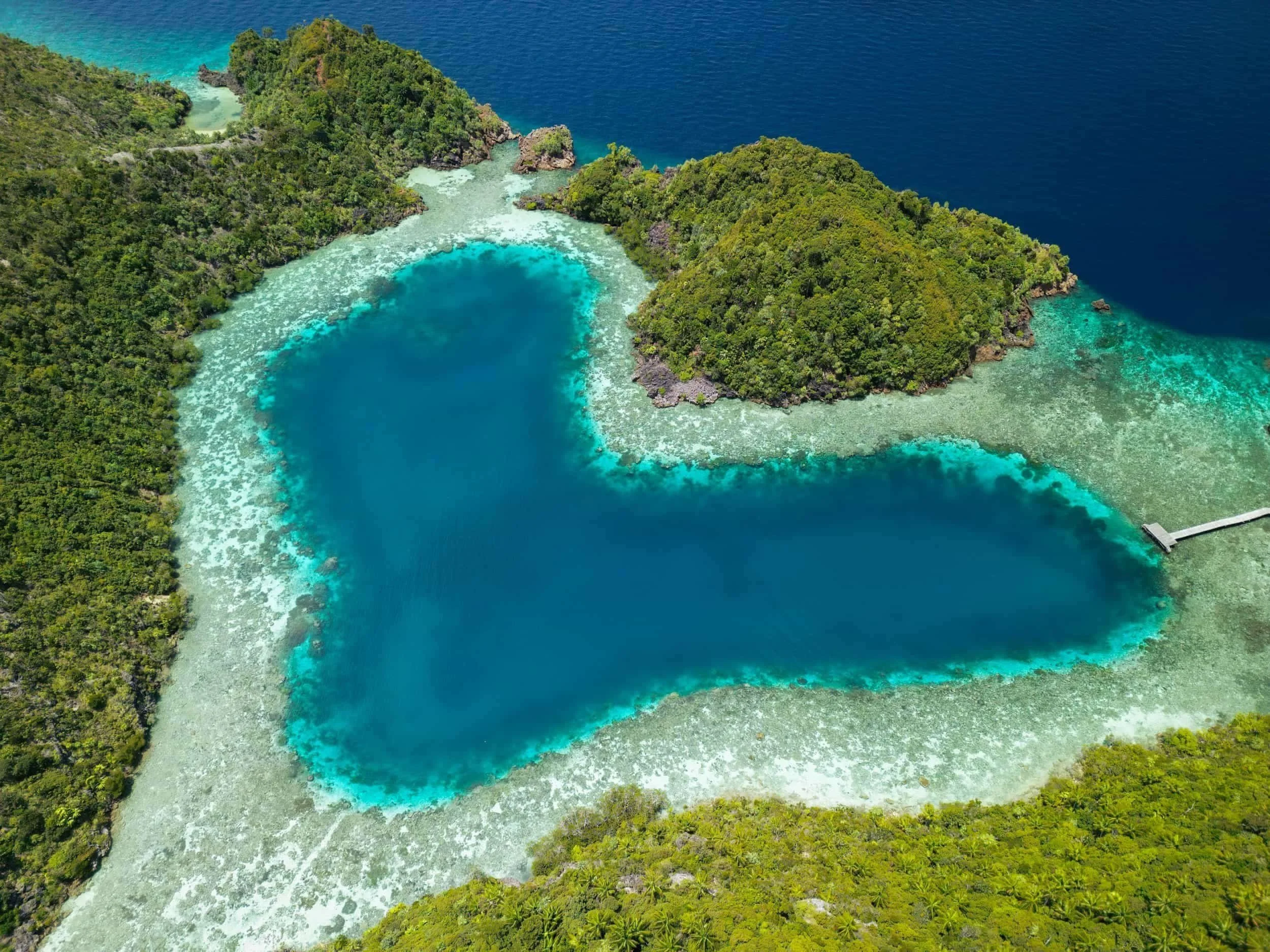
Karawapop Love Lagoon is one of Misool’s most distinctive natural attractions, located in the remote southern region of Raja Ampat. Hidden amongst towering limestone karst islands, the lagoon is famous for its naturally formed heart shape, which is best appreciated from the viewpoint overlooking the surrounding turquoise and deep-blue waters.
Typically visited as part of island-hopping tours through Misool, Karawapop Love Lagoon combines dramatic scenery with a strong sense of remoteness that is difficult to find elsewhere in Raja Ampat. Surrounded by steep limestone cliffs, pristine reefs, and uninhabited islands, it is widely considered one of the Best Things to Do in Misool and a highlight of any visit to the region.
Piaynemo Viewpoint
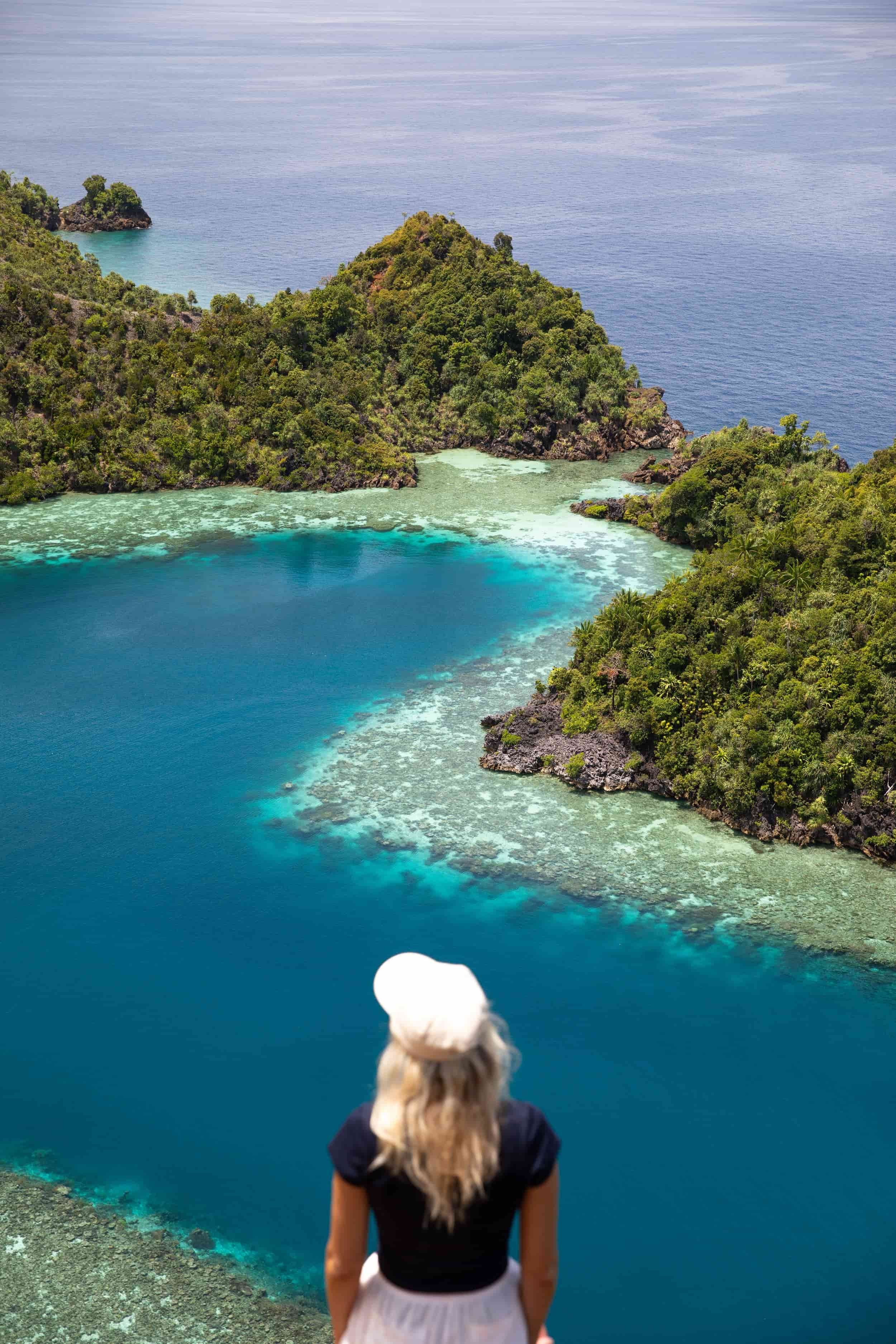
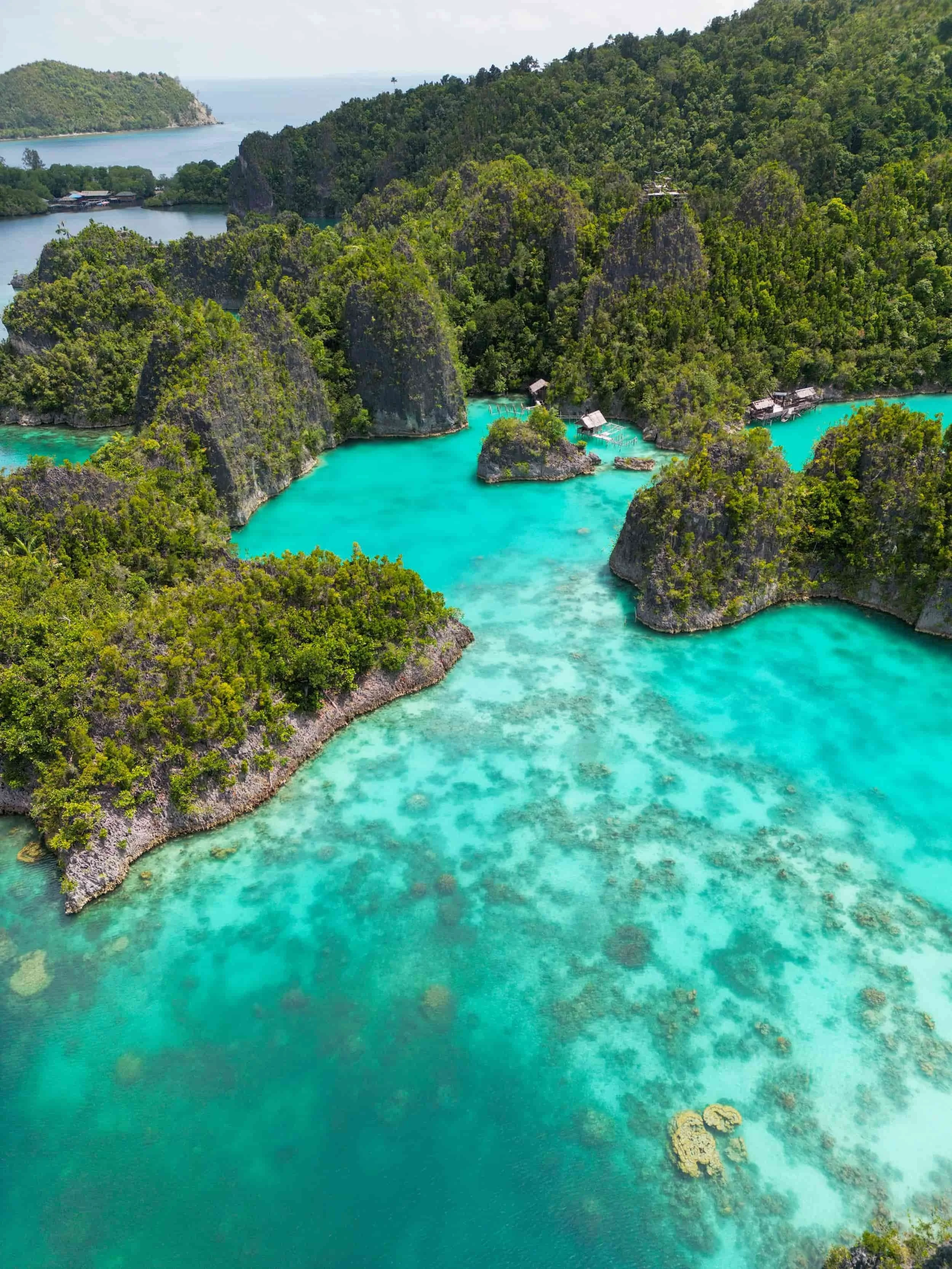
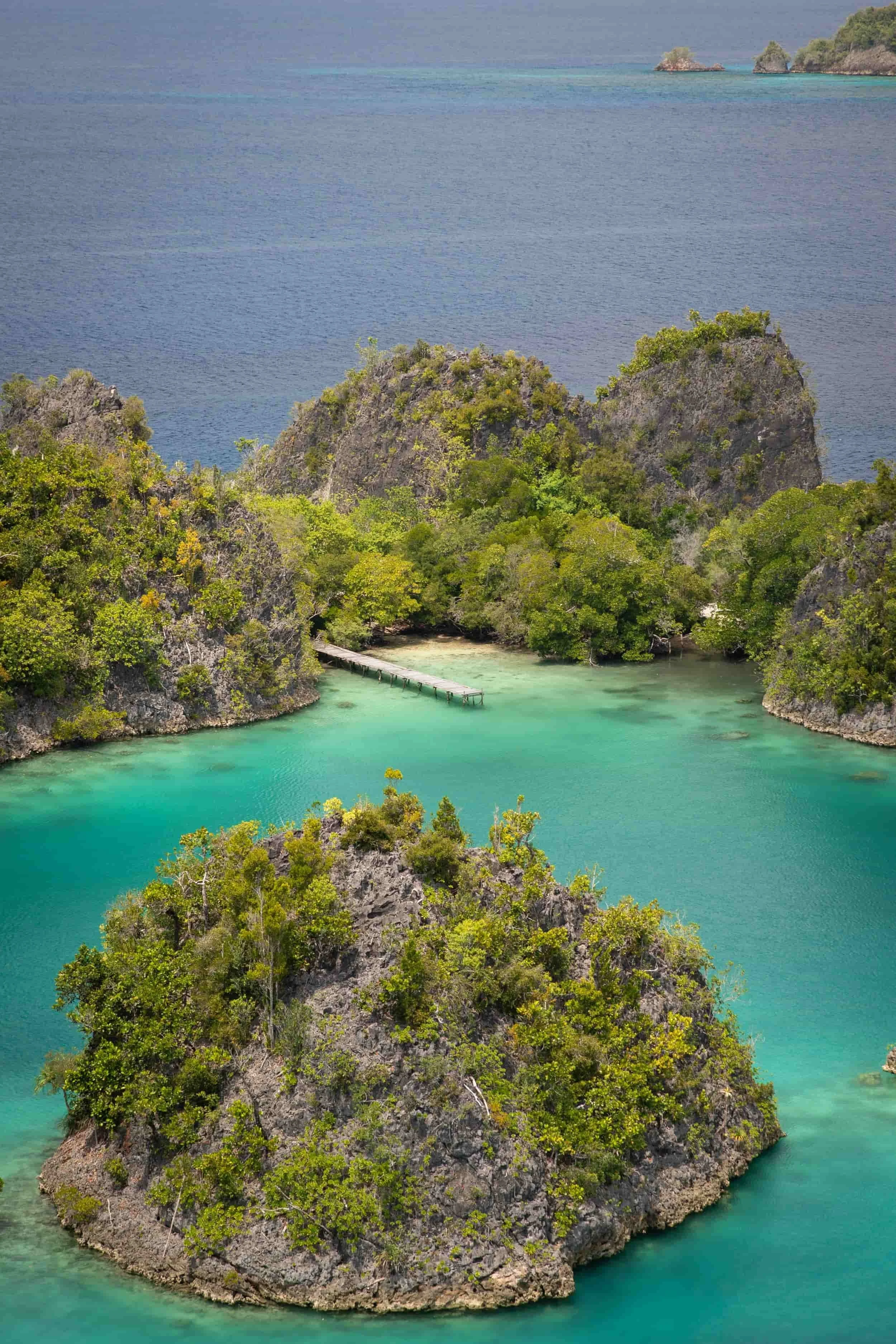
Piaynemo is a famous viewpoint located in the Fam Islands region of northern Raja Ampat, overlooking a labyrinth of limestone karst islands scattered across brilliant turquoise water. Accessed via a short but steep climb from the jetty, the summit provides one of the most recognisable panoramas in Indonesia and is a highlight of most Raja Ampat itineraries.
Piaynemo is typically visited as part of full-day island-hopping tours through the Fam Islands, often combined with nearby lagoons, snorkeling sites, and world-class dive locations such as Melissa's Garden. For many visitors, the viewpoint is the single most iconic attraction in Raja Ampat and the image that first inspired them to visit the archipelago.
Harfat Jaya Peak Hike
Harfat Jaya Peak is one of the most spectacular viewpoints in Misool. Reached via a short but steep climb, the summit overlooks a maze of limestone karst islands, shallow turquoise lagoons, and vibrant coral reefs stretching across the horizon. The viewpoint is widely regarded as one of the finest in the region and offers a very different perspective to the more famous Piaynemo in northern Raja Ampat.
Typically visited as part of island-hopping itineraries through Misool, Harfat Jaya Peak rewards visitors with some of the most dramatic scenery in the archipelago. Combined with the surrounding lagoons, hidden beaches, and limestone formations, it is widely considered one of the best things to do in Misool and a must-visit destination for photographers and nature lovers.
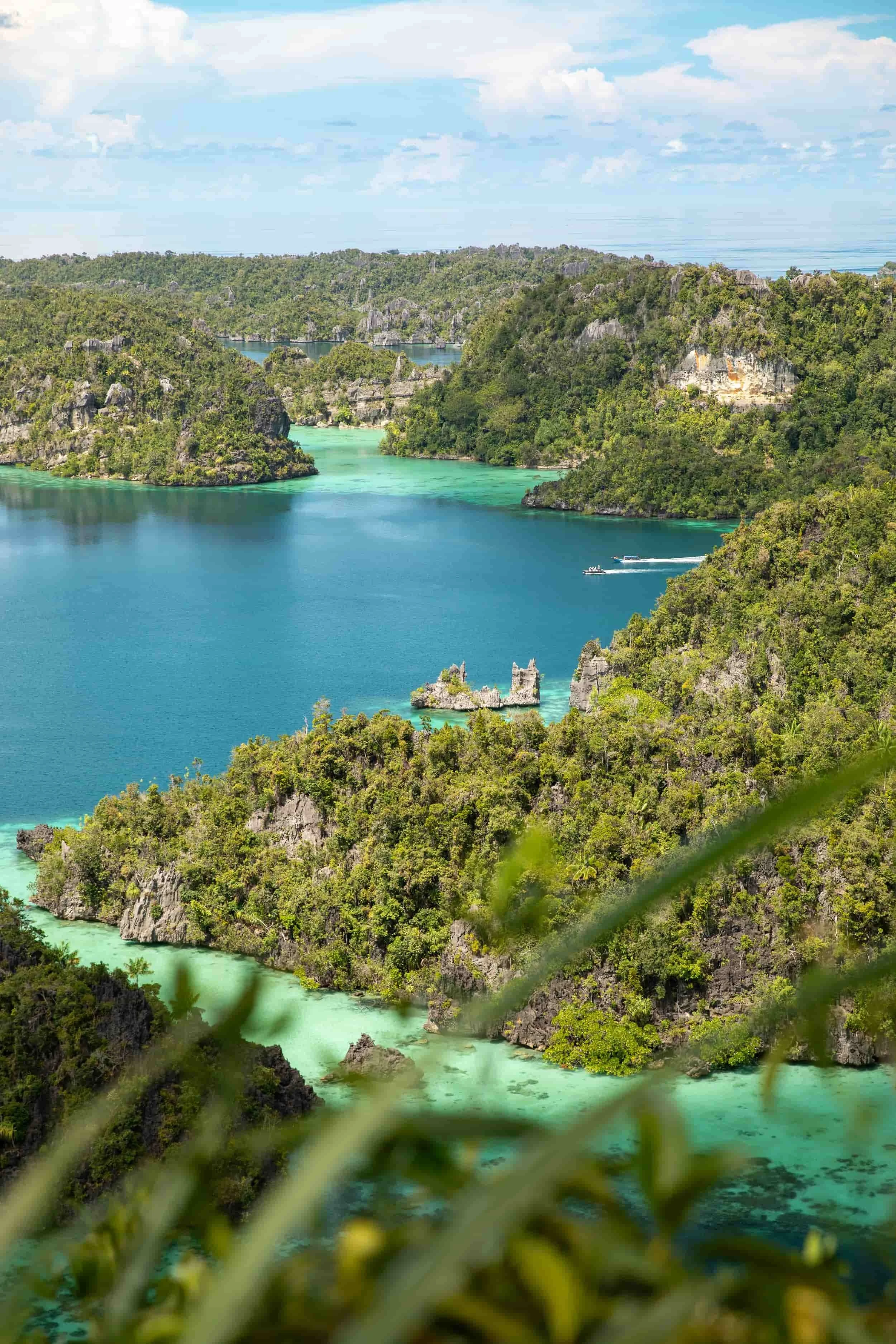
Balbulol Lagoon
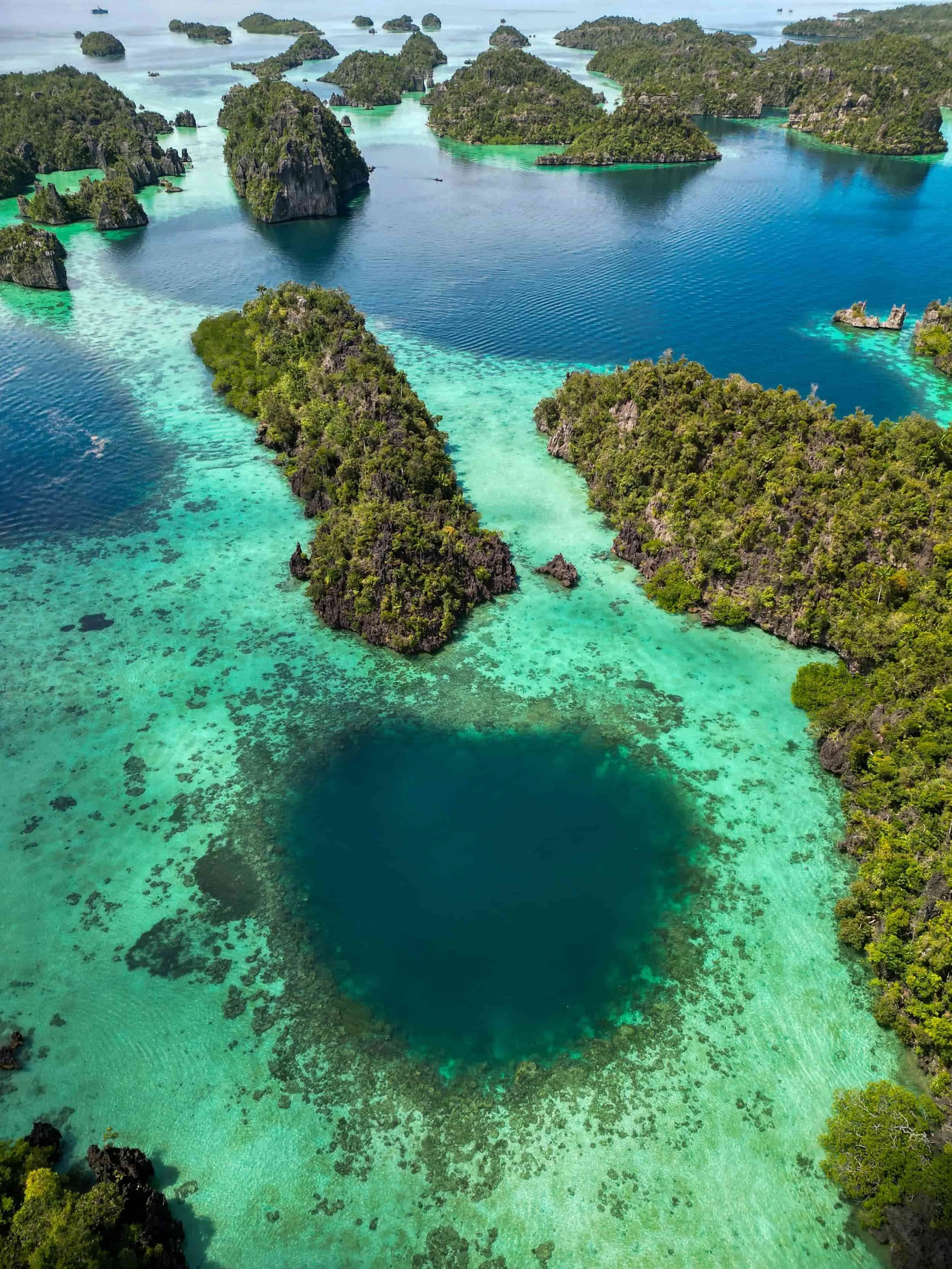
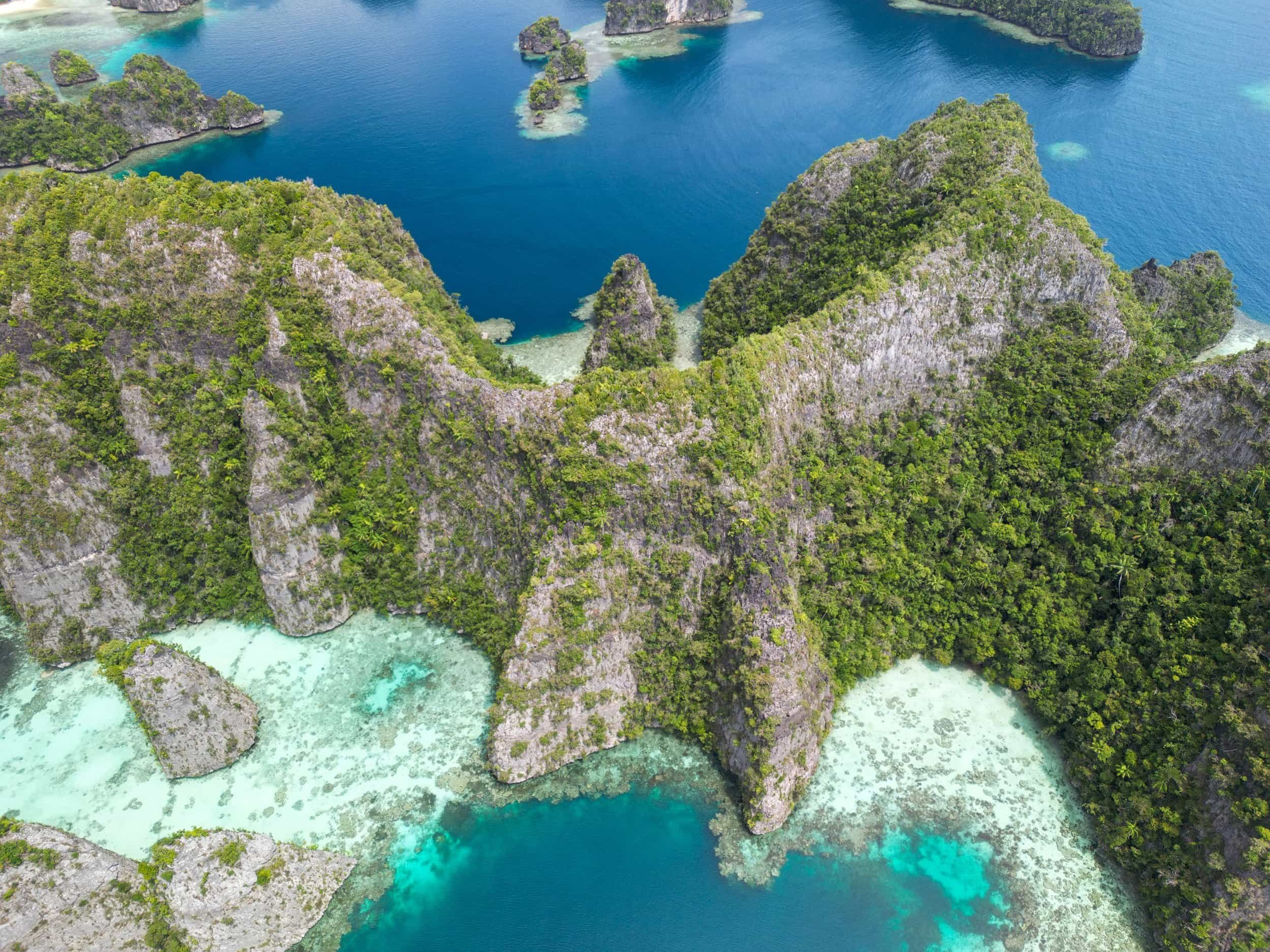
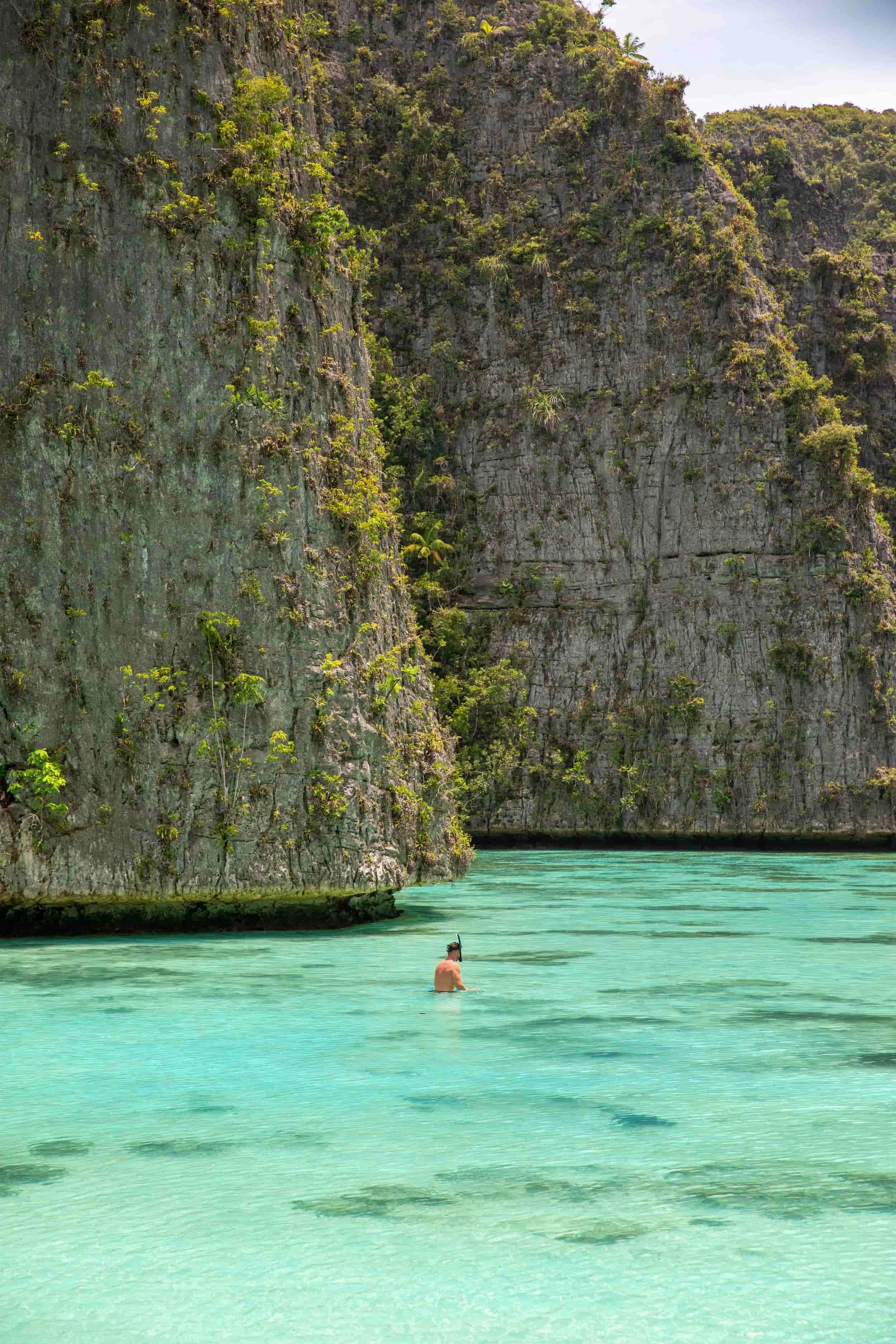
Balbulol Lagoon is the signature attraction of Misool and, for many visitors, the landscape that best represents southern Raja Ampat. Characterised by towering limestone karst islands rising from brilliant turquoise water, the lagoon forms one of the most recognisable and photographed scenes in the region.
Typically visited as part of island-hopping itineraries through Misool, Balbulol Lagoon is often the highlight of a trip to the region. The combination of crystal-clear water, dramatic limestone scenery, and complete absence of development creates a landscape that feels remarkably untouched. For travellers venturing south, it is widely considered one of the Best Things to Do in Misool and one of the most iconic locations anywhere in Raja Ampat.
How Long Should You Spend in Raja Ampat
Raja Ampat is one of those destinations where the answer depends largely on which regions you want to visit and how much time you are willing to spend travelling. While it is possible to experience some of the archipelago's highlights in just a few days, the long journey to reach Raja Ampat means most visitors will benefit from spending at least five days in the region.
For first-time visitors, I would recommend focusing on the northern islands around the Dampier Strait, including Gam, Kri, Mansuar, Arborek, and Piaynemo. These islands are relatively close together, making it easy to combine diving, snorkeling, island-hopping, birdwatching, and sightseeing without spending excessive time in transit. Within 5 days you could easily experience all of the highlights of northern Raja Ampat including a day trip to Piaynemo and the Fam Islands
However, if scuba diving is not your primary reason for visiting Raja Ampat, I would strongly consider venturing south to Misool. While the snorkeling remains world-class, the region's towering limestone karsts, hidden lagoons, remote beaches, and breathtaking viewpoints arguably make it the most spectacular part of the archipelago. For me, many of Raja Ampat's most memorable experiences were found in Misool above the water rather than beneath it.
If you have 10–12 days available, I would strongly recommend visiting both northern Raja Ampat and Misool. Together they provide the most complete experience of the archipelago, combining world-class diving and snorkeling with spectacular limestone karst landscapes, hidden lagoons, and some of Indonesia's most breathtaking scenery.
4–5 Days: Focus on northern Raja Ampat around Gam, Kri, Mansuar, Arborek, and Piaynemo. This provides enough time for diving, snorkeling, island-hopping, and experiencing the highlights of the Dampier Strait.
7–10 Days: Explore northern Raja Ampat at a more relaxed pace, with additional diving, birdwatching, village visits, and day trips throughout the Dampier Strait and Fam Islands.
10–12 Days: Combine northern Raja Ampat with Misool to experience both the archipelago's world-class marine life and its most spectacular limestone karst landscapes, hidden lagoons, and remote island scenery.

Suggested Raja Ampat Travel Itinerary
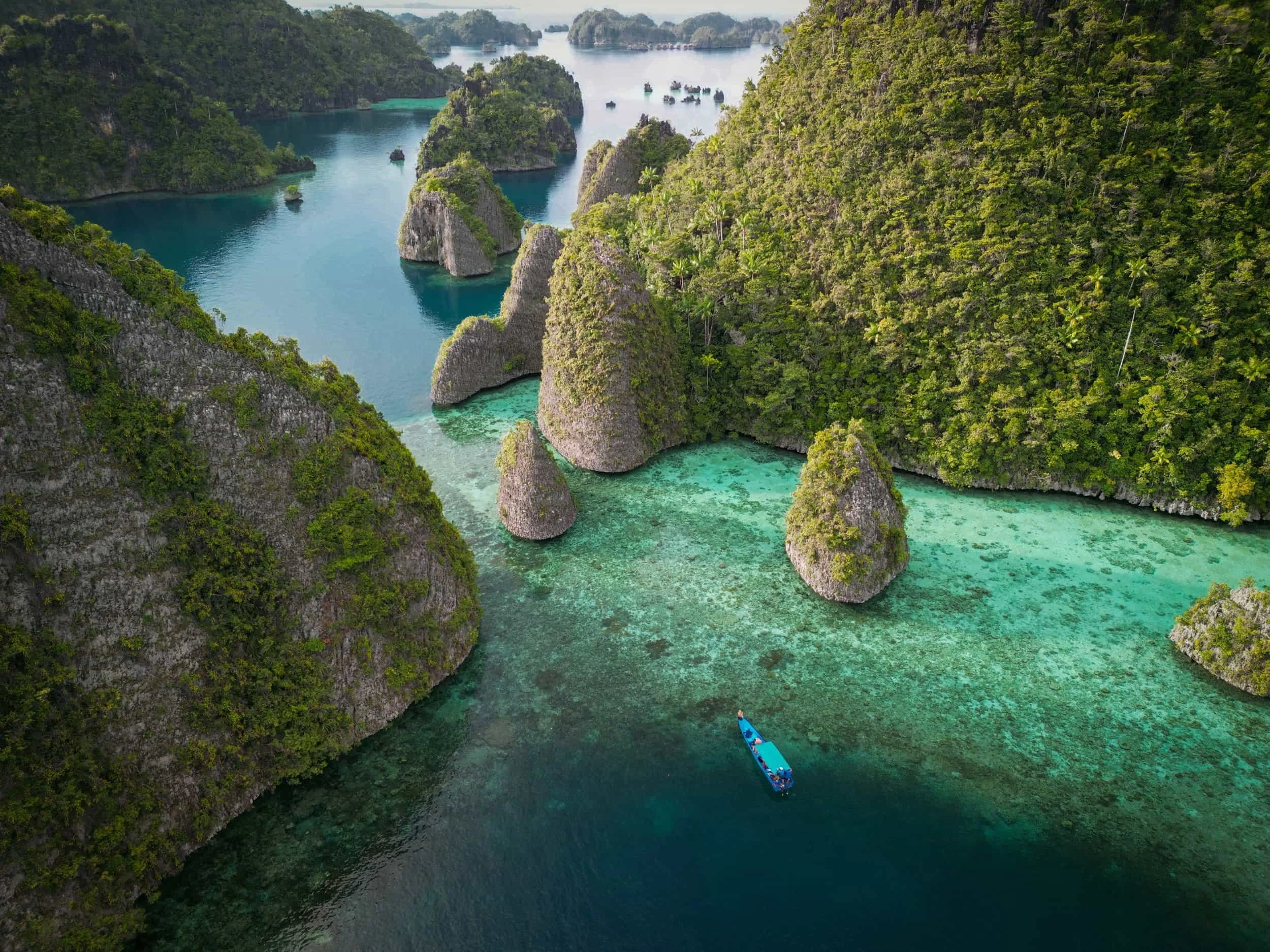
This 10-day Raja Ampat itinerary combines the best of northern Raja Ampat and Misool, allowing enough time to experience the archipelago's world-famous diving and snorkeling sites, iconic viewpoints, hidden lagoons, and remote island scenery. For first-time visitors with sufficient time available, it represents the most complete way to experience Raja Ampat.
For a more detailed breakdown please read my 10 Day Raja Ampat Island Hopping Itinerary
Day 1 - Arrive in Raja Ampat
Ferry from Sorong to Wasai
Transfer from Wasai Harbour to Kri
Snorkel at house reef
Day 2 - Diving and Snorkeling
Dive at Cape Kri
Dive at Manta Sandy
Snorkel at Yenbuba
Day 3 - Piaynemo and Fam Islands Day Trip
Dive at Melissa’s Garden
Dive at Fam Wall
Hike up to Piaynemoviewpoint
Day 4 - Arborek and Dampier Strait
Visit Arborek Village
Snorkel at Arborek Jetty
Snorkel or Dive at Sawandarek Jetty
Day 5 - Transfer to Sorong
Travel from accommodation to Wasai
Ferry from Wasai to Sorong
Rest night at a hotel in Sorong
Day 6 - Arrive in Palau Misool
Ferry from Sorong to Yellu Harbour as per the How to Get to Misool Island Guide.
Transfer from Yellu Harbour to Yamnini Homestay
Relaxing afternoon and snorkel at house reef
Day 7 - Karawapop Love Lagoon and Kalig Beach Day Trip
Hike up to Karawapop Love Lagoon viewpoint
Snorkel at Gorgonian Garden
Snorkel at Neptunes
Relax on Kalig Beach
Day 8 - Balbulol Day Trip
Namlol Lagoon Beach and Snorkeling
Hike up Balbulol Lagoon Viewpoint
Snorkel at Gamfi
Day 9 - Harfat Peak and Yapap Lagoon Day Trip
Hike up Harfat Jaya Peak viewpoint
Jellyfish Lake Snorkeling
Yapap Lagoon
Explore Keramat Cave
Hike up Dafalen PeakViewpoint and cruise into Dafalen Lagoon
Day 10 - Depart Misool
Transfer from Yamnini Homestay to Yellu Harbour
Ferry from Yellu Harbour to Sorong
Depart Raja Ampat

How to Budget for Raja Ampat
Raja Ampat is one of the more expensive destinations in Indonesia, largely due to its remote location, limited transport infrastructure, and the logistics involved in moving people and supplies between islands. While accommodation can be surprisingly affordable, particularly at locally owned homestays, transport, diving, and island-hopping activities are where most travellers spend the majority of their budget.
It is also important to plan your finances in advance. Cash remains the primary form of payment throughout much of Raja Ampat, and while ATMs are available in Sorong, they can occasionally run out of cash. Once you reach the islands, access to banking facilities becomes extremely limited, so it is advisable to carry sufficient cash for accommodation, tours, transport, and entry fees.
Typical Costs in Raja Ampat
Homestays: Approximately 650,000–1,200,000 IDR per person per night, often including breakfast, lunch, and dinner.
Dive Resorts: Generally 4,000,000–15,000,000+ IDR per room per night, depending on the level of luxury and whether diving packages are included.
Liveaboards: Typically 4,000,000–15,000,000+ IDR per person per night, depending on the vessel and itinerary.
Sorong to Waisai Ferry: Approximately 150,000–250,000 IDR per person each way.
Sorong to Misool Ferry: Between 500,000 and 700,000 IDR per person each way depending on the ferry option you choose.
Island Transfers: Generally 200,000–1,000,000 IDR+ per person, depending on the destination and number of passengers sharing the boat.
Diving: Usually 700,000–1,500,000 IDR per dive, with discounts often available through multi-day dive packages.
Island-Hopping Tours: Typically 2,500,000–5,000,000 IDR per boat per day, with costs shared amongst passengers.
Marine Park Entry Permit: Approximately 1,000,000 IDR for international visitors
Attraction Entry: Most key sites including Balbulol Lagoon, Dafalen Peak and Karawapop Love Lagoon, charge 100,000 IDR per person upon entry which is an additional charge
Budget Tips for Raja Ampat
Stay in Homestays: Homestays offer some of the best value accommodation in Raja Ampat, particularly as meals are often included in the nightly rate.
Share Boat Costs: Private boat charters and island-hopping tours can be expensive when booked individually. Sharing tours with other travellers can dramatically reduce costs.
Plan Around Ferry Schedules: Missing a public ferry can result in expensive private speedboat transfers. Building flexibility into your itinerary can save a significant amount of money.
Carry Enough Cash: Many homestays, local guides, and boat operators only accept cash. Always carry enough money to cover accommodation, transport, activities, and unforeseen expenses.
Focus on One Region: Travelling between northern Raja Ampat and Misool adds considerable transport costs. If you're travelling on a tighter budget, focusing on a single region can significantly reduce overall expenses.
Practical Information for Visiting Raja Ampat
Cash and ATMs in Raja Ampat
ATMs are available in Sorong, but can occasionally run out of cash, particularly during busy travel periods. Most homestays, local boat operators, guides, and small businesses throughout Raja Ampat only accept cash, making it essential to withdraw enough money before travelling to the islands.
Many of the largest expenses in Raja Ampat, including boat transfers, island-hopping tours, attraction entry fees, and some accommodation payments, are often settled in cash. While a small number of resorts and dive centres may accept online payments, this should not be relied upon, particularly in more remote areas such as Misool. During my trip, some operators, including Soul Scuba Divers, were able to accept payments via Wise transfers, although this remains the exception rather than the rule.
As a general rule, it is better to carry more cash than you think you will need. Once you leave Sorong, opportunities to withdraw additional funds are extremely limited, and card payment facilities can be unreliable due to internet connectivity issues.
Mobile Reception, Internet and Electricity in Raja Ampat
Mobile reception, WiFi, and electricity availability vary considerably throughout Raja Ampat and are largely dependent on how remote your location is. In general, the northern islands around Gam, Kri, Mansuar, and Arborek have the most reliable connectivity, while reception becomes increasingly limited in more remote regions such as Misool.
Telkomsel provided by far the most reliable mobile coverage during my trip and is the network I would recommend purchasing before arriving in Raja Ampat. Throughout much of the Dampier Strait, mobile data was generally sufficient for messaging, navigation, and basic internet browsing. In Misool, however, mobile reception was often weak or completely unavailable depending on the location.
Many homestays operate on generators and only provide electricity during certain hours, typically overnight. Where mobile reception was limited, it was common for homestays like Yamnini Homestay to offer WiFi during generator operating hours instead. In many cases this was powered by Starlink, particularly in more remote areas of Misool. While speeds were often surprisingly good, access was frequently charged as an additional fee and should not always be expected.
Bringing a power bank is highly recommended, particularly if you rely on your phone for photography, navigation, or communication.
Health and Safety
Medical Facilities in Raja Ampat
Medical services are available in Waisai and Sorong, but facilities become extremely limited once you leave the main population centres. Travellers requiring specialised treatment or emergency medical care may need to return to Sorong, making comprehensive travel insurance highly recommended.
Mosquitoes and Drinking Water in Raja Ampat
Mosquitoes are common throughout Raja Ampat, particularly around mangroves and rainforest areas. Insect repellent is highly recommended, especially during sunrise and sunset when mosquito activity tends to be highest. While malaria risk exists in parts of West Papua, travellers should consult their doctor or travel clinic before departure to discuss current recommendations and preventative measures.
Drinking water is generally provided by most homestays and resorts through filtered refill stations rather than bottled water. Bringing a reusable water bottle is strongly recommended, both to reduce plastic waste and to ensure you stay hydrated in Raja Ampat's hot and humid climate.
Diving and Snorkeling Safety
Many of Raja Ampat's most famous dive sites experience strong currents, making it important to dive with reputable operators and follow local guidance. When snorkeling, be mindful of boat traffic around jetties and popular reef systems, and avoid standing on or touching coral.
Safety in Sorong, Raja Ampat
While Raja Ampat itself is generally very safe, travellers should exercise additional caution when passing through Sorong. The city serves as the main gateway to Raja Ampat and is where most visitors will spend at least one night before or after their trip.
I would generally avoid walking around Sorong after dark, particularly with luggage, camera equipment, or valuables. Taxis and ride-hailing services are inexpensive and widely available, making them the safest and most convenient way to travel between the airport, hotels, restaurants, and ferry terminal. Even during the day, most visitors will find it easier to use transport rather than walking long distances around the city.
Viewpoint and Hiking Safety
Many of Raja Ampat's most spectacular attractions involve short hikes to elevated viewpoints. While none of these hikes are particularly long, conditions can be more challenging than many visitors expect.
Staircases and walkways are often uneven, steep, slippery when wet, or in varying states of repair. In several locations, railings are limited or absent altogether, while some viewpoints sit directly above steep cliffs with little or no protective barrier. Visitors should take their time, wear appropriate footwear, avoid unnecessary risks when taking photographs, and exercise extra caution during or after rain.
The viewpoints are generally safe when approached sensibly, but the combination of heat, humidity, uneven terrain, and significant drop-offs means they should be treated with more respect than a typical tourist boardwalk or lookout platform.
What to Pack for Raja Ampat
Packing properly for Raja Ampat is important, as once you leave Sorong or Waisai, shops are extremely limited and you may not be able to buy basic travel items, toiletries, or medication. I would strongly recommend travelling with a backpack rather than a suitcase, as transfers often involve beaches, jetties, longboats, and uneven paths.
Clothing and Footwear
Pack light, comfortable clothing suitable for a hot and humid tropical climate. Multiple pairs of bathers are highly recommended as clothes can take a long time to dry, while a hat, thongs or slides, and a pair of runners or reef shoes will cover most activities, from island hopping to viewpoint hikes.
Snorkeling and Water Activities
While equipment can often be hired locally, I would recommend bringing your own snorkel mask if possible. Reef-safe sunscreen, a reusable water bottle, and a small dry bag for boat trips will also make your time on the water much more enjoyable.
Electronics and Photography
Raja Ampat is one of the most photogenic destinations in the world, so a camera, drone, or underwater camera are well worth bringing. Electricity can be limited at many homestays, making a power bank, spare batteries, memory cards, and charging cables particularly useful.
Toiletries and Health
Bring all toiletries, medication, and personal health items you may need during your trip. Once you leave Sorong and Waisai, shops are extremely limited and it can be difficult or impossible to replace forgotten items. Insect repellent and a basic first-aid kit are particularly useful.
Bags and Travel Gear
A backpack is generally much more practical than a suitcase due to the number of boat transfers, jetties, and uneven walkways involved. I would also recommend bringing a waterproof backpack cover and a dry bag to protect electronics and valuables from rain and sea spray.
Responsible Travel Tips for Raja Ampat
Raja Ampat remains one of the world's most pristine island destinations, but its remote location and fragile ecosystems make responsible travel particularly important. Small decisions made by visitors can have a significant impact on local communities, marine life, and the long-term sustainability of tourism throughout the archipelago.
Protect the Coral Reefs
Raja Ampat lies within the Coral Triangle and contains some of the most biodiverse coral reef ecosystems on Earth. When snorkeling or diving, avoid standing on coral, touching marine life, or interfering with wildlife. Maintaining a respectful distance from manta rays, turtles, reef sharks, and other species helps minimise stress on animals and protects their natural behaviour.
It is also worth considering reef-safe sunscreen or sun-protective clothing when spending extended periods in the water, as certain sunscreen chemicals can be harmful to coral reefs.
Support Local Communities
Many of Raja Ampat's homestays, guides, boat operators, and tourism businesses are owned and operated by local Papuan communities. Choosing locally owned accommodation, hiring local guides, and purchasing goods and services within villages helps ensure tourism revenue remains within the region and directly benefits the communities that call Raja Ampat home.
When visiting villages, dress respectfully, ask permission before photographing people, and take the time to learn about local customs and traditions.
Travel Responsibly on Remote Islands
Life on many of Raja Ampat's islands depends on limited infrastructure, with communities relying on generators, rainwater collection systems, and infrequent supply deliveries. Visitors can help reduce their impact by conserving water, limiting unnecessary electricity usage, and carrying a reusable water bottle to reduce plastic waste.
Waste management remains a challenge throughout much of the archipelago, so avoid single-use plastics where possible and dispose of rubbish responsibly. The fewer resources local communities need to dedicate to managing tourism-related waste, the easier it becomes to preserve the natural beauty that makes Raja Ampat so special.
Related Posts:
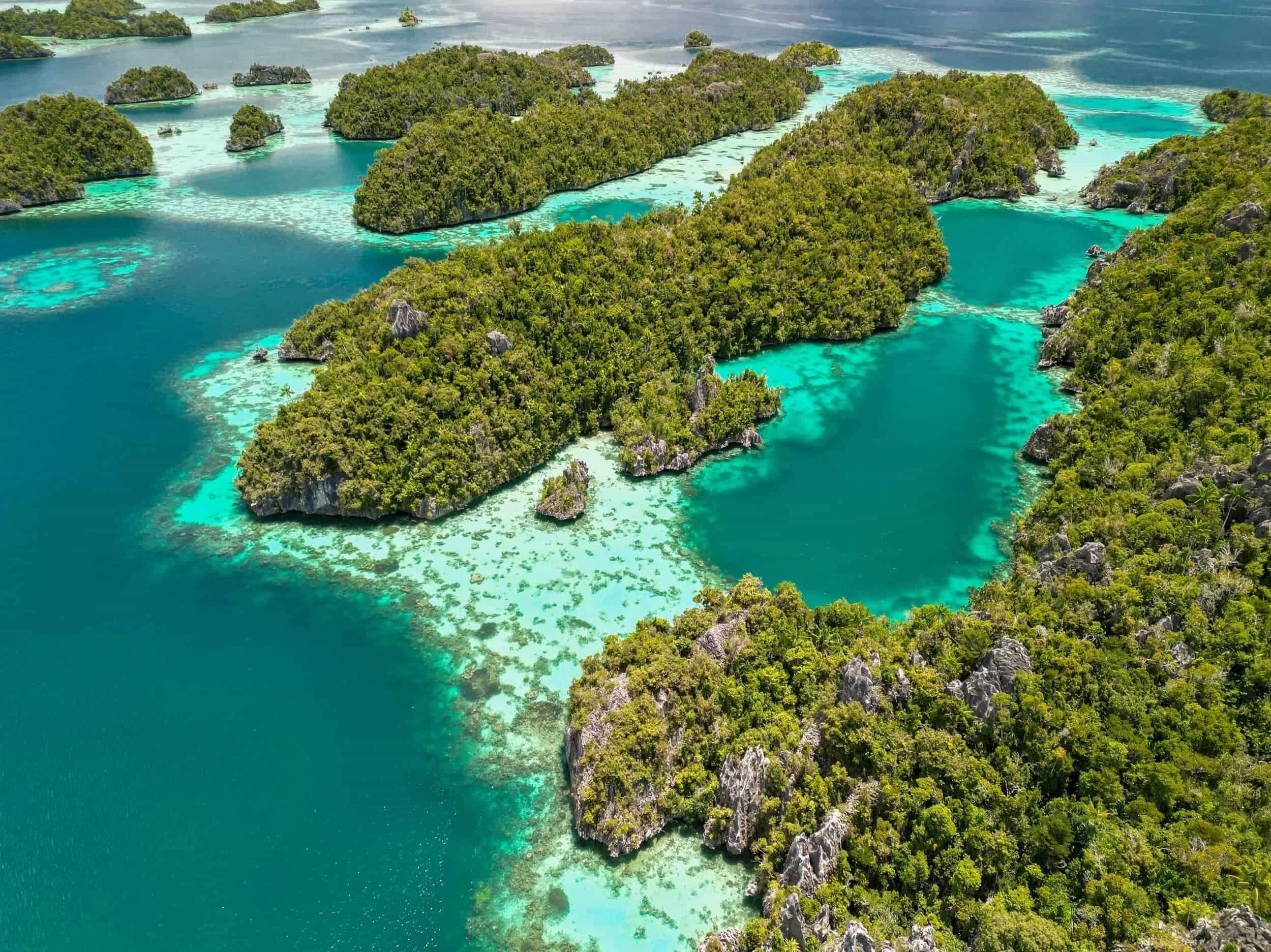
Plan the perfect 10-day Raja Ampat itinerary with this detailed first-time route through northern Raja Ampat and Misool. This day-by-day guide covers how to split your time between Kri, Piaynemo, Arborek, the Dampier Strait and Misool, with practical advice for scuba divers, snorkellers and island-hoppers wanting to experience Raja Ampat’s best viewpoints, reefs, lagoons, beaches and transfer routes.